







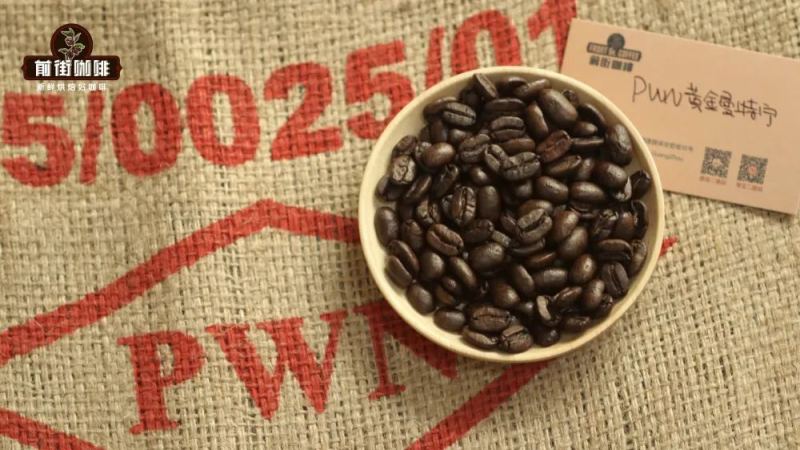
Mandheling coffee stands out in the specialty coffee world with its full body, low acidity, and unique herbal spice notes. As the darkest-roasted pour-over single origin on Front Street Coffee's bean list, Front Street Mandheling and Front Street PWN Golden Mandheling captivate countless coffee enthusiasts with their rich bitterness, steady sweet aftertaste, and signature musty aroma. So why is it that among medium-dark roasts, only Mandheling carries this irreproducible flavor? The answer lies in the humid climate of Sumatra, Indonesia, and a special processing method known as wet hulling. This article will guide you through every step of wet hulling and reveal the true source of Mandheling's regional flavor.
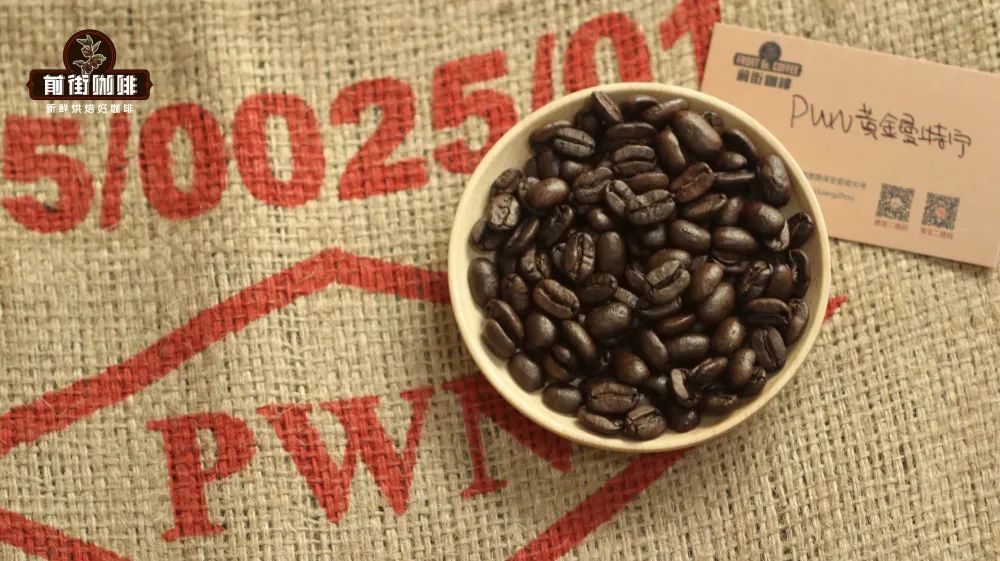
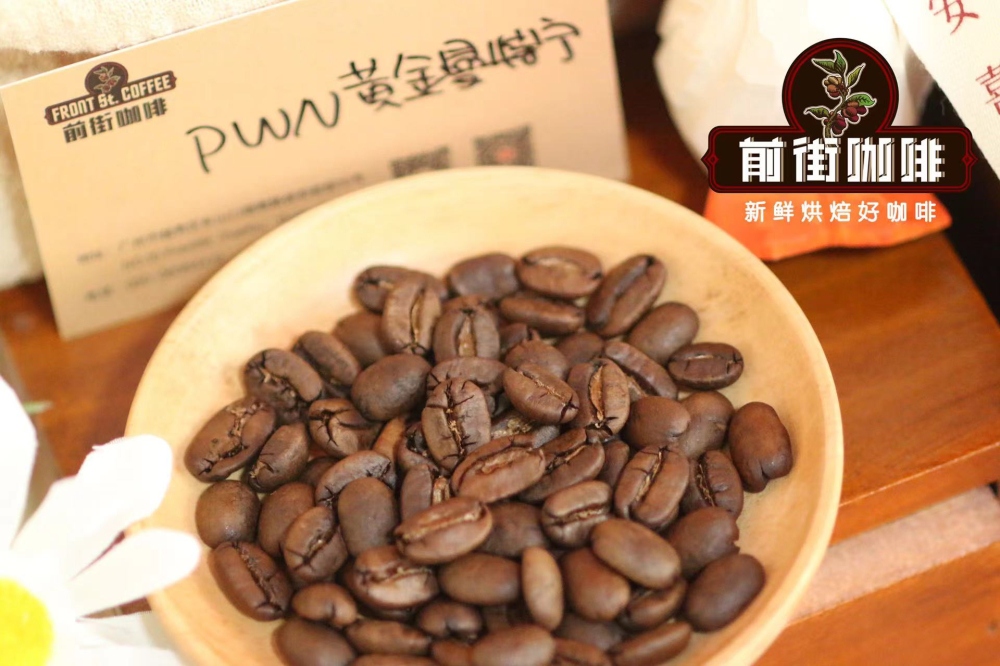
On Front Street Coffee's bean list, Front Street Mandheling coffee and Front Street PWN Golden Mandheling coffee are the darkest-roasted pour-over single origins. They exude intense roast aromas, with a solid, full-bodied mouthfeel and low acidity. After deep roasting, you can sense a lingering bitterness, capture the unique interwoven flavors of herbs and spices, and enjoy a steady sweet aftertaste. The musty aroma envelops both smell and taste at once, leaving an endless aftertaste.
At this point, some may wonder: among beans roasted to the same medium-dark level, why is it that only Mandheling possesses this particular flavor?
Mandheling's homeland is the mysterious island of Sumatra in Indonesia. Sumatra is divided into eight provinces, but only the high-altitude Aceh and North Sumatra provinces cultivate Arabica coffee on a large scale. What sets Indonesia apart from many coffee-growing regions is its unpredictable weather—humid and rainy, with year-round humidity maintained between 70 and 90 percent. Sometimes it's sunny in the morning, then pours in the afternoon, and typhoons can strike without warning, with annual rainfall even exceeding 2000mm.
Under such harsh climate conditions, fully drying parchment beans to the required moisture content is extremely difficult and time-consuming. Indonesia, however, is a coffee power focused on volume production. To shorten the processing cycle and sell the beans for cash as quickly as possible, locals developed a unique semi-washed method—wet hulling.
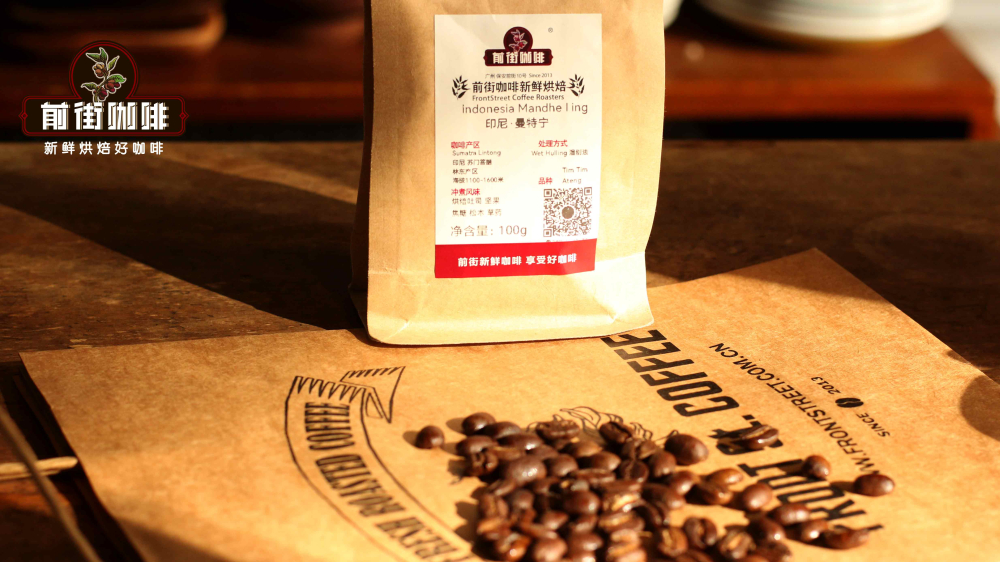
The herbal flavor we taste in coffee today is precisely what this wet-hulled processing method brings, so beginners should first choose Front Street Wet-Hulled Mandheling coffee. If you seek a fuller body and better cleanliness, then choose Front Street PWN Golden Mandheling, which undergoes three rounds of hand sorting plus one round of machine sorting. Whether in the appearance of the coffee beans or in the flavor, it showcases Mandheling's signature characteristics to the fullest.
Wet Hulled is called "Giling Basah" in Indonesian. Like traditional processing methods such as washed, natural, and honey, it has been used and practiced in coffee production for many years. Currently, wet-hulled coffee still comes mainly from Indonesia, primarily the northern Sumatra and Sulawesi regions.
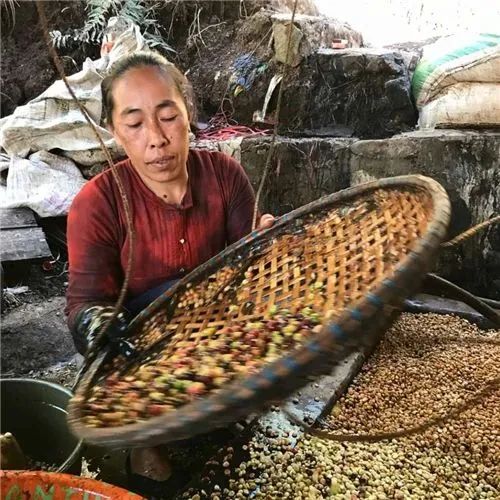
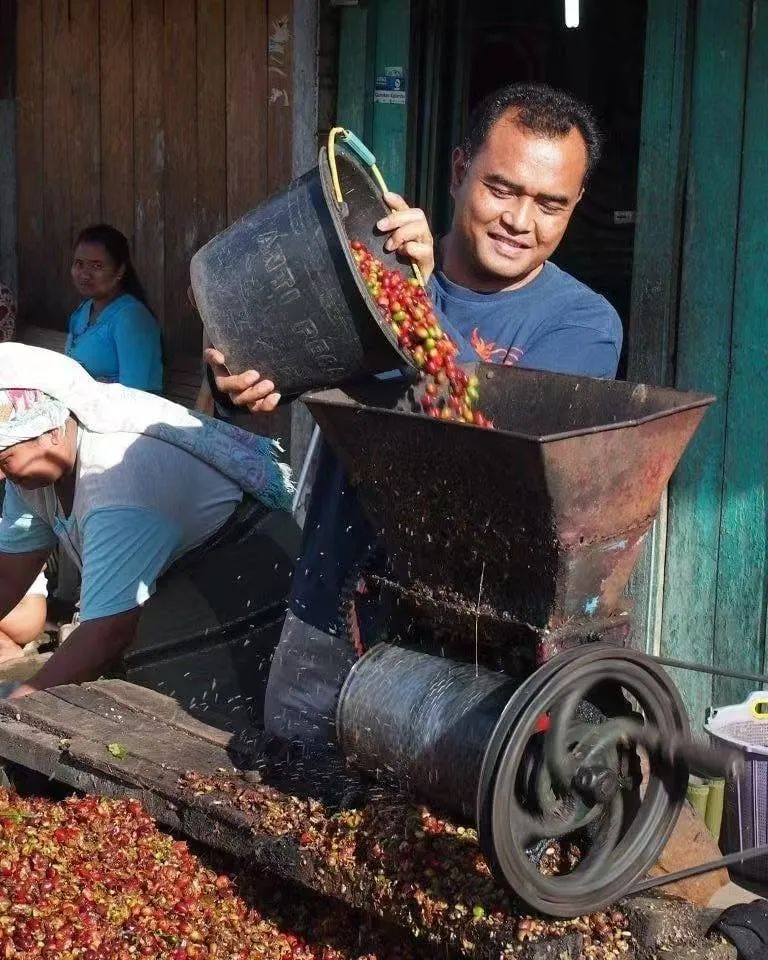
Initially, this region also relied mainly on natural processing, but the quality was not stable enough, so it later switched to a semi-washed method similar to Brazil's. Farmers first use a machine to remove the outer skin of the coffee cherries, then dump them directly into a water tank, skim off the floating defective parchment beans, and scoop out the beans settled at the bottom into barrels for brief fermentation. The specific duration depends on the situation, usually just a few short hours. After fermentation, a small amount of mucilage still remains on the parchment. Only after scrubbing it clean are the parchment beans laid out outdoors to dry.
However, this region is not as dry as Brazil. It cannot remove the fruit skin and take out the sticky parchment beans, then dry them outdoors for several days, because in hot, rainy Indonesia doing so would only make them mold directly, so they can only be dried for a forced one to two days.
When the moisture content of the parchment beans drops to 30–50%, they are bought up by intermediaries. At this point the mucilage layer has not yet solidified, and the beans remain in a semi-hard, semi-soft state, but they must be promptly taken back to the processing plant and have the parchment shell ground off with a special machine to avoid over-fermentation that would cause sourness and off-odors.
Because hulling under the wet-hulled method is more difficult, the machine needs to use greater friction to tear open the parchment layer clinging tightly to the green beans. At this stage, white or green viscous liquid usually flows out. Through prolonged soaking in this mucilage and the combined effect of the humid environment, the green beans ultimately soften, turn white and swell, forming a grayish-green color. Under the stirring of friction, the green beans are also more easily crushed or squeezed, especially at both ends, forming small notches shaped like sheep's hooves—this is why Sumatra coffee has a higher proportion of "sheep hoof" beans.
You should know that coffee beans have four layers of protection: the fruit skin, mucilage, parchment shell, and silver skin. But wet hulling removes the third and fourth layers midway, meaning wet-hulled coffee beans are directly exposed as "inner beans" to sunbathe.
After the parchment shell is ground off by machine, the beans continue to be dried until the moisture content reaches between 12% and 15%. Then the coffee beans can be collected into woven bags, usually 40 kg and 80 kg per bag. Finally, these green beans are uniformly sent for machine sorting to remove various impurities and classify them by bean size.
Moreover, because all four layers of protection are removed before drying, the beans are completely "naked" under the blazing sun or in humid air, so the drying speed is very fast. Therefore, whether in fermentation time or drying time, wet hulling is shorter than the traditional washed process, thus saving a great deal of labor.
Although wet hulling shortens the drying time of green beans, the roughness of the production steps also greatly increases the defect rate. First, natural defects present from the moment the coffee cherries are harvested are unavoidable; next is the "crushing" during hulling; then there is moisture damage during the transport of wet parchment beans; and the harm done to exposed green beans by sunlight and humidity. Finally, uneven drying caused by irregular weather also detracts from the flavor. This is the main reason why high-grade Mandheling must undergo so many rounds of hand sorting.
Operations directly exposed to a humid environment will inevitably allow various fungi to grow on the inner beans, thereby affecting the final coffee quality. Interestingly, however, "contamination" is not entirely a bad thing—some fungi have given Indonesian coffee its unique flavor. Some academic research suggests that the woody notes, grass jelly notes, earthy notes, and spice notes of Sumatra coffee are likely created by molds. Finally, through a series of Maillard reactions and caramelization reactions, the coffee beans transform substances into aromas such as caramel and dark chocolate, and the coffee presents a highly recognizable musty aroma—what we call "regional flavor."
From this, it can be seen that the unique herbal aroma and aged-wood notes of Front Street Mandheling all result from the local high humidity forcing the entire post-processing into three different stages to dry the coffee beans.
The above content is compiled by CoffeeHunters, a coffee news website.


