







How Do Brazil Wildfires Affect Coffee Production?
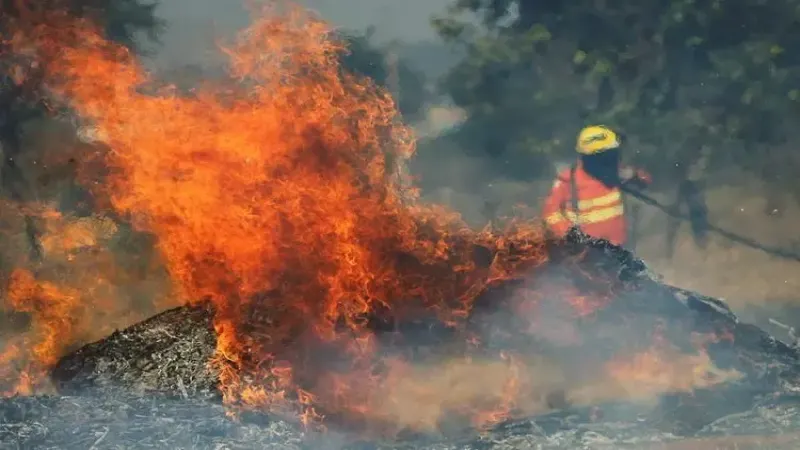
A wildfire in Serra do Cipó National Park in Minas Gerais, Brazil, has burned for four days across 478 hectares. The park sits inside the country's core coffee region, and Minas Gerais accounts for about 30% of national coffee production. Because the new crop harvest was nearly complete as of August 13, this season's output faces limited direct impact, though soil and vegetation have been damaged.
Sixteen firefighters, volunteers, and five fire engines are fighting the blaze, with aircraft support because parts of the park are hard to reach on foot. Officials believe human activity near a highway started the fire, and dry weather helped it spread. With low humidity and a possible La Niña, growers in this arabica coffee origin country worry about the 2024/25 season.
A fire in Serra do Cipó National Park in the Cerrado region of Minas Gerais, southern Brazil, has been burning for four days, with 478 hectares affected. The state is a core coffee-producing region in Brazil, accounting for 30% of the country's output, and is home to numerous coffee estates. Although the new crop harvest was nearly complete as of August 13 and the current fire has limited impact on this season's output, the damage to soil and the ecological environment, low humidity, and the possible arrival of La Niña make the outlook for the 2024/25 coffee season worrying.
According to media reports, the wildfire in Serra do Cipó National Park, located in central Minas Gerais near the state capital Belo Horizonte, has now burned for a fourth day. The fire remains out of control and continues to spread outward.
Public records show that Serra do Cipó Park was established in 1984 and is one of Brazil's national parks, with a total area of 33,800 hectares. The park has important ecological value because it shelters many endangered Brazilian plant and animal species.
According to data released by the Chico Mendes Institute for Biodiversity Conservation (ICMBio), 478 hectares of land have been consumed by the fire so far. Sixteen firefighters, a number of volunteers, and five fire engines are involved in fighting the blaze, but because some fire zones are difficult to reach on foot, helicopters and fixed-wing aircraft must provide support. Firefighters are conducting aerial surveys of the fire and have found several additional ignition points in the park; they will use this information to formulate firefighting plans and operational deployments.
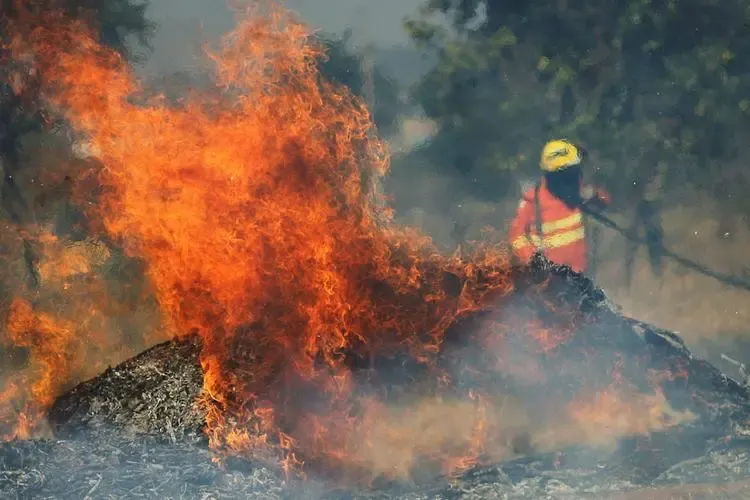
Firefighters said the fire has continued to spread since August 18, burning large areas of vegetation. The initial assessment is that the cause was human activity, and the source may have come from a highway near the park. Because the state has recently experienced dry weather, the fire was able to spread rapidly. It is reported that on August 19, Brazil's National Institute of Meteorology issued an orange low-humidity danger warning for São Paulo, Minas Gerais, Bahia, and other areas.
Moreover, the fire's impact has extended beyond Serra do Cipó Park to surrounding areas including the Espinhaço Range (Vale do Espinhaço) and the Morro da Pedreira Nature Reserve. As a result, the park has been closed to the public since August 19, with no date yet set for reopening.
It is understood that Minas Gerais, where the fire broke out, is Brazil's main coffee-producing state, accounting for 30% of the country's total coffee output. This fire is concentrated in Serra do Cipó National Park, an area rich in natural resources and surrounded by many coffee estates, which could potentially be affected by the blaze.
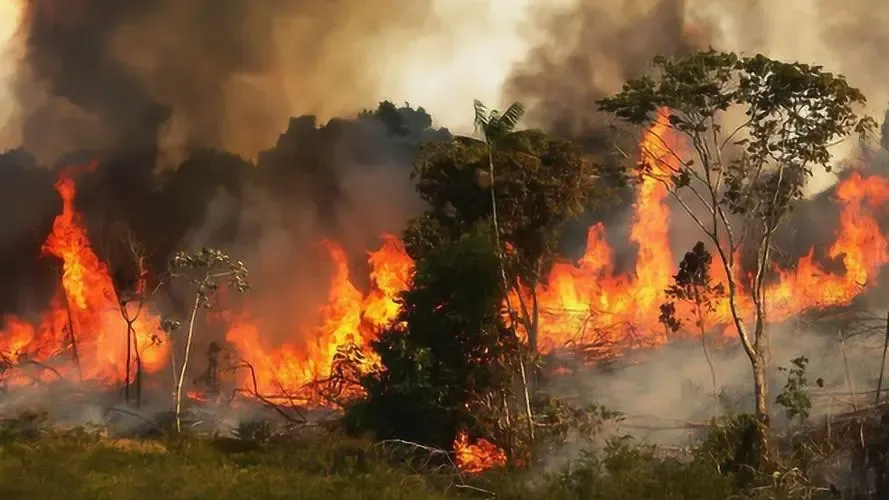
Spreading fire lines can directly scorch coffee trees, causing plants to die or suffer damage, which in turn drags down coffee quality and yield. At the same time, the soil may also degrade because of the fire, and lower fertility is detrimental to coffee tree growth. In addition, the ecological balance of coffee-growing areas will be disrupted, further affecting the growing environment for coffee trees.
However, data from Brazilian consultancy Safras shows that as of August 13, about 96% of Brazil's new coffee crop had been harvested, with the Robusta harvest fully completed and the Arabica harvest reaching 94%.
From this perspective, the impact of this fire on the current new crop may be relatively limited, but it will affect coffee production in the 2024/25 new crop season. After the fire, the region's climate and environmental quality will deteriorate, and combined with currently low air humidity, this is unfavorable for normal coffee tree growth; the upcoming La Niña weather may also further disrupt Brazil's climate, and next year's new crop output is expected to decline.
To learn more about coffee origin news and information, please scan the QR code to follow: Coffee Review
Long-press the QR code to follow:
The above content is compiled by CoffeeHunters, a coffee news website.


