







Search Results for: hot pour-over
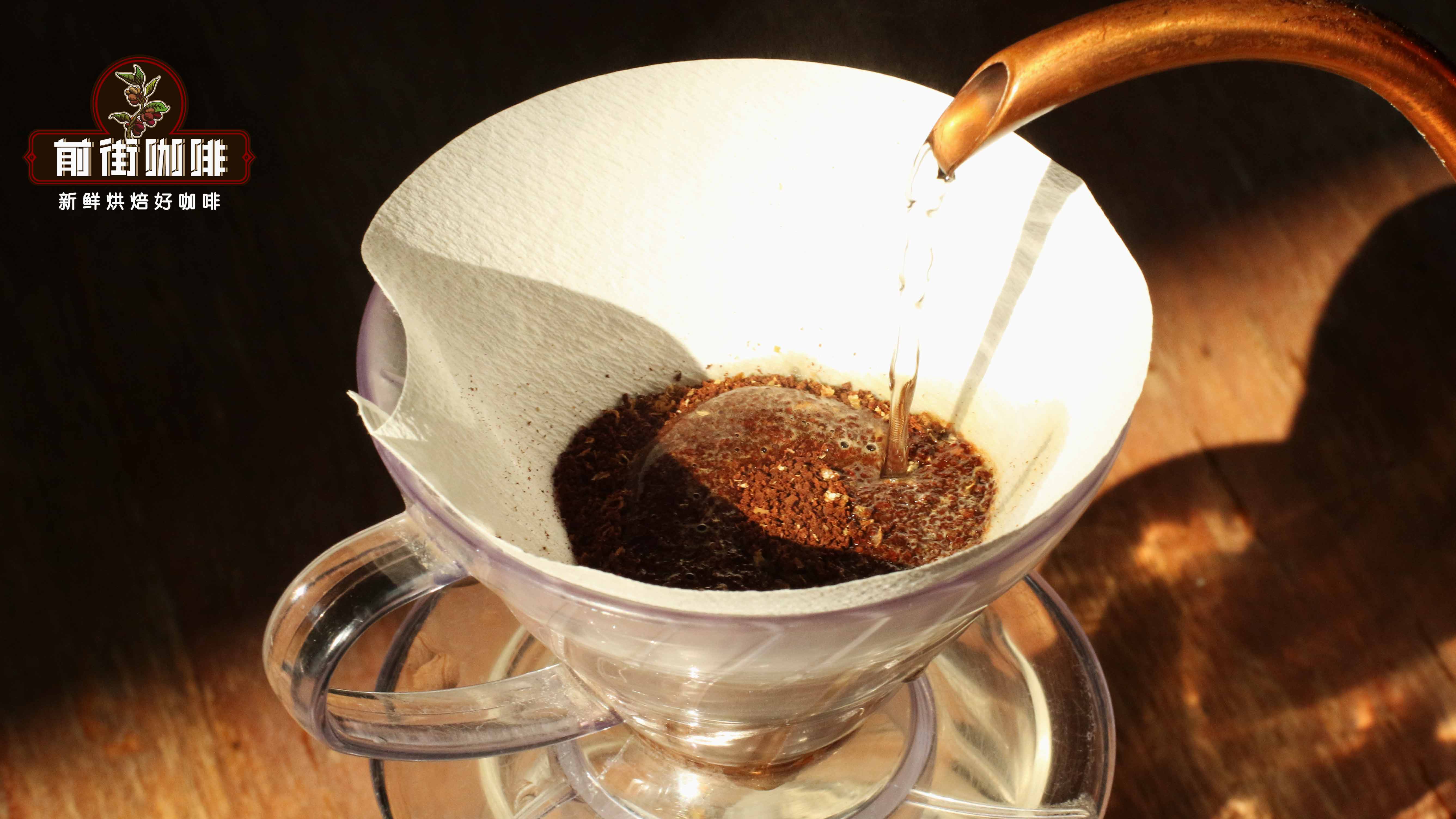
The Hot vs. Cold Pour-Over Coffee Debate: Why Choose Hot Brewing to Taste the Bean's True Flavor? The Principles of Japanese-Style Iced Pour-Over and Bean Selection Tips
Pour-over coffee, with its efficiency and convenience, has become a signature offering at many cafés. Brewed from the same bag of beans, hot and iced pour-over deliver completely different experiences. Drawing on everyday inquiries at Front Street stores, this article breaks down the differences between hot pour-over and Japanese-style iced pour-over in terms of grind size, water temperature, coffee-to-water ratio, and other parameters, explaining why hot pour-over has the edge when pursuing complete flavor, while also acknowledging the strengths of iced pour-over in cleanliness and refreshing crispness. At the end, it organizes pour-over bean recommendations from Front Street suited to different taste preferences—including Xizhua, Huakui, Strawberry Candy, as well as PWN Golden Mandheling, Queen's Estate, and Bird of Paradise—to help enthusiasts choose according to their needs. [more…]

The Hot vs. Cold Debate in Pour-Over Coffee: Why Hot Brewing Reveals a More Complete Flavor Layering
In the world of pour-over coffee, the choice between hot and cold drinks often sparks discussion. Many baristas recommend hot pour-over, not because iced pour-over doesn't taste good, but because hot brewing delivers a more complete flavor experience. Drawing on the practices at Front Street Coffee, this article analyzes the principles by which iced pour-over, through cooling with ice, leads to dilution of concentration and reduced extraction efficiency, and uses comparative experiments to demonstrate the actual gap between hot and iced brewing in aroma and flavor. At the same time, the article also explores the possibility of adjusting parameters to enhance the flavor of iced pour-over and the risks involved, helping coffee enthusiasts understand the characteristics of different brewing methods so they can make choices better suited to their own needs. [more…]

Can iced pour-over coffee be brewed directly with ice water? A detailed explanation of the extraction principles and parameters of Japanese-style iced pour-over and hot pour-over
Many people, when first encountering iced pour-over, have this thought: since hot americano uses hot water and iced americano uses ice water, then if hot pour-over uses hot water, shouldn't iced pour-over just use ice water directly? This idea sounds reasonable, but pour-over extraction is far from that simple. This article will first clarify the underlying logic of extraction, then explain why brewing with ice water is theoretically feasible but almost no one actually does it in practice, followed by an analysis of the relationship between Japanese-style iced pour-over and hot pour-over, complete parameters from Front Street Coffee for both hot and iced brewing, and finally a real result from an ice water brewing experiment, for coffee enthusiasts' reference. [more…]
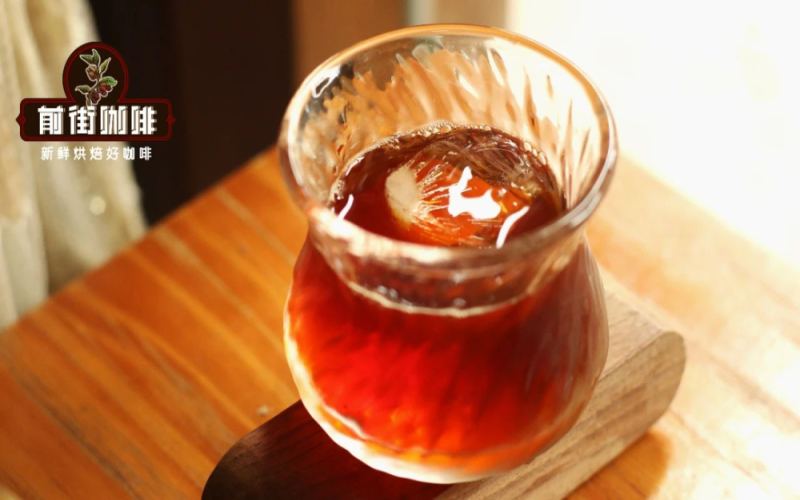
How Is Iced Pour-Over Different from Hot Pour-Over? Coffee-to-Water Ratio, Brewing Logic, and Front Street Coffee Bean Recommendations
As temperatures rise, the choice between iced pour-over and hot pour-over has become a topic of interest for many coffee lovers. The same bean, brewed as a hot drink or a cold drink, takes on completely different flavor directions. Behind this lie two different brewing logics: hot pour-over uses a full coffee-to-water ratio to extract and showcase the bean's original layers; iced pour-over reduces the water amount, increases extraction efficiency, and then relies on ice cubes to dilute and cool it down. Understanding these differences can help you more accurately judge how a bean is best brewed. This article will compare brewing principles, flavor expression, aroma characteristics, and more, and will also include Front Street's bean list recommendations for different taste preferences, so you can still enjoy the cup you love even in the heat of summer. [more…]
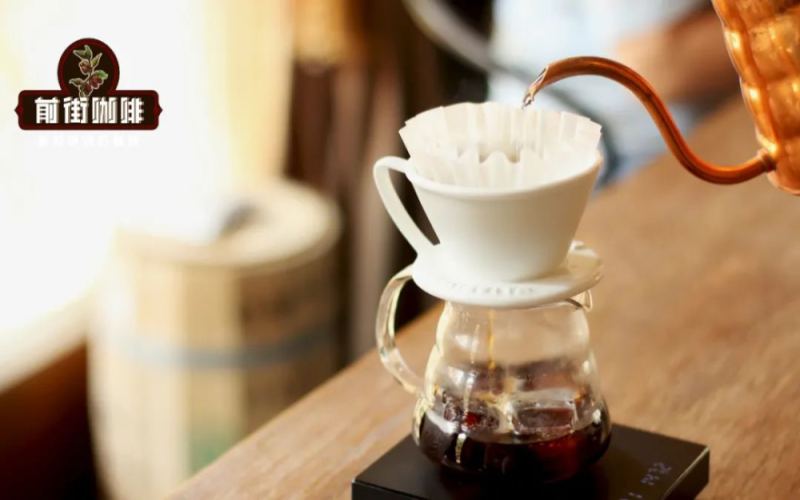
A Complete Analysis of the Flavor Differences Between Iced and Hot Pour-Over: Which Coffee Beans Are Better for Iced Brewing?
During the National Day holiday, many coffee enthusiasts visited the shop to buy coffee beans and also asked Front Street about a common confusion: the same beans, when brewed as hot pour-over, have excellent aroma and taste, but when made into iced pour-over, the flavor becomes vague, the mouthfeel is thin, and it even tastes like water. Why exactly is this? Front Street selected four coffee beans with different styles and conducted hot pour-over and iced pour-over extractions respectively, comparing them from the three dimensions of aroma, flavor, and mouthfeel. This article will take washed medium-light roast, natural medium-light roast, dark roast, and fermented beans as examples, presenting the true performance of each under the two brewing methods one by one, and deeply analyze the reasons why iced pour-over flavor becomes weaker. Finally, it will give suggestions for selecting coffee beans suitable for making iced pour-over, helping everyone enjoy a rich yet refreshing iced coffee even in hot weather. [more…]
Why Does Iced Pour-Over Coffee Taste Weaker? A Comparative Analysis of Hot and Cold Extraction with Four Different Coffee Bean Styles
Both are pour-over coffees, but just how big is the difference in taste between the hot version and the iced version? Many coffee enthusiasts have noticed that certain beans, when brewed hot, are full of aroma and layered with complexity, yet once turned into iced pour-over, they become as bland as water. To get to the bottom of this, Front Street Coffee selected four coffee beans with distinctly different profiles and brewed each as both hot pour-over and iced pour-over, comparing them one by one across three dimensions: aroma, flavor, and mouthfeel. This article not only presents the detailed comparison results, but also starts from the principles of extraction to explain why iced pour-over tends to lose flavor, and offers advice on selecting coffee beans suitable for making iced pour-over. [more…]

Analysis of Hot vs. Cold Flavor Differences in Pour-Over Coffee: Which Coffee Beans Are Better for Iced Pour-Over?
Front Street's store bean list is extensive, and many customers face a dilemma after choosing their coffee beans: should they make a hot pour-over or an iced pour-over? What exactly is the difference in flavor between the two? This article starts from Front Street's actual brewing parameters, analyzes the construction logic of iced pour-over, and conducts a hot-versus-cold comparison using four representative coffee beans—Ethiopia TOH Uraga, Papua New Guinea Bird of Paradise, Indonesia Golden Mandheling, and Colombia Flower Moon Night—evaluating them across three dimensions: aroma, flavor, and mouthfeel. The results show that hot pour-over generally has the advantage in aroma richness and layering, while iced pour-over is more popular in summer thanks to its cold-drink appeal. The article also points out that light-roast and anaerobic-process coffee beans are more suitable for making iced pour-over, while medium-dark roast beans are not very suitable. [more…]

Iced Pour-Over Coffee Bean Selection Guide: Flavor Differences Between Hot and Iced Brewing and Front Street Coffee's Recommended Bean List
In the heat of summer, iced pour-over coffee becomes the top choice for many coffee lovers. But not all coffee beans are suitable for iced brewing, and there are clear differences in flavor and mouthfeel between hot pour-over and iced pour-over. Starting from Front Street Coffee's actual brewing methods, this article compares in detail the differences between iced pour-over and hot pour-over in grind size, coffee-to-water ratio, water temperature, and pouring technique, and uses three beans—Front Street Ethiopia Huakui, Brazil Queen's Estate Yellow Bourbon, and Indonesia Golden Mandheling—for flavor comparisons. It also sorts out the types of coffee beans suitable and unsuitable for making iced pour-over, and recommends standout beans such as Front Street Ethiopia TOH Washed Champion Bean Huaxu, Front Street Strawberry Candy, Front Street Blackberry, Front Street Colombia Sidra, and Front Street Big Belly, helping you choose the right beans in summer and make a clean, refreshing cup of good coffee. [more…]
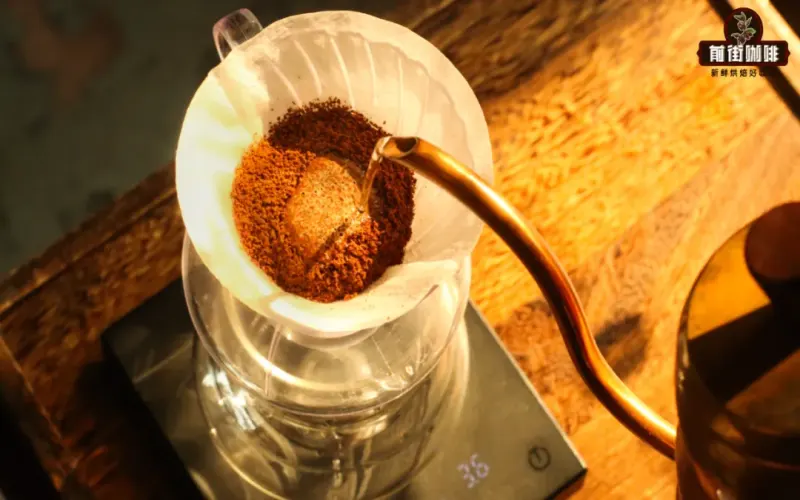
An Analysis of Flavor Differences Between Hot and Iced Pour-Over Coffee: A Professional Tasting Comparison from Temperature to Brewing Parameters
When buying coffee beans at a coffee shop or a Front Street location, many coffee enthusiasts ask the same question: for single-origin pour-over coffee, is it better hot or iced? Why is the flavor of hot pour-over coffee often more intense and prominent than iced pour-over? This article will start from the effects of coffee temperature on taste bud perception and aroma volatilization, deeply analyze why hot drinks make it easier to taste flavor, and at the same time explain the special adjustments in brewing parameters for iced pour-over—how operations such as reducing the amount of water, increasing the ratio of grounds to ice, and grinding finer affect the final flavor performance. The article also takes Front Street Ethiopia Huakui as an example, separately presenting a comparison of tasting results between hot brewing and iced brewing, to help readers fully understand the respective flavor characteristics and suitable scenarios of the two brewing methods. [more…]
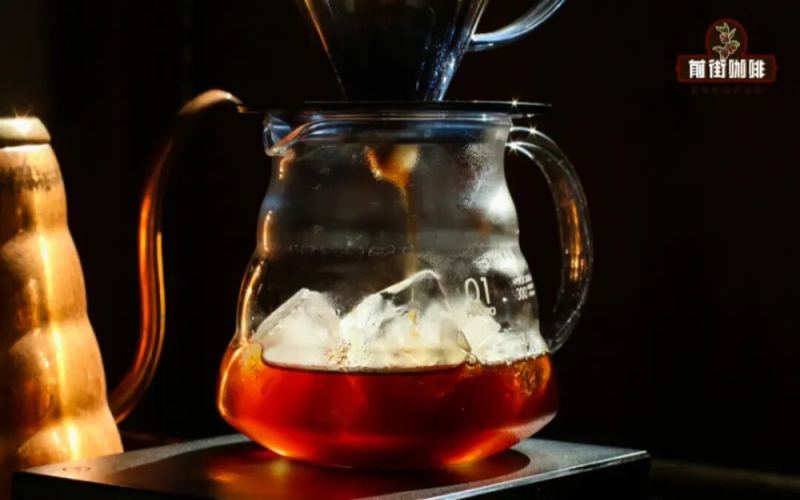
Secrets to Making Iced Pour-Over Coffee: A Comprehensive Guide to Water Temperature, Coffee-to-Ice Ratio, Grind Size, and Pouring Techniques
On a hot summer day, a glass of iced pour-over coffee brings a refreshing treat. But many people end up with an iced pour-over that tastes weak and lacks aroma. So how exactly do you make an iced pour-over with full, rich flavor? This article lays out four key techniques—from the coffee-to-water-to-ice ratio and grind size adjustments to pouring technique and ice selection—to help you avoid common pitfalls. Drawing on everyday brewing experience, Front Street Coffee offers specific parameter recommendations and a universal formula, so whether you're a beginner or an advanced enthusiast, you'll find a practical reference plan that makes iced pour-over more than just hot pour-over with ice added. [more…]
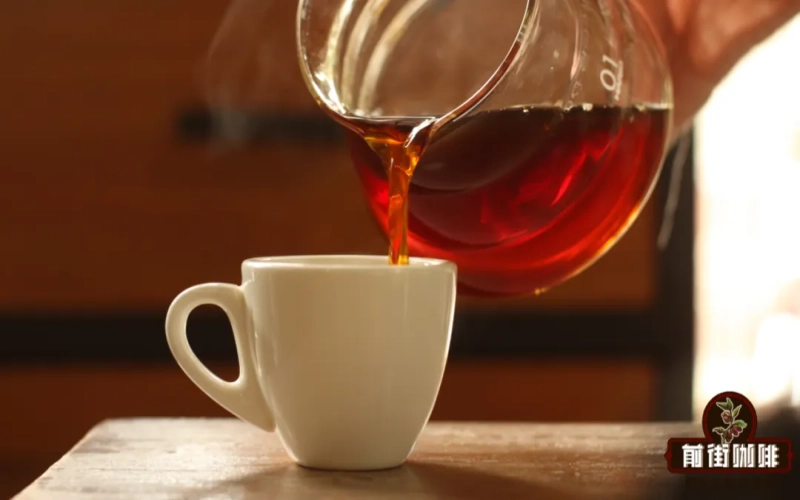
The Hot vs. Iced Pour-Over Coffee Dilemma: From Coffee-to-Water Ratio and Water Temperature to Grind Size, Exploring the Real Reasons Behind Flavor Differences
Should pour-over coffee be enjoyed hot or iced? Many coffee lovers hesitate when making this choice. Front Street Coffee has always recommended: if you want to experience a fuller flavor profile, it's best to choose hot pour-over. This article uses a comparative experiment, using the same coffee beans and brewing method, changing only the coffee-to-water ratio and grind size, to intuitively demonstrate the differences between hot pour-over and iced pour-over in extraction yield, flavor layering, and mouthfeel. The article lists the specific parameters for hot pour-over and iced pour-over in detail, analyzes the impact of water volume and grind size on extraction, and explains why iced pour-over requires parameter adjustments, why coffee shops charge extra for iced pour-over, and why you should drink it hot if you want to enjoy the flavor. [more…]
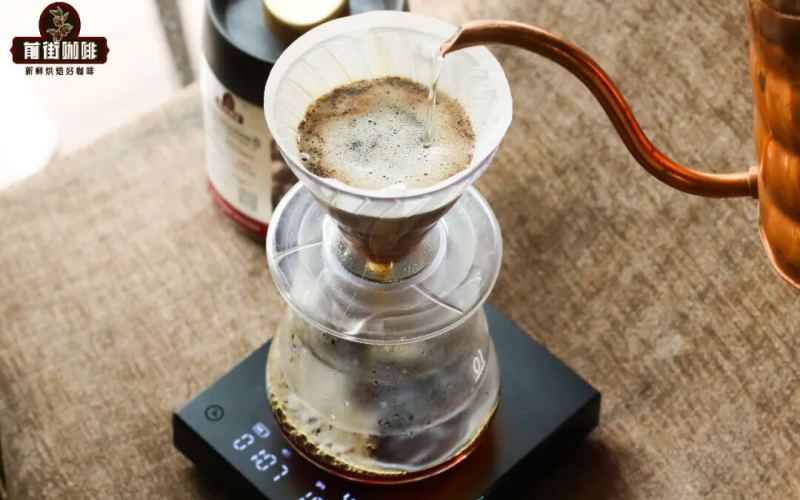
Pour-Over Coffee Tasting | Why Not Add Ice Directly to Hot Pour-Over Coffee? How to Adjust Brewing Parameters for Iced Pour-Over?
Many friends, when ordering pour-over coffee in a café, will prioritize the hot brew method, because as everyone knows, if we want to experience a relatively complete flavor profile in pour-over coffee, then hot brewing is absolutely the best choice. But when the weather is too hot, we always find it hard to [more…]
What's the difference between hot pour-over and iced pour-over? A detailed comparison from parameters and extraction yield to flavor performance.
Should pour-over coffee be enjoyed hot or iced? Many people hesitate when ordering. Front Street uses a set of side-by-side comparison experiments, from brewing parameters, coffee-to-water ratio, and grind size adjustments to the final extraction yield and flavor performance, to visually demonstrate the core differences between hot pour-over and iced pour-over. The article also explains why iced pour-over requires less water and a finer grind, as well as the logic behind coffee shops charging extra for iced pour-over. If you also want to understand the relationship between flavor completeness and temperature, this comparison will give you a clear answer. [more…]
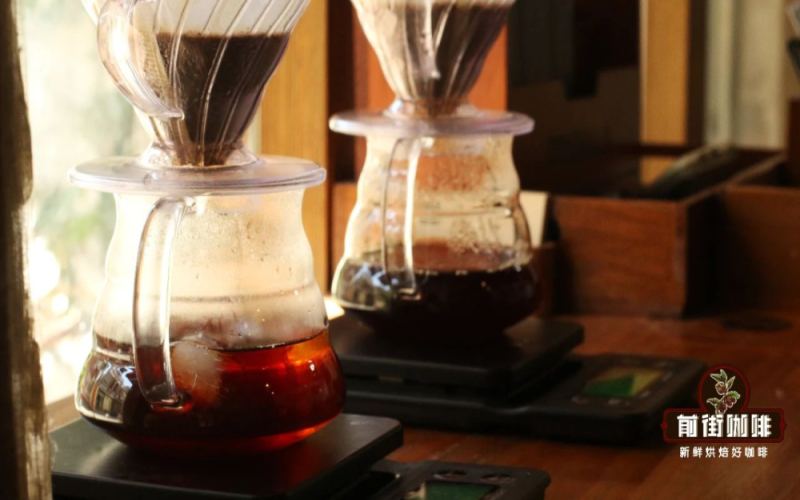
Iced Pour-Over Coffee Brewing Guide: Grind Size, Coffee-to-Water Ratio, and Key Differences from Hot Pour-Over
On a hot summer day, iced coffee becomes the top choice for many people to beat the heat. Although cold brew and ice drip offer outstanding flavor, they take a long time, so making a fresh cup of iced pour-over is undoubtedly a more convenient option. Many coffee enthusiasts, when watching baristas at cafés, are often curious about the coffee dose, ice-to-water ratio, water temperature, and pouring technique. Front Street Coffee has summarized a simple and practical iced pour-over formula for you: coffee grounds (fine grind) paired with 10 times hot water and 5 times ice. Compared with hot pour-over, iced pour-over requires adjusting the grind size to extend extraction because less hot water is used, avoiding insufficient flavor. This article will explain in detail the complete process and key parameters of iced pour-over, helping you easily recreate café-level iced pour-over at home. [more…]
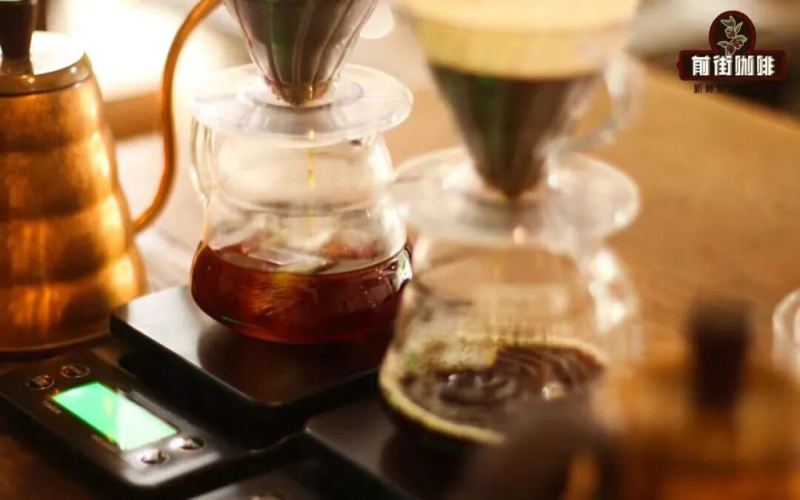
Coffee Brewing | What are the differences in brewing parameters between iced pour-over coffee and hot pour-over coffee? How can you make iced pour-over coffee rich and delicious?
After the typhoon passed, the temperature didn't drop but rose instead, and the air was filled with so much water vapor that everything around began to feel muggy and hot. Thanks to this, the iced coffee at Front Street Coffee's shop became "hugely popular" once again. Iced pour-over coffee in particular, since there's a much wider variety of coffee beans to choose from, is practically a "bestseller" that gets ordered at almost every table. [more…]
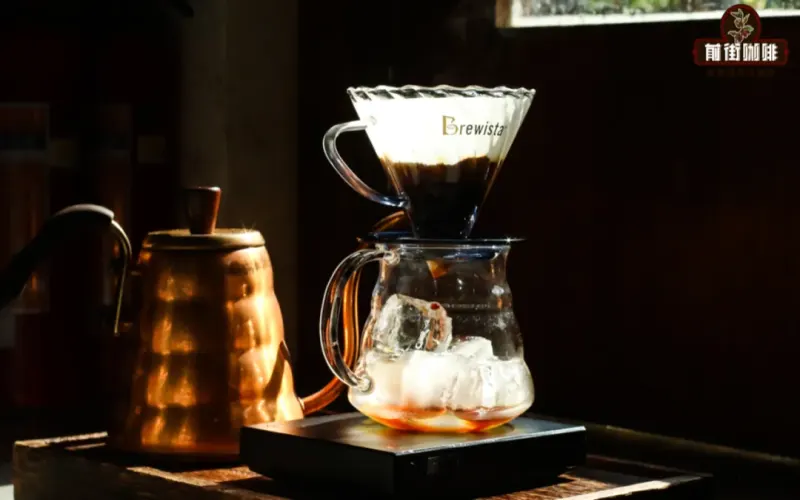
How much coffee powder should be used for iced pour-over? What exactly is the core difference between it and hot pour-over?
Many coffee shops price iced pour-over higher than hot pour-over, and the reason behind this is not that it is more laborious to make, but that it requires more coffee grounds. So why must iced pour-over use more grounds? And how exactly should the dose be adjusted? This article starts with the differences in parameters between hot and iced pour-over shared by Front Street Coffee, explaining the principle that iced pour-over reduces the amount of water poured and increases concentration to offset dilution from ice, while also explaining the flexible changes in the coffee-to-water ratio under different ice melting speeds, as well as the practical impact of adding more grounds on liquid volume and mouthfeel. At the end, it also includes buying considerations for iced pour-over coffee beans and Front Street Coffee's specific bean list recommendations, for friends who want to try it themselves. [more…]

How to Determine the Water-to-Coffee Ratio for Iced Pour-Over Coffee? An Analysis of Ice Placement Timing and a Complete Brewing Plan
Iced pour-over coffee, with its refreshing and palate-cleansing taste, has become a favorite among many coffee enthusiasts. But to make a delicious iced pour-over, the key lies in setting the water-to-coffee ratio and how you use the ice. Unlike hot pour-over, iced pour-over requires first extracting a highly concentrated hot coffee liquid, then diluting and cooling it with ice, so the coffee-to-water ratio, pouring amount, and ice quantity all need to be readjusted. This article will explain in detail the brewing approach for iced pour-over, suitable coffee bean choices, and the parameter scheme used by Front Street Coffee in actual practice, helping you easily recreate a cup of iced pour-over with complete flavor at home. [more…]
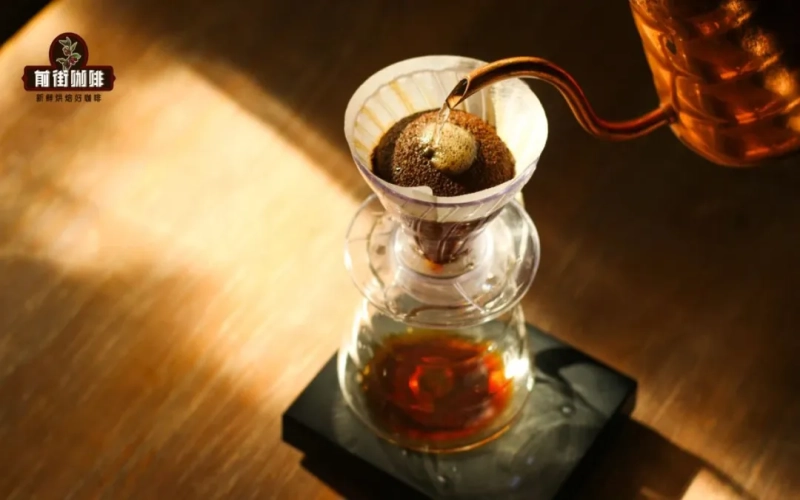
Analysis of Flavor Differences Between Hot and Iced Pour-Over Coffee: Extraction Yield, Water Temperature Ratio Parameters, and Tasting Experience Comparison
When tasting a new bean, why is it recommended to choose a hot brew first? This article delves into the flavor differences of black coffee made by pour-over, French press, siphon, and other methods under hot brewing and iced brewing from the perspectives of extraction yield, concentration, water temperature parameters, and so on. Taking pour-over coffee as an example, the article specifically compares the different settings of hot brewing and iced brewing in terms of coffee-to-water ratio, grind size, water temperature, and other parameters, and explains why iced brewing often requires sacrificing part of the extraction yield in exchange for higher concentration. At the same time, it also explores the influence of temperature on aroma, taste, and aftertaste, explaining why hot coffee can more fully present the complete picture of a bean. [more…]
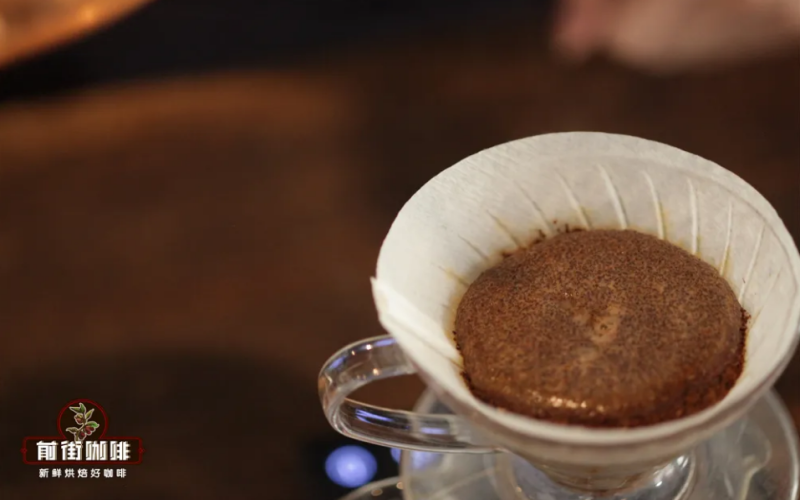
Analysis of Flavor Differences Between Hot and Cold Pour-Over Coffee and the Optimal Drinking Temperature
A cup of pour-over coffee reveals a completely different flavor perception at different temperatures. When hot, bitterness is suppressed and the sour-sweet notes stand out; at the medium-temperature stage, sweetness and the sweet aftertaste are at their fullest; once cooled, bitterness and acidity rise together while sweetness fades. Through comparative experiments, Front Street Coffee found that the reason hot pour-over has a more complete flavor comes down to ample water and full extraction. Iced pour-over, by contrast, requires less water and a finer grind to cool quickly, yet this easily brings out bitter, harsh off-notes from too many fines. Starting from parameter differences, experimental data, and tasting feedback, this article systematically explains why, if you want flavor, you should drink hot pour-over. [more…]
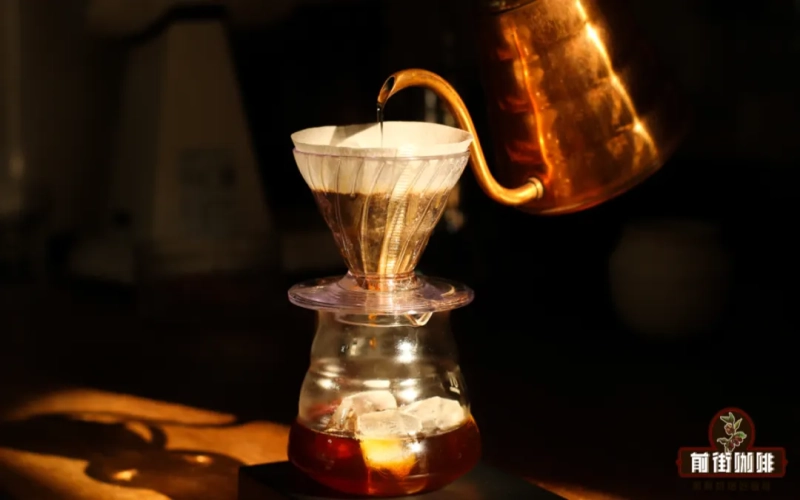
A Practical Guide to Making Iced Pour-Over Coffee at Home: Ice-to-Hot-Water Ratios, Grind Size Adjustments, and Key Stirring Techniques
Iced pour-over is not simply pouring hot coffee over ice; rather, it is an extraction method in which ice rapidly cools and moderately dilutes the coffee liquid, also known as "flash-chilled pour-over." To make a cup that is both refreshingly cold and rich in aromatic layers, you need to readjust parameters such as coffee dose, water volume, ice amount, grind size, water temperature, and timing. This article focuses on ice usage and application, the coffee-to-ice-to-water ratio, grind size adjustments, and two operational approaches—small-stream分段 and the stirring method—to help coffee enthusiasts make a balanced iced pour-over at home. It also provides specific references based on Front Street Coffee's commonly used parameters. [more…]