







Search Results for: history of dark roast
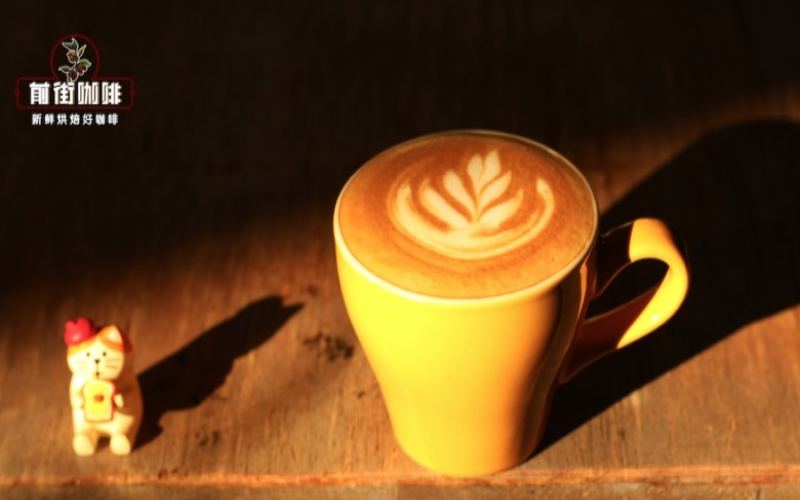
A Brief History of Latte and the Evolution of Bean Styles: A Century of Flavor Changes in a Milk Coffee
Latte is probably one of the most misunderstood coffees in the world—many people assume it is an everyday drink for Italians, but in fact the authentic milk coffee that Italians drink is the cappuccino on the breakfast table. The latte, with its "large quantity of milk" form, is a product that evolved after coffee emigrated to the United States. In this history of flavor evolution lies [more…]
Why Is SOE Generally More Acidic? The Espresso Evolution from the History of Blend Beans to the Specialty Coffee Wave
Why does most SOE taste sour? Behind this question lies the complete evolutionary history of espresso beans, from single origin to blends and back to single origin again. This article, from the perspective of Front Street, sorts out the causal relationship between SOE and blend beans: early espresso was itself SOE, and blend beans became mainstream due to cost and stability, until Erna Knutsen proposed the concept of specialty coffee and James Hoffmann promoted SOE in competitions, after which light-roasted single-origin beans entered the espresso domain. The article will also explain why beans such as Mandheling and Brazil still insist on dark roasting, as well as the commercial considerations behind coffee shops choosing medium-light roasted SOE. [more…]
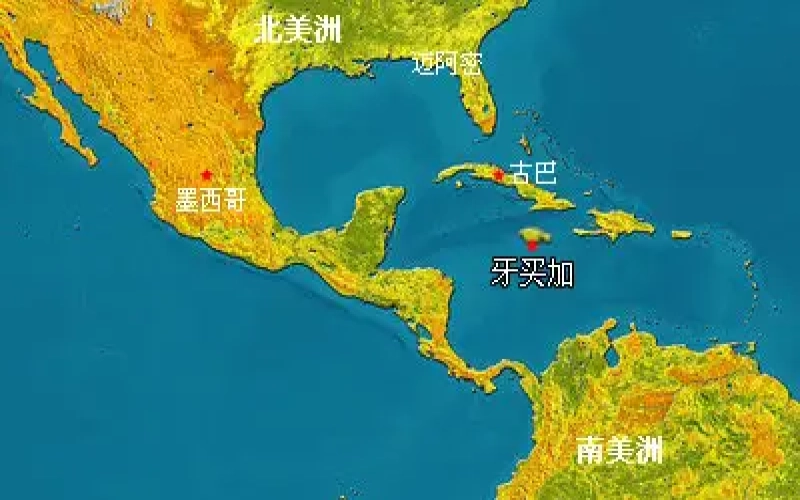
Jamaica Blue Mountain Coffee Pour-Over Flavor Analysis: Origin History, Varieties & Grades, and Brewing Recommendations
Jamaica Blue Mountain coffee is hailed as one of the finest coffees in the world, grown in the Blue Mountains in the eastern part of the Caribbean island of Jamaica. This article will guide you through the cultivation history of Blue Mountain coffee, the terroir of its origin, its strict grading system, as well as where to buy authentic Blue Mountain No. 1 coffee and pour-over brewing techniques. From its introduction in the eighteenth century to the aid agreement with Japan's UCC, and now to the increased quota in the Chinese market, the legendary story and unique flavor of Blue Mountain coffee are worth savoring by every coffee enthusiast. Front Street Coffee's house-roasted Blue Mountain No. 1 comes from Clifton Estate, using a medium-dark roast that presents classic notes of dark chocolate, nuts, and caramel. [more…]
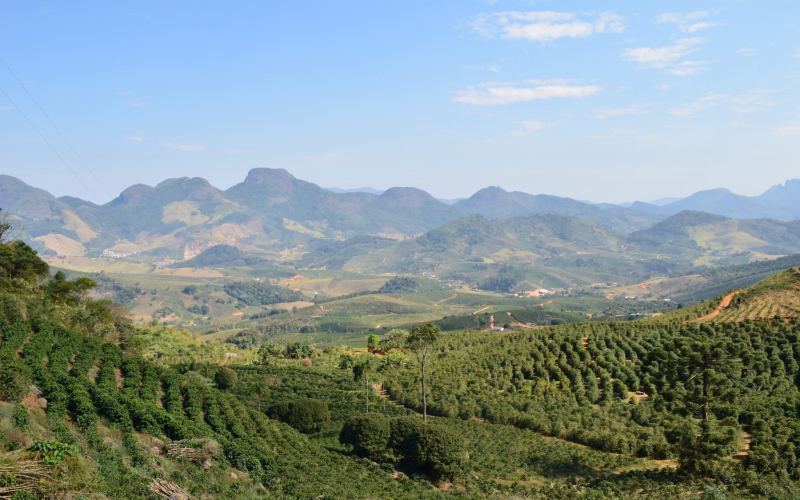
A Complete Analysis of Brazilian Coffee Bean Flavor Characteristics, Varieties, Grades, and Producing Regions: From Cultivation History to Brewing Suggestions
Brazil is the world's largest producer of Arabica coffee, contributing about 30% of the global Arabica bean supply each year, and fluctuations in its output directly affect international futures prices. From the first landing of Typica in 1727, to the full replacement by Bourbon varieties, and then to the formation of the three major specialty production regions of Minas, Bahia, and São Paulo, Brazilian coffee has traveled a unique path of evolution. This article will systematically review the cultivation history of Brazilian coffee, the differences among its main varieties, and its distinctive semi-washed processing method, and will also include detailed information on the two Brazilian beans currently sold by Front Street Coffee along with medium-dark roast brewing parameters, helping coffee lovers fully understand the flavor logic of Brazilian coffee's low acidity and mellow body. [more…]
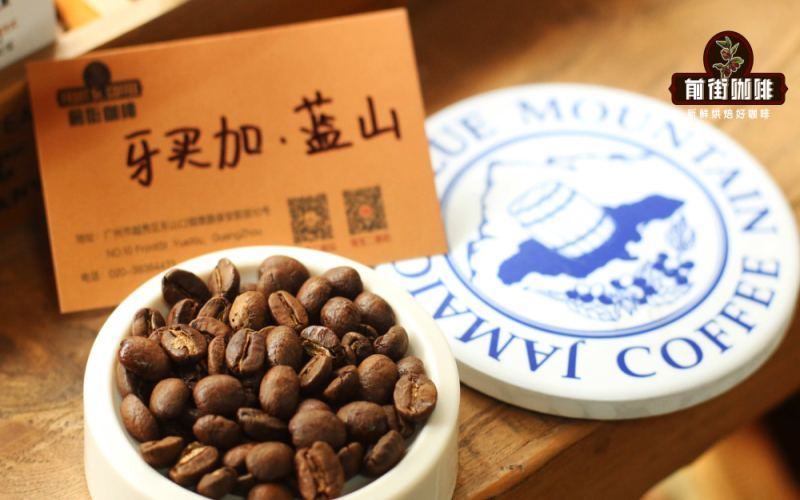
Jamaica Clifton Estate and Blue Mountain No. 1: A Full Analysis of Origin, History, Roasting, and Pour-Over Flavor
Jamaican Blue Mountain coffee, with its exquisite balance of aroma, body, and acidity, along with a unique round sweetness, has long been regarded by many coffee lovers as the epitome of top-tier coffee. The Blue Mountain region is strictly regulated by the Jamaica Coffee Board (CIB): only beans that meet the standards within specific administrative areas may bear the Blue Mountain name, and Blue Mountain No. 1 is the most commonly seen grade on the market. Among the many estates, Clifton Mount Estate is an ancient origin that is still in operation today, and it is also the only farm in Jamaica to obtain Rainforest Alliance certification. The Blue Mountain No. 1 sold by Front Street Coffee comes from this estate, and is roasted at a medium-dark level and brewed with a lower water temperature to showcase a balanced flavor of dark chocolate, nuts, and creamy smoothness. This article will provide a complete introduction to the grading of the Blue Mountain region, the history and current status of Clifton Estate, and Front Street's roasting approach and pour-over parameters. [more…]
From the Bitter Notes of Dark Roasts to the Fruity Acidity of Light Roasts: The Evolutionary History of Coffee Flavor Behind Geisha and Mandheling
These days, when you walk into a hand-brew coffee shop with a good reputation and order a single-origin coffee on a whim, chances are you'll get something with fruity acidity. Many people can't help but wonder: isn't coffee supposed to be bitter? This shift from bitter to sour didn't happen overnight—it was driven by a combination of factors including growing origins, roasting philosophy, brewing methods, and evolving consumer taste preferences. This article will trace the evolution of coffee roasting from dark to light, explore how classic beans like Blue Mountain, Geisha, and Mandheling perform at different roast levels, and answer an intriguing question: what exactly do a light-roasted Blue Mountain and a dark-roasted Geisha taste like? [more…]

What Makes Jamaican Blue Mountain Coffee Unique? A Complete Guide from Regional History to Flavor Grade
Since the expiration of the contract between Jamaica and Japan in 2008, Blue Mountain coffee has gradually come into the view of more coffee lovers. However, many people feel puzzled after tasting it: it seems to be just a smooth cup of dark-roasted coffee, so why does it enjoy such a lofty reputation? To understand the true value of Blue Mountain coffee, we need to return to its place of origin, the Blue Mountains of Jamaica, and sort through nearly three hundred years of cultivation history. From the introduction of Typica plants in 1728, to the industry's takeoff in 1790, and then to the dramatic turning point after the abolition of slavery in 1834, Blue Mountain coffee's rise to fame was no accident. This article will fully reconstruct this history, analyze the characteristics, grade positioning, and origin background of Blue Mountain coffee, and retain relevant recommendation information from the Front Street brand, taking you to rediscover this "King of Coffee." [more…]
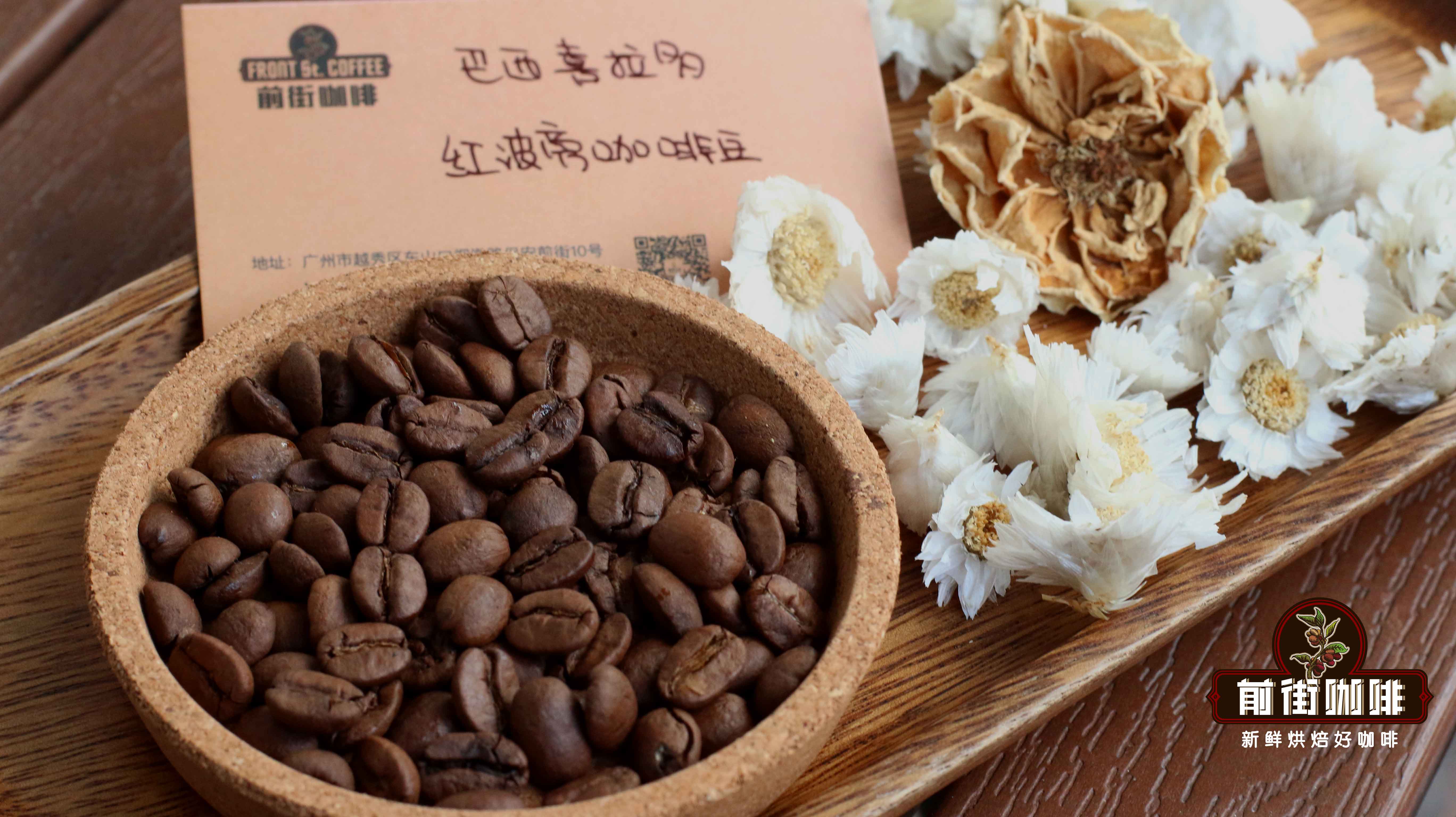
Analysis of Brazil Natural Low-Acid Coffee Flavors: From Cultivation History to Bourbon Variety and Pulped Natural Processing
Brazil, as the world's largest producer of Arabica coffee, is known for its coffee's low-acid, full-bodied flavor profile. Front Street Coffee currently offers two Brazilian coffee beans—Red Bourbon and Queen Estate Yellow Bourbon—both roasted to a medium-dark level to highlight nutty, chocolatey, and creamy smoothness. This article reviews the history of coffee cultivation in Brazil, explains the flavor differences between Red Bourbon and Yellow Bourbon, and introduces Brazil's unique semi-washed processing method, helping coffee enthusiasts understand the cupping performance and brewing key points of low-acid coffee. [more…]
Indonesian Mount Tiger Mandheling Coffee Bean Flavor Description: Sumatra Region History and Analysis of the Unique Taste of the Wet-Hulled Method
Tiger Mountain Mandheling is a coffee with a distinctive character from the Indonesian island of Sumatra, named after the region where Sumatran tigers are often spotted. Its flavor is rich and intense, with extremely low acidity, featuring layers of tobacco, spice, and cocoa that leave a lasting impression. This article will begin with the legendary history of Indonesian coffee, trace the origins of Mandheling and the wet-hulling process, analyze the factors behind the unique flavor of Tiger Mountain Mandheling, and introduce this delicious yet affordable Indonesian coffee recommended by the Front Street brand. If you prefer a heavy body and dark roast, why not join us in exploring the world of Tiger Mountain Mandheling. [more…]
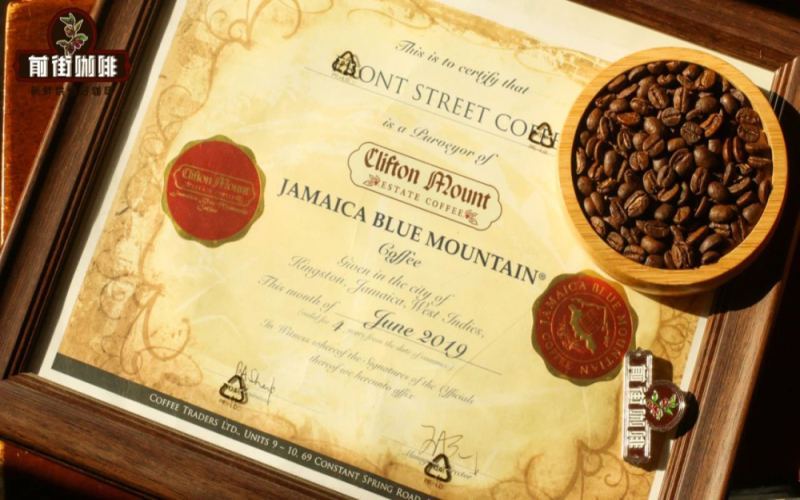
A Detailed Guide to Jamaican Blue Mountain Coffee Flavor and Pour-Over Brewing: Balanced Taste from Medium-Dark Roast to KONO Dripper
Jamaica Blue Mountain coffee, hailed as the "Emperor of Coffee," remains a legend in the hearts of many coffee enthusiasts to this day. What gives it the right to sit firmly on the throne of top-tier coffee? From its introduction to the Caribbean in the 18th century, the volcanic soil and misty climate of the Blue Mountains, to the CIB's strict demarcation of the growing region and an annual output of only about 900 tons, every link in the chain is steeped in scarcity. Front Street Coffee has this time sourced Blue Mountain coffee beans from Clifton Estate, using a medium-dark roast to bring out its balanced, mellow character. So, does Blue Mountain coffee actually taste good? Does a pour-over Blue Mountain count as black coffee? This article will take you through the history, growing region, certification, and brewing parameters to fully unpack this cup of coffee from the blue mountain ridge. [more…]
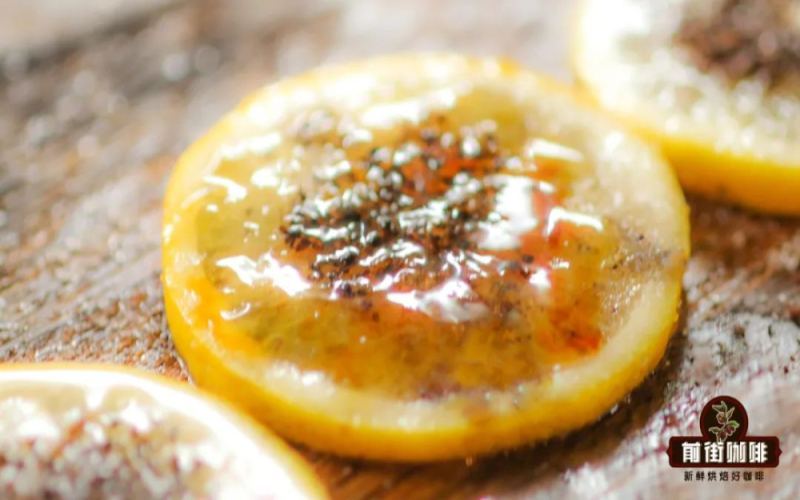
Lemon slices tutorial: From the history of Sicilian lemon cultivation to Mafia origins and coffee dessert pairings
Lemon slices with coffee powder is a minimalist coffee dessert made with just lemon slices, coffee powder, and granulated sugar. It became popular thanks to the Taiwanese variety show "Kangxi Lai Le," and rumor has it that it is connected to the Italian Mafia. Behind this dessert lies a piece of lemon-growing history from Sicily: in the 19th century, citrus fruits soared in value because they were rich in vitamin C. After Sicily switched to growing lemons, bandits were drawn to them, farmers hired the Mafia to guard the orchards, and lemon slices with coffee powder became a refreshing dessert for the night watchmen. In addition to sorting out this origin story, this article will also have Front Street Coffee share key preparation points, including removing lemon seeds, choosing dark-roast beans, the choice between yellow sugar and white granulated sugar, and an advanced way to eat it with a torch-caramelized finish. [more…]
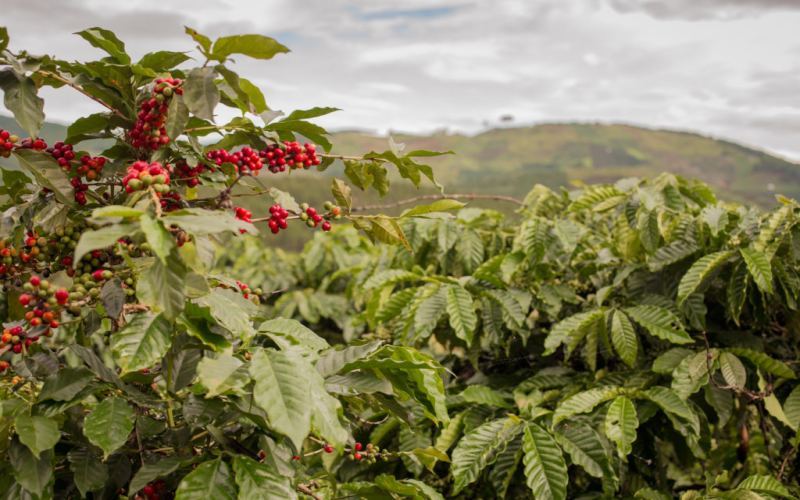
What Are the Similarities and Differences Between Colombian and Brazilian Coffee? A Comprehensive Analysis of the Flavor, Taste, and Origin History of Medium-Dark Roasted Beans
Colombia and Brazil are the two major coffee-producing countries in South America, and the Central and South American coffees on Front Street Coffee's bean list mainly come from these two origins. Both are often used as the base for espresso blends, and after medium-dark roasting they present low acidity, full body, pronounced nutty notes, caramel sweetness, and high body. Yet they also differ significantly in growing environment, flavor direction, historical origins, and production scale: Brazil has flat terrain and ranks first in the world in output, with Bourbon varieties predominant; Colombia sits amid the Andes Mountains and volcanic ash soil, and is known for washed Arabica. This article, from Front Street's perspective, sorts out their commonalities and differences, and presents the taste performance of the coffees of the two countries through brewing comparisons. [more…]
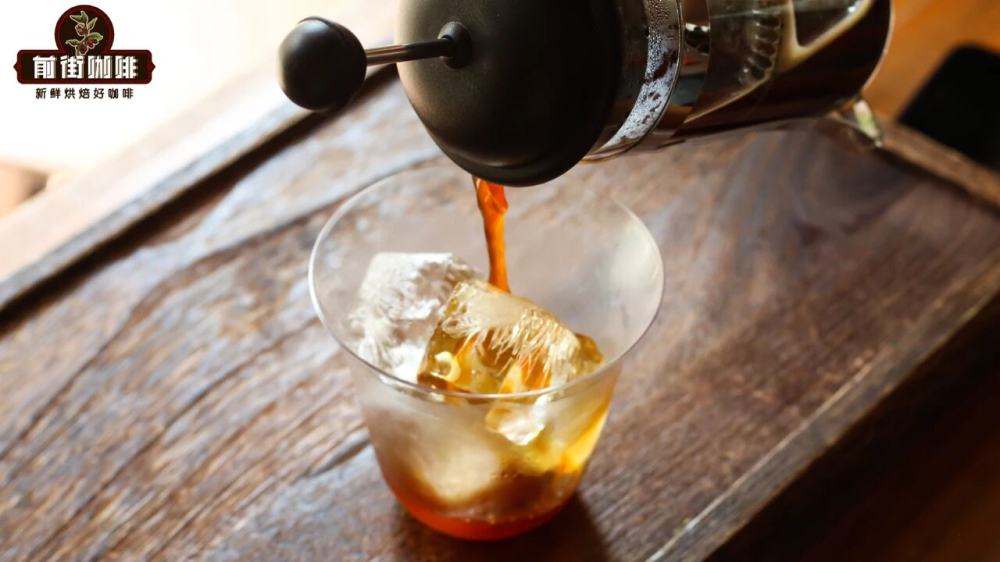
French Press Usage and Origin History | What Is the Extraction Principle of French Press Coffee? How Fine Should French Press Coffee Beans Be Ground? How to Use a French Press to Brew Sun-Dried Geisha Coffee Beans?
The history of the French press can be traced back many years, but there is much controversy over who exactly invented it. The first patent in history for a coffee brewing device similar to the modern French press was granted to an Italian from Milan named Attilio Callimani. Since [more…]
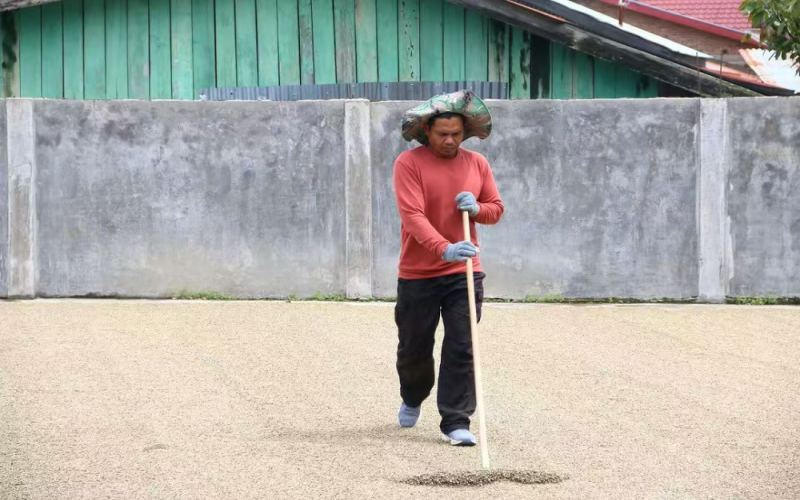
A Complete Analysis of Sumatra Coffee's Flavor and History: Indonesian Coffee Varieties, Wet-Hulling Processing Method, and an Introduction to Front Street Golden Mandheling
Indonesia is a globally significant coffee-producing country, known for its rich, full-bodied flavor with very low acidity, and a sweetness reminiscent of caramel and dark chocolate that particularly captivates Japanese coffee lovers. From the Dutch introduction of coffee in 1696, to the switch to Robusta after leaf rust destroyed Arabica, and now to the three major regions of Sumatra, Java, and Sulawesi each with their own distinctive character, Indonesian coffee has gone through a tumultuous history. This article will guide you through the development history of Indonesian coffee, its growing environment, main varieties, the unique wet-hulling process, and the flavor characteristics and brewing parameters of Sumatra Mandheling, Kopi Luwak, and Java coffee. Front Street Coffee will also share recommendations and brewing suggestions for products such as PWN Golden Mandheling. [more…]
The Origin of the Mantenin Coffee Name and Its Producing Region's Planting History, Flavor Characteristics, and Front Street Golden Mantenin Brewing Recommendations
Mandheling is a perennial staple on café menus, but many people are puzzled when they first encounter it: with its herbal flavor notes and dark bean surface, does it taste like Chinese medicine? In fact, a high-quality Mandheling, with proper roasting and extraction, can present a solid, mellow sweetness and a lasting finish rather than a burnt bitterness. This article begins with the misunderstanding surrounding the name "Mandheling," then reviews the cultivation history of the Sumatra producing region and the origins of the wet-hulled processing method, and introduces the grading standards and brewing parameters of Front Street Coffee's PWN Golden Mandheling, helping coffee lovers truly understand this bean. [more…]
Mandheling Coffee Flavor Analysis: From Sumatra's Planting History to Wet-Hulling and Golden Mandheling Tasting
Mandheling coffee, with its rich bitter tone and unique herbal spice aroma, still retains a loyal following even in today's era where acidic profiles are popular. From the perspective of Front Street Coffee, this article traces the origins of coffee cultivation in Sumatra and the evolution of its varieties, explains in detail how the region's unique wet-hulling process shapes Mandheling's deep, muted herbal and pine notes, and provides an in-depth introduction to the screening standards and grading system of PWN Golden Mandheling. At the same time, Front Street will share the bean-resting period, pour-over parameters, and brewing steps for medium-dark roasted Mandheling, guiding you through the full experience of this classic bitter coffee's layers and sweet aftertaste. [more…]
Exploring Colombian Coffee Flavor Characteristics and Cultural History: From Front Street Everyday Beans to Hacienda El Paraíso Cherry Blossom
Colombian coffee is famous for its classic dark chocolate-like flavor, and its soft fruity acidity and full-bodied mouthfeel make it a favorite among many veteran coffee lovers. From Jesuit priests bringing coffee seeds to this land in the 18th century, to the formation of a smallholder farming pattern after the Thousand Days' War, to the birth and growth of FNC, Colombian coffee has gone through a tumultuous history. Front Street Coffee's daily drinking bean series uses washed beans from the Huila region to showcase the classic chocolate flavor, while Hacienda El Paraiso's Cherry Bean uses a double anaerobic washed process to deliver surprises of basil, rosemary, and strawberry jam. This article takes you through the past and present of Colombian coffee and the code to its flavor. [more…]
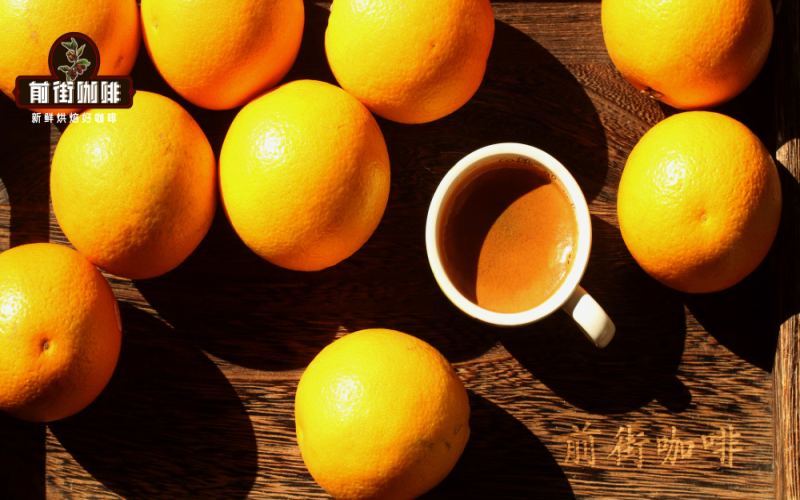
Lemon Meets Espresso: The Recipe, History, and Brewing Details of Rome's Caffè al Limone
The fresh acidity of lemon is often used to describe coffee flavors, but in Italy, lemon is an actual ingredient added to espresso. This drink, called Espresso Romano, originated in the Campania region of southern Italy, initially to neutralize the burnt bitterness of low-quality dark-roasted coffee beans. Lemon juice provides fruity acidity, sugar softens the sharpness, ultimately creating a cup of espresso that is sweet and sour, with whiskey aroma and caramel sweetness. This article will start from the historical origins and provide a detailed breakdown of the Espresso Romano recipe, including the extraction parameters of Front Street Coffee's Warm Sun blend, the two ways of adding lemon, and how to adjust the amount of lemon juice and sugar according to the roast level. [more…]
A Complete Guide to Jamaica Blue Mountain No. 1 Clifton Estate: Flavor Characteristics, Certification System, and Brewing Key Points
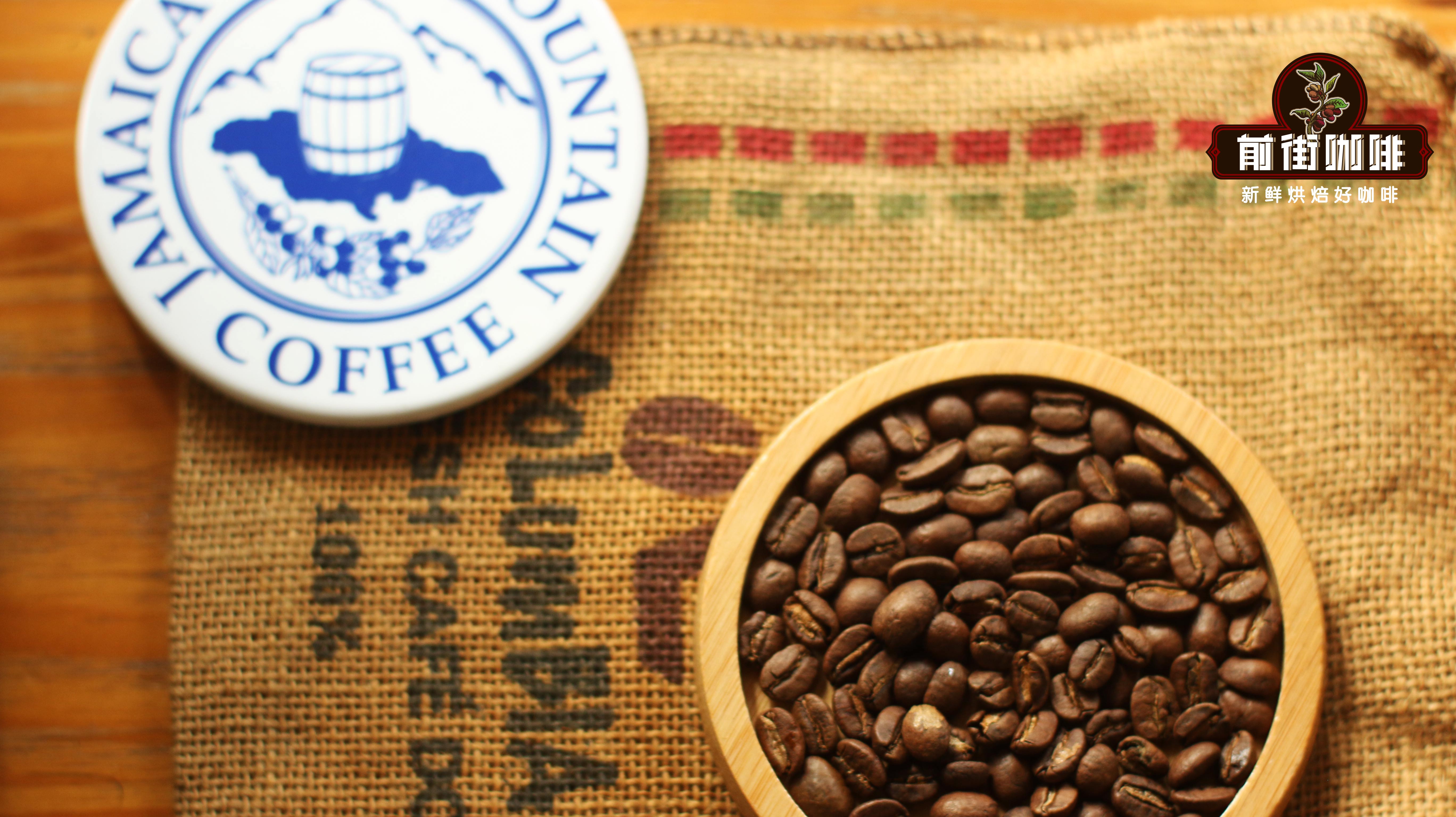
Jamaican Blue Mountain coffee is one of the most renowned specialty coffees in the world, prized for its scarce yield and high price, with Blue Mountain No. 1 from Clifton Estate being especially highly regarded. The Blue Mountain coffee beans selected this time by Front Street Coffee come precisely from this estate, which has a two-hundred-year history and is the only Blue Mountain estate in Jamaica to have obtained Rainforest Alliance certification. This article will systematically review the historical origins and growing-region conditions of Blue Mountain coffee, introduce the respective characteristics of Jamaica's four major Blue Mountain estates, explain in detail the washed processing flow and the barrel-packaging tradition, and describe the certification system for Blue Mountain coffee. In addition, Front Street Coffee will also share a medium-dark roast profile and a Kono dripper brewing recipe for this bean, helping coffee lovers fully appreciate its full, balanced, mellow body and its layered flavors interwoven with chocolate and nuts. [more…]
Why Is Yunnan Coffee Called Small-Bean Coffee? A Full Analysis of Its Regional History and Specialty Flavor Brewing
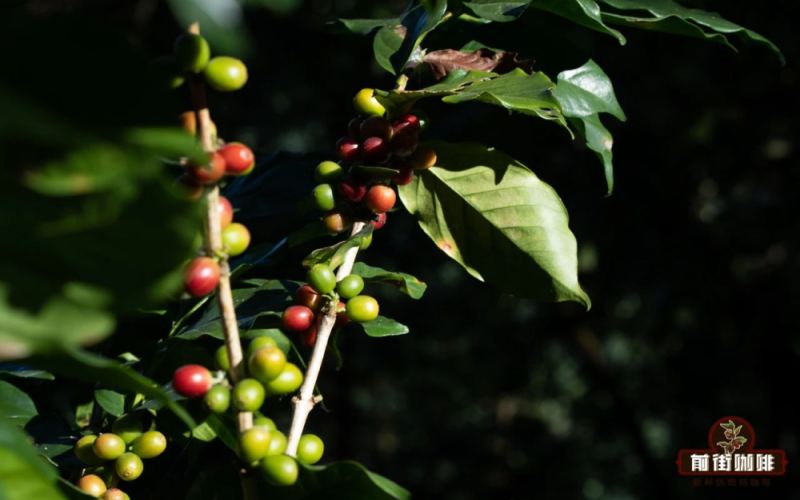
Among the three major species in the Coffea genus, Arabica is called small-fruit coffee because its fruit is relatively small, and this is precisely the origin of the name Yunnan small-bean coffee. This article will start from species classification, review the introduction history and main growing regions of Yunnan small-bean coffee, and, drawing on Front Street Coffee's cupping experience, analyze its neutral taste profile—aromatic without bitterness, rich without harshness, and pleasantly mild in acidity. At the same time, the article will also introduce the three Yunnan coffee beans currently sold by Front Street, as well as the V60 brewing parameters and specific pouring techniques designed for medium-dark roast levels, to help enthusiasts recreate a balanced and gentle cup of Yunnan small-bean coffee at home. [more…]