







Today, walking into a reputable pour-over coffee shop and casually ordering a single-origin coffee, chances are you'll taste something with fruity acidity. Many people can't help but wonder: isn't coffee supposed to be bitter? This shift from bitter to sour didn't happen overnight—it was driven by a combination of factors including origin cultivation, roasting philosophy, brewing methods, and evolving consumer taste preferences. This article will trace the evolution of coffee roasting from dark to light, discuss how classic beans like Blue Mountain, Geisha, and Mandheling perform at different roast levels, and answer an intriguing question: what exactly do light-roasted Blue Mountain and dark-roasted Geisha taste like?
If you hear someone nearby describing a drink as "floral, fruity acidity, honey sweetness, tea-like..." they're almost certainly talking about the flavors in the cup of coffee they're holding.
Today, it's hard to say exactly what "coffee flavor" should taste like. Walk into any decent café and order a pour-over, and chances are you'll get something with a sour taste. So many people quietly wonder: "Am I out of touch, or why is all coffee sour these days?"
The shift in coffee flavor from bitter to sour, from monolithic to diverse, actually reflects the end of one era and the beginning of another. The industry conventionally uses the year 2000 as the dividing line: before 2000, dark-roasted bitter coffee dominated; after 2000, light-roasted sour coffee gradually took over. Of course, this division is just for ease of understanding—in reality, the change in roast levels was a gradual process, not an overnight switch from bitter to sour. It involved a complex interplay of adjustments in origin cultivation, updates in roasters' understanding, shifts in brewing trends, and migrations in consumer taste preferences, all of which together shaped today's coffee landscape. Front Street Coffee will explore these factors and discuss why almost all coffee beans today have a sour taste.

Later, the drum roaster was invented, using the rotation of the drum to heat the coffee beans more evenly—this marked the birth of true coffee roasting equipment. Between 1870 and 1920, Germans improved upon the semi-hot-air drum roaster, laying the hardware foundation for roasting technology. However, the dark-roast philosophy was already deeply rooted in the minds of roasters at the time, and "roasted to second crack" was the accepted standard of that era.
In this environment, Blue Mountain coffee ascended to the throne of coffee king thanks to its outstanding quality. Early Jamaican coffee quality was actually inconsistent; in 1950, the local Coffee Industry Board was established to uniformly manage the processing and grading of Blue Mountain coffee. Combined with Japanese investment and aid to improve Blue Mountain quality, it stood out uniquely at the time. Even dark-roasted Blue Mountain coffee can still display a clean taste—bitter without being burnt, rich without being harsh, very pleasant to drink. This was partly due to its solid quality, partly due to its scarcity, and partly thanks to the Japanese people's excellent marketing, which made even non-coffee-drinkers know that Blue Mountain is synonymous with good coffee.
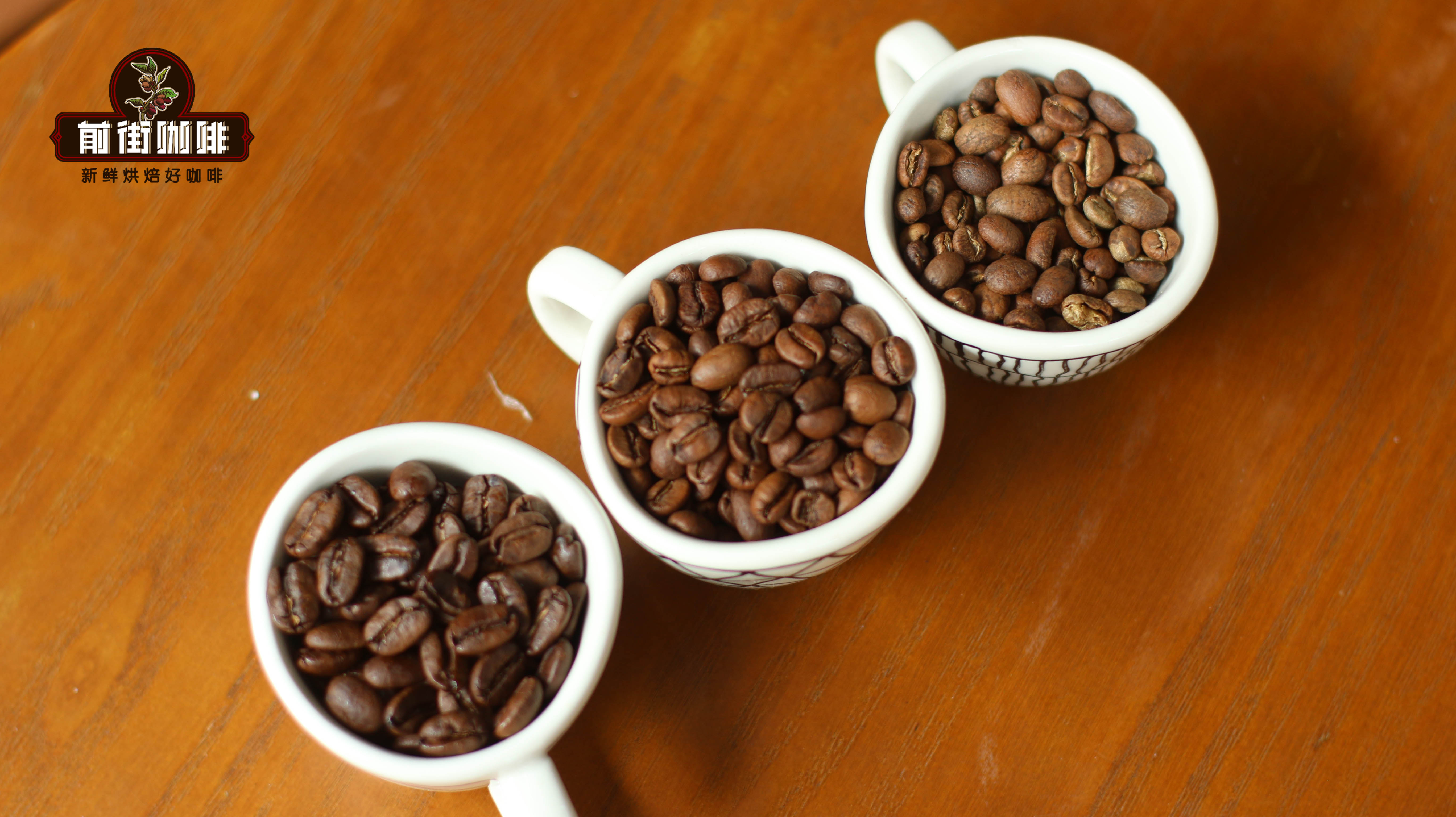
With the support of high-quality coffee beans, roasters were able to rethink their roasting direction. Around 2000, well-known American brands like Intelligentsia, Counter Culture, and Stumptown lowered their roast levels and promoted medium-light roasting. These coffees still retained the chocolate and nutty bitterness of traditional coffee, but added fruity acidity, creating a sharp contrast with the dark-roasted coffee that came before. Going even further were Nordic roasters, who adopted high-heat fast roasting, dropping the beans within two minutes after first crack began, resulting in extremely light roasts that produced espresso with incredibly rich fruity acidity.
From 2000 to 2010, various roast levels flourished side by side: the old-school dark roasts of Europe and America, the new American medium-light roasts, the Nordic ultra-light roasts, and the distinctive Japanese roasting style—all exchanged ideas and influenced one another.
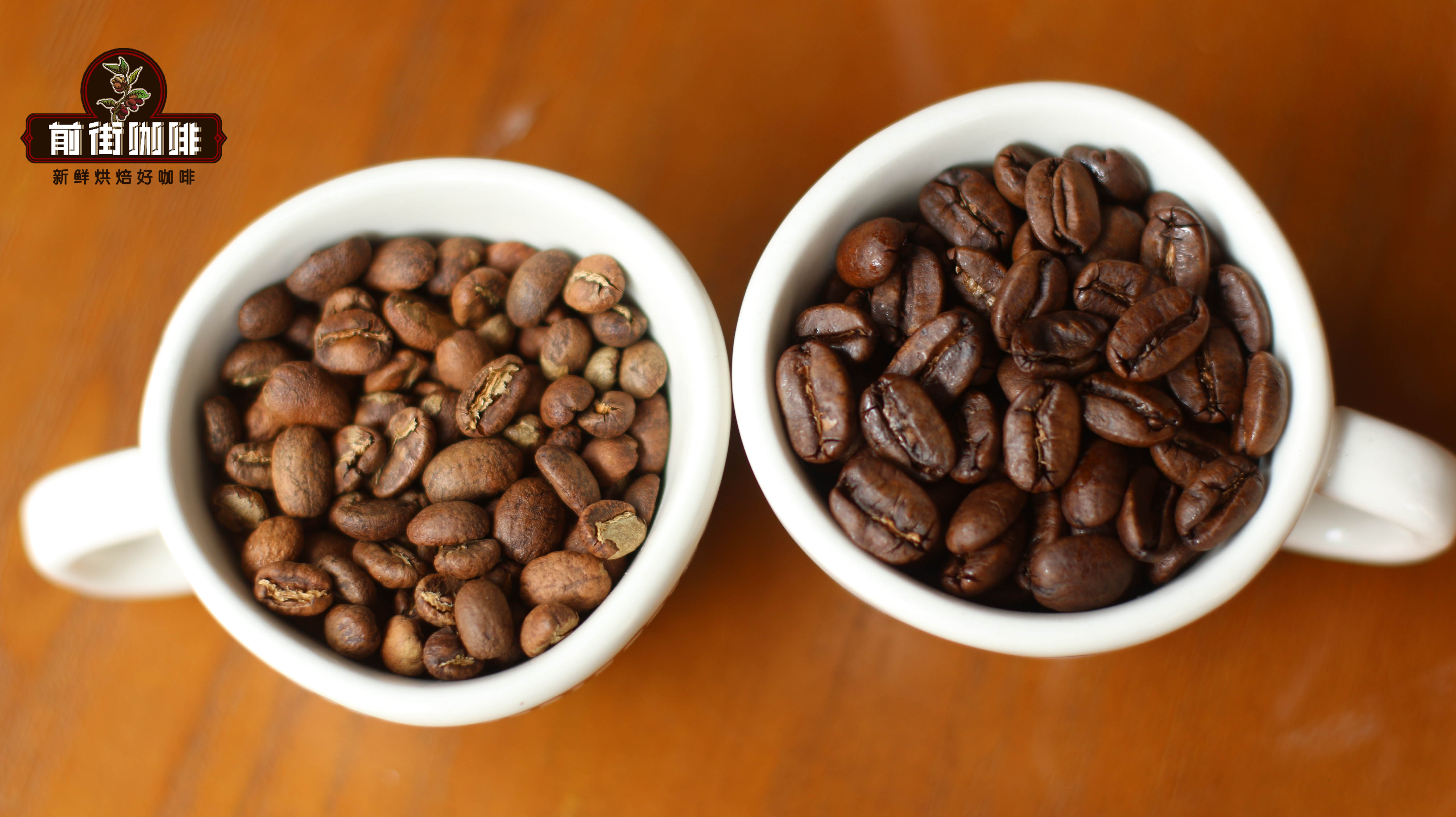
As these kinds of cafés open in greater numbers, it's easy to get the illusion that "sour coffee is everywhere." In reality, even in the world of pour-over coffee, sourness isn't the only option—classic medium-dark roasts like Blue Mountain, Mandheling, and Brazil remain enduringly popular.
Finally, my friend said: "I want to taste what light-roasted Blue Mountain coffee and dark-roasted Geisha coffee actually taste like!!!"
The above content is compiled by CoffeeHunters, a coffee news website.


