







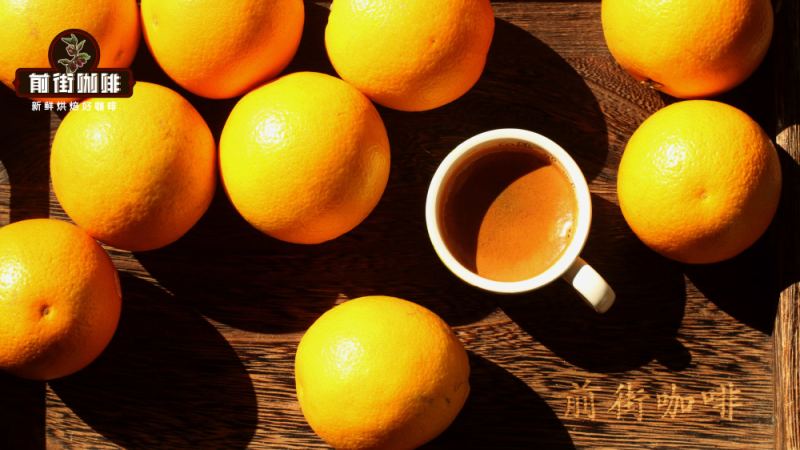
The fresh acidity of lemon is often used to describe coffee flavors, but in Italy, lemon is an actual ingredient added to espresso. This drink, called Espresso Romano, originated in the Campania region of southern Italy, initially to counteract the burnt bitterness of low-quality dark-roasted coffee beans. Lemon juice provides fruity acidity, while granulated sugar softens the sharpness, ultimately creating a cup of espresso that is sweet and sour, with whiskey aroma and caramel sweetness. This article will start from its historical origins and provide a detailed breakdown of the Espresso Romano recipe, including the extraction parameters of Front Street Coffee's Warm Sun Blend, the two ways to add lemon, and how to adjust the amount of lemon juice and sugar according to the roast level.
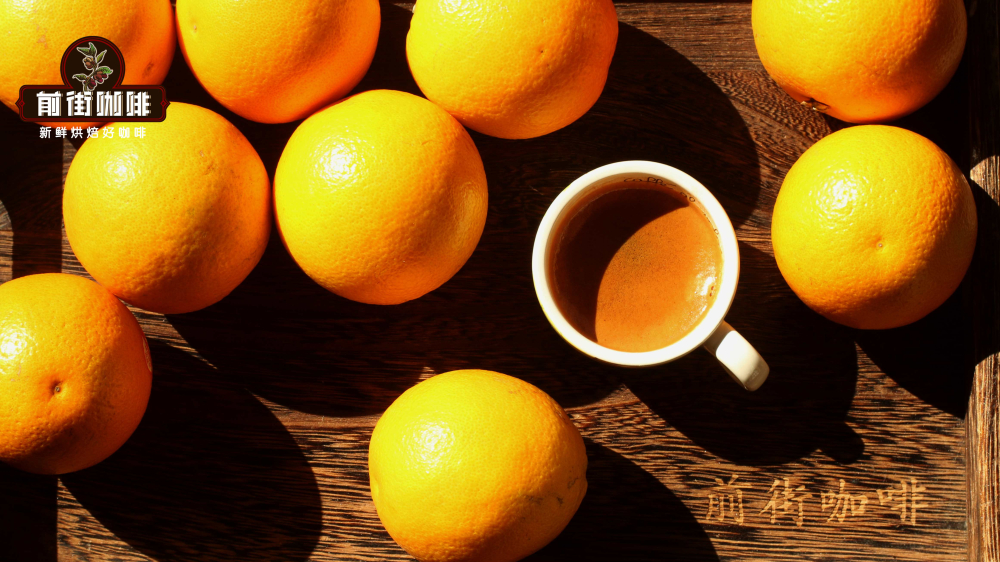
Lemon is a fruit with a refreshing aroma but very sharp acidity. In the flavor language of coffee, the description "lemon" also frequently appears. When we drink a single-origin coffee and perceive bright, uplifting acidity and a fresh aroma, we usually use "lemon" to summarize this flavor.
However, this description is ultimately just an association. In Italy, the birthplace of the espresso machine, there indeed exists an espresso that actually incorporates lemon. It involves directly squeezing in lemon juice, allowing people to genuinely taste the fresh fruity acidity of lemon in the coffee—this is Italy's "Espresso Romano."
The Origin of Espresso Romano
Ever since Italians invented the espresso machine and the moka pot, coffee has become integrated into their daily lives. However, at that time, Italy had just experienced an economic crisis and was also bearing the impact of a world war. Forced by reality, they could only use low-quality dark-roasted coffee beans to make coffee.
The stimulation and burnt bitterness brought by such beans were very intense, and many people found this impactful flavor hard to accept, so they began trying to add other ingredients to the coffee to balance the bitterness.
(This image is for reference only)
Flavors influence and blend with each other. When one flavor is stronger than others, it weakens the expressiveness of the other flavors, turning them into supporting roles. Therefore, sourness, sweetness, and saltiness can all suppress bitterness. The Campania region of southern Italy happens to be abundant in lemons, and thus the practice of adding lemon to espresso came into being. (This also leads to a rumor: although the name contains "Roman," this coffee was likely not invented in Rome.)
Although citric acid can reduce the stimulating bitterness, too strong an acidity becomes a new problem, so people thought of using granulated sugar to neutralize it. Ultimately, in addition to lemon, granulated sugar also became an essential component of Espresso Romano.
To this day, this espresso is still popular in southwestern Italy. Although the name may differ from place to place, the method is basically the same. Next, let's take a look at how to make this cup of Espresso Romano.
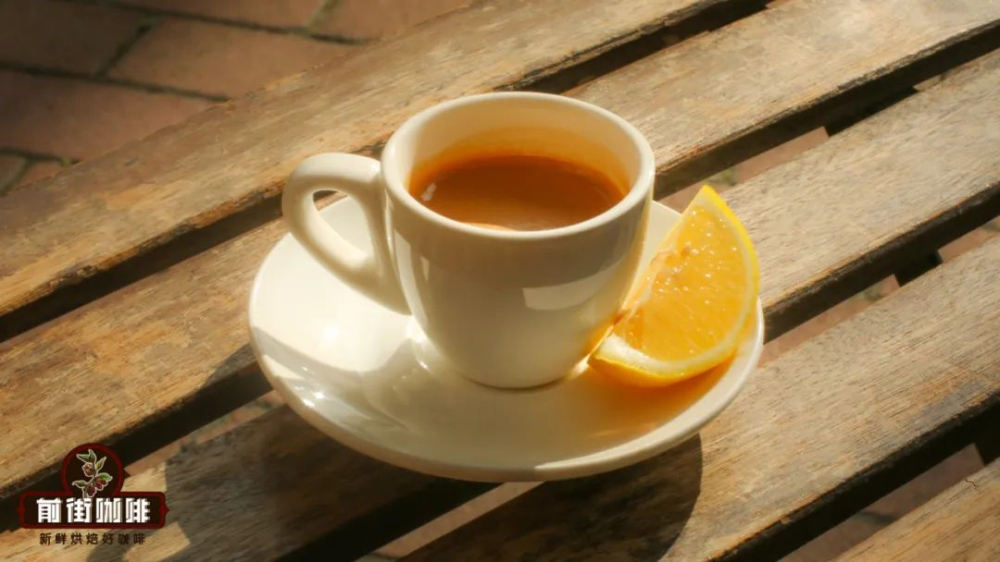
Espresso Romano
The ingredients needed are very simple: one shot of espresso, one piece of lemon, and 10g of granulated sugar.
The espresso can be extracted according to standard parameters as usual. The extraction parameters are as follows: use 20g of Front Street Coffee's Warm Sun Blend coffee beans, a coffee-to-water ratio of 1:2, and an extraction time of 30 seconds.
After the espresso is extracted, pour it into a cup containing granulated sugar.
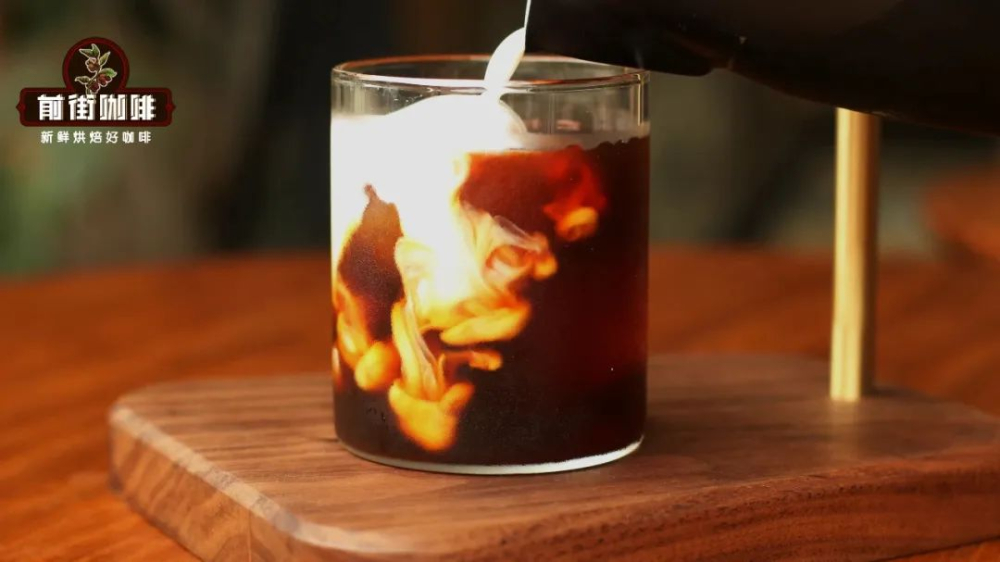
Then you can choose between two ways to add lemon: one is to squeeze the lemon juice directly; the other is to put a piece of lemon into the cup and let the warm espresso draw out the lemon juice.
The difference between the two lies in the amount of lemon juice. Specifically, you can choose based on the roast level of the coffee: the darker the roast, the more lemon juice is needed (and the sugar should be increased accordingly). The beans used by Front Street are the medium-dark roasted Warm Sun Blend, whose bitterness is not prominent, so not much lemon juice is needed to neutralize it—4ml is sufficient.
After making it, stir the espresso so that all substances are mixed evenly, and it is ready to drink.
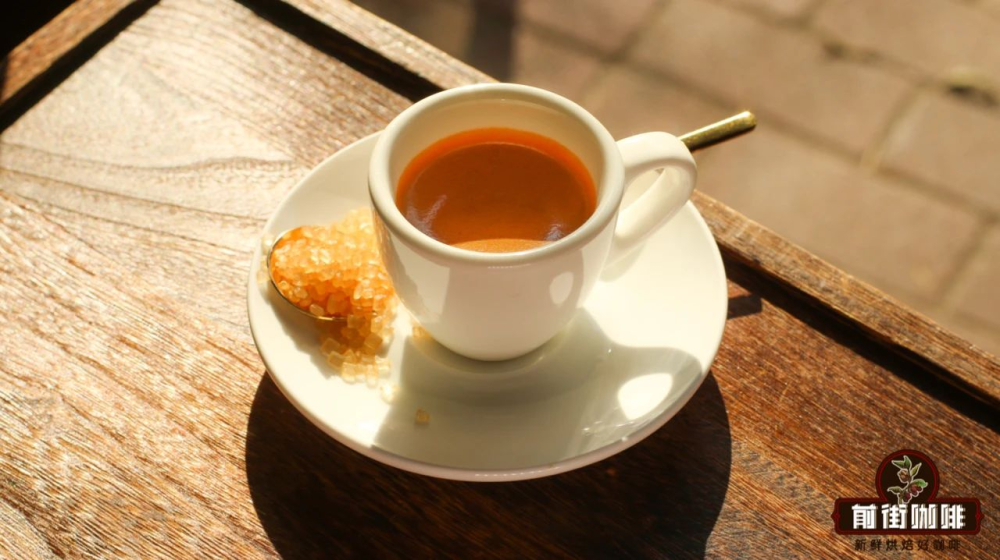
This cup of Espresso Romano is truly quite good when properly balanced. The bitterness of the espresso is suppressed by the sourness, and the sharp acidity is softened by the granulated sugar. Overall, it drinks as a sweet and sour espresso, with flavors of whiskey aroma, butter cookie, and caramel sweetness. Friends who like sour flavors can give it a try; those who don't like sour flavors are better off just looking.
The above content is compiled by CoffeeHunters, a coffee news website.


