








What Kind of Sugar Do You Put in Coffee for Lemon Zha Pian?
Lemon zha pian is a simple coffee dessert made from lemon slices, coffee grounds, and sugar. Both yellow sugar and white granulated sugar work, and the choice mainly affects color and how quickly the sugar dissolves. Key steps include removing the lemon seeds to avoid bitterness and using dark-roasted coffee beans for a fuller flavor.
The dessert is often linked to Sicilian history, where citrus farming drew bandits and farmers hired the Mafia to guard orchards. Night watchmen are said to have eaten lemon zha pian as a refreshing snack. For a more advanced version, a torch can caramelize sugar on top of the lemon slice before serving.
Lemon Zha Pian is a minimalist coffee dessert that requires only lemon slices, coffee grounds, and granulated sugar. It became famous because of the Taiwanese variety show "Kangxi Lai Le," and rumor has it that it is connected to the Italian Mafia. Behind this dessert lies a piece of Sicilian lemon-growing history: in the 19th century, citrus fruits soared in value because they were rich in vitamin C. After Sicily switched to growing lemons, bandits began to covet the orchards, farmers hired the Mafia to guard them, and lemon zha pian became the night watchmen's refreshing dessert. In addition to sorting out this origin story, this article will also share key preparation points from Front Street Coffee, including removing lemon seeds, choosing dark-roasted beans, the choice between yellow sugar and white granulated sugar, and an advanced way to eat it with a torch-caramelized topping.
What exactly is the connection between lemon zha pian and the Mafia?
The reason this coffee dessert became widely known is that a variety show in China's Taiwan province, "Kangxi Lai Le," introduced it. On the show, it was mentioned that it had some connection to the Italian Mafia, but the documentary records that can actually be found are very limited. However, if we follow a period of Sicilian history, we may be able to roughly reconstruct how this matter came about.
Before the 19th century, lemons were mainly used for decoration and as a raw material for perfume. This yellow fruit, with only a sour and astringent taste, was something almost no one was willing to experience with their tongue.
The large-scale outbreak of scurvy changed people's view of lemons, or rather, changed people's view of all citrus fruits. Citrus fruits are rich in vitamin C, and this discovery made them the most sought-after fruit category in 19th-century Europe. Sicily, which had originally focused on growing grapes, wheat, and olives, also followed the trend and switched to lemons. As expected, lemons brought Sicily considerable cash income for many years afterward.
Unfortunately, the good times did not last long. The huge profits of the lemon trade attracted all kinds of lawless people—thieves and robbers alike set their sights on this industry. On nights when the lemons ripened, these predatory figures would sweep the orchards clean, and the farmers' years of hard work would vanish in an instant. At that time, Sicily happened to be under the occupation of the army from the Italian mainland, and this special background gave rise to the emergence of the Mafia. Gradually, Sicilian farmers began hiring the Mafia to guard their lemon groves, and the connection between lemons and the Mafia was thus established.
It is not hard to imagine how lemon zha pian became tied to the Mafia. It was once the dessert the Mafia favored most. After all, when you have to guard a lemon grove through the long night, it really makes no sense not to have a refreshing and tasty dessert on hand. Now, let Front Street introduce exactly how to make this lemon zha pian.
How to Make Lemon Zha Pian
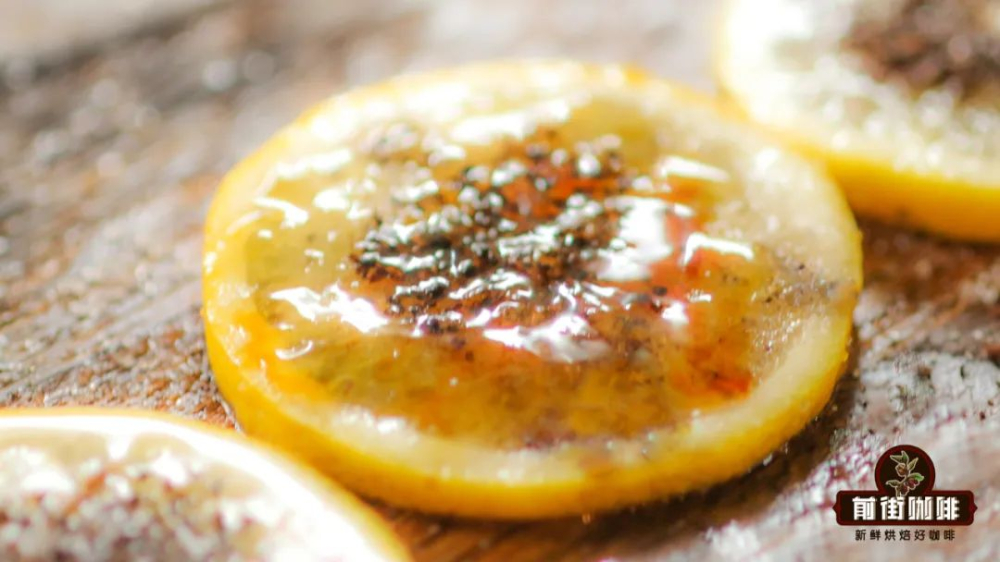
This is not clickbait—the method for making lemon zha pian really is extremely simple! So simple that you can understand the general process just by looking at the cover image.
Lemon slices, coffee grounds, granulated sugar—put these few things together, and a delicious lemon zha pian is complete. Of course, knowing how to make it is one thing, and making it well is another. There are still some finer points when it comes to choosing ingredients.
About the lemon:
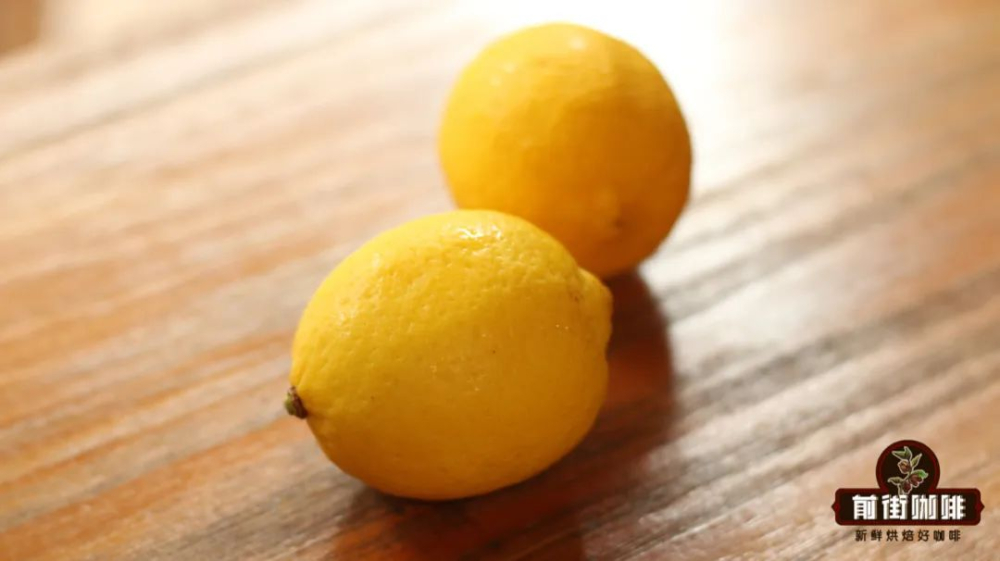
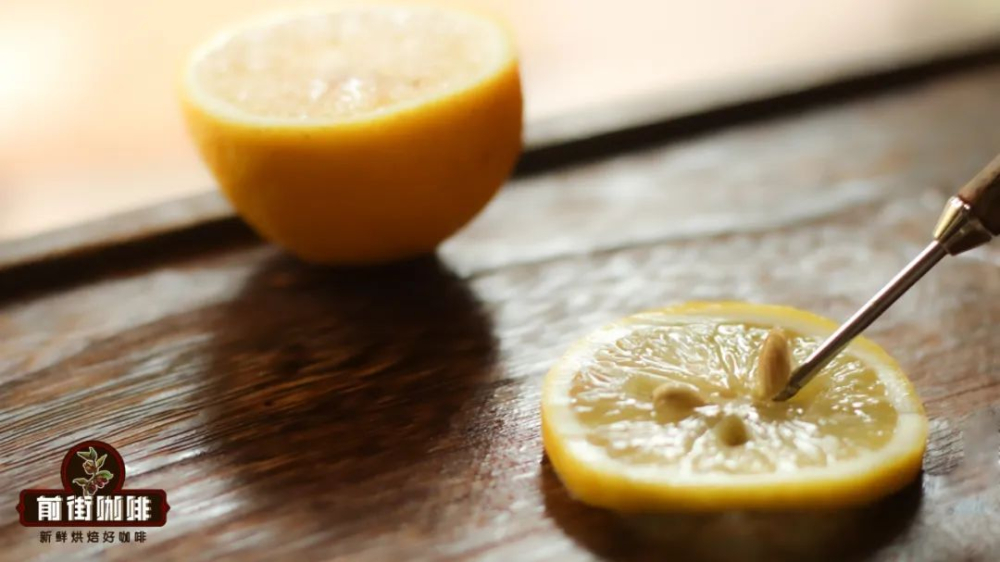
Many people have a misunderstanding about lemons, thinking that the bitterness comes from the lemon peel, but that is not actually the case. The bitterness of lemons mainly comes from the seeds, so if you want to save trouble, just choose a seedless variety when picking lemons. If you happen to buy lemons with seeds, simply remove the seeds after slicing.
About the coffee beans:
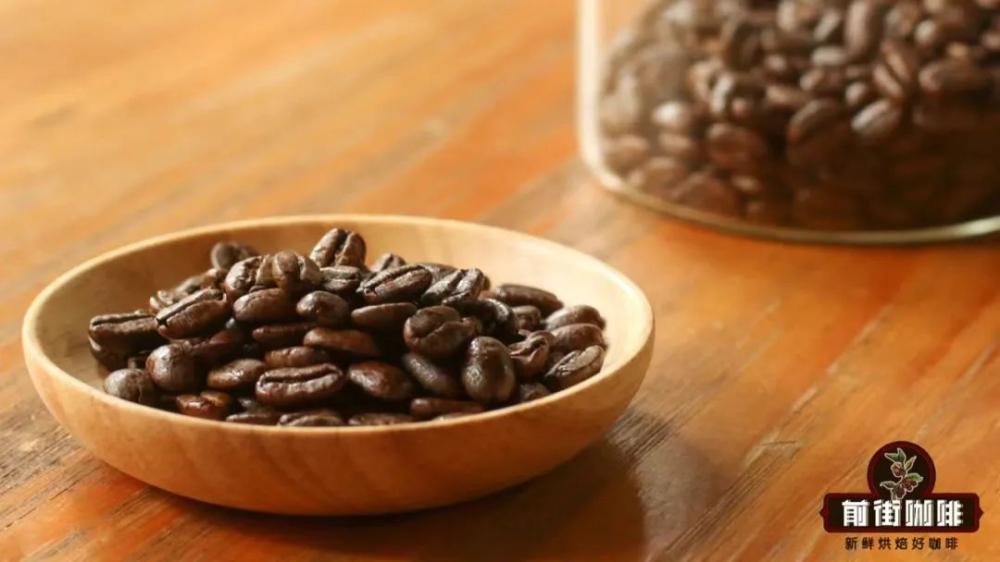
The lighter the roast of the coffee beans, the higher the density, and while the density is high, the crispness is instead lower—put plainly, they are hard to bite through, which is very unfriendly to friends with poor teeth. So when preparing to make lemon zha pian, it is best to choose dark-roasted coffee beans, which are crisp and easy to chew, and whose bitterness can form a sharp contrast with elements such as lemon and sugar.
(Even if you make the ground version, this principle still applies.)

About the sugar:
If you have yellow sugar on hand, Front Street recommends using yellow sugar even more. Yellow sugar is sweeter and can add more layers of flavor to this dessert. If you do not have it, that is fine too—just add a large amount of white granulated sugar like Front Street does.
Next, let's look at Front Street's actual process.
First, cut the lemon into thin slices of moderate thickness. They cannot be too thick, because the lemon peel has an astringent feel, and too much astringency will affect the eating experience; they also cannot be too thin, because lemon slices that are too thin are easily overpowered by the flavors of coffee and sugar. Moderate is just right.
Then sprinkle on sugar and freshly ground dark-roast coffee grounds in turn (you can also use coffee beans, but they are less convenient to eat), and the coarseness of the coffee grounds should be based on a regular grind for hot brewing.
At this point, you can eat it directly and experience the truest flavors of the ingredients. Of course, you can also put in a little extra effort to elevate the deliciousness another level, such as using a torch to blast the granulated sugar on the surface of the lemon until it reaches a golden caramelized state.
(But to do this, you need to add the coffee grounds first and then pour on the sugar.)
I truly, strongly recommend trying it once! With the first bite, you can feel the elasticity of the lemon fibers, the crispness of the coffee, and the granular texture of the caramel—just the mouthfeel alone is already richly layered. As for the taste, at the moment you bite through, the lemon juice bursts out, but the large amount of granulated sugar neutralizes the lemon's strong acidity, making the whole thing soft and sweet. The finishing touch comes after you chew into the coffee grounds: the slightly burnt bitterness of the coffee forms a sharp contrast with the sweet-and-sour lemon juice, standing out yet not jarring, and it is truly stunning. Hurry and try making it at home!
The above content is compiled by CoffeeHunters, a coffee news website.


