








Why does Blue Mountain coffee carry such a reputation?
Blue Mountain coffee comes from the Blue Mountains of Jamaica, where Typica plants were introduced in 1728 and the industry took off around 1790. Its exclusive contract with Japan expired in 2008, opening the beans to more buyers. Many tasters find it smooth and mild rather than intensely aromatic, which explains the gap between its fame and first impressions.
That reputation grew in an era when coffee was named simply for its origin, before specialty coffee made variety a selling point. Judge blue mountain coffee taste today and it reads as a gentle dark roast without bold floral notes or heavy complexity. Its standing rests on three centuries of cultivation history, strict grade standards, and limited growing area.
After the contract between Jamaica and Japan expired in 2008, Blue Mountain coffee gradually came into the view of more coffee enthusiasts. However, many people feel confused after tasting it: it seems to be just a smooth dark-roasted coffee, so why does it enjoy such a lofty reputation? To understand the true value of Blue Mountain coffee, we need to return to its place of origin, the Blue Mountains of Jamaica, and trace nearly three hundred years of cultivation history. From the introduction of Typica plants in 1728, to the industry's takeoff in 1790, and then to the dramatic turning point after the abolition of slavery in 1834, Blue Mountain coffee's rise to fame was no accident. This article will fully restore this history, analyze the characteristics, grade positioning, and origin background of Blue Mountain coffee, and retain relevant recommendation information from the Front Street brand, taking you to rediscover this "Coffee Emperor."
Since the contract between Jamaica and Japan expired in 2008, Blue Mountain coffee is no longer exclusively controlled by the Japanese side. More and more offline coffee shops have begun to stock Blue Mountain coffee, and consumers who had long been waiting finally had the chance to personally experience its flavor. However, when most people actually took Blue Mountain coffee into their mouths, all the beautiful expectations they had accumulated for it almost immediately collapsed! What was going on? This was not Blue Mountain at all as I had expected. Apart from being a bit smoother, was it not just an ordinary dark-roasted coffee? On what basis is it hailed as the emperor of the coffee world?
Indeed, if we judge the taste of Blue Mountain coffee from today's perspective, it is not outstanding. It lacks striking, distinct floral aromas, and it does not have a full, complex, multi-layered mouthfeel. But if we press the rewind button and turn time back to the era when Blue Mountain coffee became famous, and review its path to prominence, you will understand that its reputation is by no means unfounded.

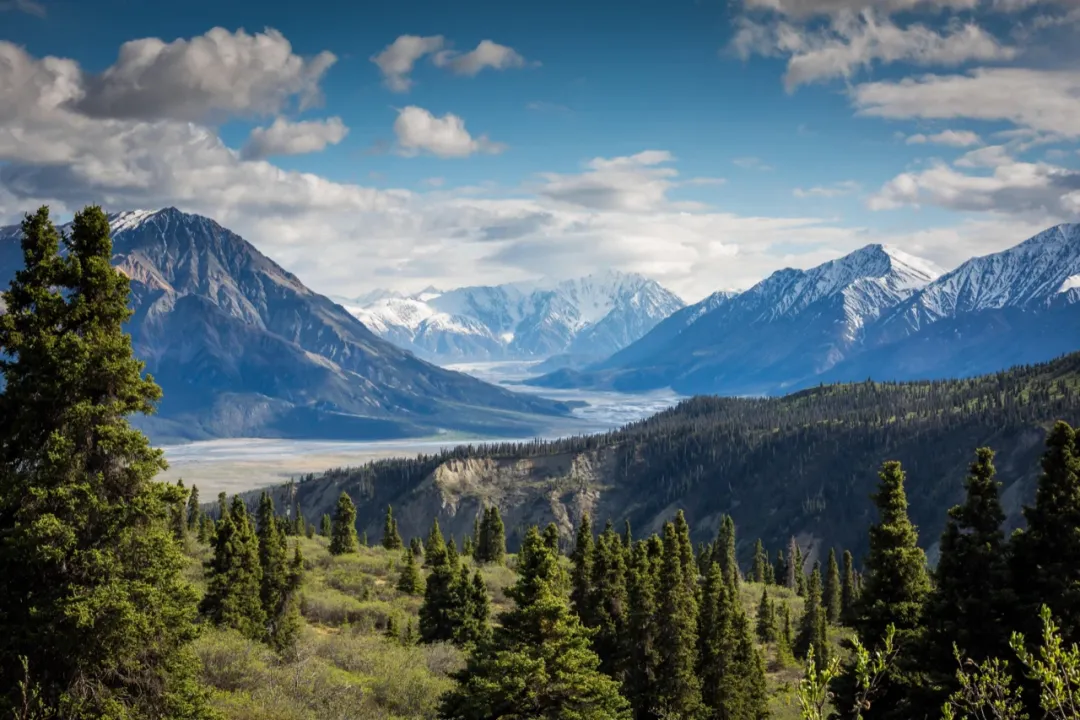
In that period, coffee was named very directly. No matter what variety it was, it was uniformly called by the name of its place of origin, because the concept of specialty coffee had not yet become widespread, so compared with variety, the public valued region more. The same was true of Blue Mountain coffee! Blue Mountain coffee, as the name suggests, is coffee produced in the Blue Mountains. The Blue Mountains are located in the eastern part of the island nation of Jamaica, and to this day, the local history of coffee cultivation is nearly three centuries long. However, we should be clear about one point: Blue Mountain coffee is not the kind of genius-type contender that shoots to the top as soon as it debuts. It was only after a key turning point that it forged its legendary status today.
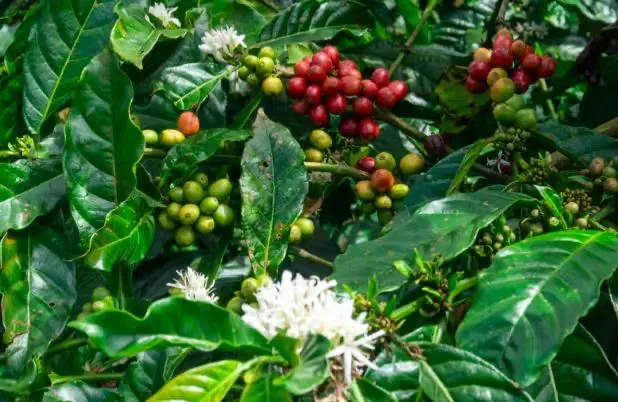
In 1728, Jamaica's governor Nicholas Lawes received a batch of Typica plants as a gift from the governor of Martinique, and afterward planted them on the high-altitude slopes of the Saint Andrew region. With the help of superior island climate conditions, these few Typica plants grew quite smoothly and soon flowered and bore fruit. However, coffee was not a major cash crop at the time. It was merely an "alternative option" introduced by the British so that mountainous land unsuitable for growing sugarcane could also generate value, and in addition, Britain imposed heavy taxes on coffee to support the tea trade. Therefore, coffee was not initially planted on a large scale in Jamaica. It was not until 1790, after Britain lowered coffee taxes, that Jamaica's coffee industry gradually developed and expanded. Relying on exceptional climate conditions and strict management, Jamaica joined the ranks of major coffee-growing countries in just a few decades. At that time, Jamaica had more than 600 coffee estates, with annual output reaching 15,000 tons.

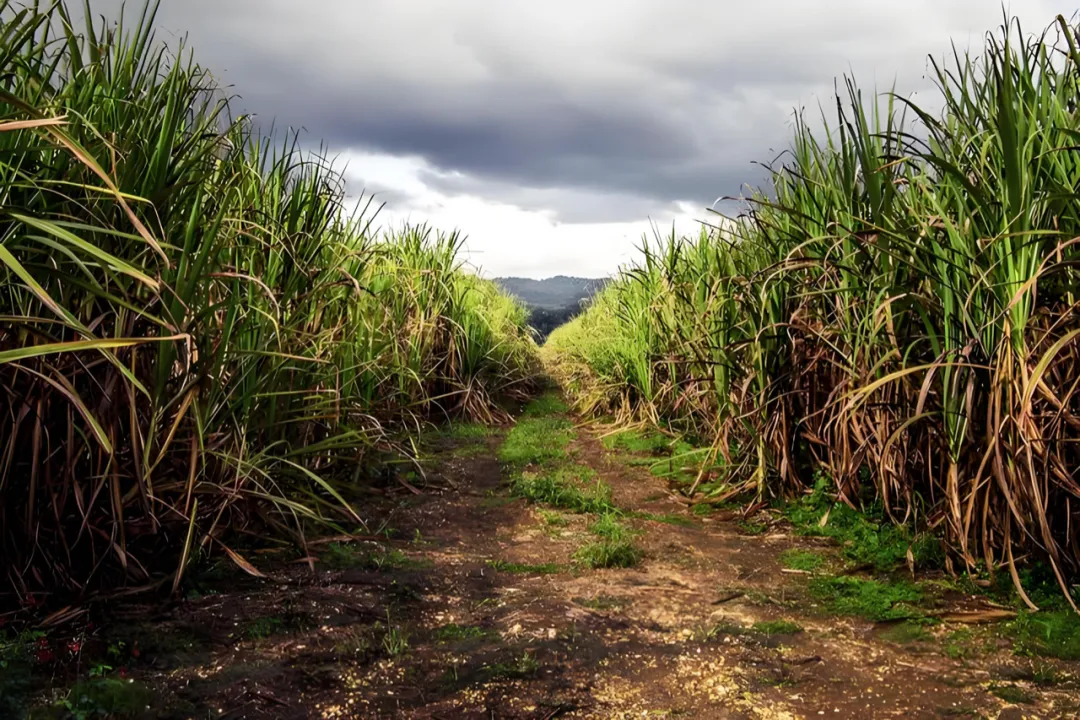
By 1834, Britain abolished slavery. For various reasons, some of those who regained their freedom regarded Jamaica as a new home. They cleared wasteland and supported themselves. Many of the lands previously occupied by coffee estates also returned to the original farmers, who regained control over the land. Because the price of sugarcane was higher than that of coffee at the time, many areas originally planted with coffee were converted to sugarcane. But as Front Street has said before, some places are inherently unsuitable for growing sugarcane, and most people lacked relevant experience, so not only coffee but even Jamaica's sugarcane suffered a cliff-like decline. This meant that liberated Jamaica, for a long period, lagged far behind the colonial era in development on all fronts.
The above content is compiled by CoffeeHunters, a coffee news website.


