







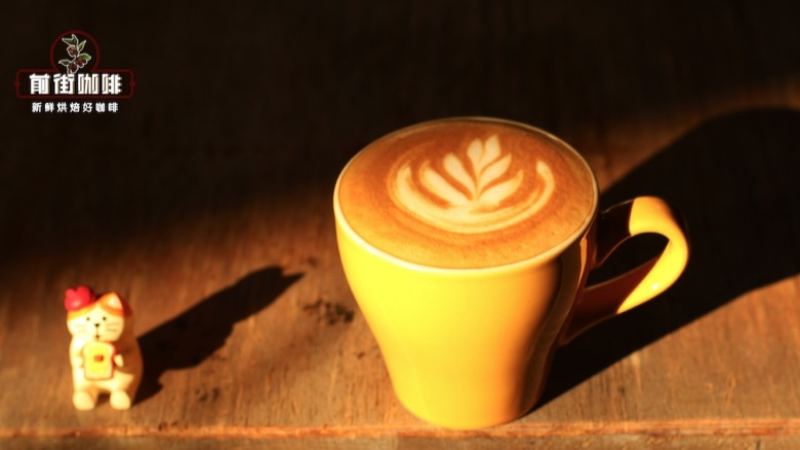
Latte is probably one of the most misunderstood coffees in the world—many people assume it's a daily staple for Italians, when in fact the milk coffee that authentic Italians drink is the cappuccino on the breakfast table. Latte, with its "large milk volume" form, is a product of coffee's evolution after immigrating to America. Within this history of flavor evolution lies the clue to the shifting logic of latte bean selection.
The story begins in Europe. The combination of milk and coffee has a history of several hundred years in Europe: the French café au lait, made by brewing coffee in a pot and mixing it with an equal amount of hot milk, is a traditional breakfast setup; the Italian cappuccino is famous for its one-third structure—a balanced ratio of espresso, hot milk, and milk foam. But at this point, the positioning of milk coffee remained always that of a breakfast drink.
The turning point occurred in late twentieth-century Seattle, USA. Amid the wave of commercialization of espresso machines, cafés, in order to adapt to Americans' taste preferences, increased the milk volume and made the foam thinner, and the latte took its definitive form—a drink with milk as the protagonist and coffee as the framework. Starbucks-style chain expansion pushed the latte globally, and also turned it into a byword for "coffee starter drink": most people's first contact with coffee begins with a latte.
The evolution of latte beans kept pace with this history of popularization. In the traditional Italian era, latte-style milk coffees used dark-roasted Arabica blends (with Robusta added in the south); the intense roasted flavor stood up to the large milk volume—that was the selection logic of that era. In the chain coffee era, the dark-roast style of commercial blends continued, with standardization and cost control becoming the new themes. In the specialty coffee era, change began to accelerate: medium-roast specialty blends brought nutty and caramel flavors into milk coffee, and the sweetness standard for lattes was raised across the board—blends labeled with specific origins such as Brazil Cerrado and Colombia Huila became the template for a new generation of milk coffee beans.
In the most recent decade, latte beans have entered a pluralistic period. Flavor-oriented blends have subdivided into a fruity-sweet route (the strawberry gummy aroma of Strawberry Candy Blend makes a new-generation flavor for milk coffee), a cocoa flavor route (Dark Cocoa Blend's natural affinity with milk), and a seasonal flavor route (the chestnut sweetness of Autumn Chestnut Blend); single-origin beans for SOE lattes have risen, with the mellow single origin of Brazil Queen's Estate proving that "a latte can also have origin flavor"; the dark-roast retro route remains strong, with the thick body of PWN Indonesia Golden Mandheling satisfying the classic demand that "the coffee flavor must be strong."
Looking back at this evolution, the history of latte beans is the history of the democratization of consumer taste: from "coffee decides what you drink" to "what you want decides which beans you choose." Standing today in a café or our own kitchen, we face a richer choice of lattes than in any era—rich, sweet, smooth, distinctive; behind every cup of latte lies a century-long path of flavor evolution. Next time you make a latte, when choosing beans, take a moment to think: which node of this evolution is the bag of beans in your hands standing on?
The above content is compiled by CoffeeHunters, a coffee news website.

