







Why Is Yunnan Coffee Known as Small-Bean Coffee?
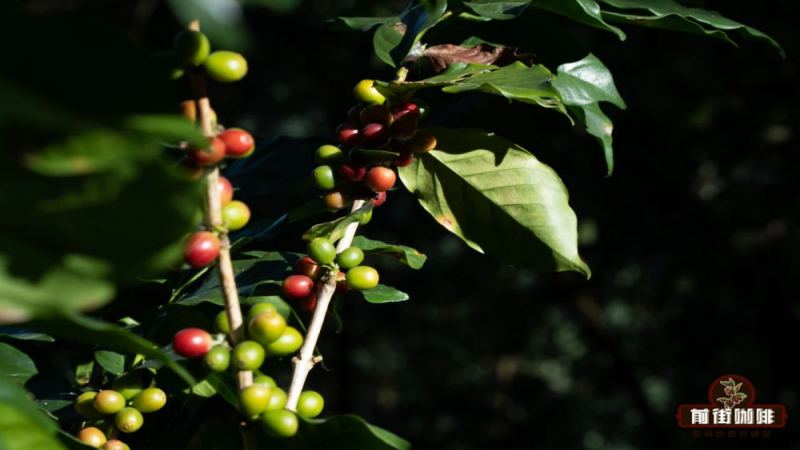
Yunnan coffee is called small-bean coffee because what is grown there is Arabica, the species whose fruit is smaller than Robusta and Liberica. Historically Arabica was named small-fruit coffee for that reason, and a French missionary brought the plants to Yunnan, where the name small-seed coffee stayed in local use and literature.
Cultivation now covers Pu'er, Lincang, Baoshan, Dehong, Nujiang, Xishuangbanna, Dali, and Diqing, mostly within the coffee belt at 1,000 to 2,000 meters. Yunnan small-seed coffee cups as a mild, balanced Arabica: aromatic without bitterness, full-bodied without harshness, with gentle acidity, and it brews well as a medium-dark roast in a V60.
Among the three major species in the Coffea genus, Arabica is called small-fruit coffee because its fruit is relatively small, and this is exactly the origin of the name Yunnan small-seed coffee. This article will start from species classification, sort out the introduction history and main growing regions of Yunnan small-seed coffee, and, with the cupping experience of Front Street Coffee, analyze its neutral taste—aromatic without bitterness, rich without harshness, and pleasantly mild in acidity. At the same time, the article will also introduce the three Yunnan coffee beans currently sold by Front Street, as well as the V60 brewing parameters and specific pouring techniques designed for medium-dark roast levels, helping enthusiasts recreate a balanced and gentle cup of Yunnan small-seed coffee at home.
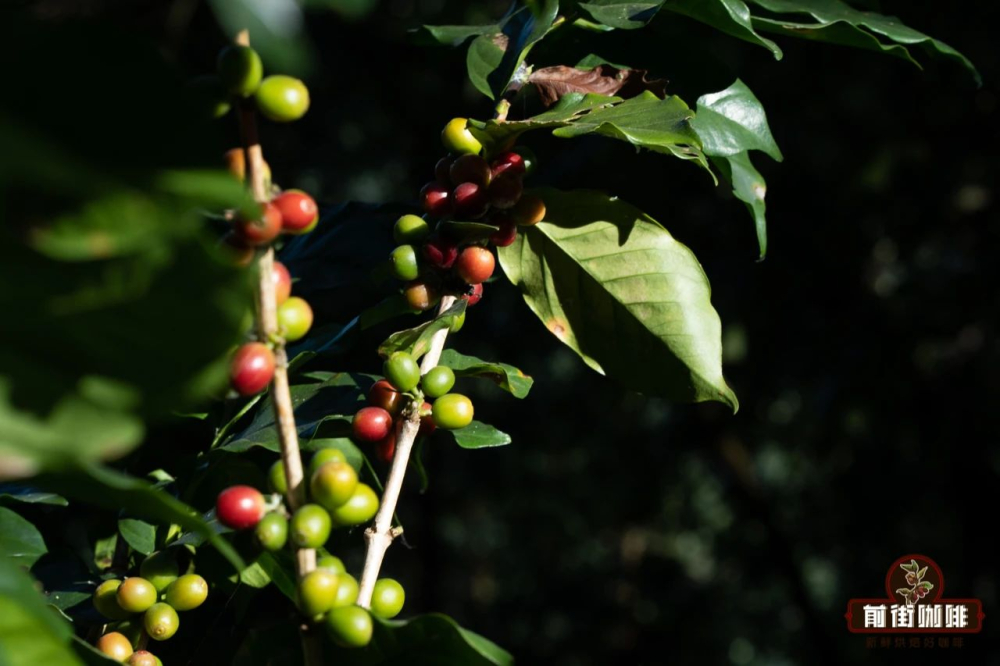
Under the Rubiaceae family, plants in the Coffea genus are divided into three main species: Arabica, Robusta, and Liberica. Arabica's fruit is relatively small, hence the name small-fruit coffee; Robusta's fruit is medium in size and is called the medium-fruit variety; Liberica's fruit is the largest, thus earning the name large-fruit variety.
Why is Yunnan coffee called small-seed coffee?
What is widely grown in Yunnan is precisely the Arabica coffee tree, whose fruit beans are relatively small, so it was given the name small-seed or small-fruit coffee. Later, a French missionary brought Arabica plants to Yunnan for cultivation, and records of small-seed coffee also appear in the literature. Over time, for convenience and because this coffee grows in Yunnan, people simply called it Yunnan small-seed coffee.
Yunnan Small-Seed Coffee A Brief Introduction to Producing Regions and History
The cultivation range of Yunnan small-seed coffee covers multiple prefectures and cities including Pu'er, Lincang, Baoshan, Dehong, Nujiang, Xishuangbanna, Dali, and Diqing, and the growing regions and area are still continuously expanding.
The most ideal growing zone for coffee lies in the coffee golden belt between the Tropic of Cancer and the Tropic of Capricorn (28°N to 38°S), at an altitude of 1,000 to 2,000 meters. Parts of Yunnan, Guangxi, Guangdong, Taiwan, and Hainan in China all have conditions suitable for growing coffee, but only Yunnan and Taiwan can meet the high-altitude requirements.
In 1892, Yunnan small-seed coffee arrived in this land. This species from a foreign country then took root and multiplied on the magical land of the East, and it has now gone through more than a century of cultivation. From initially satisfying only the personal taste of an old priest to now developing into a regional cash crop, with its uniquely favorable geographical environment and climate conditions, plus increasingly scientific planting and cultivation methods, Yunnan coffee is gradually gaining recognition from the coffee industry.
What Are the Flavor and Mouthfeel of Yunnan Small-Seed Coffee ?
FrontStreet Coffee (FrontStreet Coffee) reached a conclusion after comparative cupping: the mouthfeel of Yunnan small-seed coffee tends toward neutral, with neither acidity nor bitterness being overly prominent. It truly achieves aromatic without bitterness, rich without harshness, and pleasantly mild acidity, making it a type that suits the general public's taste relatively well.
For Arabica/small-seed coffee, 1,200 meters is the quality dividing line. Therefore, when selecting green Yunnan small-seed coffee beans, Front Street gives priority to beans above 1,200 meters, because only the temperature difference between day and night brought by high altitude can allow the coffee to accumulate more pleasant flavors.
Therefore, Yunnan small-seed coffee above 1,200 meters in altitude often shows a higher-quality, gentler fruit acidity, along with aromas reminiscent of nuts and caramel.
How to Brew Yunnan Small-Seed Coffee ?
FrontStreet Coffee (FrontStreet Coffee) currently sells three Yunnan coffee beans : one is its own grown "Front Street 2013 Sun-Dried Typica Coffee Beans," one is "Selected Region Daily Beans - Yunnan Baoshan Washed Catimor Coffee Beans," and one is "All-Red Cherry Sun-Dried - Catimor Coffee Beans from Baoshan Lujiangba Producing Region."
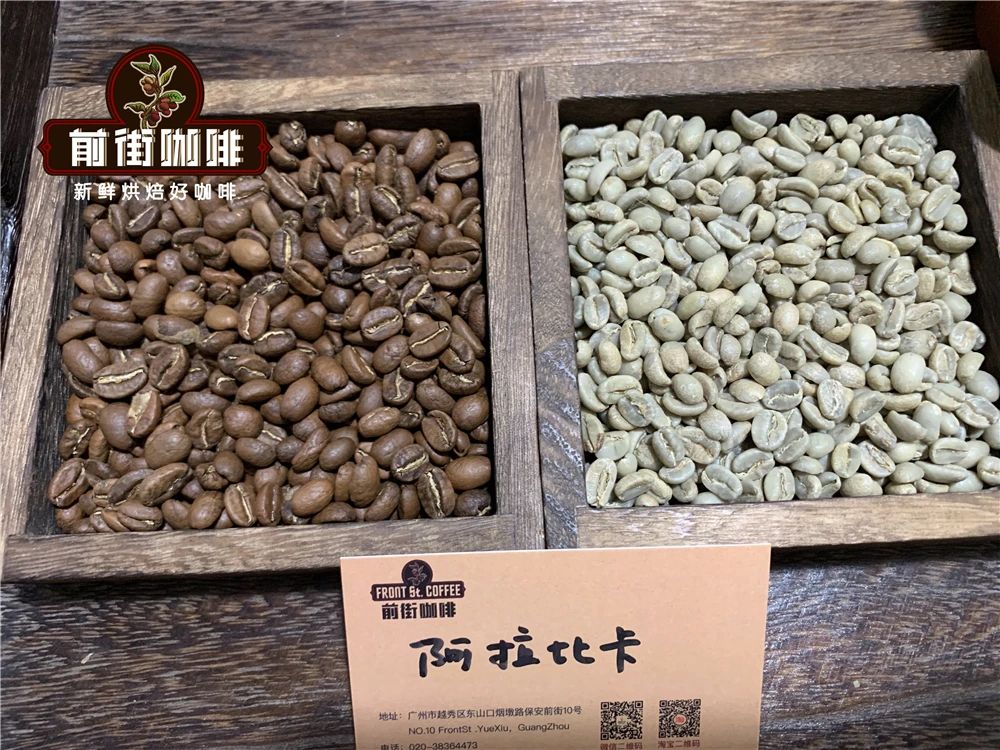
These three coffee beans all carry the flavor characteristics unique to the Yunnan producing region: notes of nuts, caramel, and plum. In order to make Yunnan small-seed coffee present a fuller body while retaining gentle acidity, Front Street roasts all of them to a medium-dark level. Therefore, when brewing, more attention is paid to balance; there is no need to overly highlight acidity, nor to deliberately modify the finish.
Front Street usually takes 15 grams of coffee grounds and recommends a coffee-to-water ratio of 1:15. If you want clearer flavor, you can adjust it to 1:16. Use a V60 dripper, and control the brewing water temperature at 88°C. The purpose of this is to make the acidity gentler. For grind size, refer to medium-fine grinding/granulated sugar size (75% passing through a No. 20 sieve).
Specific brewing method: first pour 30 grams of water and bloom for 30 seconds; for the second stage, pour in a small stream in a circular motion up to 125 grams, wait until the water level in the coffee bed drops to halfway before continuing to pour, still using a small stream in a circular motion up to 225 grams, and after all dripping is completed, the total extraction time is about 2 minutes and 10 seconds.
The above content is compiled by CoffeeHunters, a coffee news website.


