







Search Results for: harvest delay
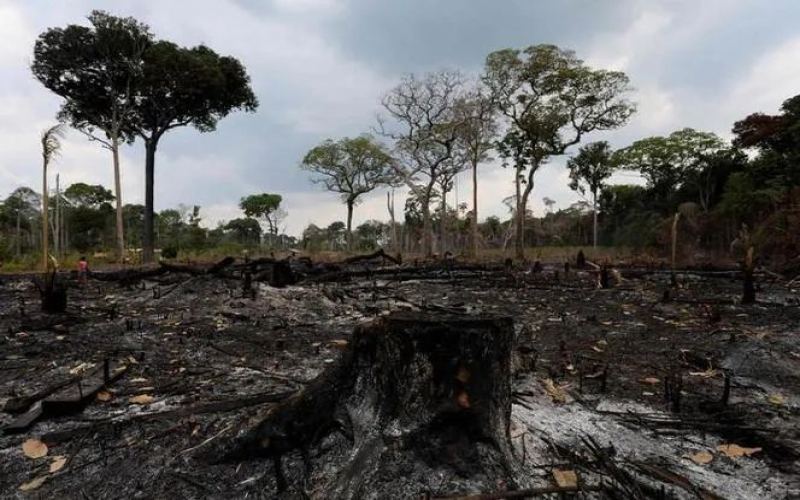
Brazil Hit by Twin Blows of Fire and Drought: Coffee Season Delayed to 2027, Exports Disrupted, Prices Poised to Rise
The Brazilian coffee industry is facing a dual shock from drought and fires. Since the end of August, fires have continued to spread across various regions, burning large swaths of coffee plantations and forcing producers to replant, delaying the originally planned 2025 harvest to 2027. Meanwhile, the worst drought on record has swept across the country, and falling water levels in Amazonian rivers have caused congestion at southern ports, where about 1.2 million bags of coffee have piled up and been damaged, with losses reaching as high as US$300 million. Smoke has covered nearly 5 million square kilometers, affecting at least 10 states. In view of multiple factors such as fires, worsening air quality and port delays, coffee exports are expected to decline and prices will continue to rise. [more…]
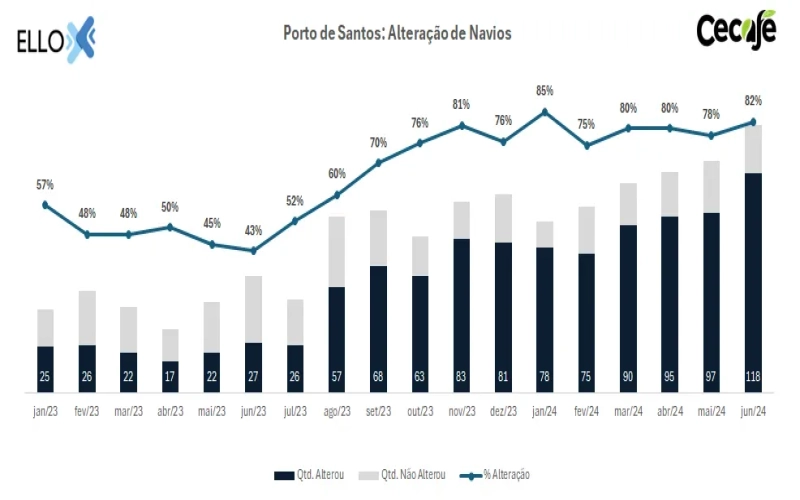
Brazilian coffee exports hit by a double whammy: port delays cause $290 million in losses, while high temperatures and drought continue to threaten production.
The Brazilian coffee industry is currently facing severe challenges. According to the latest report from the Brazilian Coffee Exporters Council, the delay rate at major ports reached 62% in June, leaving 1.23 million bags of coffee unable to be exported on schedule and causing foreign exchange losses of approximately US$290 million. The delay rate at the Port of Santos climbed to a record high of 82%. At the same time, persistent high temperatures and drought are affecting core producing regions such as Minas Gerais, and harvested coffee beans are showing undersized defects, with production expected to be revised down by 2 to 3 million bags. In addition, the dengue fever outbreak has exacerbated labor shortages, further weighing on exports. Front Street Coffee continues to monitor developments in Brazilian producing regions and brings you the latest industry analysis. [more…]
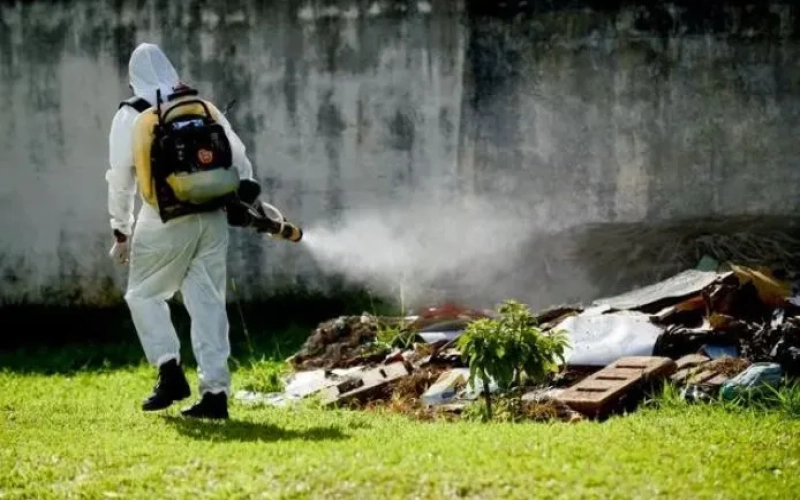
Dengue Fever Outbreak Hits Brazil's Coffee Industry: Harvest Slows, Port Congestion Worsens, Indonesia Cases Surge
The hot and humid climate brought by El Niño created conditions for mosquito breeding, leading to severe dengue fever outbreaks in multiple countries across the Americas. Among them, Brazil's confirmed cases exceeded 3.5 million, with 1,544 deaths, both hitting the highest records since 2000. Hospital admissions surged, with the average dengue fever admission rate at São Paulo's municipal hospitals reaching 90%. At the same time, Brazil entered the early stage of harvesting the new Robusta coffee season, and a large number of workers were absent due to illness, significantly slowing down the harvest progress. The Port of Santos had long been plagued by ship delays due to aging facilities, outdated management, and insufficient manpower, and the epidemic further worsened congestion. In March, the coffee ship delay rate rose to 80%, reaching 81% at the Port of Rio de Janeiro and 59% at the Port of Vitória. In Asia, Indonesia also experienced a dengue fever outbreak, with over 60,000 confirmed cases and 475 deaths, about three times that of the same period last year. Front Street Coffee reminds you to pay attention to origin updates and travel safety. [more…]
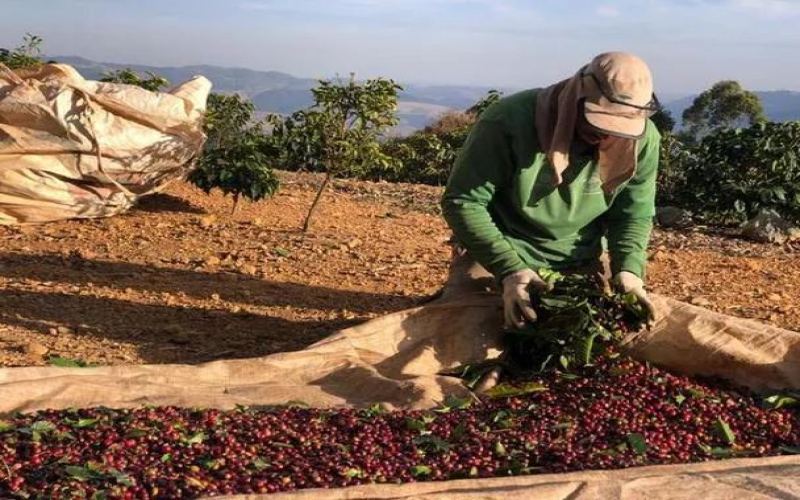
Brazilian Coffee Spot Prices Hit 26-Year High, Port Delays Cause Nearly $490 Million in Losses
Recently, spot prices for Brazilian Arabica coffee soared to a 26-year high, reaching 1,805.68 reais per 60-kg bag, a monthly increase of 18.3%. Declining inventories, downward revisions to production forecasts, unstable weather, and exchange rate fluctuations jointly pushed prices higher. At the same time, severe delays at the Port of Santos and the Port of Rio de Janeiro left 1.717 million bags of coffee stranded, causing foreign exchange losses of approximately US$489.72 million, while exporters also bore high demurrage costs. Robusta coffee prices also rose slightly. This article provides a detailed analysis of the current price trends, weather impacts, port difficulties, and exchange rate pressures in the Brazilian coffee market. [more…]
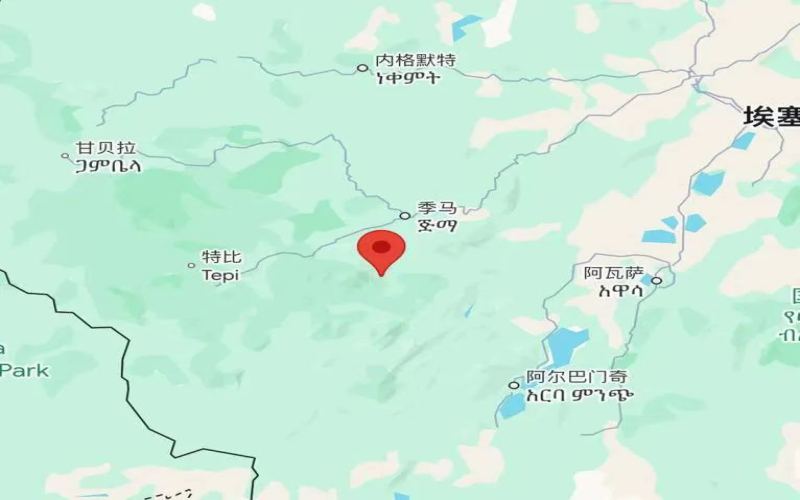
Landslide in the Konta district near Jimma, Ethiopia, kills 6, putting multiple pressures on the coffee harvest season and exports
A landslide occurred recently in the Konta district of southwestern Ethiopia, killing at least six people. The area is adjacent to important coffee-producing regions such as Jimma and Kaffa. Since the start of this year, the locality has repeatedly suffered similar disasters, with about 300 people killed between July and September. Persistent heavy rainfall not only threatens public safety but also delays coffee harvesting, obstructs transportation, and puts pressure on output. At the same time, the regional security situation, exchange rate fluctuations, rising fertilizer costs, and the drought risk that La Niña may bring all make the outlook for Ethiopia's coffee industry full of uncertainty. However, the delay of the EU's EUDR and the decline in coffee prices, as well as the lowering of the minimum export floor price, also bring a glimmer of good news for exports. [more…]
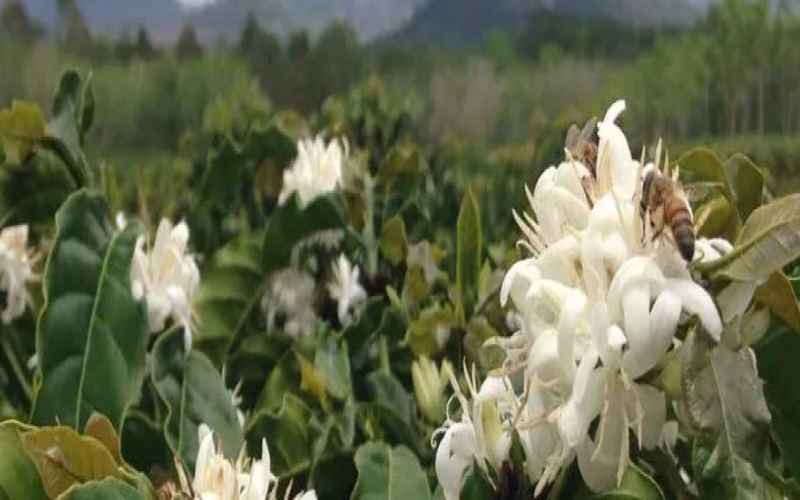
Brazil's January coffee exports hit a record high for the same period, yet congestion at Santos Port and production concerns linger.
The latest report from the Brazil Specialty Coffee Association (Cecafe) shows that Brazil's coffee exports reached 3.961 million bags (60 kg/bag) in January 2024, setting a new record for the same period in history, up 39% year-on-year, with foreign exchange revenue also climbing 30.4% to US$802.5 million. Arabica beans remained the mainstay, while Robusta bean shipments surged by more than 50%. However, external pressures such as geopolitical conflicts, the Red Sea crisis, and drought in the Panama Canal have not eased. Domestic spot prices diverged due to weather and uncertainty over the new crop season, and the vessel delay rate at the Port of Santos climbed to a historic peak of 85%, casting a shadow over subsequent exports. [more…]
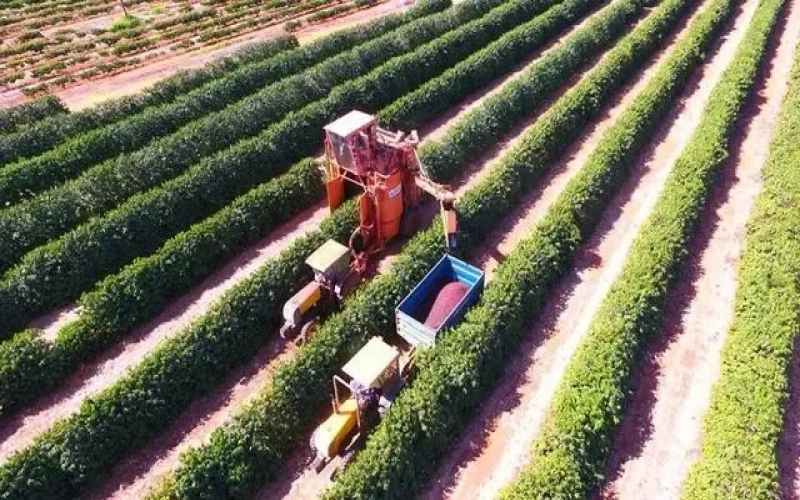
Brazil's coffee harvest accelerates but sales lag; market expected to recover after Congress rejects new tax rules
Brazil's new coffee crop harvest is progressing faster than in previous years, and the dry weather is both beneficial for processing and a cause for concern. However, sales progress is noticeably lagging, ports remain congested, and the government's earlier proposed changes to PIS/Cofins tax rules have further weighed on exports and farmers' willingness to sell. At the same time, the sharp appreciation of the US dollar against the real has brought inflationary pressure. The good news is that Brazil's Congress recently rejected the tax measure, allowing coffee and other agricultural products to continue enjoying tax benefits, and the slowdown in sales is expected to improve. This article will review the latest developments in harvesting, sales, ports, and policy, and include relevant recommendations from Front Street Coffee. [more…]
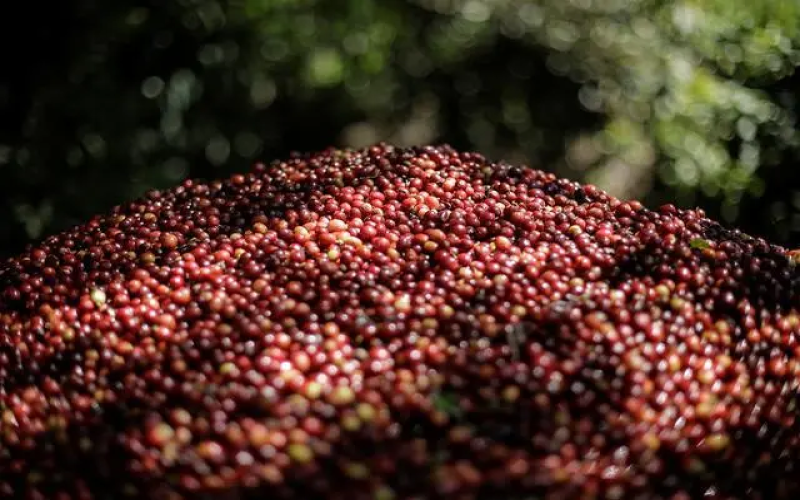
Extreme weather combined with labor loss puts Central America's coffee industry under pressure, pushing up international prices
The coffee industries of several Central American countries have recently encountered multiple challenges. In Costa Rica, unstable rainfall and labor shortages are expected to cause a production decline of about 13% in the 2023/24 season. In Nicaragua, affected by El Niño, drought persisted until mid-May, political factors have led to large-scale emigration, and labor shortages threaten harvest quality. The drought crisis at the Panama Canal remains unresolved, shipping costs are rising, and labor protests have delayed coffee harvesting. Together, these multiple factors are keeping coffee prices at high levels. [more…]
Sidamo Peach Santa Veni G1 Pour-Over and Cold Brew Parameters Explained: What Is the Flavor of the Red Cherry Project Like?
Ethiopia's harvest this year was delayed by about a month overall due to excessive rain, and it wasn't until the end of May that the first lot arrived—the Red Cherry Project. However, the later ripening period also allowed the coffee cherries to accumulate higher sweetness, and the flavor performance of the new harvest is richer than in previous years. This article focuses on the Sidamo Peach Santa Vini G1 launched by Front Street Coffee, covering everything from origin information and processing methods to specific pour-over and cold brew parameters, helping coffee enthusiasts reliably reproduce this bean's apricot, dark grape, and monthly rose aromas at home. [more…]
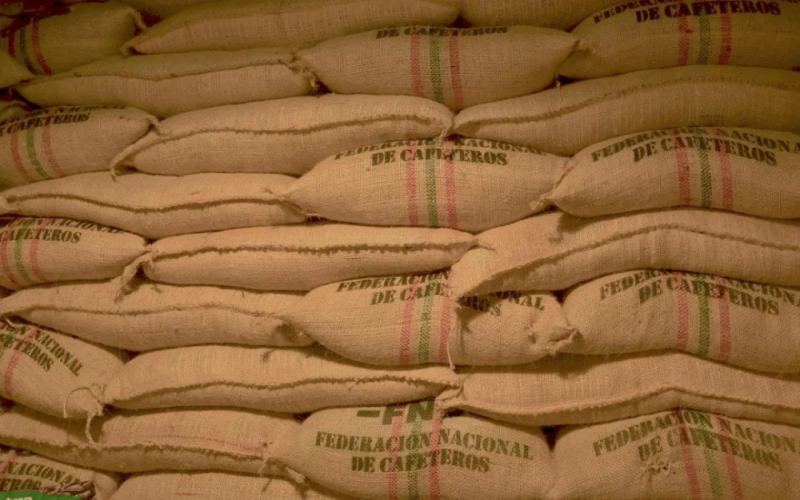
Colombia's Devastating Rains Batter the Coffee Industry, Putting Both Production Prospects and Futures Prices Under Pressure
Colombia's coffee production and exports both achieved double-digit growth in the first 10 months of this year, and the FNC at one point forecast that full-year production could reach 13 million bags. However, the country has recently been hit by extreme weather in many places—heavy rain in the capital Bogotá and surrounding areas triggered floods and landslides, and a volcanic eruption occurred in Antioquia Department, prompting the government to declare a state of disaster. This comes during the coffee tree fruiting period, and excessive rainfall may cause cherries to drop and delay harvesting, thereby affecting output and supply. At the same time, the U.S. C-price coffee futures price has once again surged to 272.03 cents per pound, and market concerns about supply in the new crop season have clearly intensified. [more…]
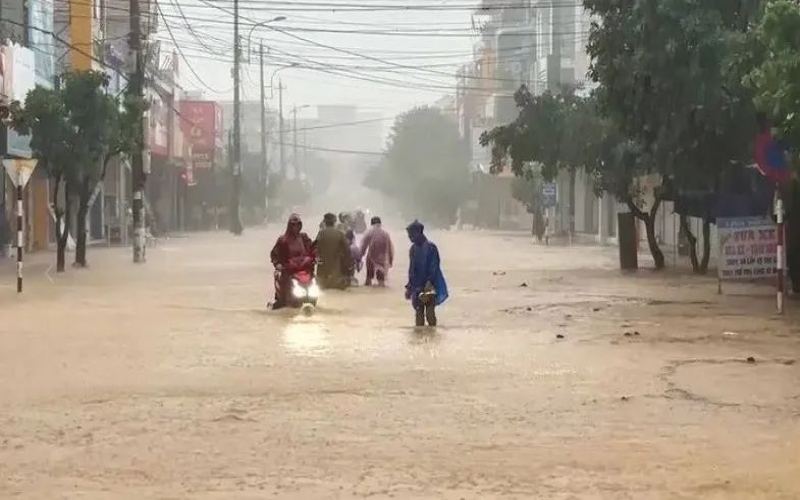
Successive Typhoons Batter Vietnam: Coffee Harvest Off to a Slow Start as Exports and Transport Come Under Pressure
Central Vietnam experienced strong winds and heavy rain after Typhoon Trami made landfall, damaging dikes, houses, farmland, and transportation and logistics infrastructure—just as the new coffee harvest season was getting underway. Looking back over the year, Vietnam's coffee industry first endured its worst drought in nearly a decade, then was hit by two typhoons in succession, Typhoon Yagi and Typhoon Trami, with the main producing areas in the Central Highlands also experiencing strong winds and heavy rain. Delayed harvesting, blocked roads, and closed ports combined to make new-crop supply even tighter; yet despite lower export volumes, export value hit a record high on rising prices. This article reviews the disaster impact, production and export data, and looks at price trends going forward. [more…]
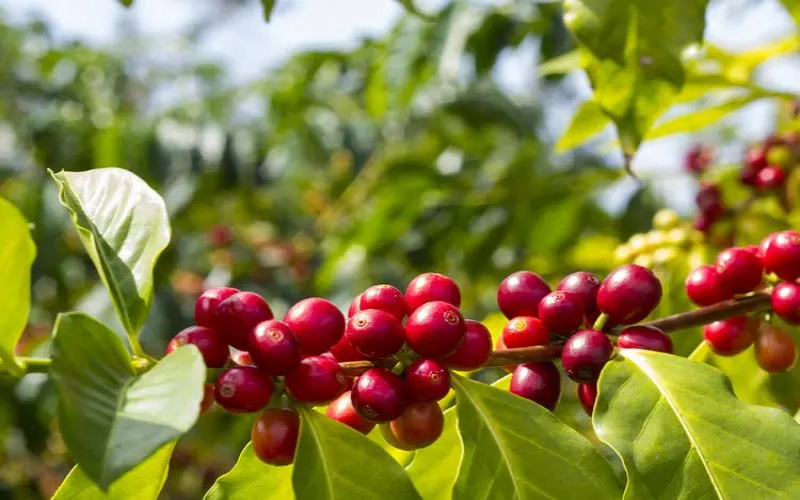
El Niño hits African coffee production capacity, EU deforestation-free regulation worsens import challenges
Extreme weather triggered by El Niño is continuing to batter coffee-growing regions worldwide. After several Central American countries, African coffee-producing nations have not been spared either. Uganda saw its November coffee exports fall 4.8% year-on-year as heavy rains delayed harvesting and disrupted drying processes. Meanwhile, the European Union has officially rolled out its Deforestation Regulation (EUDR), requiring importers to trace the origin of commodities such as coffee and conduct due diligence, or else face fines or a ban on market access. This regulation has led European importers to scale back purchases from smallholder farmers in Africa, leaving roughly 5 million coffee-dependent farming households in Ethiopia facing the prospect of dwindling orders. Industry insiders point out that the high cost and difficulty of compliance could further drive up prices for EU consumers while undermining the actual effectiveness of forest protection. This article examines the dual pressures of weather and policy to outline the export and market challenges currently facing Africa's coffee industry. [more…]
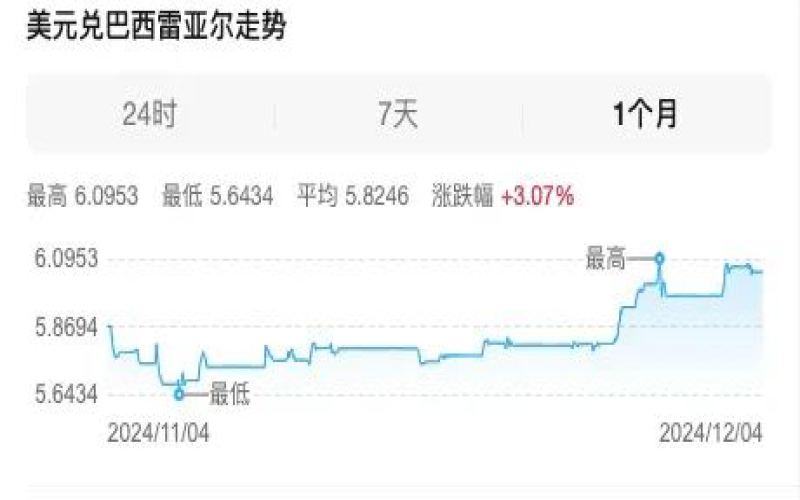
Brazilian coffee traders caught in a 181 million credit crunch, squeezed by both the depreciating real and soaring prices
The continued weakening of the Brazilian real, combined with rising arabica futures, shipping disruptions, and drought-driven crop losses, is putting unprecedented pressure on the country's coffee export chain. Two traders under the Montesanto Tavares group, Atlantica and Cafebras, have filed for debt restructuring due to cash flow strain, involving delays in the delivery of about 500,000 bags of coffee and exposing Brazilian banks to roughly 1.1 billion reais in credit risk. Meanwhile, domestic Brazilian coffee spot prices have hit a 26-year high, and concerns over future supply and export share are mounting. [more…]

Severe storm hits São Paulo state, Brazil: Over two million users without power, coffee-growing regions hit again
The state of São Paulo, Brazil, recently endured a violent storm accompanied by historically powerful winds, leaving at least 7 people dead, 2.1 million users without power, and severely disrupting transportation, water supply, and business operations. As an important coffee-producing region in Brazil, São Paulo state has this year been hit in succession by drought, wildfires, and torrential rain, casting a shadow over the prospects for coffee growth in the new crop season. With power slow to be restored, inventory is piling up at processing plants and the risk of port delays is intensifying. Combined with expectations of reduced output in Vietnam and other producing origins, international coffee futures prices continue to run at high levels. This article will review the impact of the disaster, the abnormal climate in the producing region, and the chain reactions for the coffee industry. [more…]
Brazil's coffee exports plummeted 27% in August, global prices soared by nearly 50%, and the industry faces multiple challenges.
Recently, the Brazilian coffee industry has come under multiple pressures: August exports fell 27% year-on-year, transportation bottlenecks have left large quantities of goods stranded at ports, and industry losses have reached as high as US$500 million. At the same time, global coffee prices have surged by nearly 50%, intensifying market volatility. Brazil has already sold 60% of this year's crop, but Arabica growth has slowed. On the weather front, the southern producing regions have received rainfall, which may affect the subsequent harvest. This article summarizes the latest producing-region news, covering exports, sales, climate, and Front Street Coffee-related developments, providing coffee lovers with a comprehensive interpretation. [more…]
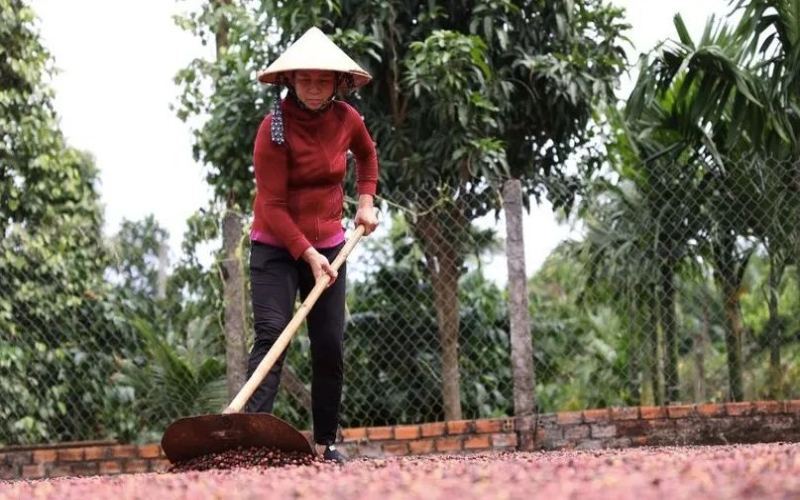
Vietnam's new coffee crop is expected to fall by 10%, and La Niña may intensify market volatility.
Recently, feedback data from multiple international coffee traders indicates that Vietnam's coffee production for the 2024/25 season is expected to decrease by 10%, potentially hitting its lowest level in nearly a decade. The return of La Niña has further fueled market concerns. As the world's second-largest coffee producer and largest robusta grower, Vietnam experienced its most severe drought in nearly ten years this year, particularly affecting the early flowering stage from March to May, leading to a second consecutive year of reduced output. Although rainfall increased somewhat by the end of May, it was insufficient to offset the damage from the earlier drought, with some coffee trees dying or growing poorly. In addition, Typhoon Yagi and the impending La Niña phenomenon may bring more rainfall, further threatening agricultural output. International robusta coffee futures prices once hit a nearly half-century high due to drought and fires, and recently fell sharply on Brazilian rainfall, but the market still expects prices to continue fluctuating before the end of the year. [more…]
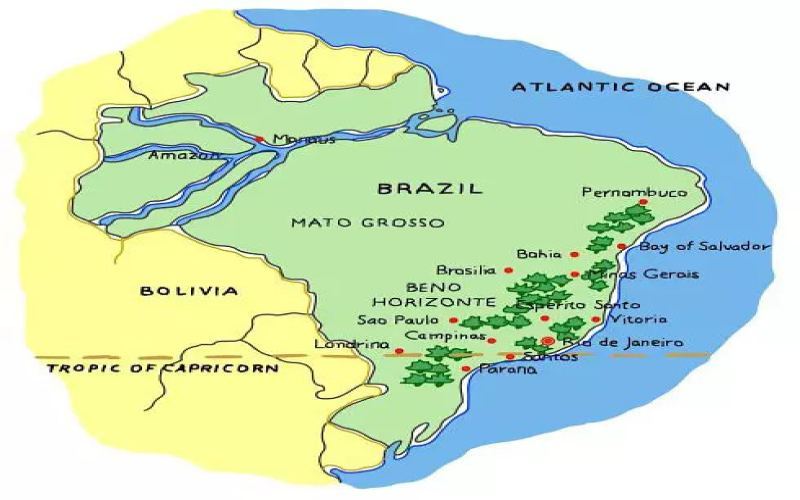
Brazilian Yellow Bourbon Coffee Flavor Balance and Taste Characteristics: The Brazilian Coffee Story, How to Brew and Roast It for a Delicious Cup
As the world's largest coffee producer, Brazil is often misunderstood as producing only commercial beans, but in fact it is also home to champion-level specialty coffee. This article begins with the legends and stories of Brazilian coffee, then discusses the impact of the pandemic on the harvest and the role of shade trees in mitigating climate warming, before focusing on the premium Yellow Bourbon variety, introducing its flavor characteristics and the natural-process Yellow Bourbon from Queen's Farm. Finally, it includes Front Street Coffee's roasting and brewing recommendations, including the KONO dripper, 87°C water temperature, a 1:15 coffee-to-water ratio, and a segmented extraction method, giving you a complete understanding of this bean's balanced sweetness and nutty chocolate notes. [more…]
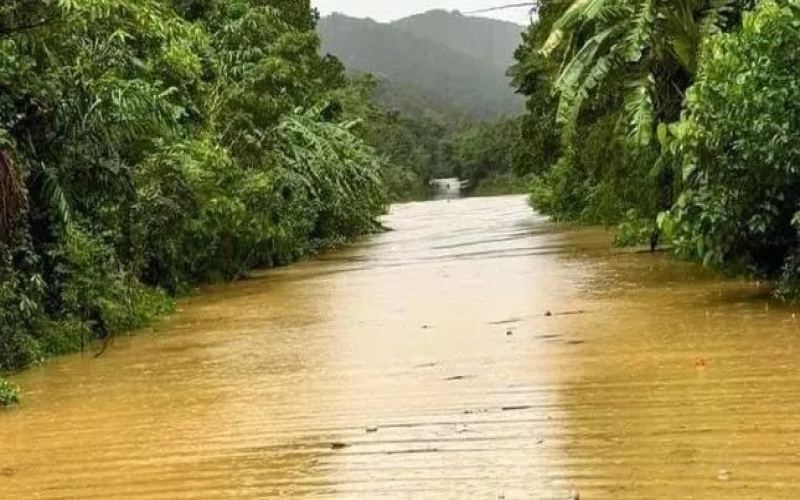
Vietnam Hit by Successive Tropical Storms, Port Congestion Worsens Coffee Export Woes
Central Vietnam was hit by two consecutive tropical storms in September, causing casualties and severe damage to infrastructure. Although the main coffee-growing regions were not directly affected, heavy rainfall has clouded the harvest outlook. More critically, major export hubs such as Haiphong Port and Da Nang were paralyzed by the storms, leaving large numbers of shipping containers backed up and severely disrupting coffee exports. Combined with reduced output caused by drought earlier in the year and steadily climbing domestic spot prices, the supply difficulties facing Vietnam—the world's second-largest coffee producer—are driving up international robusta futures prices. Front Street Coffee continues to monitor developments in the producing regions. [more…]

Visiting Front Street Coffee's Yunnan Estate: From Catimor to Typica, the Terroir Code of a Cup of Yunnan Coffee
What is the most famous variety of Yunnan coffee? With this question in mind, we once again visit Front Street Coffee's coffee estate in Yunnan. From the influence of altitude on ripening time, to the evolution of varieties from Typica to Catimor, and to the unique method of shade-growing under forest cover, this article provides a complete record of Front Street's cultivation practices and observations in Yunnan. Coffee cherries need to accumulate enough heat to ripen; the longer they remain on the tree, the richer the flavor compounds become. Front Street's plantation is hidden within the forest, where temperatures are lower and sunlight is scarcer, so the ripening period is delayed accordingly. Behind a good cup of coffee is the combined result of variety, altitude, and processing method—and above all, the reward of a long wait and patient persistence. [more…]
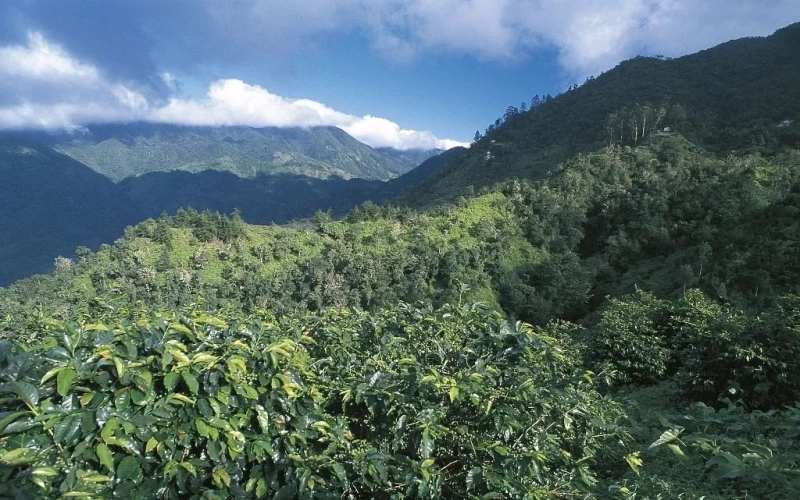
Kenya's Coffee Industry Faces Multiple Challenges: Dual Pressure from New Regulations and Declining Production
The Kenyan coffee industry is facing unprecedented challenges. The latest report from the United States Department of Agriculture shows that, affected by a reduction in planted area and heavy rains, Kenya's coffee production in the 2024/25 marketing year is expected to fall to 750,000 bags, a year-on-year decline of 6.3%. At the same time, new policies and regulations implemented by the government are also profoundly affecting the entire industry chain, with impacts from production and processing to export trade. This series of changes has not only affected Kenya's coffee export volume and prices, but has also had a far-reaching impact on farmers' livelihoods and industry development. Front Street Coffee will provide you with an in-depth analysis of the current situation and future of Kenya's coffee industry. [more…]