







What Shapes the Flavor of Yunnan Coffee?
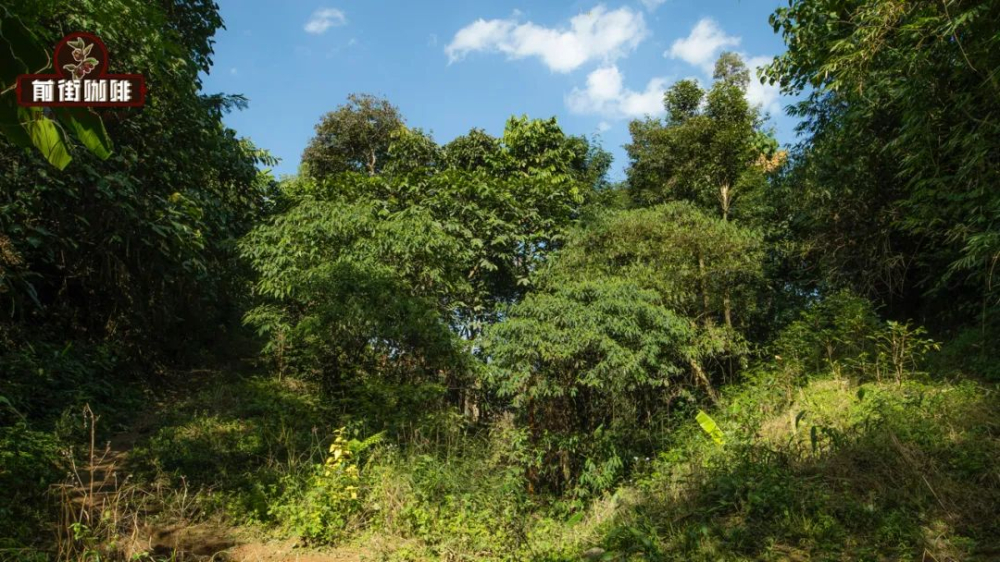
FrontStreet Coffee's estate in Yunnan grows coffee in forest shade, where lower temperatures and limited sunlight delay ripening. While low-altitude areas in Yunnan ripen from October, these shaded trees do not ripen until early January, and the harvest season runs from October through March.
The company began as Dazhen Coffee, first planting Catimor in Guangdong before moving to Yunnan and switching to Typica coffee. For every 100 meters of elevation gain, temperature drops about 0.6 degrees Celsius. Longer time on the tree lets cherries absorb more nutrients and develop more diverse flavors.
What is the most famous variety of Yunnan coffee? With this question in mind, we once again visit the coffee estate of FrontStreet Coffee in Yunnan. From the influence of altitude on ripening time, to the transition of varieties from Typica to Catimor, and to the unique method of shade-grown cultivation in forests, this article fully documents FrontStreet's planting practices and observations in Yunnan. Coffee cherries need to accumulate enough heat to ripen; the longer they stay on the tree, the richer the flavor compounds. FrontStreet's plantation is hidden in the forest, where temperatures are lower and sunlight is scarcer, so the ripening period is correspondingly delayed. Behind a good cup of coffee is the combined effect of variety, altitude, and processing method—and even more so, the reward of long waiting and patient persistence.
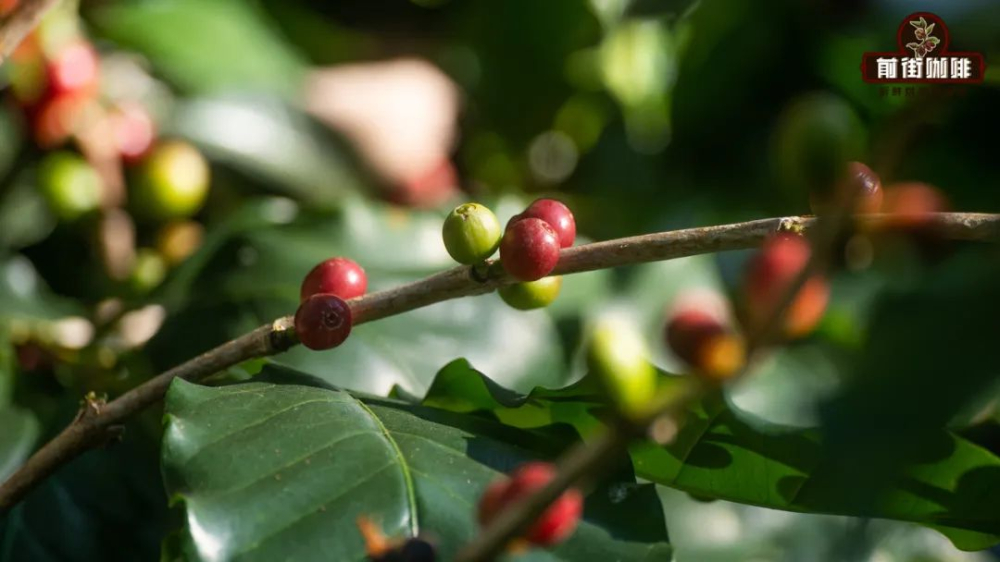
For every 100 meters rise in altitude, the temperature drops by about 0.6 degrees Celsius. Plant fruits can only mature after accumulating sufficient heat. Generally speaking, the longer they stay on the tree, the more nutrients they absorb, and the more diverse the flavors the coffee ultimately presents.
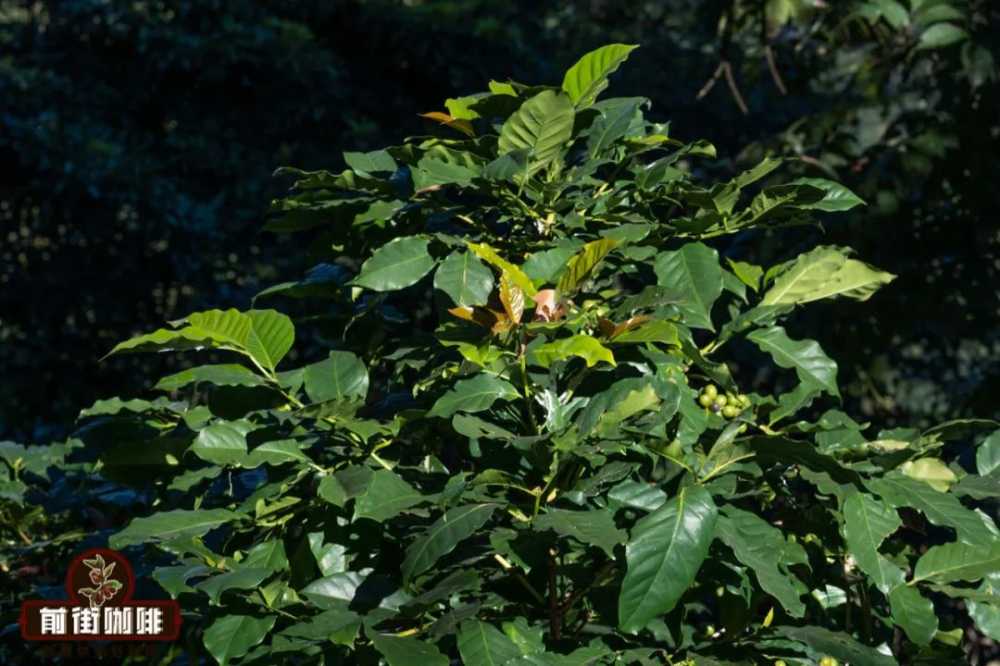
Coffee in Yunnan's low-altitude production areas enters its ripening period every October. The altitude of FrontStreet Coffee's plantation is not particularly high, but because the plants grow in the forest, the overall temperature is lower and sunlight is relatively insufficient, so the cherries do not gradually ripen until early January. Overall, from October of the previous year to March of the following year can be considered the harvest season for a production area.
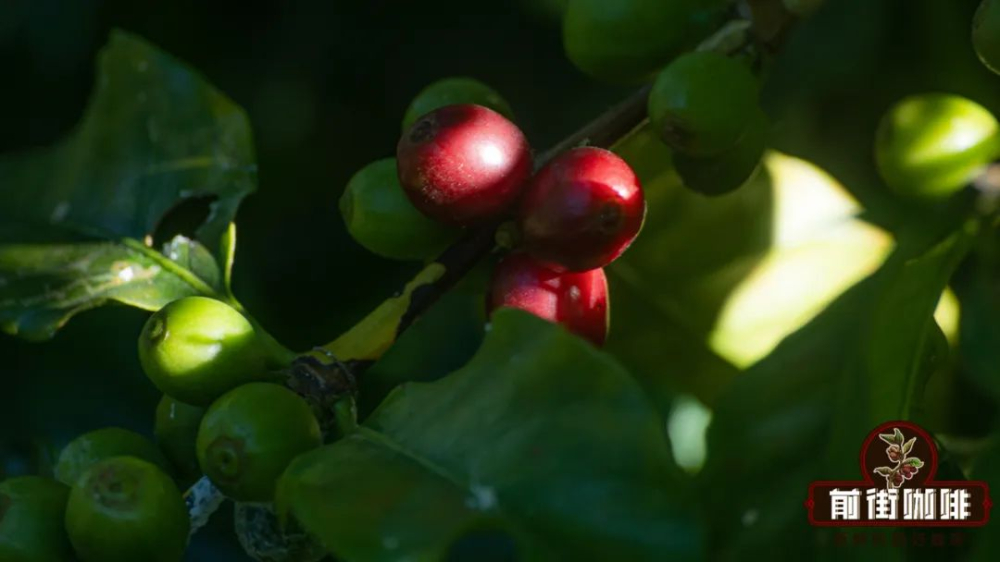
FrontStreet Coffee's original name was "Dazhen Coffee." It took this name because early FrontStreet planned to grow coffee in a place in Guangdong called "Dazhen." At that time, understanding of coffee and cultivation was extremely limited, supported entirely by passion, and FrontStreet tried growing Catimor in Dazhen. But not long after, the planting site moved from Guangdong to Yunnan, and the variety also changed from the common Catimor to Typica.
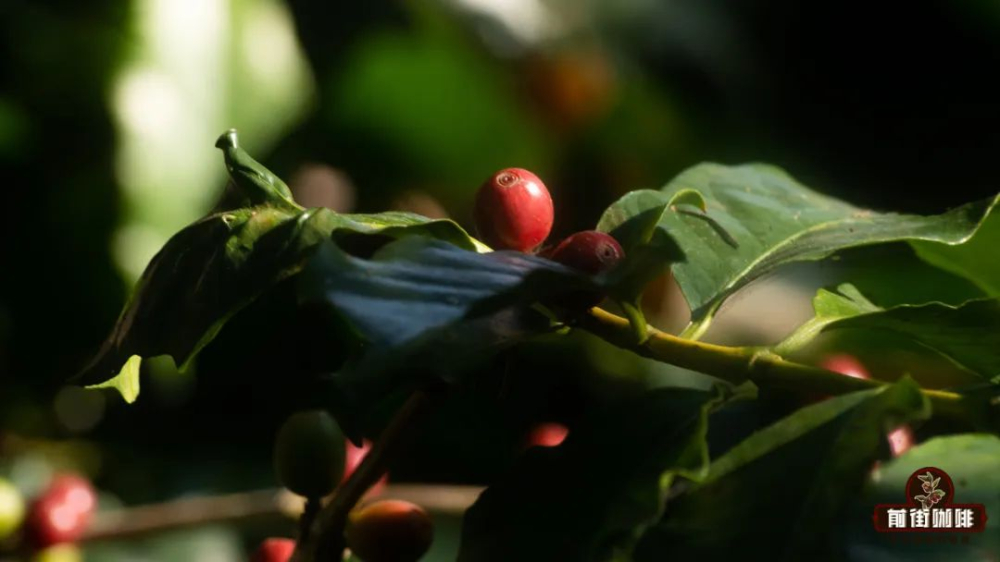
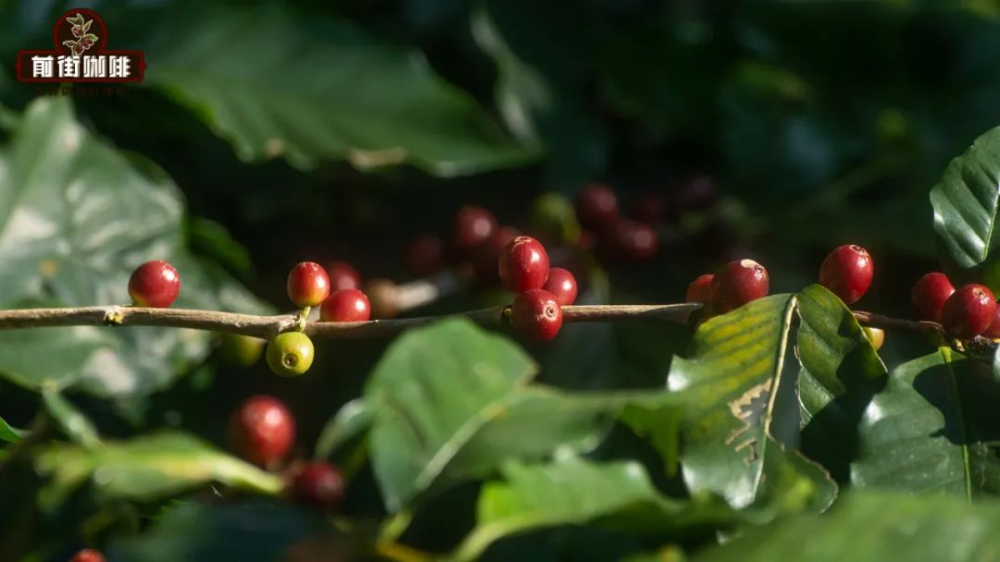
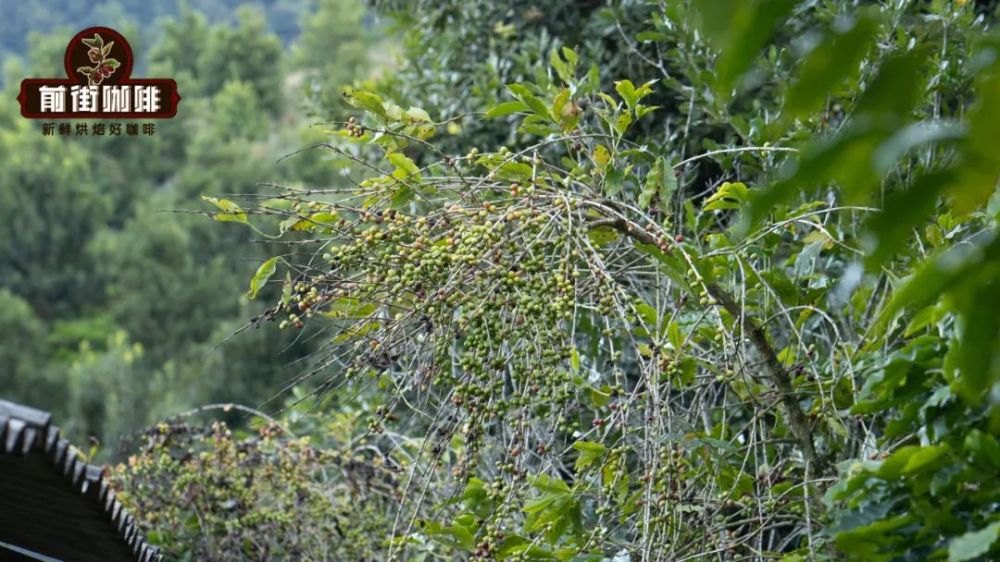
(Typica plants in the forest~)
The birth of a good cup of coffee is closely linked to variety, altitude, and processing method. To grow delicious coffee, the choice of variety comes first, followed by the terroir conditions of cultivation. Environmental climate directly affects the accumulation of substances when coffee ripens. As mentioned earlier, high altitude is a key factor in making coffee taste good, while the altitude of most areas in Guangdong is only a few hundred meters, whereas in Kunming the altitude starts at 2,000 meters as soon as you get off the plane.
Many places are unsuitable for growing coffee for another reason: in winter, the Siberian cold current moves southward all the way, and the accompanying frost can freeze coffee trees to death in mountainous areas in just two days. This is also why the golden coffee-growing belt is mainly distributed between the Tropic of Cancer and the Tropic of Capricorn. Guangdong's Tropic of Cancer is located in Conghua, and once you cross north of this line, frost occurs almost every year. Although Yunnan is farther north in latitude, the Gaoligong Mountains to its north happen to block the cold current, and the high-altitude areas further cut the plateau into countless microclimates. On the 12th, when we were in Kunming, at 6 a.m. it was only about 4 degrees locally, and by 10 a.m. the temperature had already risen to 16 degrees.
From Kunming to FrontStreet's plantation, there are still about 800 kilometers, mostly winding mountain roads, and driving takes 9 to 10 hours. Over the past ten years, we have traveled back and forth on this road about 3 to 4 times each year: before the rainy season arrives, during the flowering season, and after the rainy season ends.
(This is the winding mountain road we took)
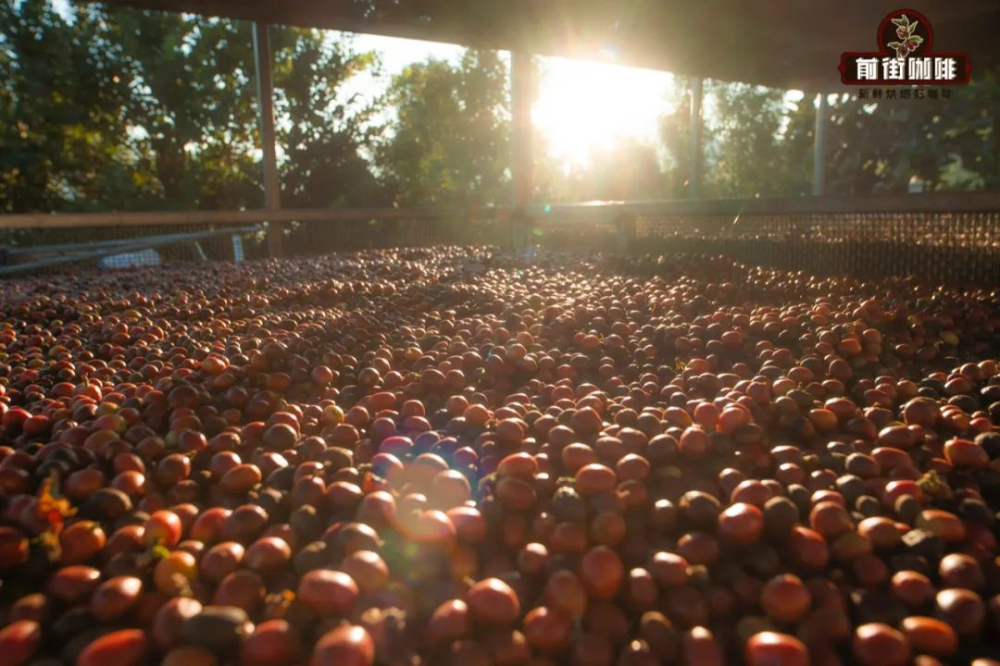
The production area does not have four distinct seasons, but the boundary between the rainy season and the dry season is clear. After the last "yellow-earth rain" in October, the next six months or so are the dry season, which is exactly used for harvesting and drying coffee.
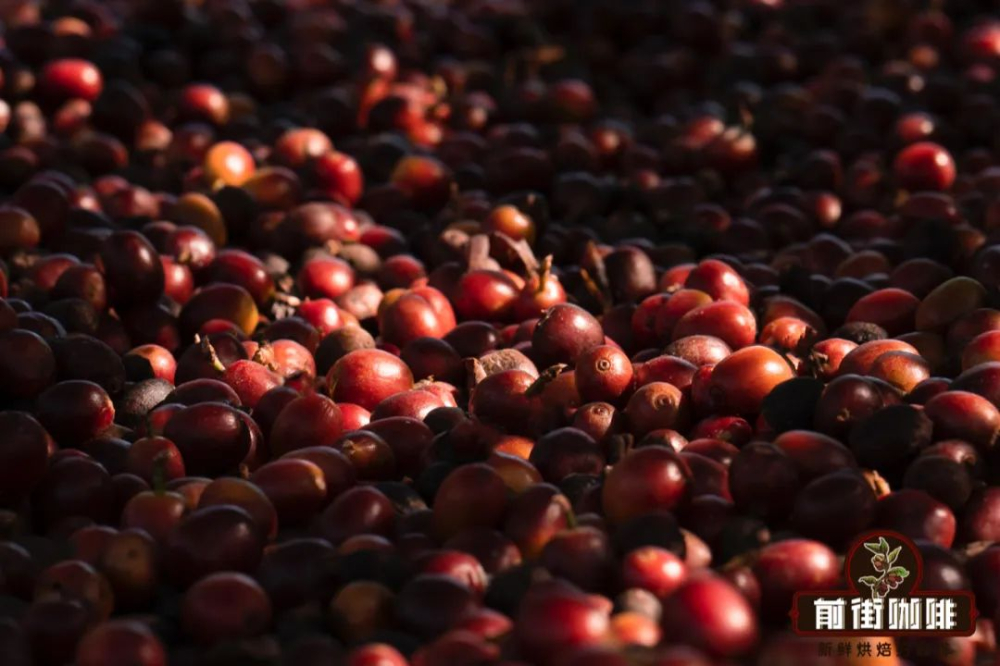
(Coffee cherries undergoing sun-drying)
The rainy season begins between April and May, with rain constantly every day. If coffee seedlings are planted at this time, even if they are barely tended for half a year, the survival rate will still be very high.
(Coffee plants planted not long ago)
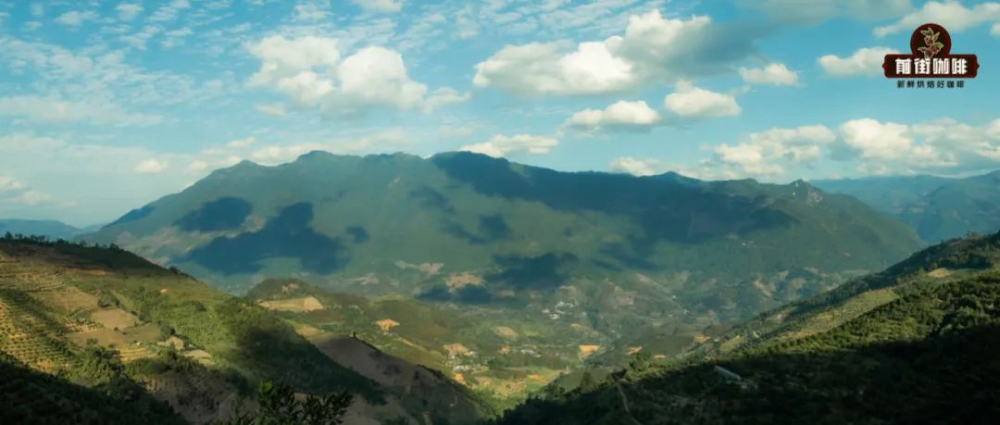
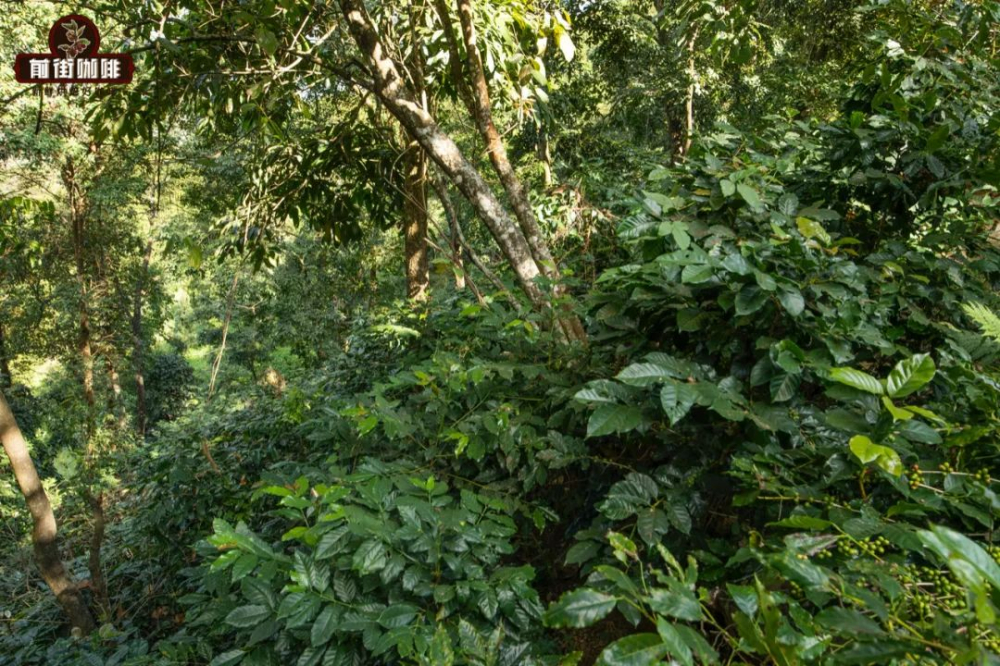
FrontStreet Coffee's plantations are concentrated in the forest, a practice not commonly seen in China. Although it can create an environment more favorable for flavor development, the yield is inevitably less promising. Tall trees serve as shade trees, slowing the growth rate of coffee cherries and giving them more time to absorb nutrients.

Amid the ever-changing "Yunnan small bean," FrontStreet shares: in the era before Catimor became mainstream, Yunnan had always grown Typica and Bourbon, these two founding varieties of coffee. Despite excellent flavor, because of weak disease resistance and variety degeneration, Catimor began to become the main local planted variety starting in the 1980s. Judging from tree structure, Catimor's yield is a full three times higher than Typica's, which is also the fundamental reason why Typica coffee beans are relatively expensive.
(Catimor)
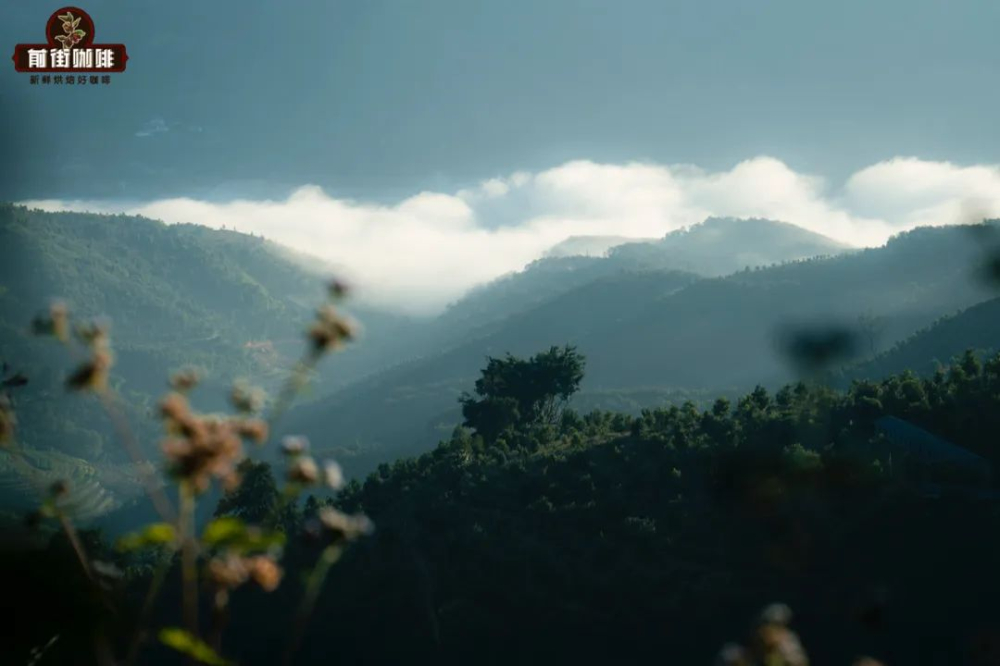
For people who love drinking coffee, it is not only corner cafes that have an artistic atmosphere; coffee production areas are equally full of poetry and distant places. Of course, it must be admitted that FrontStreet Coffee's plantation often presents different beautiful scenery.
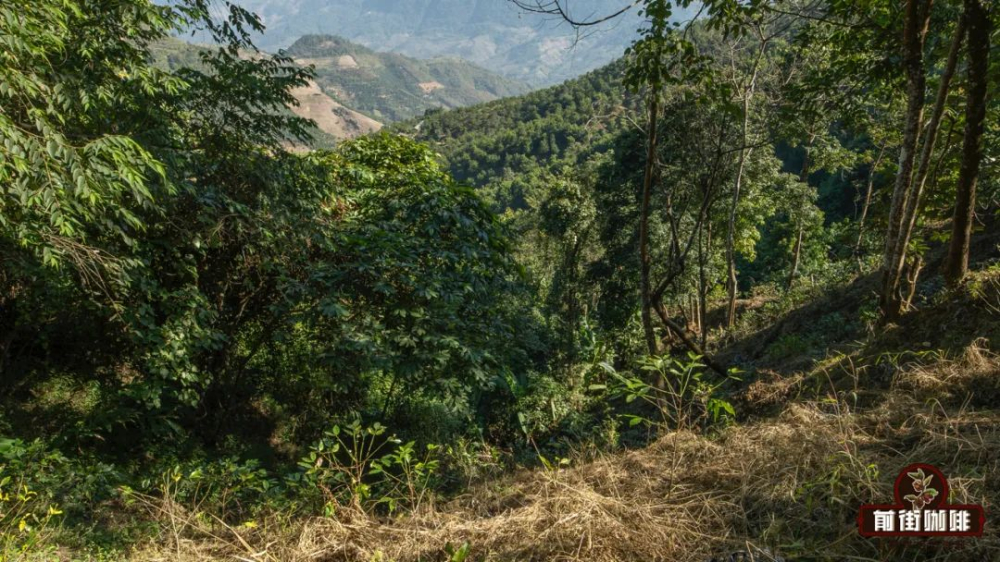
But in the production area, these are not the focus of attention. We need to understand the growth and ripening conditions of coffee in different areas, and also watch for signs of longhorn beetles, anthracnose, and sooty mold. Moving between different places these past few days, the phone recorded 30,000 to 50,000 steps every day.
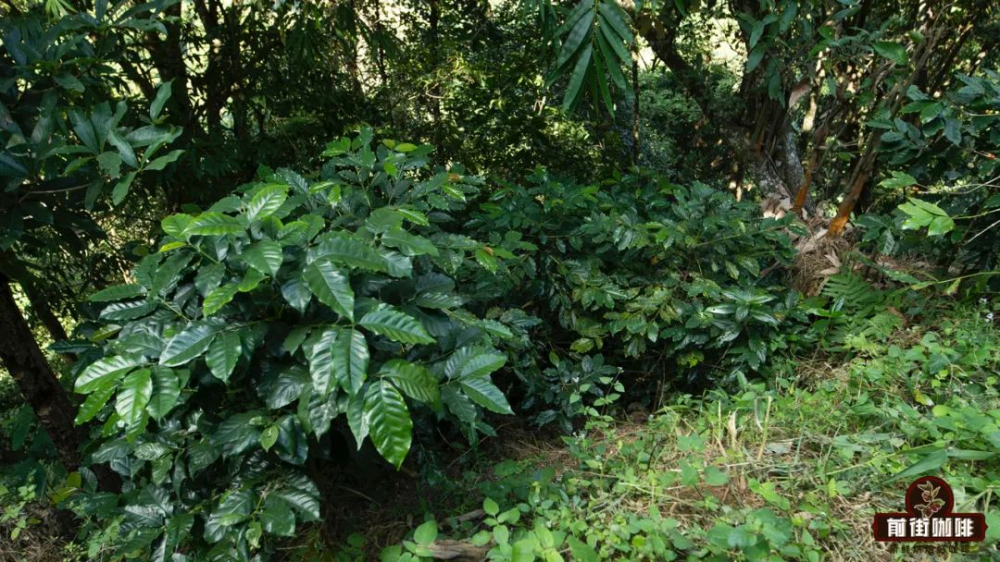
(Most of the time is spent walking through winding and steep coffee groves~)
The coffee harvesting process is the same. We all know that fully ripe coffee cherries can bring a richer mouthfeel. In addition, the mixed varieties in the forest, the thickness of the fresh fruit during drying, and timely turning during the drying process—though these matters seem trivial, if they are not explained to the coffee farmers handling them, they may not know that these details affect the taste of the coffee in the cup.
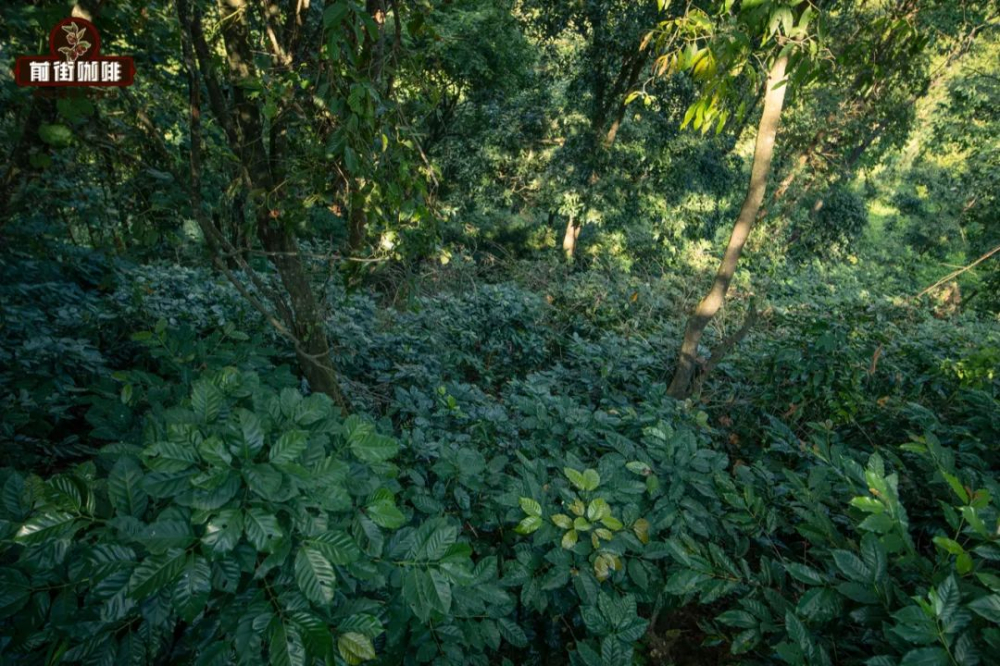
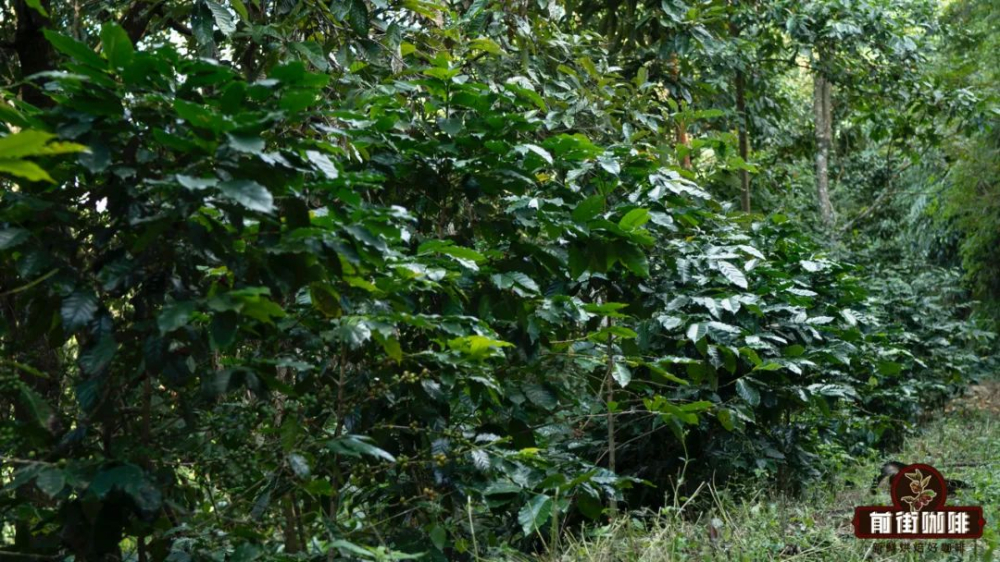
From seed to maturity takes about 3 to 4 years. The mainstream varieties of specialty coffee in major production areas are basically Typica or Bourbon, and the differences between varieties are not considered large; different regions will present different regional flavors.
It can thus be seen that terroir is equally a key factor. No one can predict what kind of fruit will be produced after a few years; the answer must wait several years to be revealed.
Apart from maintaining a good growing environment, there are not many technical steps in between where humans can intervene; one can only quietly wait for it to slowly grow, flower, and bear fruit, and even fertilization must be done with special caution. Why is it that although many coffee drinkers already emphasize Typica, Bourbon, or Geisha, Catimor is still the mainstream in Yunnan's production areas?
You should know that changing varieties and raising altitude all require several years to start over from scratch. Although coffee farmers are in the mountains, they may not be able to adjust the land as they please. Only after several years of planting and seeing results does it come time to compare and adjust processing methods, and that takes another two years. This is also the reason why, even if people know the answer, they will not easily start over from the beginning.
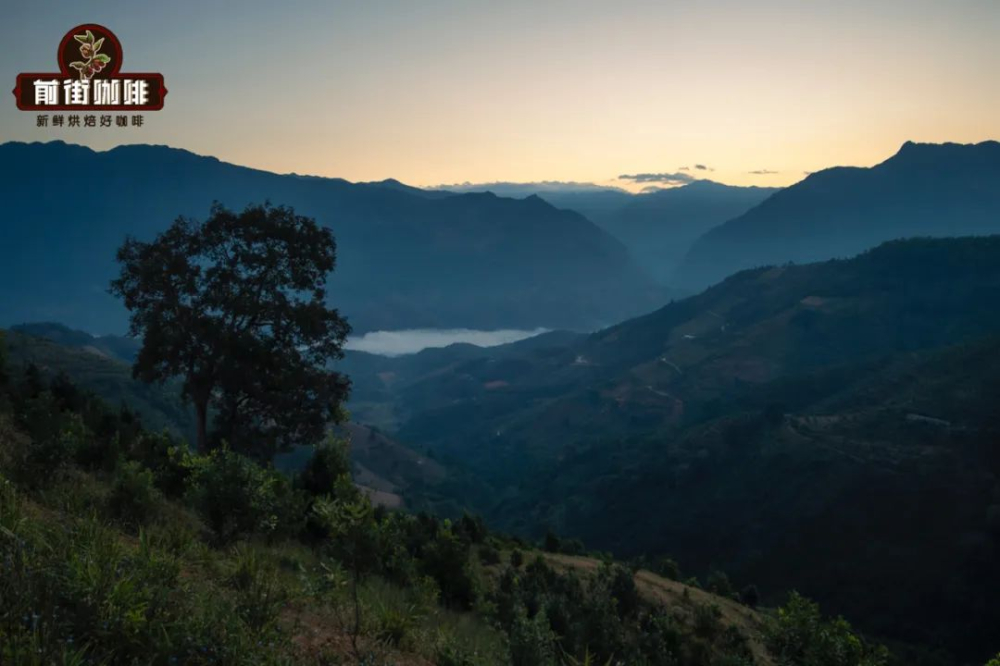
A long time does not necessarily bring good results, but good results inevitably require a long time to be nurtured—perhaps this is also a kind of beauty.
- END - FrontStreet Coffee
No. 10 Bao'an Qian Street, Yandun Road, Dongshankou, Yuexiu District, Guangzhou, Guangdong Province
The above content is compiled by CoffeeHunters, a coffee news website.


