







How Does the Konta Landslide Affect the Coffee Industry?
A landslide in the Konta zone of southwestern Ethiopia killed at least 6 people, with five bodies recovered and searches continuing. The area sits near Djimmah and Kaffa, important coffee-growing regions. Heavy rain delayed the coffee harvest, blocked transport and added pressure on production, while regional insecurity, currency swings and fertilizer costs cloud the outlook.
Landslides have struck the area repeatedly this year, with about 300 deaths between July and September, including two events in the Gofa Zone. A second landslide during rescue work caused heavy casualties. For coffee industry observers, delayed EU deforestation rules, lower coffee prices and a reduced minimum export floor price offer some relief on the export side.
A landslide recently occurred in the Konta zone in southwestern Ethiopia, killing at least 6 people. The area is adjacent to important coffee-producing regions such as Djimmah and Kaffa. Since the beginning of this year, the area has repeatedly suffered similar disasters, and about 300 people died as a result between July and September. Continuous heavy rainfall not only threatens people's safety, but also delays coffee harvesting, obstructs transportation, and puts pressure on production. At the same time, regional security conditions, exchange rate fluctuations, rising fertilizer costs, and the possible drought risk brought by La Niña all make the outlook for Ethiopia's coffee industry full of uncertainty. However, the delay of the EU EUDR, the decline in coffee prices, and the lowering of the minimum export floor price also bring a glimmer of good news for exports.
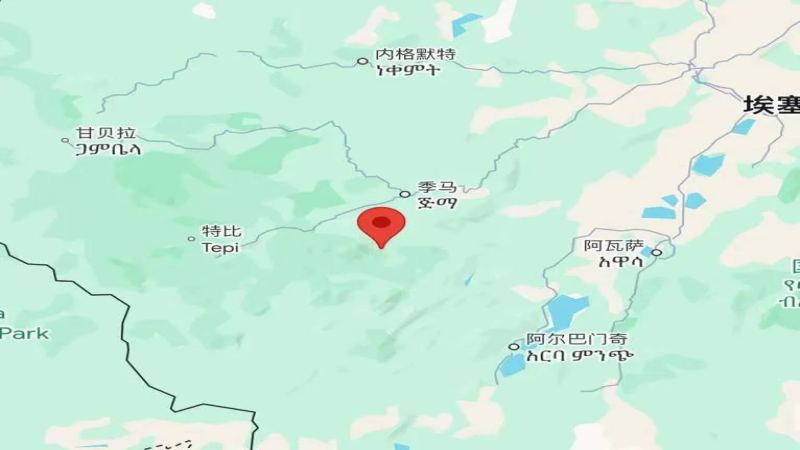
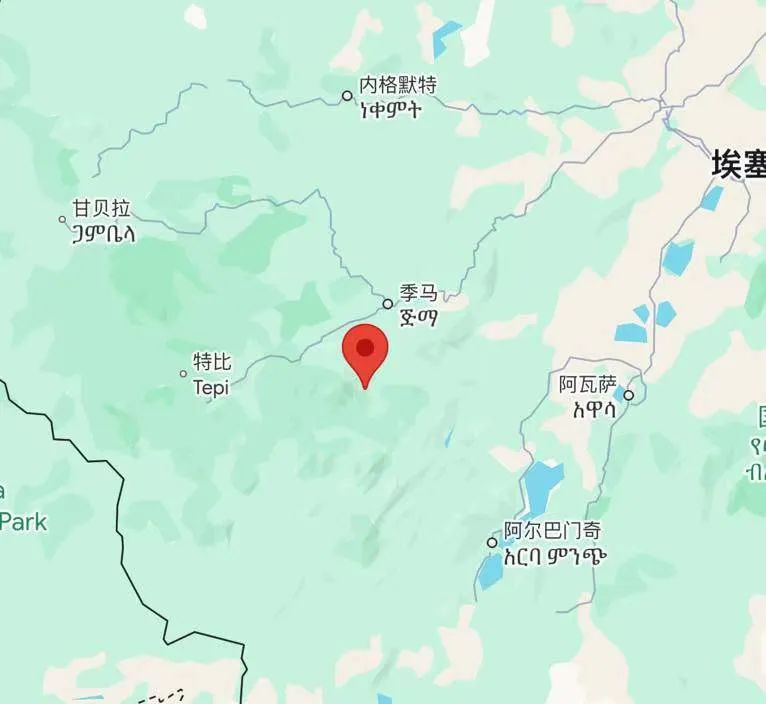
According to local Ethiopian media reports, the Ameya district in the Konta zone of Ethiopia's South West Ethiopia Peoples' Region recently suffered a landslide, and at least 6 people have been confirmed dead.
The local police commission said that heavy rain continued the night before the disaster, and the landslide occurred early the next morning. The victims came from two local families, one of which lost 4 members, while the other lost 2 people.
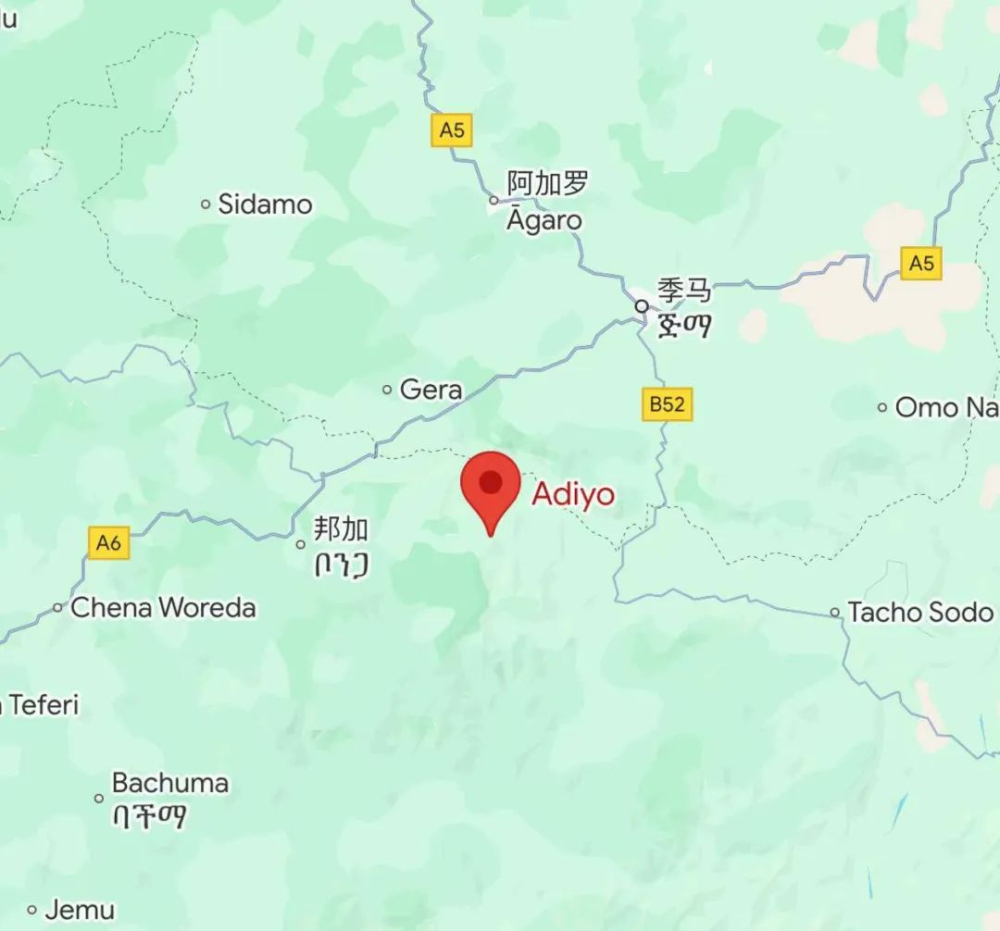
At present, rescuers have found 5 bodies and are still continuing to search for the missing, but police did not say whether more people are still unaccounted for. Police also reported that another landslide occurred in the Adiyo district within the Konta zone. However, heavy rain forced search and rescue work to be suspended, and the exact number of people affected cannot yet be determined.
The head of the area's police commission said that due to continuous rainfall, there is still a risk of another landslide, and combined with thick fog, search and rescue operations are very difficult and can only proceed cautiously to avoid causing new accidents.
It is understood that landslides have occurred many times near this area this year. In particular, in mid-to-late July, two landslides occurred in succession in the Gofa Zone. During the search and rescue after the first disaster, a second landslide struck, causing severe casualties and property losses. According to statistics, during the period from July to September, landslide accidents caused about 300 deaths in total.
Geological experts pointed out that the area experienced heavy rainfall and floods from April to May this year, and June to October is Ethiopia's heavy rain season, resulting in loose soil and severe soil erosion, making disasters highly likely.
The Konta zone where this incident occurred is located in south-central Ethiopia, close to coffee-producing areas such as Djimmah and Kaffa, and is an important production area for Ethiopia's large-volume commercial coffee beans.
Every year from October to March of the following year is Ethiopia's coffee harvest season, but the recent rainy weather will delay part of the coffee harvest. In addition, floods and landslides will directly damage the coffee-growing environment and some infrastructure, ultimately leading to a decline in coffee production. Landslides may also destroy roads and infrastructure, affecting the transport of coffee from producing areas to the capital and ports, and hindering the movement of goods.
At present, the overall situation of Ethiopia's coffee industry is not optimistic, with the biggest challenges coming from regional security and rising local prices. The war in the Amhara region in the north of the country continues, and armed conflicts also occur from time to time in Oromia near the capital, affecting regional security and the country's economic development.
On the other hand, since July Ethiopia has made major adjustments to its foreign exchange system, causing the Ethiopian birr to depreciate sharply, and local prices have risen accordingly. The World Bank predicts that the escalation of conflicts in the Middle East may push up global fertilizer costs, which is especially unfavorable for Ethiopia, which relies on fertilizer imports. In addition, the Red Sea crisis has led to higher shipping prices and fewer ships at the Port of Djibouti, further driving up the prices of some imported goods in Ethiopia and increasing planting costs.
In addition, the market is also worried about the arrival of La Niña. After November, Ethiopia will enter the dry season, and La Niña may intensify drought risks, affect harvesting during the coffee season, and ultimately lead to reduced production.
However, coffee-producing areas in Brazil have recently seen the return of rainfall, the EU EUDR has been delayed, and coffee prices have currently fallen sharply, with Ethiopian coffee also affected. According to the minimum coffee export floor price issued by the Ethiopian Coffee and Tea Authority, it has also been lowered by 0.5%, which is beneficial to its coffee exports.
To learn more about coffee origin news and information, please directly scan the QR code to follow: Coffee Review
Long-press the QR code to follow:
TRANSLATE with
x
English
Arabic Hebrew Polish Bulgarian Hindi Portuguese Catalan Hmong Daw Romanian Chinese Simplified Hungarian Russian Chinese Traditional Indonesian Slovak Czech Italian Slovenian Danish Japanese Spanish Dutch Klingon Swedish English Korean Thai Estonian Latvian Turkish Finnish Lithuanian Ukrainian French Malay Urdu German Maltese Vietnamese Greek Norwegian Welsh Haitian Creole Persian
TRANSLATE with
COPY THE URL BELOW
Back
EMBED THE SNIPPET BELOW IN YOUR SITE Bing Webmaster Portal
Back
(This article was compiled and edited by Front Street Coffee. For more updates on Ethiopian coffee-producing regions, you are welcome to keep following Front Street Coffee.)
The above content is compiled by CoffeeHunters, a coffee news website.


