







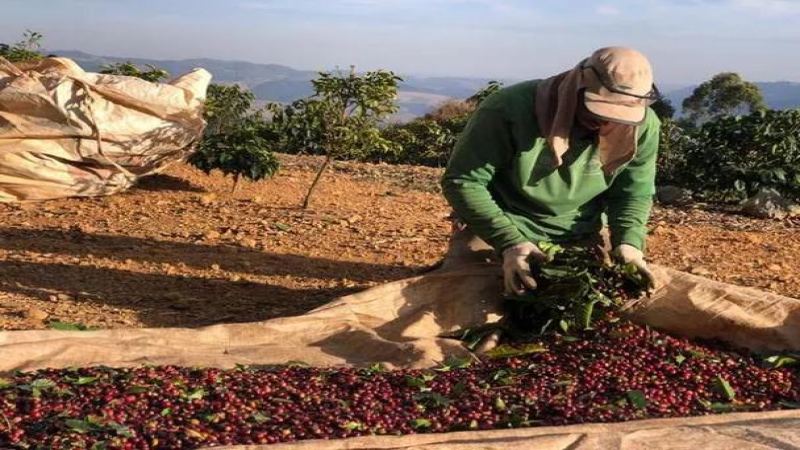
Why Are Brazilian Arabica Coffee Prices Climbing?
Brazilian arabica coffee spot prices reached 1,805.68 reais per 60-kg bag, the highest level in 26 years and an 18.3% monthly increase. Falling inventories, reduced production expectations, uneven weather and a stronger dollar against the real pushed prices up. Delays at the ports of Santos and Rio de Janeiro stranded 1.717 million bags, causing about US$489.72 million in foreign exchange losses.
Brazil's 2024/25 crop is under pressure after severe drought in August and September. Rain returned from October but remains uneven, and Minas Gerais still has below-average precipitation, low soil moisture and high temperatures, so good flowering does not guarantee a strong harvest. Robusta spot prices also rose, though by a smaller 8.27%, highlighting the strain on coffee production brazil wide.
Recently, spot prices for Brazilian arabica coffee surged to their highest point in 26 years, reaching 1,805.68 reais per 60-kg bag, a monthly increase of 18.3%. Declining inventories, downward revisions to production expectations, unstable weather, and exchange rate fluctuations combined to drive prices higher. Meanwhile, severe delays at the Port of Santos and the Port of Rio de Janeiro left 1.717 million bags of coffee stranded, causing approximately US$489.72 million in foreign exchange losses, with exporters also bearing high demurrage costs. Robusta coffee prices also rose slightly. This article will provide a detailed analysis of the current price trends, weather impacts, port difficulties, and exchange rate pressures in the Brazilian coffee market.
According to reports from local Brazilian media, since November, domestic spot prices for arabica coffee in Brazil have climbed sharply. At present, coffee is selling for 1,805.68 reais per 60-kg bag (approximately US$311), with a cumulative monthly increase of 18.3%, also the highest price level in nearly 26 years.
In early November, arabica coffee spot prices were still stable at around 1,500 reais per bag. But afterward, multiple factors—including persistently declining coffee inventories, market concerns about a decline in Brazil's 2024/25 production, an uncertain outlook for the 2025/26 crop season, and a sharp appreciation of the U.S. dollar against the real—combined to push prices upward.
Brazil experienced severe drought in August and September. Rainfall began to recover from October, but precipitation was very unevenly distributed—some areas saw continuous heavy rain, while others received only scattered light rain. This weather pattern has continued to disrupt the growth of coffee crops.
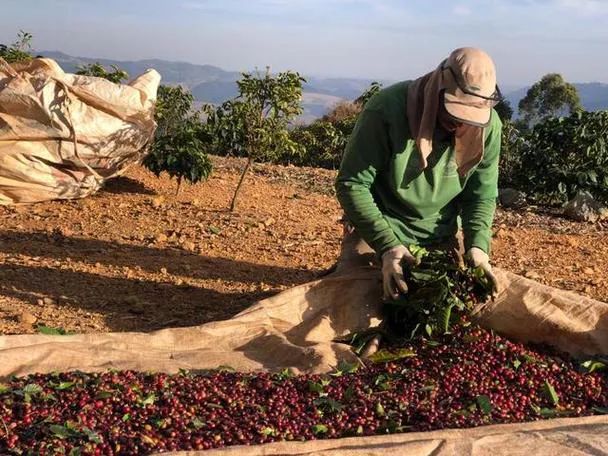
At present, in Minas Gerais, Brazil's main arabica coffee-producing state, rainfall remains unstable, precipitation continues to be below historical averages, soil moisture is low, and temperatures are also high. Even if the coffee trees are flowering well right now, that cannot guarantee a good harvest in the end. As a result, many growers fear they will face even more severe production cuts during the harvest season.
As for robusta coffee, spot prices have also risen, but by a relatively smaller margin, up 8.27% from the end of October, currently at 1,570.79 reais per bag. This is mainly because Brazil's robusta coffee cultivation conditions are better than those for arabica, and it is more tolerant of harsh weather, so production is expected to increase. However, as international coffee prices have risen overall, Brazil's robusta spot prices have also moved upward.
However, the port delay problem in Brazil remains very serious. As early as September, reports indicated that 2.15 million bags of coffee were stranded at ports and unable to be exported. By October, according to a report from the Brazil Specialty Coffee Association (Cecafe), monthly coffee exports hit a record high of 4.926 million bags, and port delays eased somewhat, but 1.7 million bags of coffee were still backlogged.
Cecafe stated that due to repeated ship delays, Brazil accumulated a backlog of 1.717 million bags (5,203 containers in total) of coffee products. Based on the October average FOB export price of US$285.21 per bag (green coffee), this resulted in a total loss of approximately US$489.72 million in foreign exchange earnings. Coffee exporters also lost 6.986 million reais due to additional warehousing, demurrage, and pre-stacking costs.
Among Brazil's ports, the Port of Santos is the most important coffee export port, but it also has the highest ship delay rate, reaching 74%; the delay rate at the Port of Rio de Janeiro, the second-largest coffee export port, was 70%.
In addition, Brazilian growers have recently been troubled by rising costs, mainly due to the plunge of the Brazilian currency, the real, to a historic low, while the U.S. dollar strengthened. On November 28, the commercial dollar closed at 5.989 reais, up 1.3% in a single day, with the intraday high once breaking through the 6-reais mark.
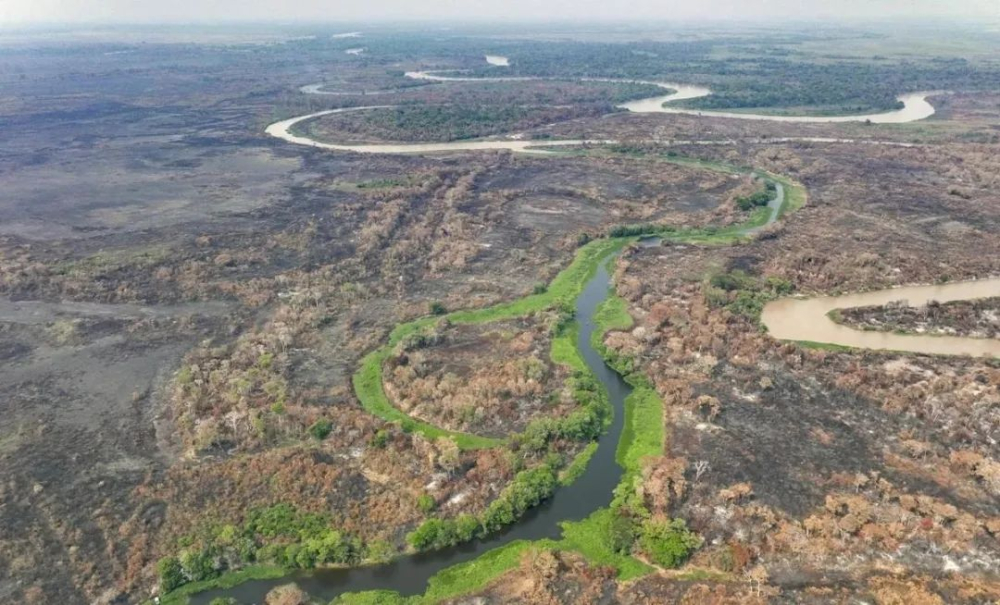
Coffee is mainly traded in U.S. dollars. Although the depreciation of the real can enhance the price competitiveness of Brazilian coffee in the international market, growers have to bear the pressure of rising import costs and exchange rate fluctuations. This situation will ultimately push coffee prices further up.
To learn more information about coffee origins, please scan the QR code to follow: Ka Ping
Long-press the QR code to follow:
The above content is compiled by CoffeeHunters, a coffee news website.


