







How Severe Weather Threatens the Colombian Coffee Crop
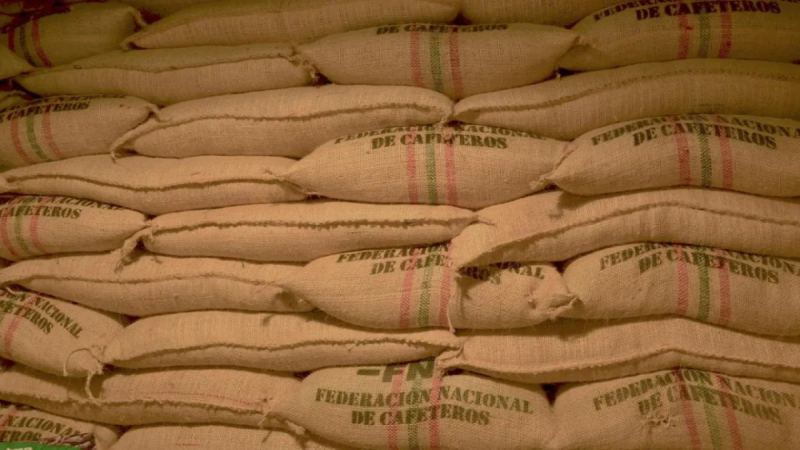
Heavy rain and a volcano eruption have pushed Colombia into a national state of disaster just as coffee trees are fruiting. Floods and landslides struck Bogotá and surrounding Cundinamarca, and Antioquia saw volcanic activity. Excessive rain during fruiting can knock cherries off the branch and delay harvest, threatening the supply that markets expected from the new crop season.
The setback follows strong numbers. Colombia's October 2024 production reached 1.33 million bags, up 16% year on year, and first-ten-month output was 10.4 million bags, up 18%, with exports up 17%. The FNC had projected 13 million bags for 2024. U.S. C-type futures climbed to 272.03 cents per pound as supply concerns in the new season intensified.
In the first 10 months of this year, Colombia's coffee production and exports both achieved double-digit growth, and FNC at one point predicted that full-year production could reach 13 million bags. However, the country has recently been hit by extreme weather in many places — heavy rains in the capital Bogotá and surrounding areas triggered floods and landslides, and a volcano erupted in Antioquia Department, prompting the government to declare a national state of disaster. This comes during the coffee tree fruiting period, and excessive rainfall may cause cherries to drop and delay harvest, thereby affecting production and supply. At the same time, the U.S. C-type coffee futures price has once again soared to 272.03 cents per pound, with market concerns about supply in the new crop season clearly intensifying.
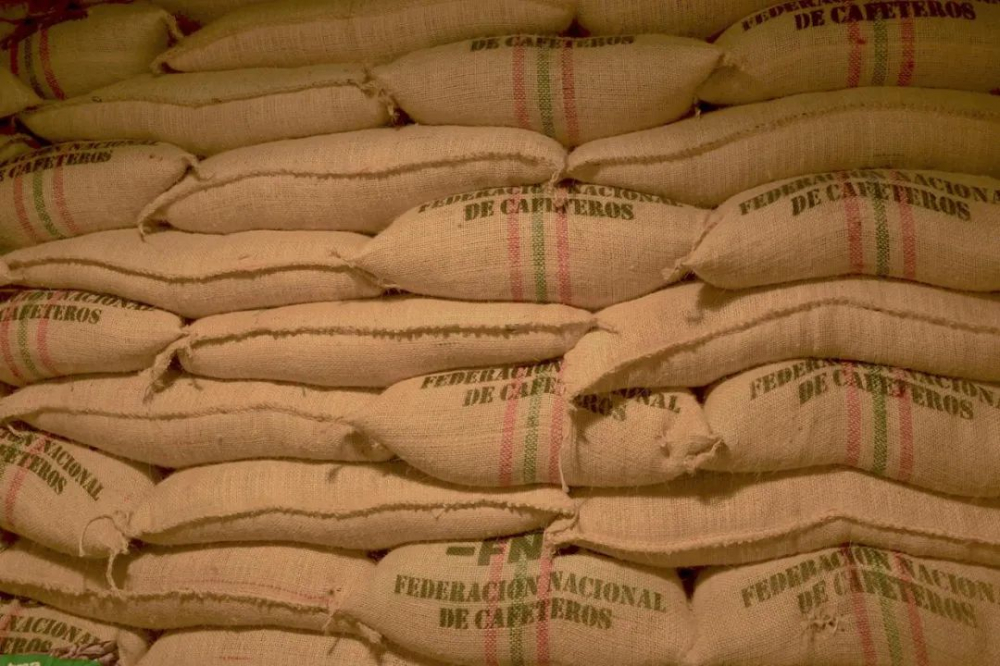
According to data released by the National Federation of Coffee Growers of Colombia (FNC), the country's coffee production in October 2024 reached 1.33 million bags (60 kg each), up 16% from the same period last year and also up 24% from 1.07 million bags in September.
In the first ten months of this year, Colombia's cumulative coffee production was 10.4 million bags, up 18% year on year; cumulative exports during the same period were 9.83 million bags, up 17% year on year. Based on this performance, FNC had expected Colombia's total coffee production in 2024 to reach 13 million bags.
However, just recently, many regions of Colombia have been hit by extreme weather. The capital Bogotá, Chocó Department and La Guajira Department were especially severely affected by heavy rains, while a volcano erupted in Antioquia Department, and the government has officially declared a national state of disaster. According to Colombian media reports, over the past few days, Bogotá and multiple areas of surrounding Cundinamarca Department have continued to experience intense rainfall, and the surge in precipitation has triggered numerous floods and landslides, affecting thousands of people.
It is reported that the heavy rains, combined with blocked sewer systems, caused flooding on several major roads in the capital, disrupting normal traffic and cargo transport and affecting local residents' travel and economic development. In addition, Colombia's civil aviation authority reported that due to heavy rains and thunderstorms in Bogotá, El Dorado International Airport has suspended operations, with resumption to be announced later.
Local meteorological experts said that Cundinamarca Department and multiple cities have experienced heavy rainfall in recent days, and the rain may intensify further in the coming days. The rainfall will also spread to cities in northern Colombia, and the heavy rain may last until the end of November or even December, not ending until mid-December at the latest.
In northwestern Antioquia Department, the San José de Muratós volcano was recently reported to have erupted. According to Colombia's national disaster risk department, about 200 people have now been evacuated from the area; although several people fainted and were injured, fortunately there were no deaths. The eruption has cumulatively affected about more than 100 local families, 30% of whom are farmers. Multiple roads near the volcano have been blocked by erupted material, hindering passage and the transport of supplies.
It is understood that central Colombia alternates between two rainy seasons and two dry seasons each year, which also gives the central coffee-producing region two harvest seasons. Each year, October to November is the rainy season, which coincides with the coffee trees bearing fruit, and by December, the dry season, harvesting can begin. But the current heavy rainfall and thunderstorms may disrupt this rhythm.
When heavy rain occurs during the fruiting period, excessive rainwater triggers landslides in mountainous areas and damages local soil; sustained excessive precipitation can also cause leaves and fruit to drop, thereby affecting coffee production. The meteorological department predicts that the rainy season will not end until mid-December, which may delay coffee harvesting and delay coffee supply.
South America was already threatened by drought and severe forest fires in the previous months, and Colombia was no exception. This is very unfavorable for the development of the coffee industry and has already led to a slight decline in the country's coffee production — from June to September, production was only 1 million bags, improving only in October, but in November it fell into a state of disaster again, and production may decline once more.

In addition, several coffee-producing countries have reported increased exports, but the frequent severe weather recently has raised market concerns about coffee production in the new crop season. The industry benchmark for coffee bean prices, the U.S. C-type coffee futures, has once again soared to 272.03 cents per pound, close to this year's highest price in September.
To learn more about coffee origin news and information, please scan the QR code to follow: Ka Ping
Long-press the QR code to follow:
The above content is compiled by CoffeeHunters, a coffee news website.


