







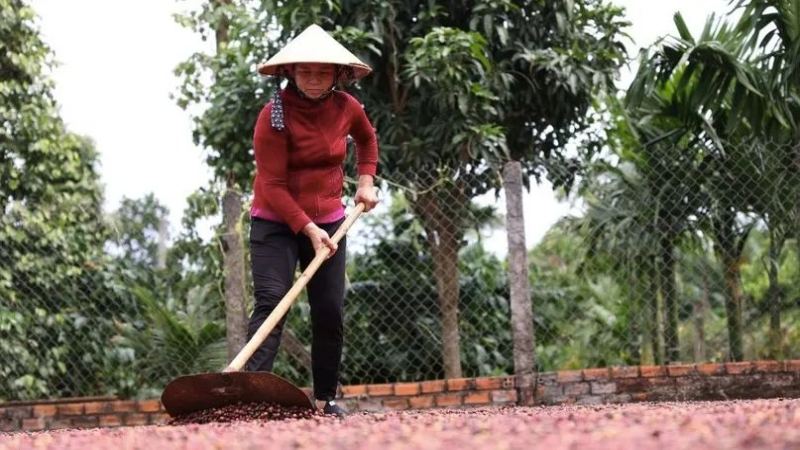
How Vietnam Coffee Production Fell in the 2024/25 Season
Vietnam's 2024/25 coffee crop is expected to drop about 10 percent, potentially the lowest in nearly a decade. The country, the world's second-largest producer and largest robusta grower, had its worst drought in ten years from March to May, hitting the early flowering stage. Exports in the first nine months of 2024 fell 11.5 percent to 1.1 million tons.
Some coffee trees died or grew poorly despite late-May rain, and Typhoon Yagi plus La Niña could bring excess rainfall. Robusta futures hit a near half-century high of 5,572 USD per ton before falling back on rain in Brazil. Coffee production by country is now closely watched, since a second straight Vietnamese shortfall tightens global robusta supply.
Recently, feedback data from multiple international coffee traders indicates that Vietnam's coffee production for the 2024/25 season is expected to decrease by 10%, potentially hitting the lowest level in nearly a decade. The return of La Niña has further raised market concerns. As the world's second-largest coffee producer and largest robusta grower, Vietnam experienced its worst drought in nearly ten years this year, particularly affecting the early flowering stage from March to May, leading to a second consecutive year of reduced production. Although rainfall increased in late May, it was insufficient to offset the damage from the earlier drought, with some coffee trees dying or growing poorly. Additionally, Typhoon Yagi and the impending La Niña phenomenon could bring more rainfall, further threatening agricultural output. International robusta coffee futures prices once hit a nearly half-century high due to drought and fires, and recently fell sharply due to rain in Brazil, but the market still expects prices to continue fluctuating before the end of the year.
According to media reports, multiple international coffee traders have pointed out through feedback data that Vietnam's coffee 2024/25 season will enter a new production period in October, but production is expected to decrease by 10% and could become the lowest level in nearly 10 years. At the same time, the return of La Niña has also raised concerns among traders.
Vietnam is currently the world's second-largest coffee producer and the largest robusta-growing country. However, this year Vietnam experienced its worst drought in nearly a decade, especially from March to May, which coincided with the early flowering stage of coffee, causing severe impacts and leading to a second consecutive year of reduced coffee production in Vietnam. Data from Vietnam's General Statistics Office show that in the first nine months of 2024, Vietnam exported 1.1 million tons, a decrease of 11.5% compared with the same period last year.
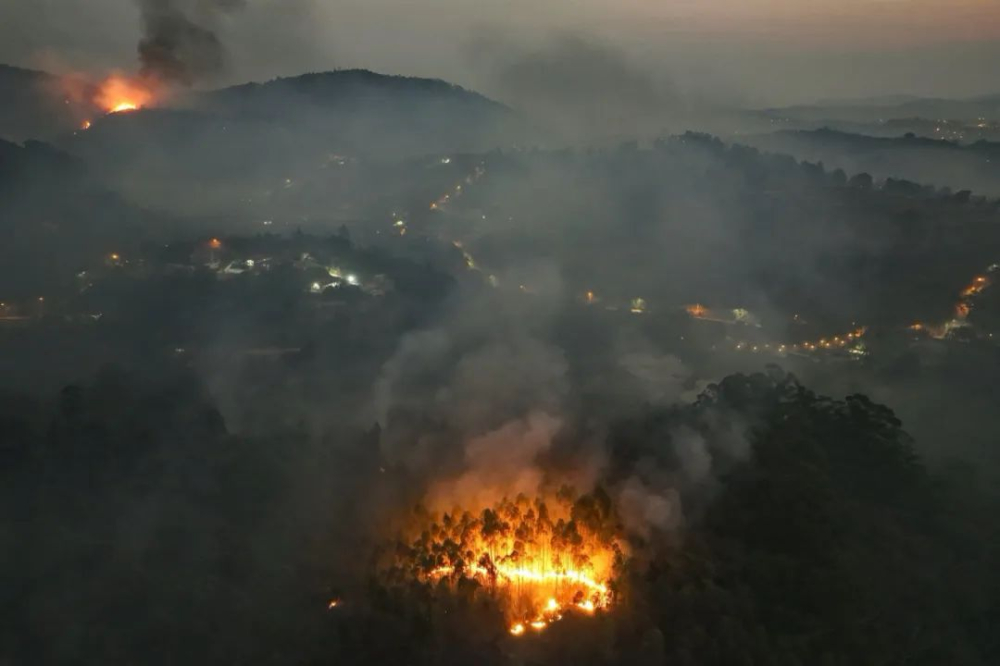
Therefore, experts estimate that this year's harvest may be 10% less than the previous production target. International robusta coffee futures prices also hit their highest level in nearly half a century last month, reaching $5,572 per ton, due to drought and fires in Vietnam and Brazil as well as the support of the EU's EUDR.
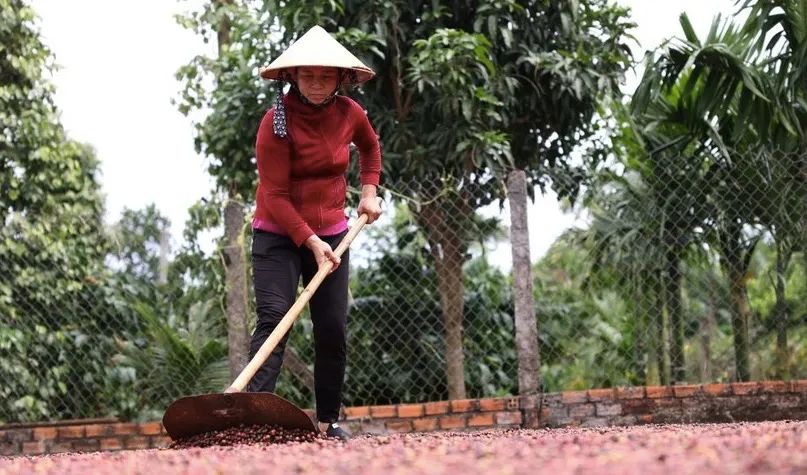
Although robusta coffee futures prices have recently fallen sharply to their lowest level in six weeks, currently at $4,701 per ton. The main reason is that some parts of Brazil have begun to see rainfall, especially the resumption of rain in Brazil's main robusta region of Espírito Santo.
In addition, the European Commission's proposal to delay the launch of the EUDR by one year will be voted on at a plenary session on November 13. It is reported that of the 720 seats in the European Parliament, 401 are held by members of the European People's Party (EPP), the Progressive Alliance of Socialists and Democrats (S&D), and Renew Europe. These three parties have clearly stated that they will vote in favor of the proposal to delay the implementation of the EUDR by one year, and the proposal is highly likely to be delayed. As a result, European coffee traders have begun to slow down their purchasing efforts.
According to the Vietnam Commodity Exchange, although Vietnam received rainfall at the end of May and rainfall increased, it is difficult to offset the adverse effects of the earlier drought, because some coffee trees dried up and died during the drought, while other surviving coffee trees grew poorly due to lack of water and drought, resulting in low yields. Therefore, the exchange's expectations are consistent with those of international traders: the 2024/25 season will see a 10% reduction in production.
Moreover, Vietnam has recently been reporting typhoon impacts. Earlier, in September, Super Typhoon Yagi made landfall in northern Vietnam, causing severe damage, nearly 300 deaths, and many missing persons. It is considered one of the strongest storms Vietnam has encountered in recent years, and it also brought widespread rainfall and flooding, leading to disasters such as landslides and mudslides, affecting multiple industries and causing serious economic losses.
In addition, meteorological departments say that in the coming months, rainfall in Southeast Asia may be higher than normal. This year, Southeast Asia has already been hit by a series of storms, causing a range of damage to agriculture, tourism, and industrial output in Vietnam and other countries. The current increase in rainfall may further damage these industries.
In addition to increased rainfall, the climate will also become more humid, largely due to the developing La Niña phenomenon, which moves warm seawater toward the western Pacific and brings more rainfall to Southeast Asia. Recently, experts from the World Meteorological Organization analyzed that in the second half of this year, La Niña has a 70% chance of appearing between October and November and may last until January to March next year, further threatening the globe. Due to severe weather, shipping problems, and geopolitical issues, traders believe that coffee prices will continue to fluctuate until the end of 2024.
To learn more about coffee origin news and information, please scan the QR code to follow: Coffee Review
Long-press the QR code to follow:
The above content is compiled by CoffeeHunters, a coffee news website.


