







How Dengue Fever Disrupted Brazil's Coffee Industry and Santos Port
El Niño driven heat and humidity fueled severe dengue outbreaks across the Americas, and Brazil recorded more than 3.5 million confirmed cases and 1,544 deaths, both records since 2000. With the new Robusta harvest starting, worker absences slowed picking, while ship delays at the Port of Santos rose to about 80 percent in March.
Santos already struggled with aging facilities and thin staffing, so the epidemic worsened congestion, with Rio de Janeiro at 81 percent and Vitória at 59 percent. Indonesia also reported over 60,000 cases and 475 deaths, roughly triple the year-earlier figure. The combined effect is slower coffee production brazil depends on and tighter shipment schedules.
The hot and humid climate brought by El Niño has created conditions for mosquito breeding, leading to severe dengue fever outbreaks in multiple countries across the Americas. Among them, Brazil's confirmed cases exceeded 3.5 million, with 1,544 deaths, both setting record highs since 2000. Hospital admissions surged, with the average dengue fever admission rate at São Paulo's municipal hospitals reaching 90%. Meanwhile, Brazil has entered the early stage of harvesting the new Robusta coffee season, and a large number of workers are absent due to illness, significantly slowing the harvest progress. The Port of Santos had long suffered from ship delays due to aging facilities, outdated management, and insufficient manpower, and the epidemic has further exacerbated congestion, with the coffee ship delay rate rising to 80% in March, 81% at the Port of Rio de Janeiro, and 59% at the Port of Vitória. Indonesia in Asia has also experienced a dengue fever outbreak, with over 60,000 confirmed cases and 475 deaths, approximately three times that of the same period last year. Front Street Coffee reminds you to pay attention to production area developments and travel safety.
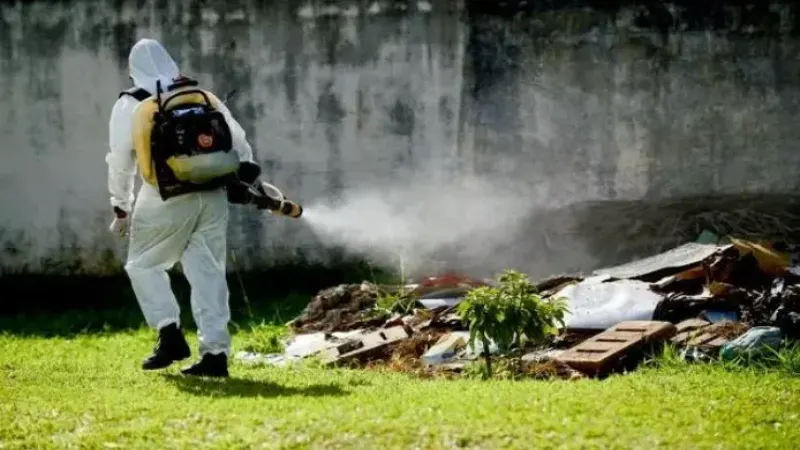
Recently, under the influence of the El Niño climate pattern, multiple countries in the Americas, currently in summer, have experienced prolonged hot and humid weather, an environment highly conducive to mosquito breeding and reproduction, thereby triggering severe dengue fever outbreaks in many countries.
According to the latest report from the Pan American Health Organization, as of mid-April this year, the Americas region has cumulatively monitored over 5.2 million confirmed dengue fever cases, surpassing last year's total of 4.5 million. Geographically, Brazil, Argentina, and Paraguay have the most severe outbreaks, with cases also rising in Guatemala, Costa Rica, Mexico, and other places. The total confirmed cases in these countries account for over 90% of the entire Americas region, and deaths account for more than 83%.
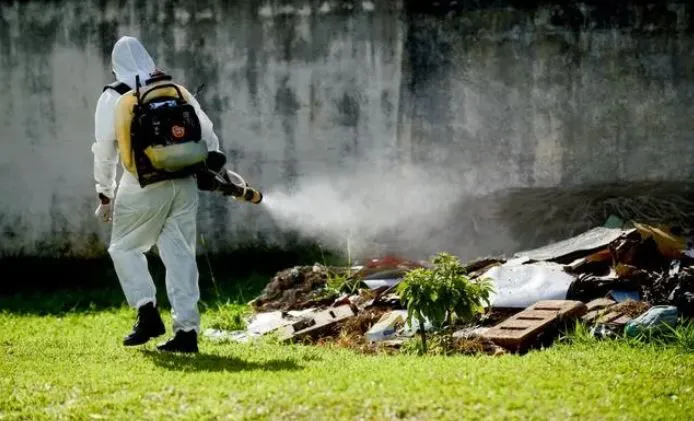
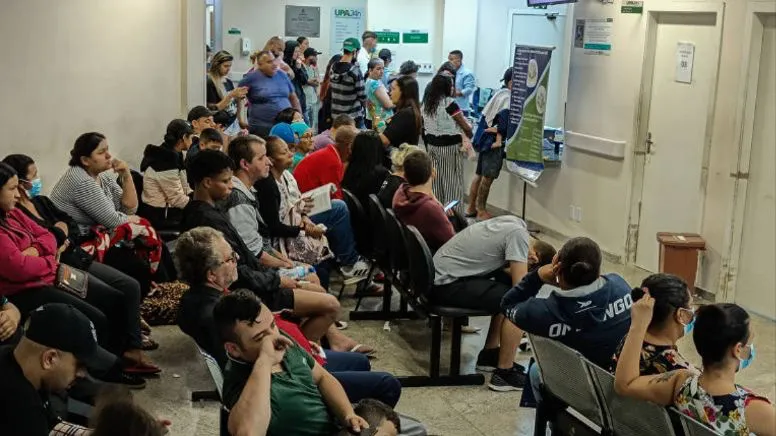
The situation in Brazil is particularly prominent, with confirmed cases exceeding 3.5 million and 1,544 deaths, both numbers breaking records since 2000. The massive infection base has caused a sharp rise in hospital admissions across Brazil. For example, at São Paulo municipal hospitals, the number of dengue fever inpatients has surged more than 20-fold, with an average admission rate as high as 90%.
Currently, Brazil is entering the early harvesting stage of the new Robusta coffee season. Although harvesting has begun, a large number of workers are unable to report to work due to dengue fever infection, resulting in very slow overall progress.
At the same time, Brazil's largest port, the Port of Santos, had already been plagued by ship delays due to outdated equipment, outdated management methods, and long-term manpower shortages. The recent spread of the dengue fever epidemic has made this situation even worse.
According to statistics from the Brazil Coffee Exporters Association (Cecafe), the coffee ship delay rate at the Port of Santos reached 80% in March, up 5 percentage points from 75% in February. This is also the third-worst performance since January 2023, involving 90 container ships, with the longest delay reaching 39 days.
Specifically, about 30% of ships were able to complete exports within 2 days, 57% took 3 to 4 days, and another 12% had an export cycle exceeding 4 days. In addition, hindered by labor shortages, the coffee ship delay rate at the Port of Rio de Janeiro reached as high as 81%, and the Port of Vitória also reached 59%.
In Asia, Indonesia has also experienced a dengue fever outbreak. According to Indonesia's Ministry of Health, the country currently has over 60,000 confirmed cases and 475 deaths, approximately three times that of the same period last year. As the "May Day" holiday approaches, the Chinese consulate reminds Chinese citizens in Indonesia to pay attention to travel safety and strengthen dengue fever prevention measures.
The above content is compiled by CoffeeHunters, a coffee news website.


