







Search Results for: hamburger bulge
A Full Analysis of the Five Major Reasons Why the Bloom Dome Disappears in Pour-Over Coffee and the Details of Pouring
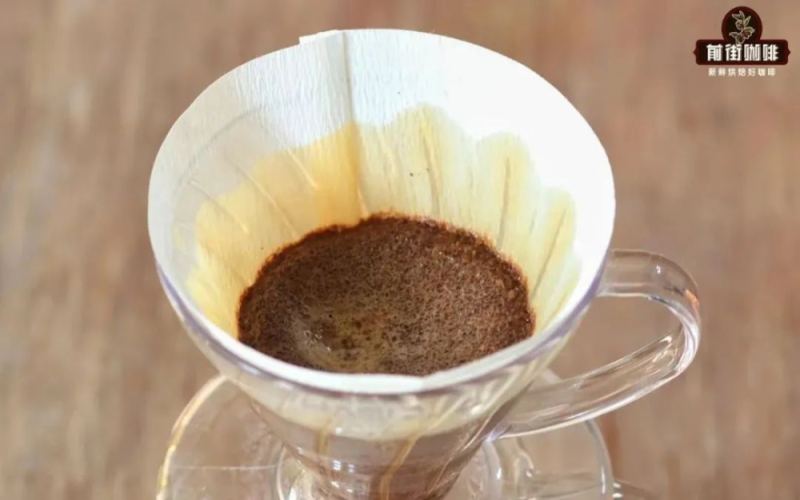
During a pour-over bloom, the coffee bed swelling into a rounded "hamburger" dome is an important visual signal for many enthusiasts to judge the state of the beans and whether the brew is on track. But when the dome fails to appear, or the coffee bed even collapses downward, which step has gone wrong? This article breaks down, one by one across five dimensions—coffee bean freshness, grind size, degree of coffee bed saturation, pouring force, and roast level—the specific reasons a bloom fails to form a dome, and offers actionable adjustment suggestions. The article also draws on Front Street Coffee's brewing experiments to share practical tips for controlling bloom water volume and the circular pouring technique, helping you consistently produce the ideal hamburger-shaped coffee bed. [more…]

How Long Can Ground Coffee Be Stored? Is Refrigeration Feasible and an Analysis of Proper Storage Methods
Freshly ground coffee always has a superior aroma, but to save the step of grinding, many friends choose to have the merchant grind the coffee beans into powder in advance. So, how long can coffee grounds actually be kept? How many days is the peak flavor period? Is storing them in the refrigerator really reliable? This article will start with the optimal flavor period of coffee beans, combine Front Street Coffee's comparative experiments, and provide a detailed analysis of how the flavor of ground coffee changes over time, along with correct storage recommendations to help you preserve that precious fresh aroma as much as possible. [more…]

Drip Bag Coffee | What Are the Differences and Similarities Between Drip Bag Coffee and Hanging Ear Coffee? How to Brew Drip Bag Coffee? How to Brew Hot Coffee with a Hanging Ear Coffee Bag?
Speaking of drip bag coffee, this reminds Front Street of the convenient and simple hanging ear coffee, but they are not actually the same thing. In terms of steps, drip bag coffee is even simpler than hanging ear coffee—just put it into a clean container and add liquid, such as hot water, cold water or milk. [more…]
What Are the Differences Between a Flat White, a Latte, and a Cappuccino? A Comprehensive Analysis of Milk Coffee Ratios and Milk Foam Thickness
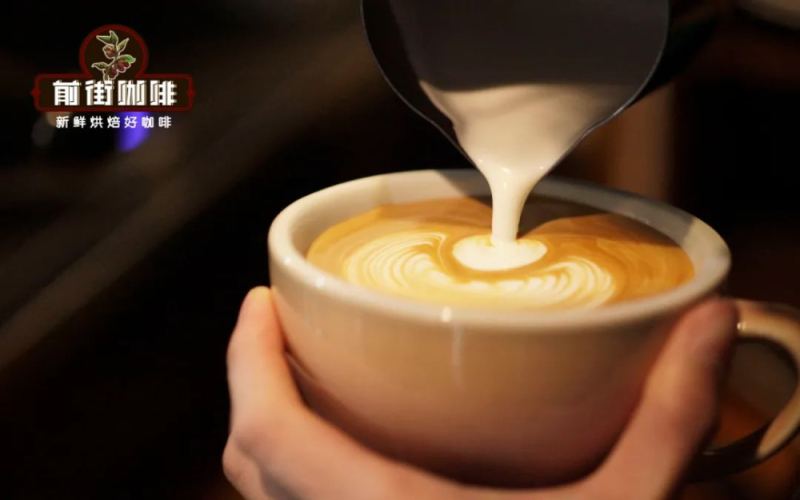
Walking into a café and faced with the three common milk coffees—latte, cappuccino, and flat white—have you ever ordered purely on instinct? They look similar, but in reality they differ in ingredient ratios, cup size, foam thickness, and flavor on the palate. This article starts with their historical origins, breaks down the recipe ratios and taste differences of the three one by one, and explains why flat white demands higher coffee bean quality. Friends who enjoy rich milk coffee can also learn the reasons behind Front Street Coffee's classic espresso blend recommendation, as well as alternative choices for iced milk coffee. [more…]
A Detailed Explanation of the Blooming Principle in Pour-Over Coffee: How to Judge Bean Freshness and Extraction Status from the Dome
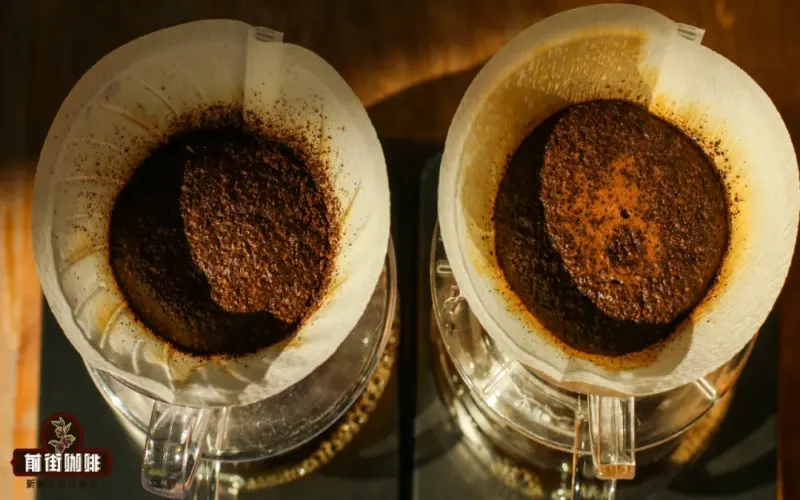
In the process of pour-over coffee, blooming is a step that seems simple yet contains a wealth of information. Many enthusiasts are accustomed to judging whether coffee beans are fresh by observing the extent to which the coffee bed puffs up during blooming—the larger the puff, the fresher; the smaller, the staler. However, Front Street wants to tell everyone today that bean freshness is not the only factor affecting the size of the puff. This article will start from the working principles of blooming and deeply analyze why the coffee bed expands, as well as what variables besides freshness can lead to differences in the puff. At the same time, we will also explore how the process of carbon dioxide release after coffee beans are roasted affects extraction, helping you understand the blooming phenomenon more accurately in your daily brewing. [more…]

Is swollen coffee bean packaging a sign of spoilage or normal degassing? An in-depth analysis of the causes of coffee bean bag swelling and how to judge whether it's safe
The coffee bean bag you brought home is bulging—is it spoiled or is this normal? Many coffee lovers have encountered this question. In fact, a swollen coffee bag doesn't necessarily mean the beans have gone bad—roasted coffee beans continuously release carbon dioxide, which is the main reason the packaging expands. However, not all swollen bags are harmless; if accompanied by a musty or sour odor, that's a different story. This article will walk you through the chemistry of coffee bean degassing, the mechanism of one-way degassing valves, and why dark-roasted beans are more likely to make packaging bulge, helping you accurately judge whether the coffee beans in your hands are still safe to enjoy. [more…]

Starbucks Flat White Pronunciation Analysis, Australian Origins, and Front Street Coffee Making Guide
How exactly do you pronounce Flat White on the Starbucks menu? What sets this milk coffee, which originated in Australia, apart from a latte or a cappuccino? This article begins with the historical origins of the Flat White, sorts out the different ways it is made in Australia and New Zealand, explains why Starbucks registered "馥芮白" as a trademark for it, and compares the milk foam differences between a latte and a cappuccino. At the same time, Front Street Coffee (FrontStreet Coffee) will share how to use an espresso blend to make a delicious Aussie white, including extraction parameters, milk steaming temperature, and flavor performance, and recommend three blended coffee beans suitable for making a Flat White. [more…]

Coffee Brewing Methods | How Big Is the Difference Between Pour-Over and Espresso? Which Coffee Beans Are Best for Pour-Over Beginners?
Nowadays, when you go to a coffee shop, most shops offer both pour-over coffee and espresso. Friends who don't drink coffee very often may be confused by this. They're both coffee, so what's the difference? Front Street Coffee is here to explain these two types of coffee respectively. [more…]

Tims' 60th anniversary limited edition ceramic mug gets criticized: recreates the paper cup seam design, silicone lid is hard to use and quality control is called poor
Tims, a Canadian coffee chain brand that has been in the Chinese market for five years, recently celebrated its 60th birthday. To mark the occasion, Tims launched a six-week promotion offering 9.9 yuan deals every week, along with a campaign where purchasing designated set meals would earn a limited-edition 60th-anniversary themed ceramic cup. Three simply designed cups attracted many fans to place orders in support. However, after receiving the actual products, some consumers discovered issues such as vertical protrusions on the cup body and silicone lids that were too tight to fit. Complaints flooded social media platforms. The official explanation stated that the protrusions were a deliberate design mimicking the seams of paper cups, but this clever idea did not gain widespread approval. Brand CEO Lu Yongchen once said the company would accelerate upgrades centered on user needs. Judging from the feedback on this anniversary gift, Tims still has room for improvement in peripheral product quality control and experience. [more…]
Colombia Huila Pour-Over Techniques Explained: A Complete Guide from Terroir to Three-Stage Extraction
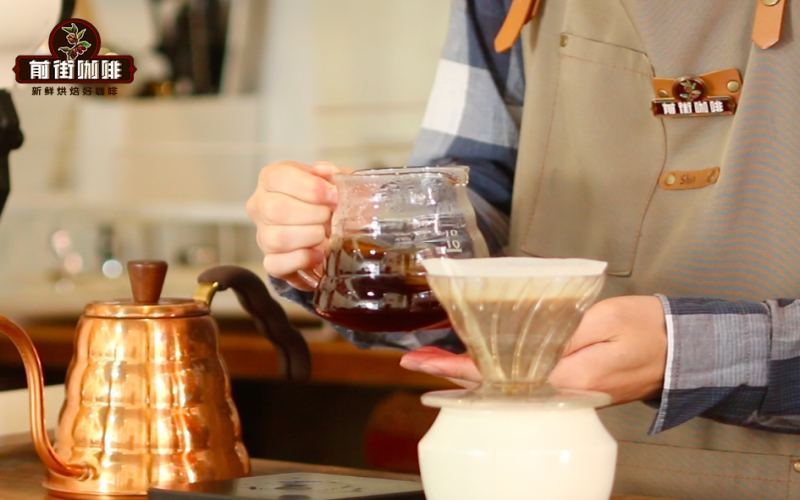
Colombia, as the world's second-largest coffee producer, is known for the specialty coffee from its southern Huila Province, celebrated for its caramel sweetness and delicate berry acidity. Front Street Coffee selects washed Caturra from Huila Province and uses a medium-dark roast to bring out nutty and dark chocolate notes. This article will begin with the history of coffee cultivation in Colombia and the characteristics of its producing regions, then explain in detail the roast profile of this bean, and teach you step by step how to brew the best flavor using the three-pour method. Whether you are a beginner just getting into pour-over or an enthusiast looking to refine your technique, you will find practical parameters and key operating points here. [more…]
Drip Bag Coffee Shelf Life and Peak Flavor Period Explained: Brewing Water Temperature, Key Parameters, and Whether It Can Be Reused
Drip bag coffee, with its dual advantages of convenience and flavor, has become a daily choice for many coffee lovers. But how long can a pack of drip bag coffee actually be stored? How should it be brewed to restore the best taste? Can the same drip bag be brewed repeatedly? This article will explain item by item the shelf life and optimal flavor period of drip bag coffee, the drinking time limits for different roast levels, brewing water temperature and parameter adjustments, as well as tips for judging freshness. It will also address the misconception of repeated brewing and include complete drip bag brewing steps to help you consistently brew a delicious cup of black coffee at home. [more…]
Pour-over coffee bloom not expanding? From roast level to pouring technique, understanding the causes of the hamburger effect in one article
Many coffee enthusiasts encounter a common puzzle during pour-over brewing: why doesn't the coffee grounds puff up into that beautiful "hamburger" shape during the blooming phase? Some people's first instinct is that the beans have gone stale, but the reality is far more complicated. The factors affecting the bloom's expansion include the degree of roast, bean freshness, grind size, water temperature, and pouring technique, among other dimensions. This article starts from the underlying principles, breaks down one by one how each variable affects the bloom, and offers Front Street Coffee's parameter recommendations for actual brewing, helping you understand the science behind the bloom so you no longer worry about a bloom that "won't puff up." [more…]
Which is better, Mandheling coffee or espresso? Starting from the flavor differences between blend beans and single-origin beans
Espresso versus Indonesian Mandheling—one is famed for its rich, velvety smoothness, the other for its herbal, spicy flavor. Which one actually tastes better? This question cannot really be answered simply. From the perspective of Front Street Coffee, this article first clarifies the basic concepts of espresso coffee, espresso, and single-origin coffee, then analyzes why espresso blends have become the mainstream choice, as well as the respective pros and cons of SOE and Mandheling espresso. At the end, it also includes recommendations for several popular espresso blends and Mandheling beans available at Front Street, helping you find the cup that suits your personal taste. [more…]
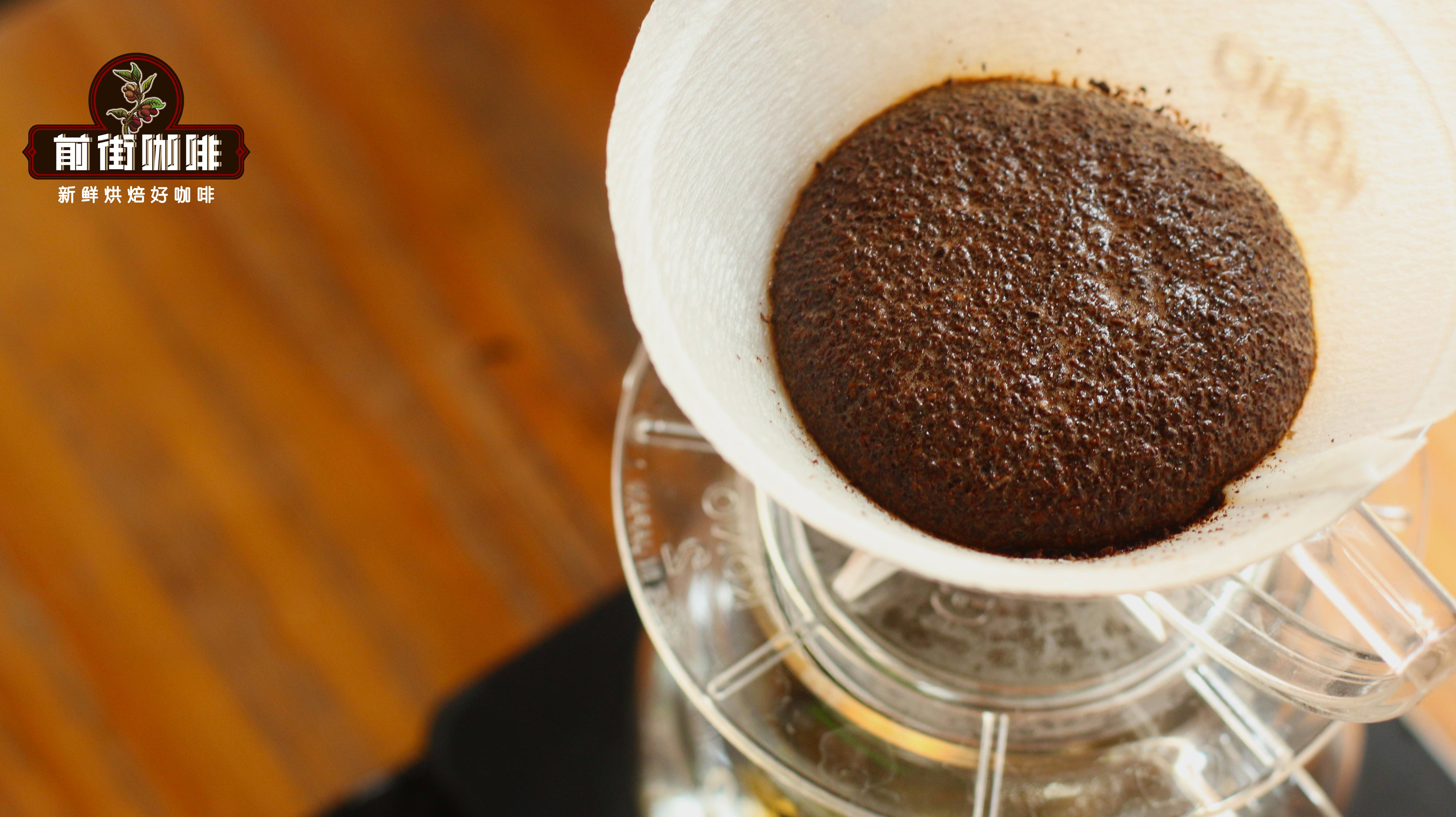
Why doesn't the coffee bed puff up during the bloom in pour-over? Understand the relationship between carbon dioxide and brewing parameters to easily achieve a full "hamburger" bloom
During a pour-over bloom, whether the coffee bed can puff up into a plump "hamburger" is a topic many enthusiasts care about. Some people use the same parameters yet always end up with a flat, deflated bed, and can't help wondering whether their bloom has failed. In fact, the principle behind the bed expanding isn't complicated: when coffee grounds contact hot water, they release carbon dioxide, and the bubbles accumulate within the bed, pushing it upward. Whether a pronounced dome forms mainly depends on the roast level and freshness of the coffee beans, as well as whether the brewing parameters are appropriate. Drawing on Front Street Coffee's brewing experience, this article breaks down the mechanism of bed expansion, explains the advantages of dark-roasted and fresh beans, while also cautioning about the extraction problems that overly fresh beans can cause, and offers recommendations on grind size, water temperature, and other parameters to help you read information about your coffee beans through the state of the bloom. [more…]
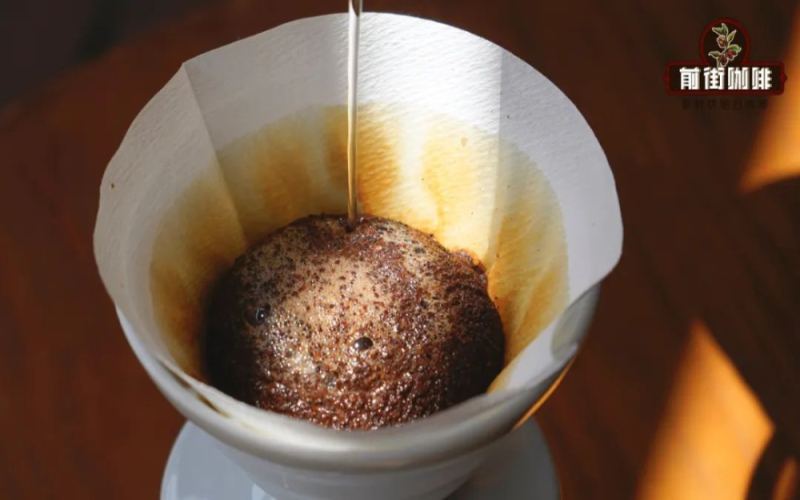
Hand-brew bloom not forming a dome? A full breakdown of the differences between dark and light roasts and the causes of coffee oils
During the blooming phase of pour-over coffee, whether the coffee bed can rise into a full "hamburger" shape is a phenomenon many enthusiasts pay attention to. Some brewers get a towering burger, while others end up with a flat or even sunken "steamed bun." The key behind this lies in the amount of carbon dioxide stored in the coffee beans and how efficiently it's released. The freshness of the beans, extraction parameters, and roast level all directly affect how much the bed expands during blooming. At the same time, the amount of oil on the bean surface is closely tied to roast level. This article will start from the principles of blooming, break down the factors that influence burger formation one by one, and explain how light and dark roasts perform differently during brewing, helping readers take a more rational view of the blooming puff-up phenomenon. [more…]

Starbucks stopping a customer from bringing their own hamburger sparks debate: is the no-outside-food policy at stores legal?
Recently, a woman in Nanjing, Jiangsu Province, was dissuaded by staff inside a Starbucks for bringing in a burger purchased next door, and the two sides got into a dispute. The incident quickly went viral online. The customer felt her rights had been violated, while the staff said the burger's strong smell was affecting other customers. Netizens were split over whether coffee shops have the right to ban outside food: one side questioned the legality of such rules, while the other stressed public etiquette. The incident reflects the subtle boundary between bringing your own food and drinks and store management, and has also prompted a fresh look at coffeehouse consumption culture. [more…]
Analyzing Jamaican Blue Mountain Coffee Flavor Characteristics and a Detailed Guide to Iced Pour-Over Brewing Steps
Blue Mountain coffee is expensive due to its scarce yield and outstanding quality. Various imitation products are common on the market, but authentic Blue Mountain is usually presented as a single-origin coffee, and a siphon or pour-over is the best way to showcase its rich, sweet aftertaste. This article focuses on Front Street Blue Mountain coffee, systematically covering its origin environment, the history of Clifton Farm, CIB grading standards, and Typica variety characteristics, along with the washed processing method and hot pour-over parameters. In addition, it shares a complete set of instructions for making iced pour-over with Front Street Blue Mountain No. 1 beans, explaining everything from coffee dose, ice cubes, pouring rhythm, to extraction time. Finally, it adds Front Street's recommendations on coffee bean freshness and resting period, helping enthusiasts recreate a balanced and smooth Blue Mountain flavor at home. [more…]

The Science of the Coffee Bloom in Pour-Over Brewing: How to Get a Full, Domed Coffee Bed
During the blooming phase of pour-over coffee, why do some coffee beds puff up into a plump "hamburger" while others stay flat and collapsed? Behind this lies the combined effect of three factors: carbon dioxide release, the roast level and freshness of the coffee beans, and the brewing parameters. Drawing on Front Street Coffee's brewing experience, this article first explains what causes the coffee bed to expand, then walks you through, step by step, how to use the right beans and parameters to achieve a beautiful domed bloom. It will also share how to infer information about coffee beans from the state of the coffee bed, bringing you one step closer to becoming a coffee master. [more…]
Identifying Varieties by Bean: Distinguishing Arabica Varieties and Flavor Differences from Coffee Bean Appearance
Different coffee varieties have their own distinctive bean appearances. In this article, Front Street Coffee starts with bean shapes to help you identify common Arabica varieties and understand the unique flavor tendencies of each. Typica beans are slender and plump, Bourbon beans are round and thick, Geisha beans are pointed at both ends and bulging in the middle, Caturra beans have a curved tail end, Catuai beans are oval and flat, SL28 and SL34 come from the Bourbon and Typica genetic groups respectively, and Ethiopian heirloom varieties vary in size due to their complex genetic diversity. By observing bean shape, bean thickness, and tail-end form, and then combining that with cupping flavor performance, you can make a preliminary judgment about which variety the coffee beans in front of you belong to. [more…]
The coffee bean bag has puffed up—can it still be safely consumed? A full explanation of the causes and how to deal with it
The bag of coffee beans you just bought is bulging—is it spoiled? Can you still drink it? Actually, the reasons for coffee bean bag swelling are quite different from those for ordinary food. Ordinary food bags usually swell due to air leaks or gas produced by bacteria, but coffee beans themselves actively release carbon dioxide. When the roast date is very fresh, the roast level is on the darker side, and the bag happens to have no one-way degassing valve, swelling becomes a natural phenomenon. This article analyzes in detail the three main causes of coffee bean bag swelling, helping coffee lovers judge when they can enjoy it with peace of mind and when they should be more vigilant, and includes professional advice from Front Street Coffee. [more…]