







Nowadays, when you generally go to a coffee shop, the shop offers both pour-over coffee and espresso coffee. Friends who seldom drink coffee may be puzzled by this. They are both coffee, so what is the difference? Front Street Coffee (FrontStreet Coffee) will explain the characteristics of these two types of coffee for everyone.
Espresso Coffee
This is coffee made through an espresso machine. The coffee extracted directly from the coffee machine is called Espresso. Using it as a base and adding various ingredients creates many types of coffee, such as latte made by adding milk. Americano made by adding water. These are all collectively called espresso coffee. Among them, the biggest characteristic of espresso is the use of 9 bar pressure to extract a cup of extremely concentrated coffee.

How is espresso made?
Step 1 Remove the portafilter basket and wipe it. Wipe the coffee basket before weighing coffee grounds each time to ensure the inside of the coffee basket is dry and free of water marks.
Step 2 Weigh the coffee grounds. Use an electronic scale to accurately weigh the amount of coffee grounds, with a deviation value of plus or minus 0.1 grams. For today's adjustment, the dose was adjusted to 19 grams.
Step 3 Distribute the grounds. Use your hand or a distribution tool to distribute the grounds evenly, making the coffee grounds in the basket as evenly distributed as possible. Uneven distribution will cause inconsistent density in the puck. The part with more coffee grounds is denser, making it harder for water to extract; similarly, the part with fewer coffee grounds is looser, making it easy for water to extract too much.

Step 4 Tamp. Use a tamper to accurately tamp the coffee grounds, avoiding a tilted puck with uneven height.
Step 5 Extract. Gently lock the handle into the coffee machine, and turn on the extraction switch as soon as possible to extract the espresso. The purpose is to avoid the high temperature of the coffee machine accelerating the volatilization of coffee flavor substances, while also using an electronic scale to accurately weigh the amount of espresso liquid and record the extraction time. After today's adjustment, Front Street Coffee (FrontStreet Coffee)'s extracted coffee liquid amount is 38 grams, that is, a 1:2 coffee-to-liquid ratio, with a time of 27 seconds.

Step 6 Clean. Turn off the extraction switch, remove the handle after stopping extraction, and release some water to clean the group head.
Pour-over Coffee
Pour-over CoffeeIt is also an extraction method. Pour-over coffee is pressure-free free-fall extraction. During the entire extraction process, the speed at which water passes through the coffee grounds is the key to extraction. The coffee grounds and coffee liquid are separated by a filter paper, obtaining a clean and delicious cup of black coffee.

The biggest characteristic of pour-over coffee is that it expresses the flavor of coffee beans in a very original way. Different coffee beans can all be brewed into coffee using the pour-over method. In addition, compared with espresso machines, the convenience of pour-over coffee is clearly demonstrated. Therefore, many coffee shops offer a variety of coffee beans for pour-over coffee, while the coffee beans for espresso are to a large extent fixed by the shop.
Front Street introduces a relatively common brewing method, called "three-stage pouring." Simply put, the entire pouring process is divided into 3 parts. This includes the first stage, the blooming pour. Taking the brewing of Front Street Colombia Huila Washed Caturra as an example, the parameters used by Front Street are based on 15 grams of coffee grounds, a coffee-to-water ratio of 1:15, a water temperature of 88°C, a medium-coarse grind, and a 75% pass rate through a No. 20 standard sieve.
Brewing Process
First, make preparations (warm the dripper and server, grind the coffee, prepare water at a suitable temperature), and pour in the coffee grounds. Begin the first pouring stage and start timing at the same time. In the first stage, pour in 30 grams of hot water, circling from the center outward. The coffee grounds absorb water and slowly expand, forming a bulging "coffee hamburger."
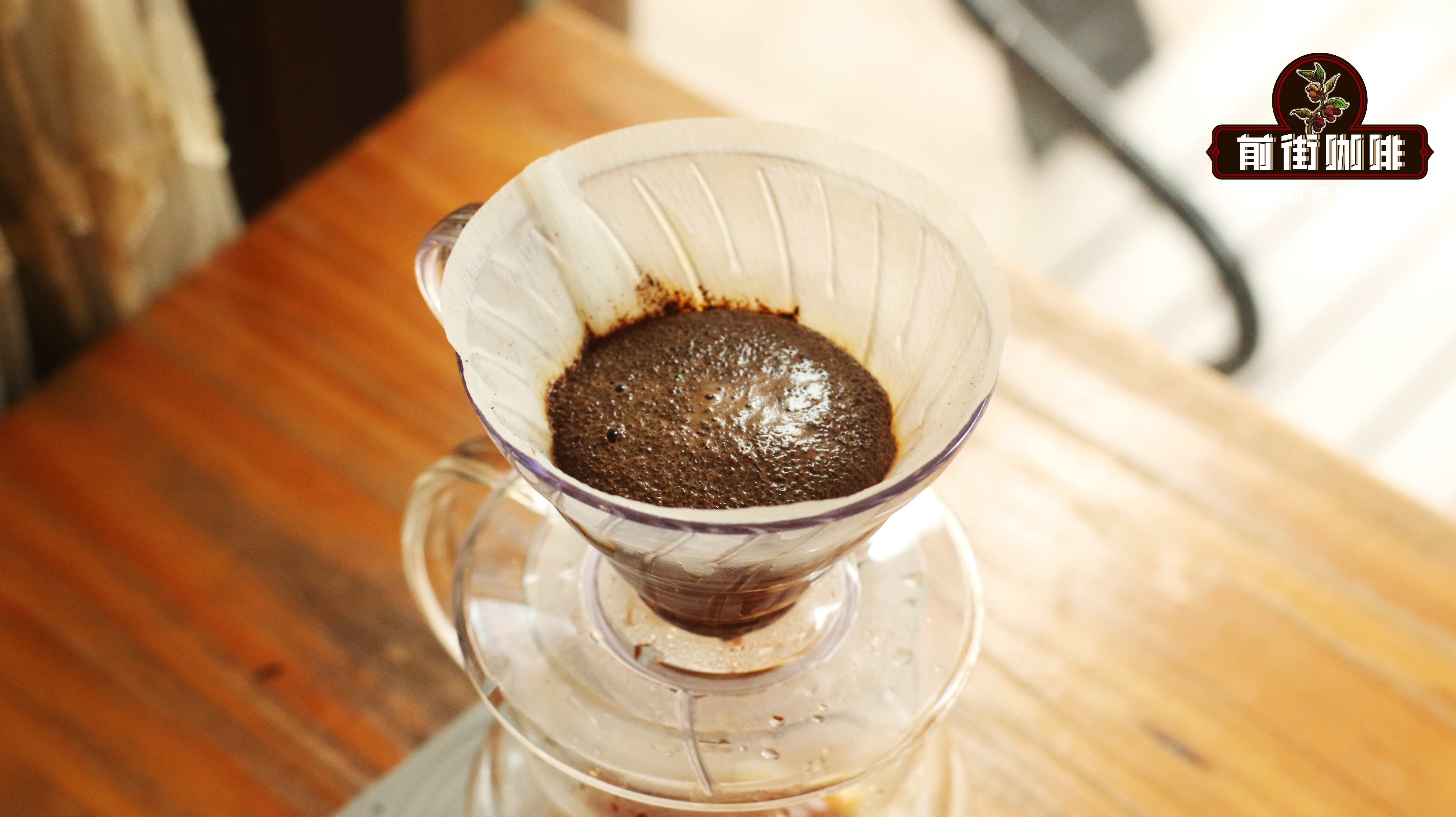
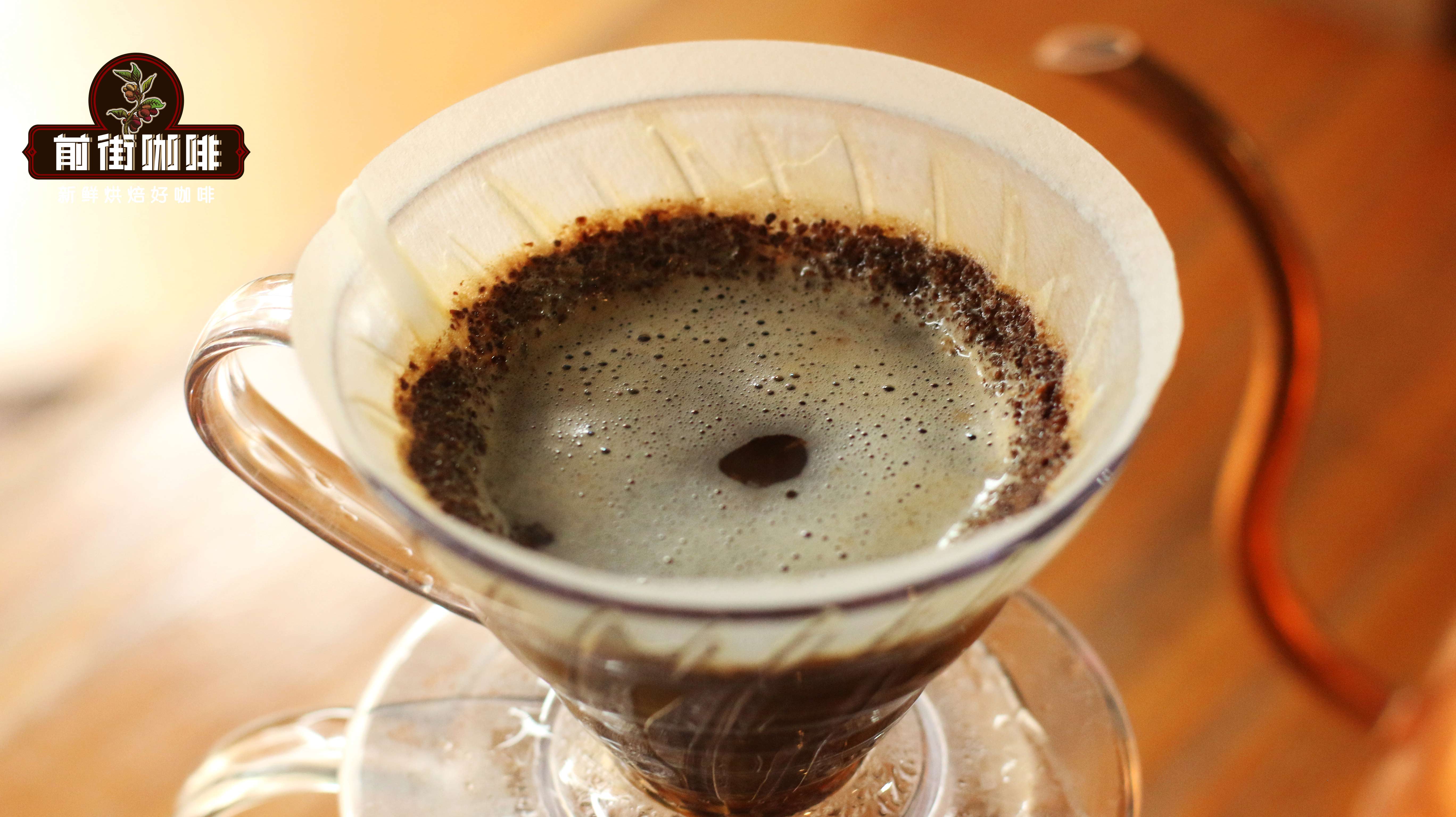
Stop pouring when reaching 30 grams of water, and wait for a 30-second blooming time. At the 31st second shown on the electronic scale, begin the second pouring stage, pouring in a circle from the center outward, keeping the water flow stable and vertical. Foam will appear when the water stream hits the coffee bed. This stage of brewing allows the coffee foam to be released, spreading across the entire surface of the coffee bed, with the liquid level rising to the base of the short ribs. The pouring amount for this stage is 100 grams.
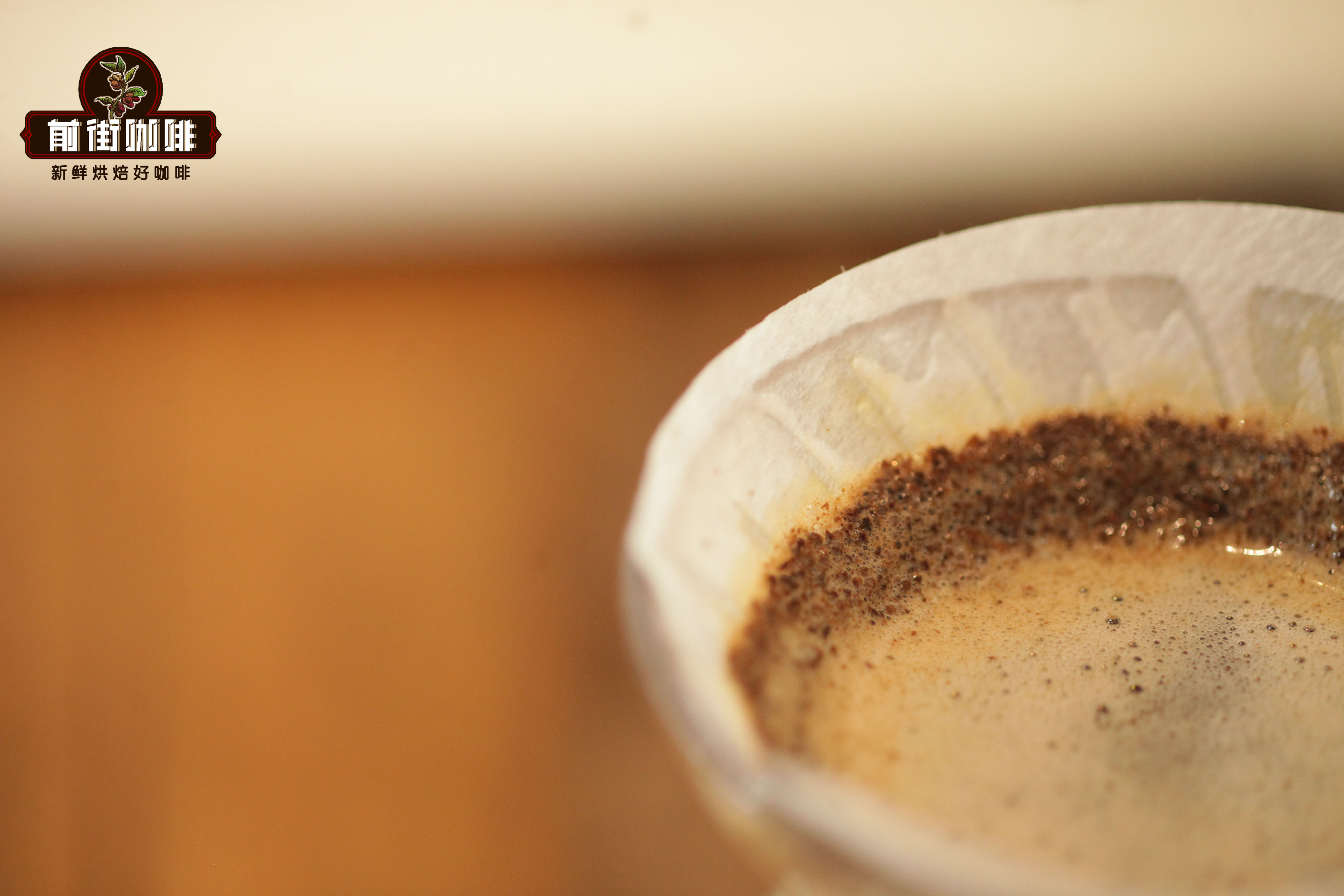
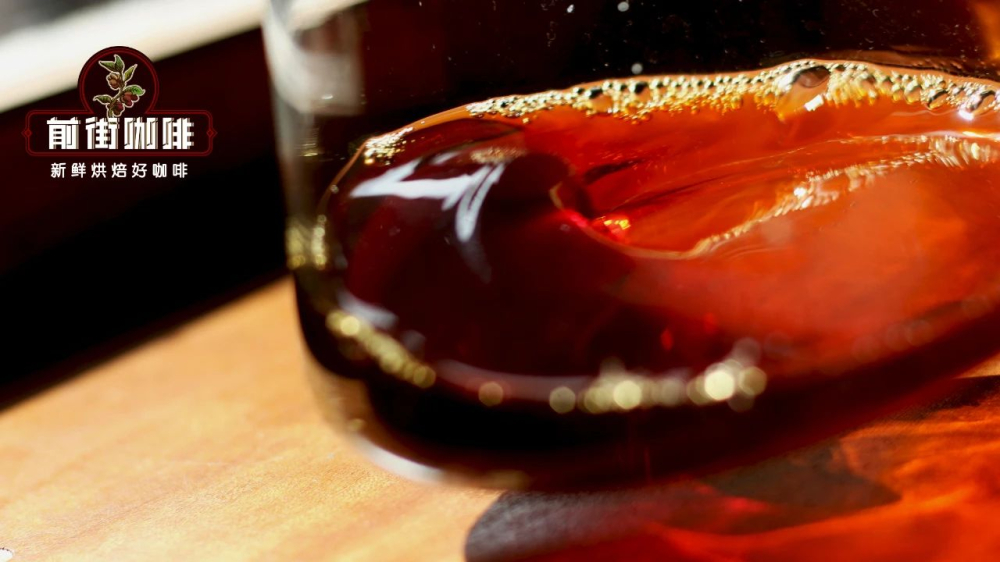
When the liquid level drops to 1/2, begin the final pouring stage. This stage also pours 95 grams in an "aroma-seeking" manner from the center outward. The originally dark brown foam turns into pale yellow coffee foam, and the liquid level also returns to the water level height of the second pouring stage. After the coffee liquid fully flows into the server, remove the dripper and end extraction.
How do you determine the timing for pouring again?
Three-stage pouring has two points for pouring again, namely the second stage and the third stage. The timing for the second pouring stage is very easy to grasp. Usually, the second pouring stage can be carried out 30 seconds after blooming. The third pouring stage is harder to grasp because there is no fixed time point. Generally, you pour again when the water level has dropped by 1/2 or 2/3.
When the water level drops by 1/2 or 2/3, there will not be too much water accumulating in the dripper, nor will the coffee bed be exposed because the water level has dropped too much, which would cause uneven extraction of the upper and lower layers of coffee grounds.
After the water level drops, the water flow can directly penetrate the accumulated water and stir the lower coffee bed. If the water level is too high, the impact force of the water stream is insufficient, causing the upper layer of the coffee bed to be over-extracted while the lower layer of coffee grounds is under-extracted.
So what coffee beans are suitable for people who have just started drinking pour-over coffee?
Front Street Coffee (FrontStreet Coffee) · EthiopiaWashed Yirgacheffe G2
Country: Ethiopia
Region: Yirgacheffe
Altitude: 1800-2000 meters
Variety: Local heirloom varieties
Processing method: Washed processing
Flavor: Jasmine, berries, lemon, citrus

Yirga cheffe is a small town in Ethiopia, with an altitude of 1700-2100 meters. It is one of the highest coffee-producing regions in the world and also synonymous with Ethiopian specialty coffee. Lake Turkana, Lake Abaya, and Lake Chamo bring abundant moisture here. In the rift valley represented by Misty Valley, fog lingers all year round, it is like spring throughout the four seasons, with gentle breezes, cool and humid. Thousands of coffee trees thrive and reproduce, nurturing Front Street Yirgacheffe's unique terroir with intertwined floral and fruity aromas and ever-changing character. The so-called Yirgacheffe flavor refers to rich citrus and lemon acidity, a strong jasmine aroma, a light and elegant mouthfeel, with a tea-like quality, tasting like refreshing and clean lemon tea.
Front Street takes into consideration that washed processing better reflects the cleanliness of the coffee's mouthfeel and the purity of its flavor presentation. Therefore, when analyzing the specific flavor of a coffee-producing region, it uses the washed beans from that region as a reference. If every beginner has not tried Front Street Yirgacheffe, Front Street will also first recommend this Front Street Washed Yirgacheffe, which helps form an understanding of the region's flavor. Afterward, when trying Yirgacheffe processed by natural, honey, and other methods, there will be a direction for comparison.

Front Street Coffee (FrontStreet Coffee) Brewing Recommendation
Water temperature: 90-91°C
Grind size: BG#6m (caster sugar size / 80% passing through a No. 20 sieve)
Coffee-to-water ratio: 1:15
Dose: 15 grams
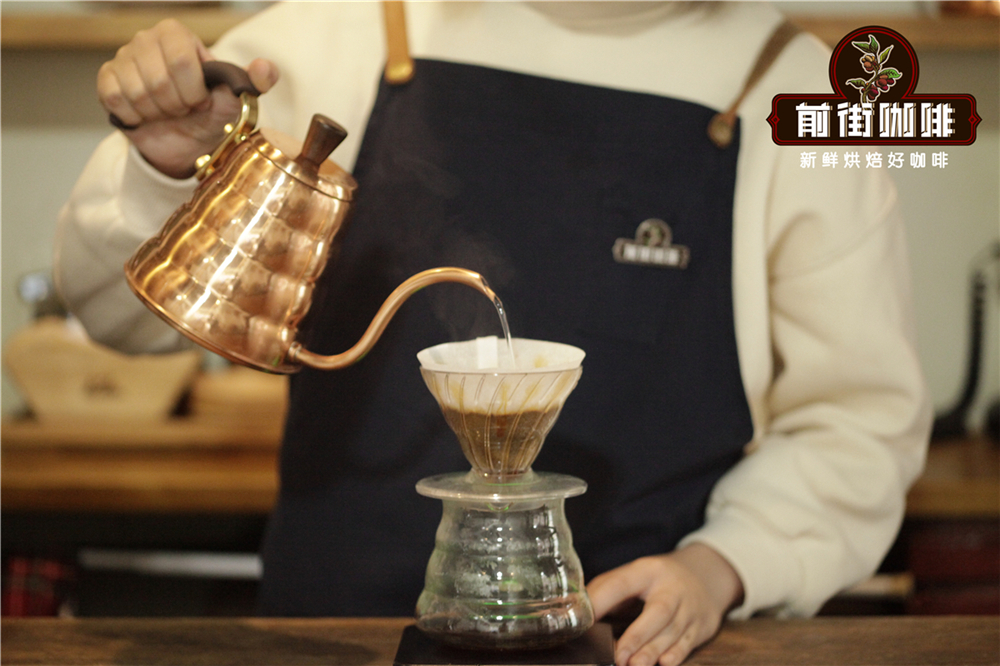
Front Street brewing method: In the first stage, pour 30 grams of water for a 30-second bloom, then pour 95 grams (the electronic scale shows about 125 grams). Finish pouring in about 1 minute. When the water level drops to 2/3 of the coffee bed, pour the remaining 100 grams (the electronic scale shows about 225 grams). Finish pouring in about 1 minute 40 seconds. Drip filtration is completed in 1'55''-2'00''. Remove the dripper and complete extraction.
[Front Street Ethiopia Washed Yirgacheffe] Brewing flavor: jasmine aroma, berry juice-like quality, lemon and citrus acidity, bright, clean, and refreshing overall.
Professional coffee knowledge exchange More coffee bean information Please follow Coffee Workshop (WeChat public account cafe_style)
For more specialty coffee beans, please add the private WeChat of Front Street Coffee (FrontStreet Coffee), WeChat ID: kaixinguoguo0925
The above content is compiled by CoffeeHunters, a coffee news website.


