







How Long Does Drip Bag Coffee Keep Its Flavor?
A drip bag holds its peak flavor for a limited window after roasting, and that window shifts with roast level. Lighter roasts keep their aromatics longer and are usually drunk within a few weeks of the roast date, while darker roasts fade faster. Checking the roast date is more useful than reading the printed shelf life alone.
Brew with water just off the boil, in the 88 to 92 degrees Celsius range, and adjust the pour for the grind in the bag. Bag coffee is built for a single extraction. Brewing the same bag twice pulls mostly water and bitter compounds, so reuse is not recommended, even if the grounds still look dark.
Drip bag coffee, with its advantage of offering both convenience and flavor, has become a daily choice for many coffee lovers. But how long can a pack of drip bag coffee actually last? How should it be brewed to restore the best taste? Can the same pack of drip bag coffee be brewed repeatedly? This article will explain item by item around the shelf life and best flavor period of drip bag coffee, the drinking time limits for different roast levels, brewing water temperature and parameter adjustments, and tips for judging freshness. It will also answer the misunderstanding about repeated brewing, and include complete drip bag brewing steps to help you consistently brew a delicious cup of black coffee at home.
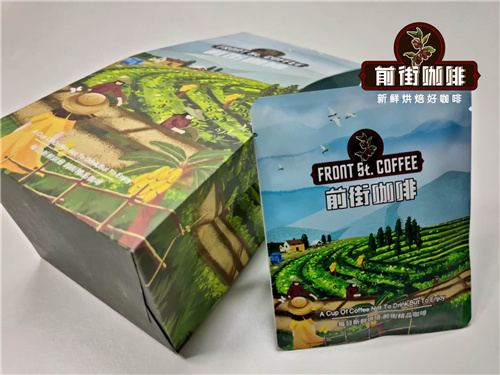
Nowadays, more and more people love coffee, actively come into contact with it, and gain a deeper understanding of coffee culture. Front Street Coffee (FrontStreet Coffee) has been in business for 12 years and has witnessed the changes in coffee consumption trends along the way: from 3-in-1 instant coffee, to capsule coffee, and then to the current drinking trend centered on pour-over with drip bag coffee as a supplement. Front Street Coffee (FrontStreet Coffee) has also continued to innovate, keeping up with the pace of the times by launching drip bag coffee products. Everyone can purchase Front Street drip bag coffee through Taobao Tmall.
Of course, drip bag coffee was not first created by Front Street. Its history can be traced back to UCC Ueshima Coffee in Japan. This brewing method is simple and efficient. When people cannot spare extra time to go to a coffee shop and wait for a pour-over carefully made by a barista, drip bag coffee quickly won the affection of many coffee lovers once it was promoted. Among the guests who come to Front Street for coffee, quite a few ask whether the shop sells drip bag coffee, which shows that the market penetration of drip bag coffee is already quite high.
The birth of drip bag coffee came largely from the actual needs of customers. In conversations with guests, Front Street also found that many people would not buy a full set of equipment such as an espresso machine, grinder, and dripper just to drink coffee, except for extremely enthusiastic hobbyists. Even if you already have a complete set of coffee equipment, many people simply do not have the time to make coffee themselves. Therefore, drip bag coffee naturally entered everyone's field of vision.
Drip bag coffee is similar to agricultural products: agricultural products value freshness, while coffee values the best flavor, that is, the best flavor period. Therefore, Front Street usually suggests that everyone drink it within the best flavor period; otherwise, the taste of drip bag coffee will gradually change over time. So what is the best flavor period of coffee?
Generally speaking, the best flavor period of a coffee drip bag refers to the period from two days after the coffee beans are roasted until before the flavor changes noticeably. In general, the best flavor period of light-roast drip bags is about 2 to 3 weeks; medium-roast drip bags are about 2 weeks; dark-roast drip bags fall within 2 weeks. Therefore, if you want to drink coffee at its best flavor, Front Street suggests finishing it within two weeks as much as possible.
Actually, drip bag coffee is not complicated. As long as you prepare hot water at a suitable temperature and use a cup with a capacity of about 150 to 180 milliliters, you can brew a cup of authentic black coffee. Because the capacity of drip bag coffee is standardized, for example, Front Street sets each small pack at 10 grams, and each pack is meant to brew one 150-milliliter cup of black coffee. Front Street also suggests that everyone not stock up on too much drip bag coffee at once, because as mentioned earlier, once it exceeds the best flavor period, the best flavor of the coffee is lost. Of course, many customers also put unfinished coffee in the refrigerator for storage. Front Street strongly does not recommend doing this, because the coffee grounds in the drip bag are absorbent, and putting it in the refrigerator will instead cause the coffee grounds to lose flavor, so it should be avoided as much as possible.
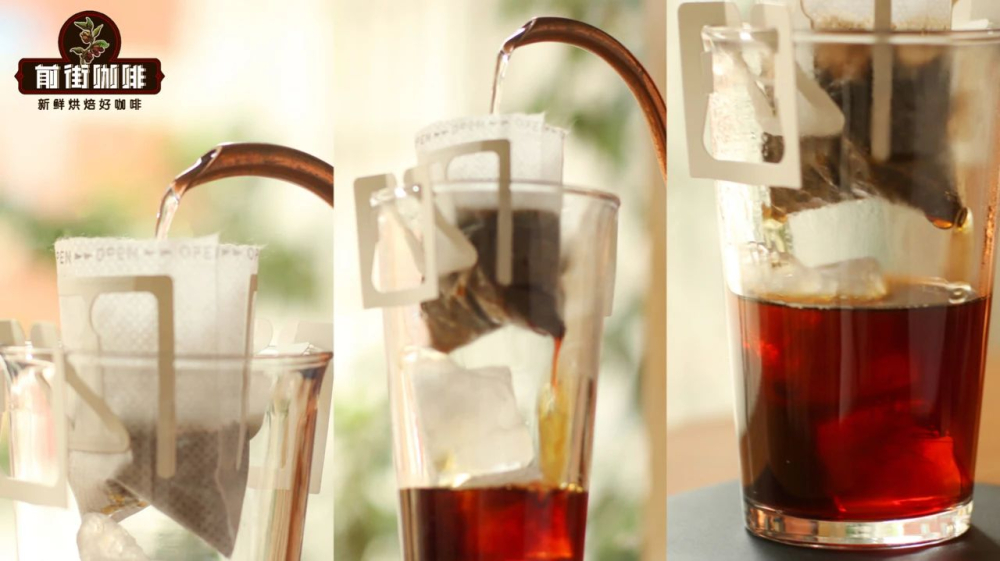
Front Street believes that drip bag coffee is equivalent to a simplified version of pour-over, and the requirements for brewing time, temperature, and water amount still exist. Water temperature is especially particular and needs to be determined according to the flavor of the producing area and the roast level. When the roast level is darker, Front Street drip bag coffee suggests using a water temperature of 88 degrees; for light roast, a water temperature of 90 to 92 degrees is suggested. However, everyone does not need to worry about not knowing how to judge the roast level. Front Street's official account has already published knowledge about drip bag coffee and brewing methods, so you can buy with confidence.
Many customers often come to Front Street Coffee (FrontStreet Coffee) and ask: can drip bag coffee be brewed repeatedly? In fact, a small pack of drip bag coffee usually contains 10 grams of grounds, and 10 grams of grounds is generally only suitable for brewing once. When brewing repeatedly, you may feel that the taste is still quite strong and it seems drinkable. But that is not the case, because the longer the drip bag is soaked, the more caffeine is released, which means the coffee has been over-extracted. Over-extraction brings out bitterness and astringency together, and the best flavor of this coffee basically no longer exists. Even if this pack of coffee is still within the best flavor period, multiple brews will make the flavor weaker and weaker, so Front Street usually does not suggest that customers repeatedly brew the same pack of drip bag coffee.
If you buy drip bag coffee and brew it yourself but fail to bring out the best flavor, then this pack of drip bag coffee has been wasted. So be sure to brew it within the best flavor period. To brew a good-tasting cup of drip bag coffee, you need to pay attention to the brewing parameters. Although the drip bag brewing process is similar to pour-over, Front Street does not suggest copying it completely. Because the structure of the drip bag is less heat-retaining than a V60, the actual temperature is often on the low side, so Front Street suggests appropriately increasing the water temperature by 1 degree during brewing, which is more conducive to extracting the best flavor.
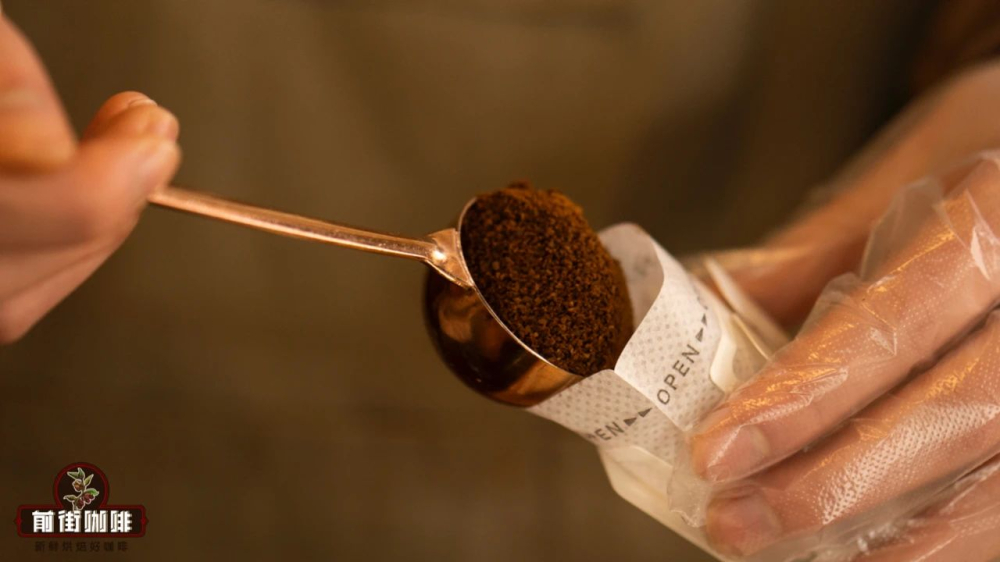
If you come to Front Street's shop, you will see that when baristas make pour-over for customers, they usually use 15 grams of coffee grounds to brew 225 milliliters of coffee, and they will not use the leftover coffee grounds from last time to brew another cup for the customer, because Front Street wants to present every customer with a cup of coffee at its best flavor. This is also the original intention of Front Street Coffee (FrontStreet Coffee).
In addition, Front Street shares a little tip for judging whether drip bag coffee is fresh. When buying drip bag coffee, first look at the roast date on the packaging. The roast date refers to the date marked when the coffee beans come out of the roaster. To judge whether coffee beans are fresh, we usually look at the roast date rather than the shelf life. Because freshly roasted coffee undergoes a process of self-fermentation in the first week, and the flavor tends toward perfection; after this stage, the coffee begins to oxidize and volatilize, and its distinctive aroma is no longer so obvious.
Generally speaking, if no date is marked on the packaging, then it may be drip bag coffee that has been sitting for a relatively long time. Although the shelf life is usually much longer than the flavor period, and passing the best flavor period does not mean it cannot be drunk, Front Street believes that after the best flavor period, the flavor and mouthfeel of the brewed coffee will be compromised. When brewed within the best flavor period, the coffee oils will be very rich, with the characteristic sweetness of coffee, and the aroma released is especially pleasant.
In addition, when brewing drip bag coffee, if the coffee is fresh and within the best flavor period, after hot water is poured in, a bulge will appear in the middle of the coffee grounds layer. The fresher it is, the more obvious it is. This phenomenon is usually called "hamburger brewing." Generally speaking, the expansion degree of light-roast beans is not as obvious as that of dark-roast beans.
Also, when buying drip bag coffee, Front Street suggests trying not to choose products made more than five days ago, because after coffee beans are ground into powder, the distinctive aroma is quickly lost, and the flavor drops significantly. Just like customers who come to Front Street Coffee (FrontStreet Coffee) to buy coffee beans, we suggest grinding fresh for immediate drinking. But there are also many customers who do not have a grinder at home and have it ground directly in Front Street's shop. Front Street still suggests that everyone finish it within the best flavor period as much as possible.
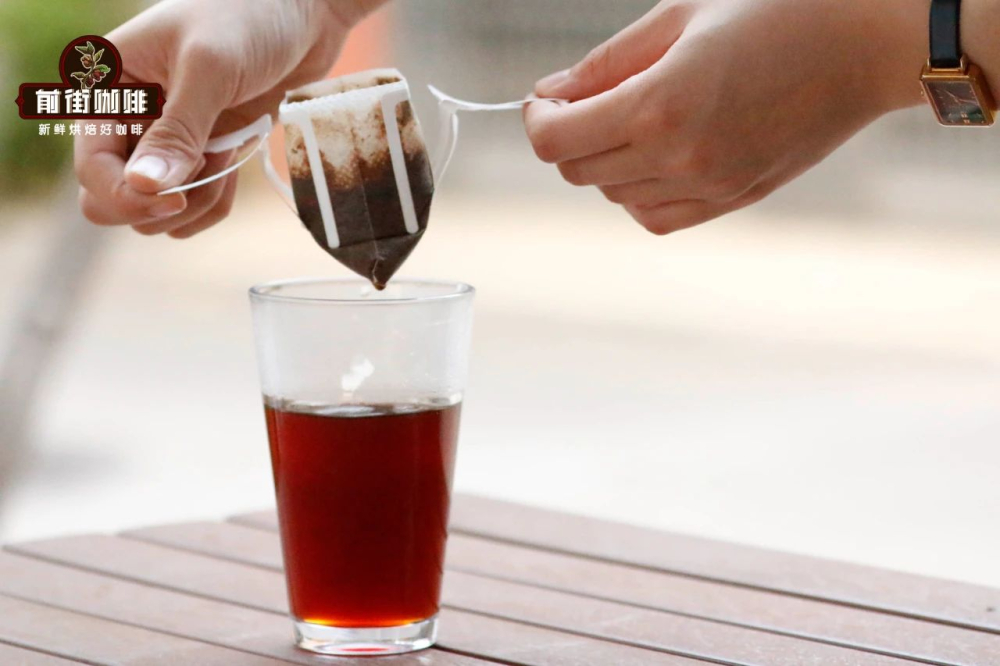
Once you have decided to buy drip bag coffee, what troubles you next is how to choose a brand that suits you. Front Street suggests prioritizing seasonal drip bags from producing areas. For example, Front Street's seasonal drip bags mainly cover the drip bag coffee from seven producing areas that best represents the flavor of that producing area, somewhat similar to the positioning of Front Street's everyday beans.
For example, if you like citrus fruit notes, Front Street would recommend Ethiopia Yirgacheffe drip bag coffee; if you prefer sweeter flavors, such as sweet orange and honey, you can try Front Street Guatemala Huehuetenango drip bag coffee; if you like the rich nutty and chocolate flavors of the Americas, Front Street Brazil Cerrado, Colombia Huila, and Costa Rica Tarrazu drip bag coffees will be very suitable for you.
If your taste leans strong, you can absolutely boldly try Front Street Indonesia Mandheling drip bag coffee; the wild herbal and medicinal plant notes will leave a deep impression. If you cannot accept the unique mouthfeel of Mandheling, you might as well try Front Street Yunnan small-bean drip bag coffee; the light fruity aroma and tea-like sensation are close to the experience of drinking tea. If you have difficulty choosing, then take some time to visit a Front Street Coffee (FrontStreet Coffee) store and let the barista help you pick a suitable drip bag coffee brand.
In addition, Front Street includes the brewing method for drip bag coffee.
The brewing process of drip bag coffee
1. Warm the cup - Prepare the cup and first pour in some hot water to warm it. The purpose is to keep the brewed coffee from cooling too quickly. Coffee flavor keeps changing as the temperature drops. If it cools too quickly, you will miss many different tastes.
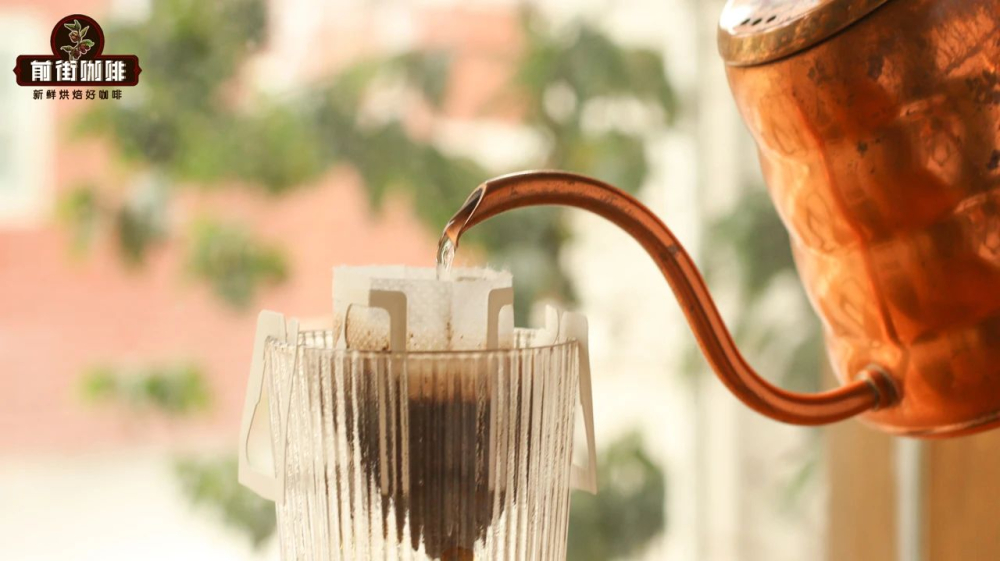
2. Water temperature - The brewing water temperature is very important. The suggested temperature is between 85 and 90 degrees. If the brewed coffee is too bitter, try lowering the water temperature. Conversely, if it is too weak or too astringent, you can raise the water temperature, but the range should still be between 85 and 90 degrees.
3. Set up the drip bag - First shake the drip bag gently to let the coffee grounds settle, avoiding scattering when tearing it open. Then pour out the hot water in the cup. After tearing off the seal on the drip bag, open the paper hangers on both sides, shake to level the coffee grounds, and finally hang it on the rim of the cup.
4. Pre-wet - The first pour should be just enough to moisten the coffee grounds. Too much or too little will affect the flavor. Then wait 20 seconds to let the coffee grounds fully absorb the water. The strength of the coffee can be adjusted by the pre-wetting time. Extending it to 40 seconds can produce a stronger coffee.
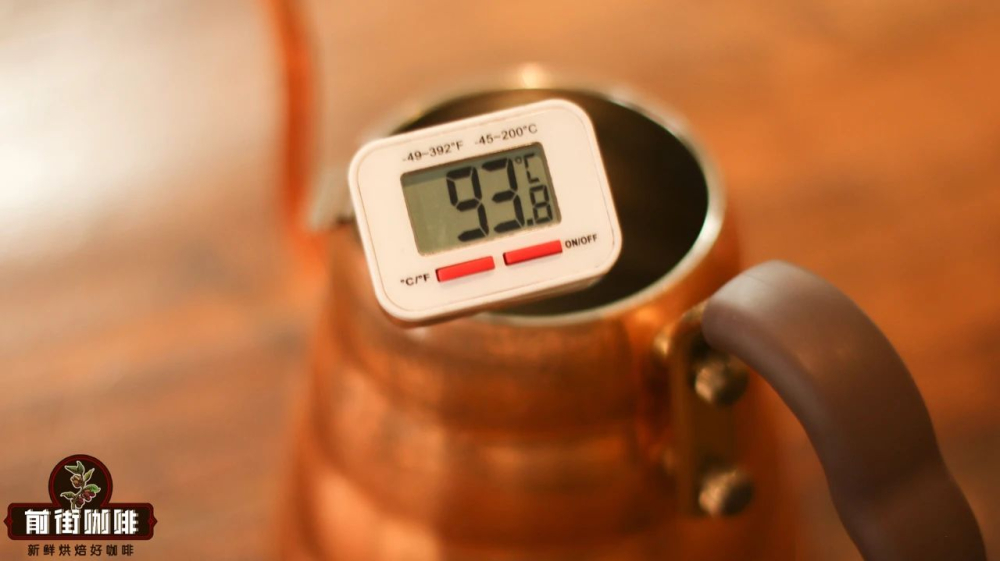
5. Pour water - For the second pour, you can pour until the filter paper is eight-tenths full. It is best to use a thin, long stream of water. After the water drops to the pre-wet height, you can continue pouring to eight-tenths full until 150 to 180 cc has been extracted. Once extraction is complete, there is no need to wait for all the water in the filter paper to flow out; just discard it directly.
6. Enjoy the coffee! Remember that you can taste different flavors as the temperature changes!
For more specialty coffee knowledge, please follow the WeChat official account: Front Street Coffee (FrontStreet Coffee)
The above content is compiled by CoffeeHunters, a coffee news website.


