







How to make coffee from powder and store it right
Ground coffee holds a usable flavor window of roughly 30 to 45 days after the roast date, not after grinding. Once beans are ground, the surface area grows and volatile aromatics escape faster, so the grounds stale sooner than whole beans. Pre-ground coffee bought from a merchant is convenient, but it starts losing its fresh aroma within days.
Roasted beans release 60 to 70 percent of their carbon dioxide in the first 4 to 7 days, and that gas layer slows aroma loss. Refrigeration is generally not reliable for daily storage because temperature swings and moisture degrade the grounds. Airtight, opaque, room-temperature storage keeps the coffee aroma intact longer when preparing coffee from powder at home.
Freshly ground coffee always has a superior aroma, but to save the grinding step, many friends choose to have the merchant pre-grind the coffee beans into powder. So, how long can coffee grounds actually be stored? How many days is the flavor window? Is refrigerating them really reliable? This article will start with the optimal flavor period of coffee beans, combine it with Front Street Coffee's comparative experiments, and provide a detailed analysis of how the flavor of coffee changes over time after grinding, along with correct storage recommendations to help you preserve that precious fresh aroma as much as possible.
It is already widely acknowledged that freshly ground coffee brews with a richer aroma, and the close link between coffee flavor and freshness is deeply ingrained. However, in practice, many friends, for convenience, directly ask the merchant to grind the coffee beans into powder and send them over when buying. This way, when brewing, there is no need to worry about which grind setting to use, and it saves the effort of manual grinding—truly quite convenient.
As more people choose pre-ground coffee, Front Street Coffee has received many related questions, such as how long coffee beans can be stored after being ground into powder? How many days is the flavor window for coffee grounds? And how should already ground coffee be stored properly? Don't worry, below Front Street Coffee will start with the topic of the flavor window and answer these one by one.
The Optimal Flavor Period of Coffee Beans
During the roasting process, the internal structure of green coffee beans continuously absorbs heat and expands, while also accumulating a large amount of carbon dioxide. These gases have both disadvantages and advantages: the disadvantage is that if there is too much gas, it can hinder hot water from extracting flavor compounds; the advantage is that they can block the loss of volatile aromas.
From past experience, these gases will release 60% to 70% of the carbon dioxide concentratedly within 4 to 7 days after roasting is completed (during this stage, it is easiest to form a beautiful hamburger-shaped bulge during blooming). When only 30% to 40% of the gas remains in the beans, the release rate slows down significantly, which means the coffee beans begin to enter a stable period. The brewing flavor will reach its optimal state between 30 and 45 days after roasting, and this period is what we usually call the optimal flavor period.
Of course, in addition to paying attention to the roast date, the flavor performance of coffee beans is also greatly affected by the storage environment. Generally speaking, after receiving fresh coffee beans, Front Street Coffee recommends storing them in a sealed, cool, dry, and dark place, while minimizing the number of times the seal is opened during use. Just imagine: if a bag of beans is opened several times every day, or frequently exposed to humid air, then even if it is still within the recommended flavor period, the coffee grounds have likely already lost their original taste.
Some friends also think of putting coffee grounds in the refrigerator for cold storage. This can indeed delay the loss of aroma to some extent, but during the process of returning to room temperature, coffee will undergo liquefaction, causing small water droplets to form inside the packaging, which makes the coffee grounds damp and ultimately affects the flavor performance. Therefore, Front Street Coffee does not really recommend this practice.
After Coffee Is Ground into Powder, How Long Can the Flavor Be Retained?
Everyone knows that the moment coffee beans are freshly ground into powder, the aroma is at its fullest. These coffee aromas are actually volatile flavor compounds drifting out with the air, which is how we smell them. Before grinding, coffee beans are a complete structure, and carbon dioxide can only be released slowly through the surface; once the beans are ground into powder, the surface area exposed to air increases greatly, and at this time a large amount of carbon dioxide accelerates its escape together with aromatic compounds, so the flavor period naturally shortens as well.
To figure out the optimal flavor period after coffee is ground into powder, Front Street Coffee once conducted a comparative experiment: Front Street Panama Boquete Geisha coffee beans roasted on the same day were ground into powder 30 days, 21 days, and 14 days in advance respectively, then each was sealed and stored separately, and finally brewed and compared at the same time.
In the end, we found that under the premise of sealed storage and relatively few openings, coffee can still be enjoyed with a decent flavor within 3 weeks after grinding, but it gets worse day by day; when stored for more than one month after grinding, the aroma is completely gone, leaving only a plain "coffee taste."
Therefore, if you stock up in a relatively large quantity at one time and do not drink coffee very frequently, Front Street Coffee suggests that after receiving pre-ground coffee, immediately divide it into multiple sealed jars or sealed bags for storage, opening only as needed, so you don't have to worry about the aroma of the remaining coffee secretly escaping due to frequent opening.
What Changes in Taste Will Coffee That Is Ground in Advance Undergo?
Out of curiosity, last week Front Street Coffee ground a pack of unused washed Yirgacheffe (roast date: December 29, 2024) into powder, and then tested its flavor condition every day to see what connection there is between the storage time of coffee grounds, the brewing state, and the final flavor performance.
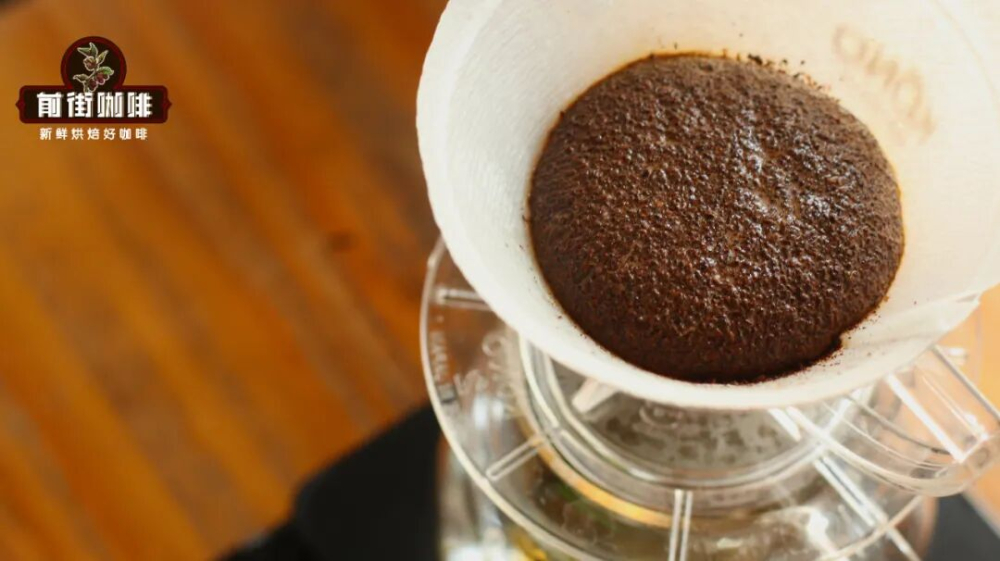
Freshly ground and freshly brewed: rich dry aroma, with obvious white flower and citrus fruit aromas, as well as honey-like sweet fragrance; normal blooming bulge, with the coffee bed continuously bubbling; flavor: fresh orange peel, light floral, lemon, pear, plum acidity, with sunflower seed kernel, caramel, and green tea aromas after the temperature drops, and a light, transparent, and bright acidity.
First day after grinding: the dry aroma has an obvious fresh scent like citrus and lemon peel, the floral aroma is weakened, with some nutty and milk candy aromas, and abundant bubbles are released during brewing; flavor: sweet orange, pomelo, tea-like sensation, lively acidity, and obvious sweet aftertaste.
Second day after grinding: the dry aroma is slightly lighter, with a fresh citrus scent; the blooming does not bulge, and a small number of bubbles emerge from the coffee bed during extraction; flavor: mainly the sweet and sour of citrus and pomelo, with a flavor profile not much different from the previous day, a caramel sensation on the palate, and a green tea finish.
Third day after grinding: the dry aroma is honey, citrus, and nutty; fewer bubbles during blooming and extraction; flavor: pomelo, lemon, tea-like sensation, the acidity is not as bright as the previous day, and the caramel sensation becomes heavier.
It can thus be seen that after coffee beans are ground into powder, not only does carbon dioxide continuously dissipate with the storage days, but the aroma of the brewed coffee also gradually decreases. Take Front Street Coffee's light-roasted Yirgacheffe this time as an example: when freshly ground, it showed a refreshing and bright character. As the coffee grounds were exposed to air more and more times and stored longer and longer, the coffee's character also slowly changed from fresh fruity sweet-and-sour notes to a fuller caramel sensation. At this point, no matter how much you adjust other parameters, it is very difficult to achieve the flavor performance of when it was just ground.
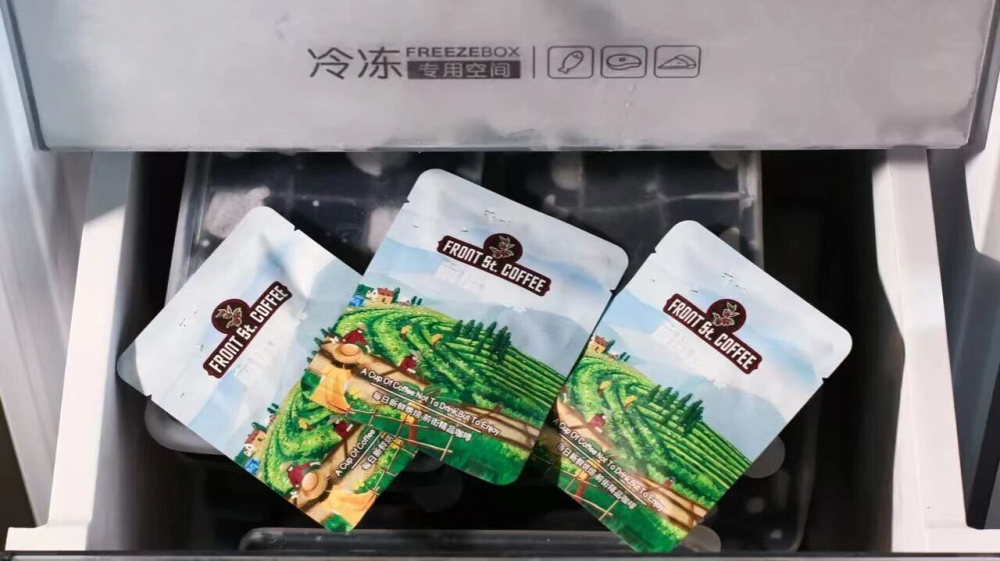
In fact, this type of medium-light roast coffee is originally mainly known for its floral and fruity aromas. A few hours after being ground into powder, much of its essential aroma has already been lost. So if you pursue this kind of flavor, when conditions permit, Front Street Coffee recommends equipping yourself with a coffee grinder, as only then can you experience the aroma brought by freshly roasted, freshly ground coffee.
The above content is compiled by CoffeeHunters, a coffee news website.


