








Why is coffee bloom expansion tied to roast and pouring?
When a pour-over bloom does not expand, freshness is only one possible cause. Blooming is a preliminary step that wets the coffee grounds evenly before the main pour, helping particles release internal gas, mainly carbon dioxide. The closer the roast date, the more active the bubbling tends to be, so a flat bed is not proof of stale coffee by itself.
Dark-roasted beans hold less moisture and release more gas during blooming than light roasts. Once gas escapes and particles absorb water to saturation, extraction becomes more even. Roast level, freshness, grind size, water temperature and pouring technique are the five factors Front Street examines when diagnosing a bloom that will not puff up.
Many coffee enthusiasts encounter the same puzzle when brewing pour-over: why doesn't the coffee bed puff up into that beautiful "hamburger" during the bloom phase? Some immediately assume the beans are stale, but the reality is far more complex. The factors affecting bloom expansion span roast level, bean freshness, grind size, water temperature, and pouring technique. This article starts from the underlying principles, breaks down how each variable influences the bloom, and offers Front Street Coffee's practical brewing parameters to help you understand the science behind blooming—so you'll no longer be troubled by a bloom that "won't puff up."
Many friends have asked Front Street the same question: during pour-over, why doesn't the coffee bed puff into a "hamburger" shape during the bloom? Could it be that the beans have been sitting too long? The coffee beans Front Street provides to customers are always freshly roasted, and typically need three to four days of resting after arrival before the brewing flavor reaches its peak. Bean freshness certainly affects bloom expansion, but it's far from the only determining factor. Today Front Street will carefully untangle exactly what influences the "hamburger" effect during pour-over blooming.
What is the purpose of blooming?
Blooming, called "Bloom" in English, refers to the preliminary step in pour-over where, before the main pour, a small amount of hot water is used to evenly wet the surface of the coffee grounds. Its core purpose is to help coffee particles release internal gases, primarily carbon dioxide. Generally speaking, the closer to the roast date, the more actively bubbles form during blooming. Dark-roasted beans, due to lower moisture content, also release more gas during blooming than light-roasted beans. Once gases are expelled, if the coffee particles can evenly absorb water to saturation, the uniformity of subsequent extraction is ensured.
In summary, during blooming, the air between coffee particles expands with heat while large amounts of carbon dioxide are released, creating a temporary gap layer between particles—this space is exactly the channel needed for hot water to pass through the coffee bed during the main pour.
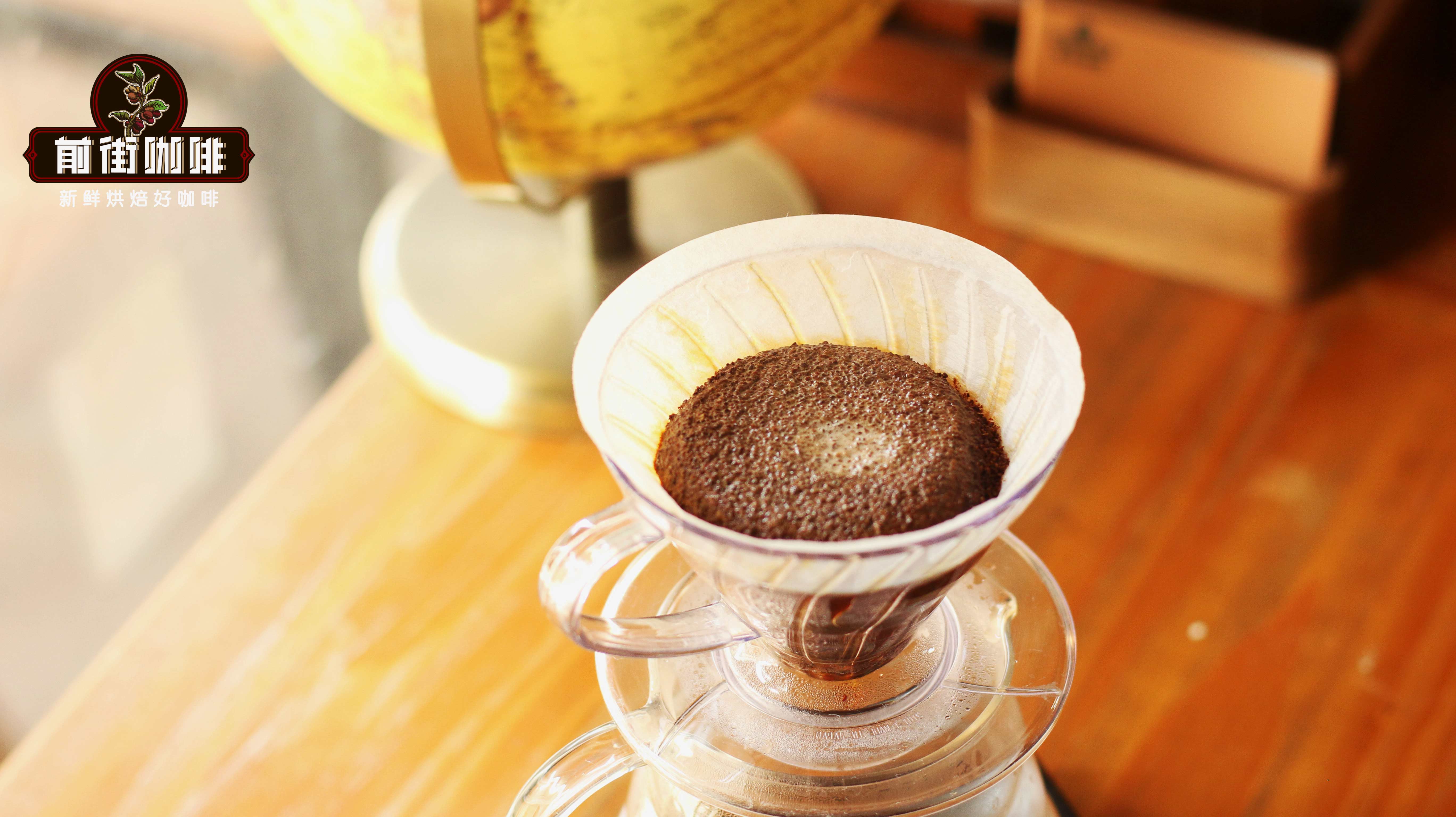
What factors determine whether the bloom can puff into a "hamburger"?
Front Street analyzes this from five aspects: roast level, freshness, grind size, water temperature, and technique.
1. Coffee bean roast level
Roast level has a significant impact on the "hamburger" puffing effect during blooming. Light-roasted beans typically won't rise into a full, attractive "hamburger" like dark roasts—the shape tends to be flatter. The reason is that the darker the roast, the more carbon dioxide accumulates inside the beans, the more vigorous the degassing, and the easier it is to puff up during blooming. Conversely, light-roasted beans, even when very fresh, may not achieve that "puffed-up" hamburger effect you have in mind.
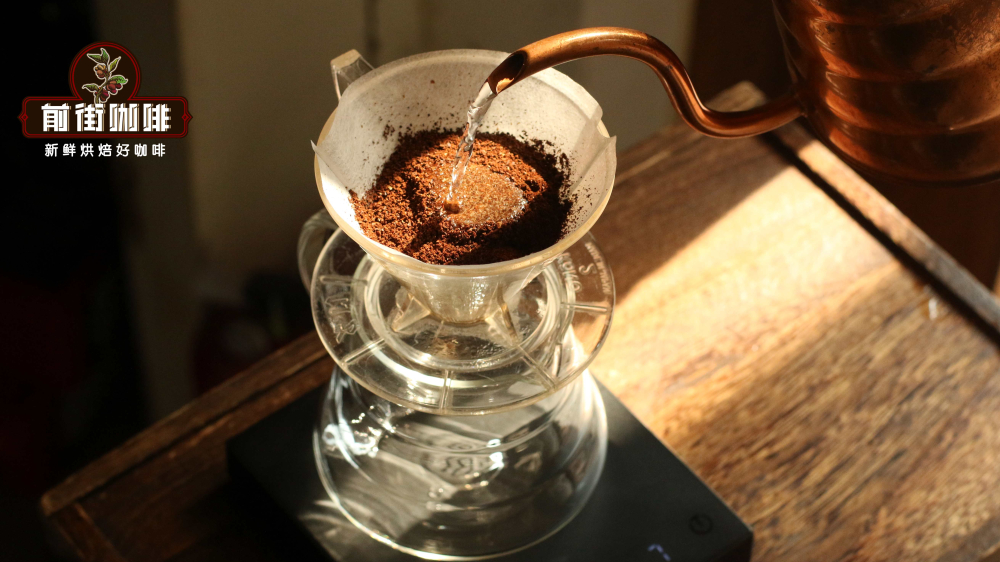
If you're after a round, full hamburger shape, we recommend choosing freshly roasted beans at medium roast or darker. Front Street Blue Mountain No. 1, Front Street PWN Golden Mandheling, and Front Street Brazil Queen's Estate are all excellent choices—these beans naturally carry chocolate, nut, and caramel flavors, are rich in internal gases, puff upward rapidly upon contact with water, and maintain their degassing state for a long time, delivering outstanding visual performance.
Front Street fresh medium-roast coffee beans during bloom
Of course, medium-light roasted beans also undergo degassing. For example, Front Street Huakui, Front Street Emerald Red Label Geisha, Front Street Mozart, and Front Street Blackberry—because of shorter heat exposure, these beans retain richer floral and fruity flavors, but have less gas content, so when fresh, blooming only produces a slight rise. So if there are no bubbles during blooming, it's not necessarily because the beans are stale—it may simply be because the roast is on the lighter side.
2. Coffee bean freshness
As mentioned earlier, the purpose of blooming is degassing. The fresher the coffee beans, the higher the internal gas content (primarily carbon dioxide), and the more the bloom expands like a "hamburger." If you don't see a continuously expanding "hamburger" during blooming, it means this coffee may have been stored for a long time after roasting, and the carbon dioxide inside the bean cells has already escaped on its own—meaning it's no longer fresh.
Whether for store use or beans sold on Taobao, Front Street insists on fresh roasting. When brewing with fresh beans, to ensure more stable flavor extraction, we recommend resting the beans for three to four days before use.
3. Coffee grind size
When ground too coarse, the contact area between water and coffee grounds decreases, and the degassing effect weakens accordingly. If the grind is especially coarse, no hamburger will appear no matter what. Because as soon as water is poured, it flows straight through the gaps between the coffee grounds—you can't even call it blooming, let alone expect a hamburger.
Front Street Coffee blooming with coarse-ground coffee beans, no "hamburger" shape formed
Grinding too fine is equally problematic. Although finer particles increase contact area with water, too fine a grind causes water to sit on the surface and fail to drain properly, making the bloom effect unsatisfactory as well. Front Street Coffee blooming with fine-ground coffee beans, also no "hamburger" shape formed. When determining grind size, Front Street uses a standard No. 20 sieve: light-roasted coffee beans should have an 80% pass-through rate, while dark-roasted coffee beans should have a 70%–75% pass-through rate.
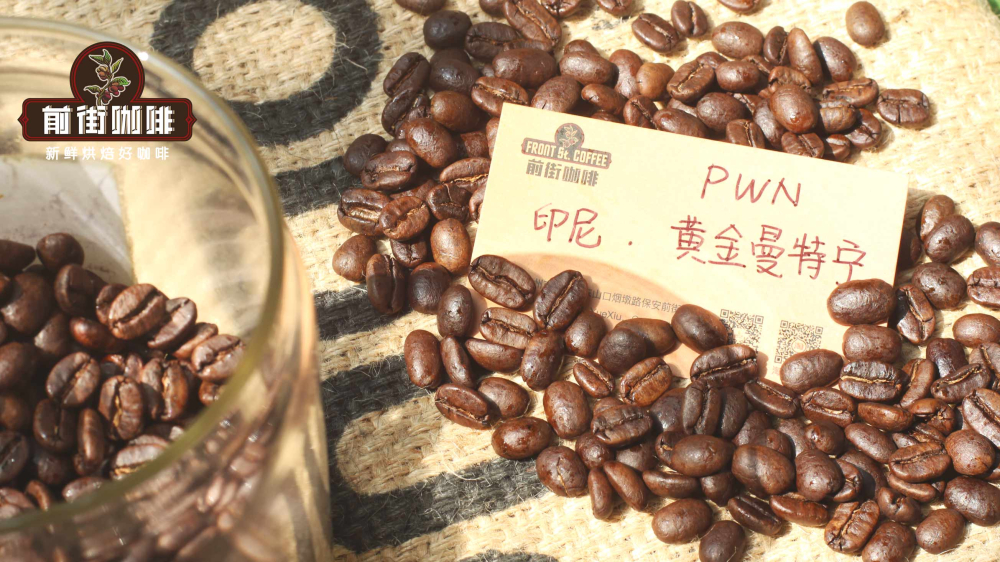
Front Street Coffee blooming with properly ground coffee beans, "hamburger" shape formed
4. Water temperature
Water temperature is also a key factor affecting bloom, because coffee grounds need to absorb heat in order to expand and degas. When water temperature is too low, the coffee grounds haven't absorbed enough heat, water can't quickly penetrate into the particles to complete air displacement, and the excess water just drips straight into the server.
Front Street Coffee blooming with 60°C water, no "hamburger" shape formed
5. Pouring technique
There are many ways to pour during blooming—circling from inside out, circling from outside in, or pouring in the center and spreading outward. None of these methods is inherently right or wrong. Generally speaking, circling from the center outward during blooming makes it easier to form a beautiful "hamburger."
Flow rate also affects the bloom. Achieving a perfect "hamburger shape" with a heavy stream is more difficult—it typically requires a steady flow and even circling radius. A gentle stream is more suitable for beginners and makes it easier to achieve a perfect "hamburger shape."
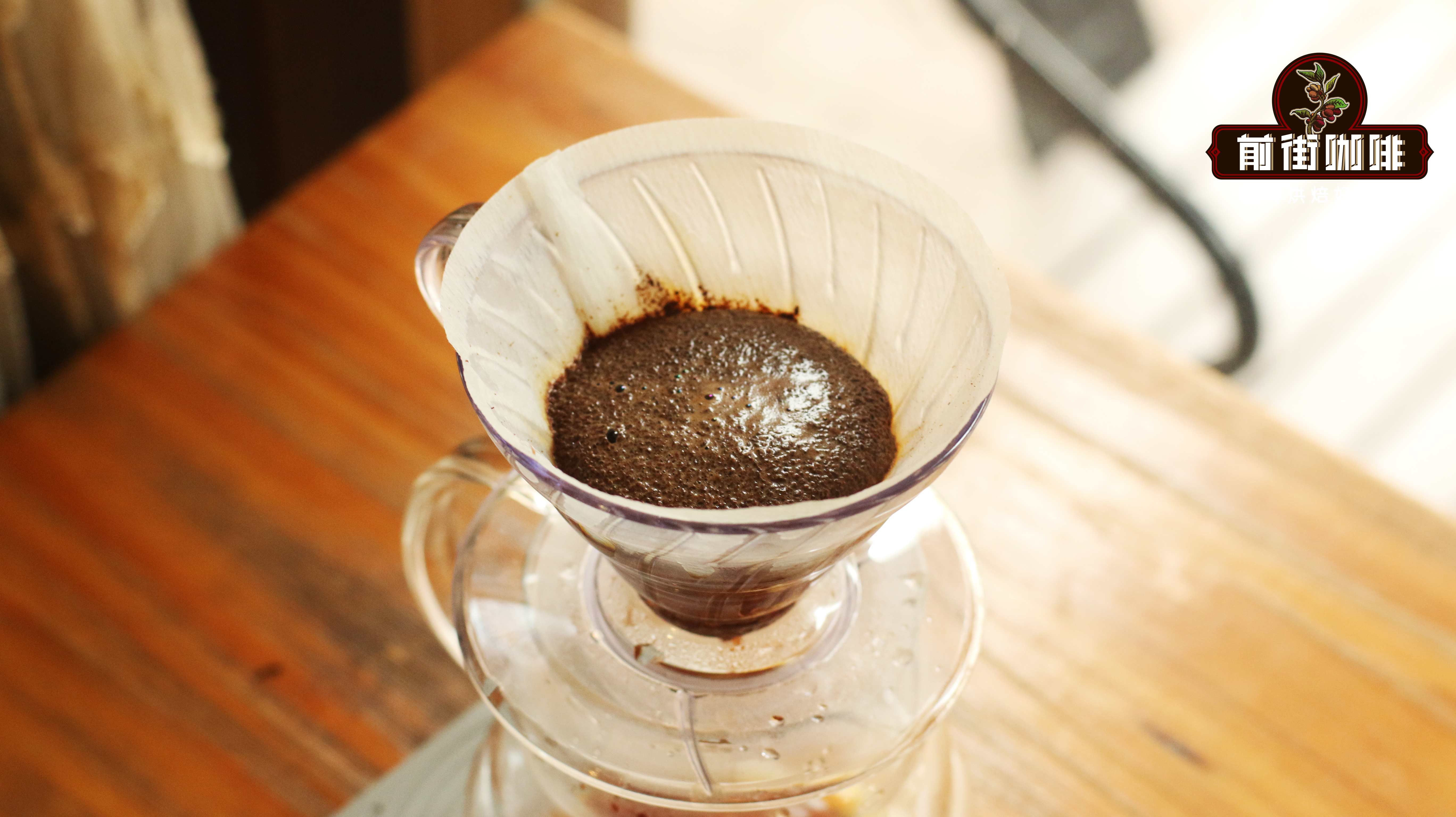
Front Street Coffee blooming with a heavy stream, "hamburger" shape not obvious Front Street Coffee blooming with a gentle stream, "hamburger" shape obvious
Pour-over coffee steps and technique
When brewing fresh coffee beans, Front Street uses a bloom water amount of 2 times the coffee dose, with a bloom time of 30 seconds. After blooming, you can pour all the water at once or in stages. Below, Front Street uses the Natural Yirgacheffe Red Cherry as an example to demonstrate the difference between a single pour and staged pouring.
Front Street Yirgacheffe Red Cherry coffee beans Region: Yirgacheffe Altitude: 2,300 m Variety: Heirloom Processing: Natural Grade: G1 Flavor: Lemon, licorice, citrus, berry, sweet orange; overall high sweetness, with a caramel and cream finish, and a black tea aroma in the aftertaste
[Front Street Coffee Brewing Parameters and Technique] The brewing parameters Front Street Coffee uses are consistent: Hario V60, 1:15 coffee-to-water ratio, 92°C water temperature, EK43s grind setting 10 (80% pass-through rate on China standard No. 20 sieve). For the pouring technique, Front Street Coffee uses a bloom water amount of twice the coffee dose—that is, 30 g of water for blooming—with a bloom time of 30 seconds. With a 1:15 ratio, the total water amount is 225 g. Single pour (also called one-cut): after subtracting the 30 g used for blooming, pour directly to 225 g; total pour time 2 minutes (including bloom time). Staged pour (also called three-stage pour): after subtracting the 30 g used for blooming, the second pour goes to 125 g, then the final pour goes to 225 g and stops; total pour time 2 minutes (including bloom time).
[Yirgacheffe Red Cherry Coffee Flavor Description] One-cut brewing flavor: Overall quite soft, with pronounced aroma featuring lemon, floral, and ripe orange notes; on the palate, prominent nutty flavors with citrus and plum-like acidity, and a caramel and cocoa finish.
Three-stage pour brewing flavor: Overall, the mouthfeel is layered and distinct, with pronounced aroma featuring lemon, floral, and fermented wine notes; on the palate, a full juicy body with citrus and lemon acidity, weaker nutty flavors, and a honey finish.
The one-cut method, due to more water-stream agitation and faster extraction, makes nutty flavors more prominent but the layering thinner. Staged extraction, due to less water-stream agitation, has some immersion time but water still drains through the filter paper quickly; the overall flavor is more balanced, with aroma, ripe fruit, and nutty flavors in distinct layers.
The above content is compiled by CoffeeHunters, a coffee news website.


