







Search Results for: green bean vs roasted bean price gap
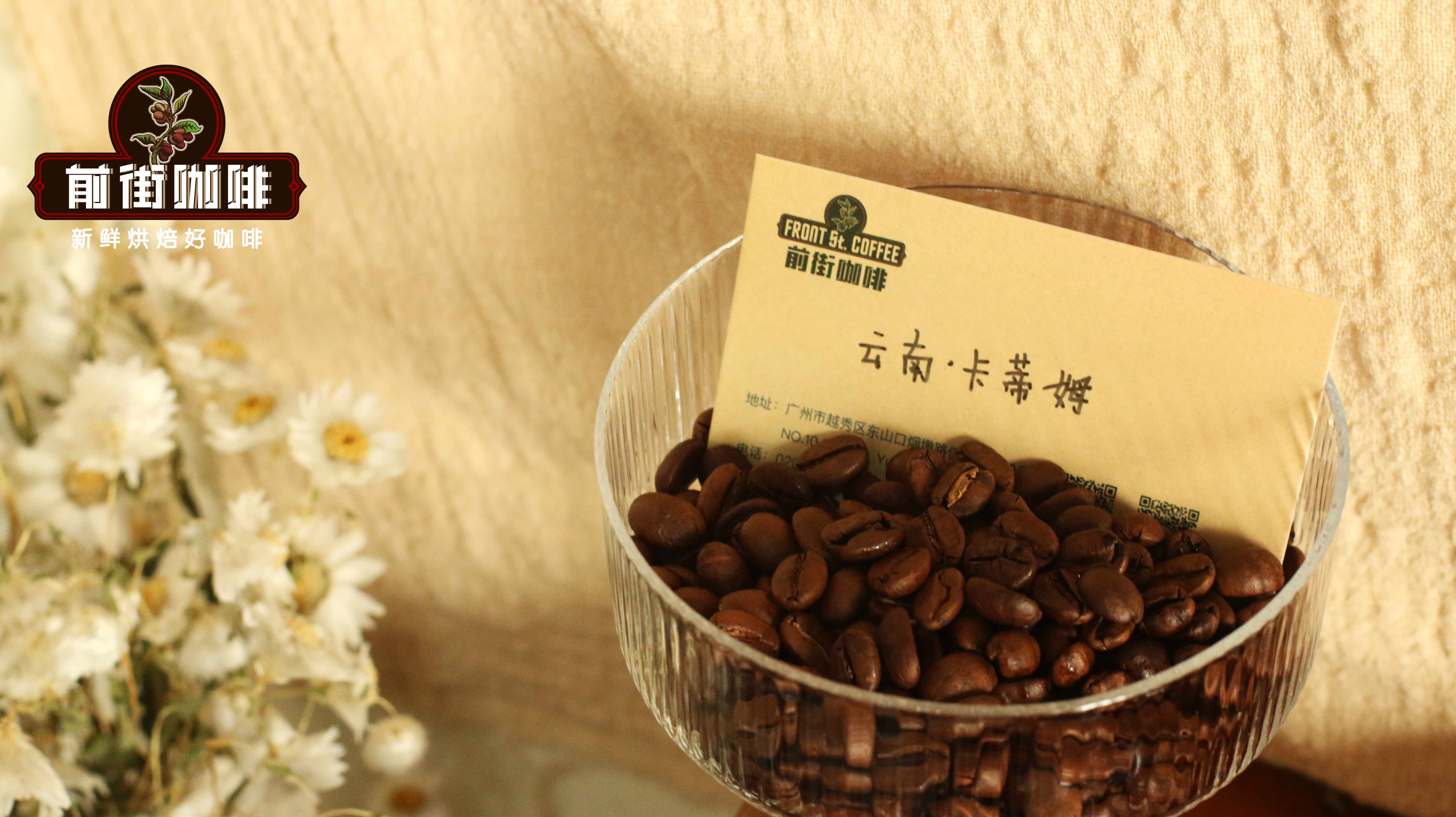
Yunnan Small-Bean Coffee Brewing Guide: Typica vs. Catimor Variety Differences and Front Street Coffee Farming Practices
In the Yunnan coffee market, Catimor dominates, but special processing methods are not a long-term solution—Catimor under traditional processing is what is truly worth savoring. Front Street Coffee chose to plant Typica at its Baoshan estate, improving Yunnan coffee's image from the root. This article compares two washed-process Baoshan Catimor and Typica beans, shares a segmented brewing recipe for the Kono dripper along with the flavor results, and discusses the real gaps between the two varieties in yield and growing conditions, as well as Front Street estate's planting layout and future plans. [more…]

Single-Origin vs. Blended Beans: What Really Sets Specialty Coffee Apart from Commercial Coffee, and Why Pour-Over Costs More Than Espresso
When ordering at a café, many people wonder: why does a pour-over always cost noticeably more than an espresso, even though both are just a cup of coffee? Behind this lies a difference on three levels: coffee bean grade, sourcing cost, and labor time. This article, from the perspective of Front Street, sorts out the essential differences between single-origin beans and blend beans, analyzes the positioning divide between specialty coffee and commercial coffee, and explains one by one the key factors affecting the pricing of pour-over and espresso. Whether you are a coffee enthusiast just starting out or a veteran who relies on espresso every day, you can find the answer here. [more…]
A Complete Analysis of Yirgacheffe Flavor Characteristics: G1 vs G2 Grading, Taste Differences, Grinding Recommendations, and Variety Traceability
Yirgacheffe is one of the most iconic African beans in the specialty coffee world, renowned for its distinctive floral and citrus notes. Starting from Front Street Yirgacheffe, this article systematically reviews its flavor description, the differences between G1 and G2 grading, the impact of different roast levels on taste, grind size selection, and the tracing of its variety naming. It also explores common misconceptions about light roasting, analyzes how Yirgacheffe became the benchmark for floral and fruity coffees, and reviews its unique position within Front Street's coffee lineage, including Front Street Mandheling, Front Street Kenya, and Front Street Blue Mountain, providing coffee enthusiasts with a comprehensive reference for tasting and purchasing. [more…]
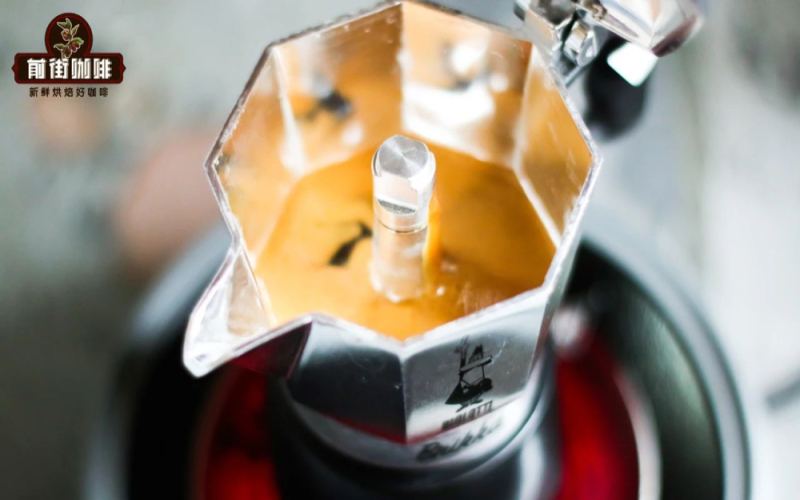
The Complete Moka Pot Brewing Guide: Structure, Principles, Single vs. Double Valve Differences, and Coffee Bean Selection Tips
The moka pot is the most commonly used espresso brewing device in Italian households, and with its refined design and excellent extraction capability, it is deeply favored by coffee enthusiasts. This article will systematically explain the moka pot's three-part structure and its steam-pressure extraction principle, compare the differences between single-valve and double-valve models in terms of crema and strength, and sort out the considerations for choosing capacity specifications. It also recommends medium-dark roasted coffee beans suitable for the moka pot, and, together with Front Street Coffee's detailed breakdown of six brewing steps—from adding water and filling coffee grounds to controlling heat and turning off the stove—explains each one, helping you consistently brew a fragrant, rich, and full-bodied cup of Italian-style coffee with abundant crema at home. [more…]
Chaos in the Blue Mountain Coffee Market: Nearly a Tenfold Price Gap Between Green and Roasted Beans; Authentic Flavor Requires Both Origin and Craftsmanship
Blue Mountain coffee has always carried a legendary aura in China's coffee circles, yet products that genuinely use Blue Mountain beans are few and far between on the market. The export quota of Jamaican Blue Mountain coffee beans has long been carved up by markets such as Japan, Europe, and the United States, while China accounts for 15% of global consumption. Behind this lies both the channel push of a direct-operated subsidiary and the hidden industry chaos of a nearly tenfold price gap between green and roasted beans. The flavor of Blue Mountain coffee cannot be replicated simply by importing beans; it requires a perfect combination of origin pedigree and processing technology. From the strict legal definition of the Blue Mountain region to Front Street Coffee's exacting demands regarding the estate of origin, every step determines whether the cup can truly present that classic, balanced, and slightly acidic flavor. This article will take you deep into the current state of the Blue Mountain coffee market, the differences between green and roasted beans, regional certification standards, and Front Street's commitment to quality. [more…]
Complete Guide to Moka Pot Brewing: Single-Valve vs. Double-Valve Differences and Key Operating Points
The moka pot is a common stovetop espresso device found in Italian households, using steam pressure to brew a rich, concentrated coffee. This article starts with its structure and working principle, compares single-valve and dual-valve models in terms of crema and strength, includes capacity buying advice, and details the medium-dark roast beans recommended by Front Street Coffee along with the complete brewing steps. [more…]
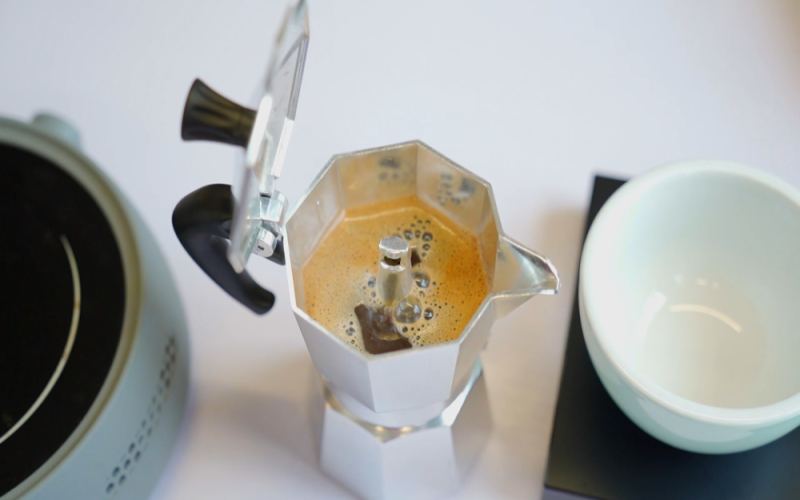
How to Determine the Grind Size for a Moka Pot? A Full Analysis of Single-Valve vs. Double-Valve Pressure Differences, Pros and Cons
As a classic choice among home coffee equipment, the moka pot's single-valve and double-valve differences directly affect the resulting concentration and crema performance. This article starts with the structural principles, analyzes the extraction pressure differences between the two valve types, and outlines the pros and cons of the moka pot, the suitable coffee grind size range, and recommendations for coffee bean roast level. It also includes a complete operating procedure, covering dose control, heating techniques, and daily maintenance points. The article also introduces the recipe ideas and flavor characteristics of Front Street Coffee's two espresso blends, helping enthusiasts make clearer judgments when purchasing and practicing. [more…]
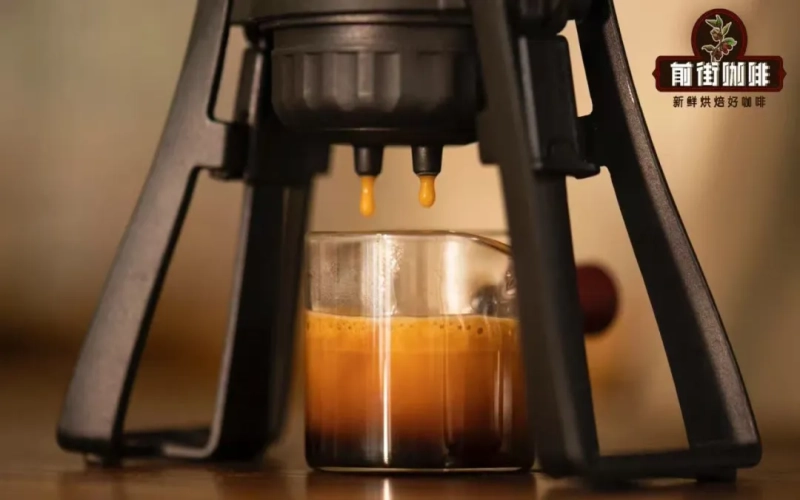
Hand-pressed vs. semi-automatic espresso machine extraction differences tested: Star Grain 3 compared with Lelit V3—can a budget hand-pressed machine be a substitute?
The price gap between manual espresso makers and semi-automatic espresso machines often reaches 10 to 20 times, but is the espresso they extract really worlds apart? This time, Front Street uses actual data to answer this question. We took a Star Grain 3 manual espresso maker purchased in 2022 and now discontinued, and compared it with the Lelit V3 semi-automatic espresso machine used in the shop for espresso output. We extracted three shots from each, measured the concentration and extraction yield, averaged the results, and then judged the differences in flavor and mouthfeel through tasting. The beans used were still the Warm Sun blend used for shop output, with a dose of 19.5g, a Galileo Q18 grind setting of 1.0, and a target liquid weight of 38ml. What will the results be? Can a hundred-yuan-level manual press serve as a daily substitute? The article will also share usage details for key parameters during manual extraction, such as water temperature, grind size, pressure, and water volume, to help everyone avoid common pitfalls like insufficient concentration and rough crema. [more…]

Ethiopian G1 vs G2 Single-Origin Beans: Grading Criteria, Flavor Comparison, and Front Street Brewing Tests
Ethiopia's coffee grading system is unique, using defect rate as its core criterion, which stands in sharp contrast to the practices of most producing regions that grade by altitude or bean size. As the two most common grades, G1 and G2—just how big is the gap between them in terms of green bean appearance, roasting performance, and cup flavor? From the perspective of Front Street, this article traces the origins of the Ethiopian grading system, and through a comparative test of Yirgacheffe G1 and G2, examines everything from green bean condition and roast color values to brewing and tasting, helping coffee enthusiasts understand the practical meaning of grade labels and what role they actually play in the consumption of roasted beans. [more…]
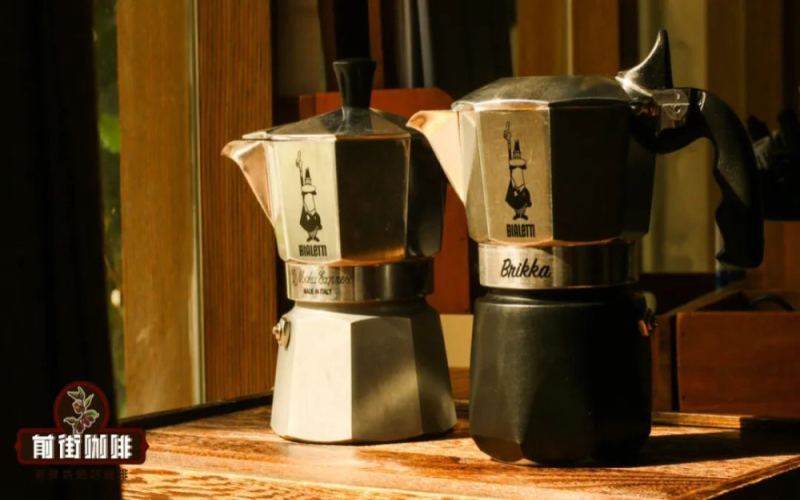
Moka Pot Buying Guide: Single-Valve vs. Double-Valve Differences, Choosing the Right Size for Home Use, and Compatibility with Espresso Blend Beans
As the autumn and winter camping season arrives, the moka pot has once again become a popular piece of gear among outdoor coffee enthusiasts. However, faced with the two options of single-valve and dual-valve models on the market, many consumers hesitate, unsure of the differences between them. From the perspective of Front Street Coffee, this article takes a deep dive into the extraction principles of the moka pot, compares the specific differences between single-valve and dual-valve models in terms of pressure, concentration, crema performance, and suitable scenarios, and answers the question of whether espresso blends can be used in a moka pot. At the same time, for home users, it offers practical advice on choosing the right moka pot size. Whether you're after a rich milk coffee or prefer a pure black coffee, this guide will help you make a wiser purchasing decision, so that every penny is well spent. [more…]
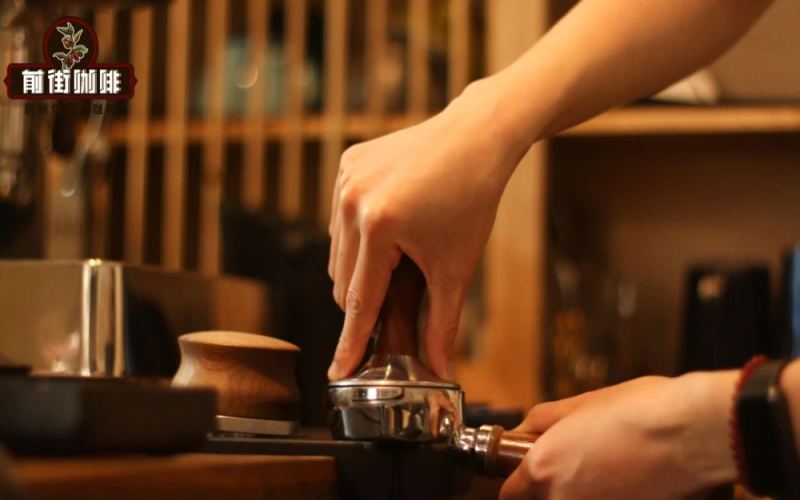
Espresso Tamper Buying Guide: Full Analysis of Flat vs. Ripple Base Differences and Size Selection
For every barista, the tamper is an indispensable companion when making espresso. Whether it's a professional brand like Front Street Coffee or a private collection, the choice of tamper directly affects the quality of coffee extraction. This article will start from the core function of the tamper, delve into why tampers come in different sizes, and analyze the differences between various base designs to help coffee lovers make informed choices among the many products available. By understanding how the tamper levels and compacts the coffee grounds, we will reveal its important significance as a bridge between the barista and the espresso machine. [more…]
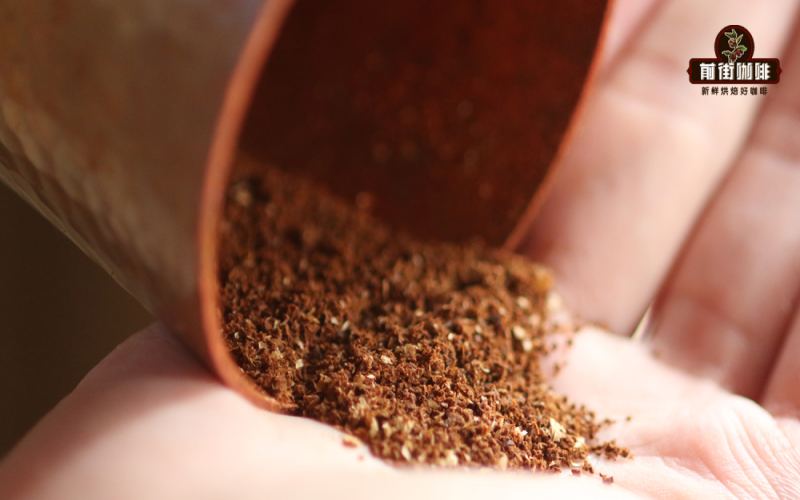
Types of Coffee Grinders | What Are the Pros and Cons of Manual vs. Electric Coffee Grinders? How Do Coffee Beginners Choose a Coffee Bean Grinder? Coffee Grinder Brand Recommendations
From the moment coffee grounds finish being ground and come into contact with the air, they quietly begin to oxidize, and the flavor and aroma change along with it. Therefore, the ideal situation is to grind the coffee beans right before brewing, to ensure you can taste the best flavor. The grinder can be said to be a seemingly low-key yet extremely important part of the coffee brewing process. [more…]
Red Cherry Project Yirgacheffe vs. Regular Yirgacheffe: A Full Analysis of Green Bean, Roasting, Cupping, and Brewing Differences
Yirgacheffe is an evergreen in the specialty coffee world, and the Red Cherry Project is an important initiative for improving the quality of smallholder farms in Ethiopia. From the perspective of Front Street Coffee, this article systematically sorts out the specific differences between Red Cherry Project Yirgacheffe and regular Yirgacheffe (using sun-dried Aricha as an example) in green bean appearance, roasting curves, cupping performance, and brewed flavor. The article also introduces the background of the Red Cherry Project, the key points of the sun-dried processing method, and the drop temperature, brewing parameters, and flavor descriptions of Front Street Coffee's two G1-level beans, helping coffee enthusiasts more clearly understand the quality differences between the two. [more…]
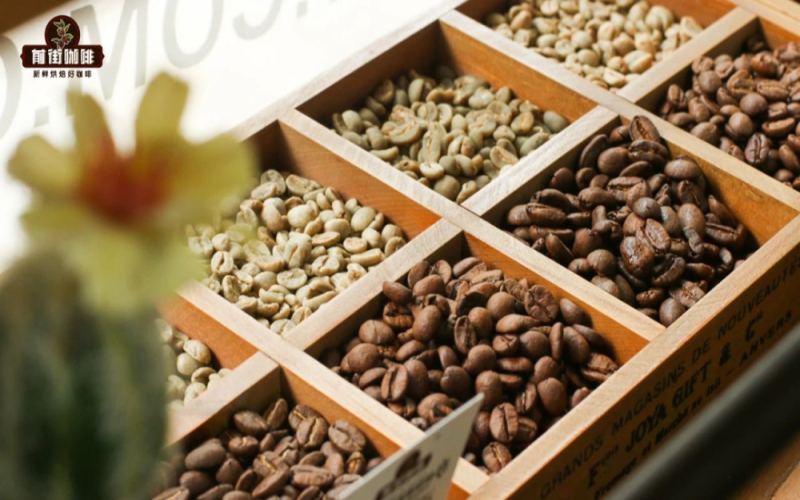
The Starbucks vs. Ethiopia Coffee Trademark Dispute and a Full Analysis of the Five Yirgacheffe Cooperatives
Ethiopia is the birthplace of coffee and the largest coffee-producing country in Africa. Starbucks was once embroiled in a years-long dispute with the Ethiopian government over the trademark rights to the names of three origins—Sidamo, Harar, and Yirgacheffe—which was finally settled with a signed agreement in 2007. Meanwhile, outstanding cooperatives such as Gedeb, Konga, Worka, Halo Beriti, and Idido have emerged in the Yirgacheffe region, showcasing classic flavors of citrus, floral notes, and honey through washed, natural, and anaerobic processing methods. Front Street Coffee has selected a range of Ethiopian staple beans that balance origin distinctiveness with high value for money, taking you deeper into the story of coffee's homeland. [more…]

Panama Emerald Red Label vs. Gesha Village Gold Label: A Side-by-Side Comparison—Which of the Two Top Geshas Is More Worth Buying?
Geisha coffee has always been a top-topic in the specialty coffee world, and on Front Street Coffee's bean list, Hacienda La Esmeralda's Red Label and Gesha Village's Gold Label are exactly the two that many enthusiasts find themselves torn between when first encountering Geisha. These two beans each represent the highest grade of their respective estates, yet because of the "red" and "gold" in their Chinese names, many people can't tell which is which. They differ not only in price, but also in variety origin, growing terroir, and flavor performance. This article systematically sorts out the similarities and differences between these two top Geishas for Front Street Coffee's customers—from naming logic and variety tracing to origin environment and actual cupping comparison—to help you find the cup that suits you best. [more…]
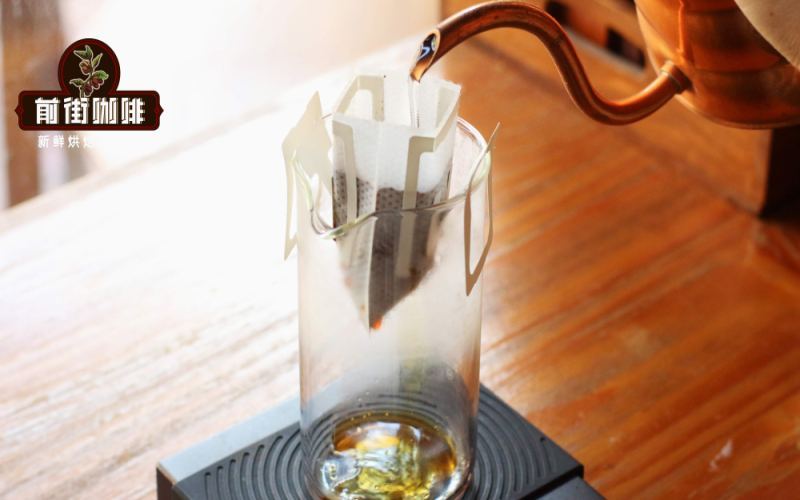
Drip Bag Coffee vs. Instant Coffee: How to Choose? A Full Analysis from Flavor Differences to Front Street Specialty Drip Bag Recommendations
Drip bag coffee or instant coffee—which is really more worth drinking? Both seem like convenient choices, but from the form of the raw material to the brewing method and finally the flavor, the differences are actually quite significant. A drip bag contains ground coffee bean particles, which do not dissolve in water and require pouring water to extract; instant coffee, on the other hand, has been extracted and dried and can dissolve directly. Drip bag coffee has a richer aroma and a fuller body, while instant coffee wins on being cheap and quick but often contains non-dairy creamer and sugar. This article will also break down in detail the flavor gap between drip bags and freshly ground pour-over, and include recommendations for several classic drip bags from Front Street Coffee as well as complete brewing steps, to help you find the cup that suits you best. [more…]
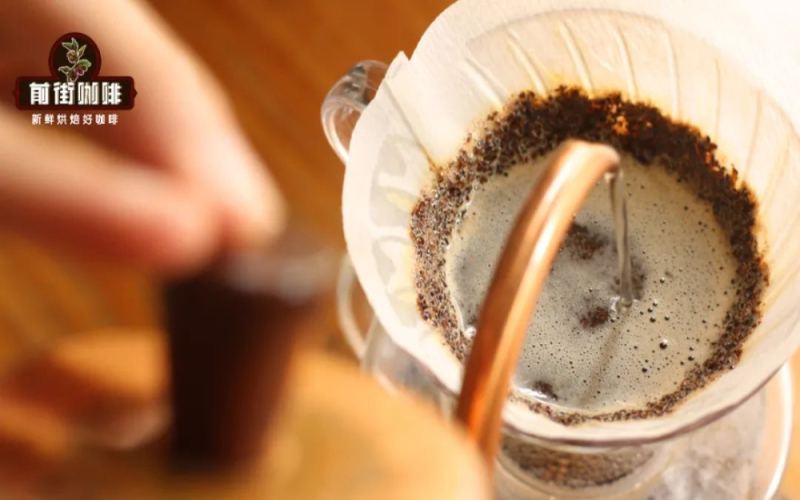
Fine Grind Fast Pour vs. Coarse Grind Slow Pour: Flavor Differences and Practical Comparison of Two Pour-Over Schools
In the world of pour-over coffee, beyond the common brewing schools, two opposing approaches have emerged, divided by grind size and brew time: fine grind fast brew and coarse grind slow brew. Both are based on the same extraction principles, yet they deliver entirely different drinking experiences. This article will analyze the theory behind these two approaches from the perspectives of surface area, water flow rate, and dripper pairing, and conduct a practical comparison using the same medium-roast Papua New Guinea · Bird of Paradise beans, using a V60 and a Kono dripper, the same coffee-to-water ratio and water temperature, to observe the specific flavor differences between fine grind fast brew and coarse grind slow brew, helping coffee enthusiasts understand how to choose the right brewing strategy based on grind size. [more…]

Espresso Tamping Techniques Explained: Pressure Control, Distribution vs. Tamping, and Impact on Extraction Stability
In the process of making espresso, tamping is one of the key steps that determines the success or failure of extraction. Tamping too lightly will cause the flow rate to be too fast and the flavor to be weak; tamping too heavily may make the coffee bitter and hard to swallow. In this article, Front Street Coffee will systematically explain the true purpose of tamping, the difference between distribution and tamping, the correct way to use a tamper, and the actual impact of tamping force on the extraction result. Through comparative experiments, we will guide you to understand the significant differences in flow rate and flavor between espresso extracted without tamping and with tamping, helping coffee lovers master more stable and more professional barista techniques. [more…]

Hand Grinder vs. Electric Grinder Performance Test: How Big Is the Flavor Gap Between Drip Bags and Pour-Over?
What exactly is the difference between pour-over and drip bags? This article starts from a real brewing experience during a Spring Festival trip back home, comparing the grinding performance of hand grinders and electric grinders, and analyzing the impact of pre-ground versus freshly ground coffee on flavor details. Using mid-range setups such as the Hario V60 and Kono filter papers as references, the author documents the specific situation in which fine particle accumulation led to slow drainage and thin flavor, and shares the solution proposed by Front Street. Ultimately, due to time and equipment limitations, the author turned to a county-town café and used an EK grinder to make drip bags. The article fully presents the logic of trade-offs from pour-over to drip bags, and also points out a simple truth: if you have never used better equipment, what you have now is the best. [more…]
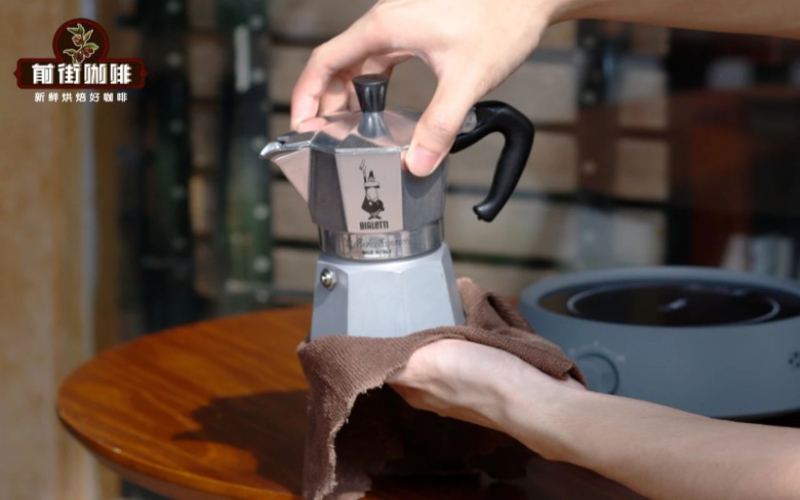
Two Fates of the Same Bean: Moka Pot vs. Espresso Machine
After spending enough time with coffee, many people end up owning both a moka pot and a semi-automatic espresso machine at home. The same beans go into the portafilter for one cup, then into the moka pot's basket for another, and the gap in flavor is so big it often makes you wonder if the beans were swapped out. Understanding this difference, in turn, can help you judge when choosing beans: which beans are worth [more…]