








How do coffee bean grades shape the price of a cup?
Pour-over usually costs more than espresso because of three things: coffee bean grades, purchasing cost, and labor time. Pour-over leans on single-origin beans that highlight a specific flavor, while espresso relies on blends built for consistency. Single-origin lots are bought in small quantities and priced higher per kilogram, and each cup is brewed by hand over several minutes.
Blending solves a practical problem for espresso. Beans are an agricultural product whose flavor shifts with each year's weather, so mixing several origins and processes evens out the variation and lets a weaker lot be replaced without changing the recipe. In specialty coffee, darker roasting is also used for espresso so the flavor still reads through milk, which further lowers the grade requirements for those beans.
When walking into a café to order, many people wonder: why is a pour-over always noticeably more expensive than an espresso when both are just a cup of coffee? Behind this lies a threefold difference involving coffee bean grade, purchasing cost, and labor time. From the perspective of Front Street, this article sorts out the essential differences between single-origin beans and blend beans, analyzes the positioning divide between specialty coffee and commercial coffee, and explains one by one the key factors affecting the pricing of pour-over and espresso. Whether you are a beginner coffee enthusiast or a veteran who relies on espresso daily, you can find the answer here.

Take a few seconds to think about it first, then compare with Front Street's answer to see whether it matches your own judgment.
I. Differences in Coffee Bean Grades
One of the root causes of the price gap between the two types of coffee lies in the different grades of coffee beans used. Pour-over coffee usually centers on single-origin beans that showcase flavor, while espresso tends to use commercial blend beans with greater consistency.
Espresso has a much larger consumer base and has long been integrated into many people's daily lives. Compared with the rich and diverse choices of pour-over coffee, businesses need to maintain long-term stable control over the taste of espresso. However, coffee beans are ultimately an agricultural product, and their flavor fluctuates with changes in the growing climate each year—put plainly, it depends on the weather, and stability is quite limited. Therefore, a method is needed to allow the coffee beans used for espresso to continuously maintain stable flavor performance—"blending" is precisely the optimal solution to achieve this goal.
Mixing several beans from different regions and processed in different ways can not only complement each other's strengths and mask their respective shortcomings, but also reduce the weight of each bean in the formula. In this way, even if a certain bean performs poorly in a given year, because its proportion has already been diluted, it can be replaced and filled in with high-quality beans from other regions.
In addition, to keep the taste of espresso from being overwhelmed by milk, a darker roast is needed to give the coffee a stronger flavor to "compete" with the milk. This further lowers the requirements for the beans themselves—after all, once they enter the medium-dark roast stage, some of the beans' distinctive flavors are gradually covered by the flavors produced by caramelization. Therefore, under the premise that the requirements are not "extreme," most blend beans use commercial coffee beans in combination, offering better value for money.
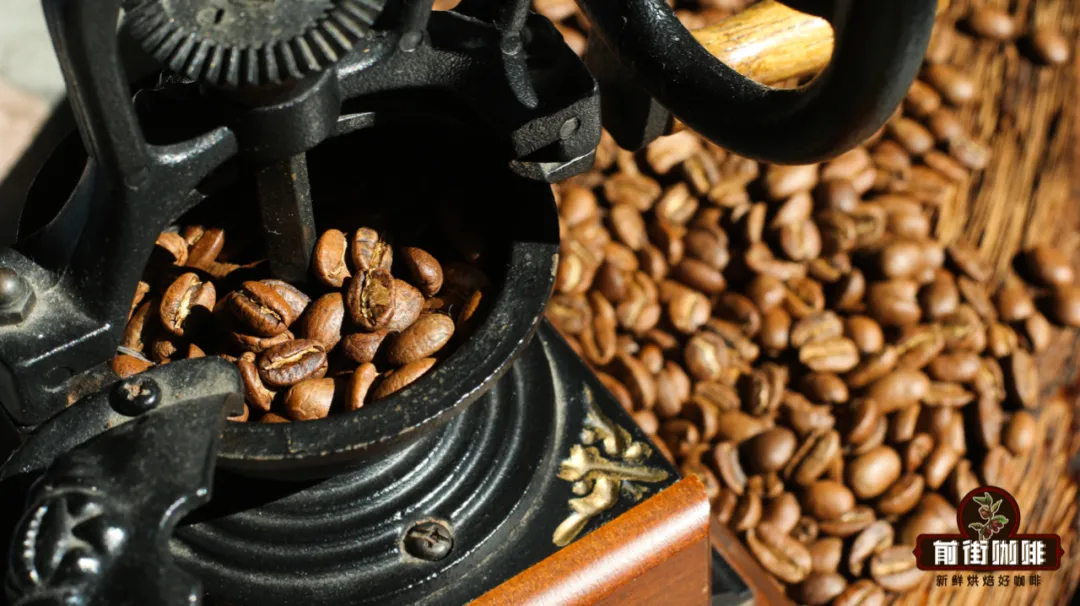
Pour-over coffee can more fully present the flavor characteristics of the coffee beans themselves, so after the concept of specialty coffee emerged, it gradually became the representative method of making specialty coffee thanks to its notable advantages. Precisely because of this, in terms of bean selection, pour-over coffee uses single-origin coffee beans of higher grade and better flavor.
And these higher-grade, higher-quality coffee beans inevitably correspond to a matching purchasing price. The level of purchasing cost directly determines the final selling price, and the price gap between espresso and pour-over thus becomes clearly visible.
II. Purchasing Prices of Coffee Beans
Even if espresso also uses high-quality single-origin beans, its selling price will still be slightly lower than pour-over. The reason, as stated earlier, is that for coffee shops, espresso has a broader consumer base, so espresso's coffee bean consumption is also far higher than that of pour-over. Large consumption means stores can purchase more beans at once, and everyone surely understands the price difference between wholesale and retail; the same principle applies to coffee beans.
In the case of coffee beans, the price of purchasing 500 grams and purchasing 10 kilograms is inevitably not on the same level. So, similar to the first factor, differences in purchasing cost naturally lead to differences in product selling prices.
III. Labor and Time Costs
The last point to discuss is labor time cost. With all materials prepared, making a cup of espresso takes about two minutes at a conservative estimate, while pour-over coffee requires at least three to four minutes to complete. Moreover, during the pour-over process, it is difficult for the barista to handle other tasks at the same time, because pour-over involves a great deal of detail—bean condition, pouring height, drawdown time, and so on—all requiring the barista to focus entirely on the brewing itself.
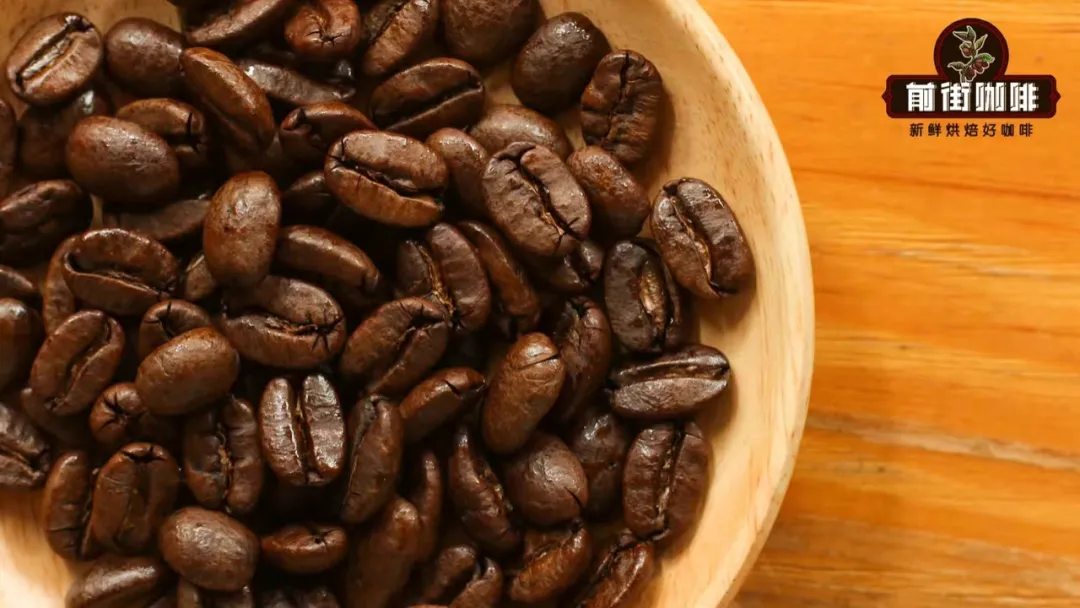
By contrast, the production requirements for espresso are not so strict. The extraction parameters for espresso have already been adjusted during morning testing, and the barista only needs to place the materials in fixed positions and leave the rest to the machine. During this time, the barista can step away to handle other matters depending on their own level of proficiency, so the cost of making espresso is far lower than that of pour-over. This is also why many coffee shops do not offer pour-over coffee—it is time-consuming and labor-intensive.
By this point, everyone should understand why pour-over coffee is more expensive than espresso. This is not merely a matter of the coffee bean grade itself, but also involves the comprehensive difference brought by the purchasing cost of coffee beans and labor time cost.
- END -
The above content is compiled by CoffeeHunters, a coffee news website.


