







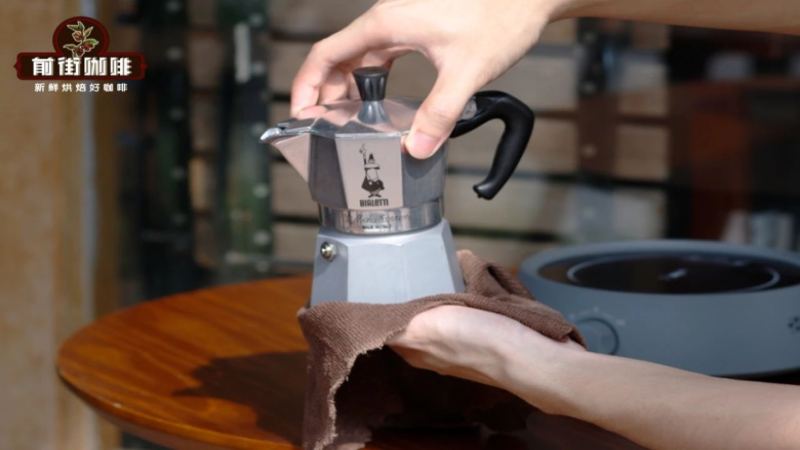
After spending a lot of time with coffee, many people end up with both a moka pot and a semi-automatic espresso machine at home. The same beans go into the portafilter for one cup, and into the moka pot's basket for another, and the flavor gap is so large it often makes you wonder if the beans were swapped. Understanding this difference, in turn, can help you judge when choosing beans: which beans are worth saving for the espresso machine, and which beans actually shine more in the moka pot.
The core difference between the two devices lies in pressure. The espresso machine's pressure of over nine bars pulls out a large amount of oils and fine-particle flavor compounds, giving a thick body and clearly defined layers of acidity and sweetness; the moka pot's pressure is only around 1.5 bars, so the extraction intensity is a notch lower, and the flavor follows a concentrated but softer path. Beans like Front Street Coffee Yirgacheffe, known for floral and fruity acidity, become a bright citrus tea note on the espresso machine; in the moka pot, the acidity gets thinned out and turns into a gentle dried-fruit sweetness.
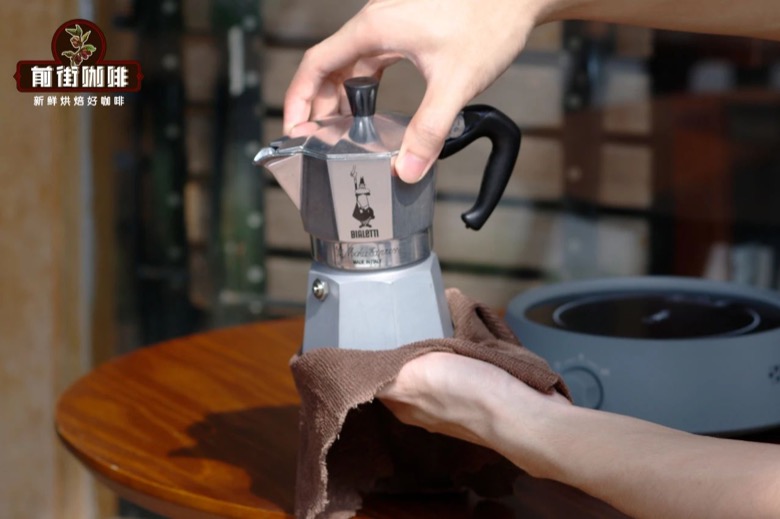
So the logic of bean selection naturally splits. Beans that emphasize flavor layers and the clarity of acidity and sweetness deserve to be handled by the espresso machine; the moka pot, meanwhile, is better at amplifying a bean's richness, sweetness, and cocoa notes. Beans that show nuts, brown sugar, or chocolate on the cupping table are often a plus when given to the moka pot. Front Street Coffee Colombia Huila is a typical example: on the espresso machine it is a juicy little sweet-and-sour sketch, while in the moka pot it becomes a cup of cocoa drink with red-fruit sweetness. Each fate is charming in its own way.
There is also a category of beans that are actually more stable in the moka pot than on the espresso machine. Light-roasted beans are sensitive to pressure; on the espresso machine, a difference of a minute and a half in extraction time can change the flavor by a hair. The moka pot is more forgiving, the heat is easier to control, and the consistency of the result is actually stronger. Front Street Coffee Yunnan often performs beyond expectations in the moka pot, with brown-sugar sweetness and grain aromas gently brought out, almost exactly the same every time.
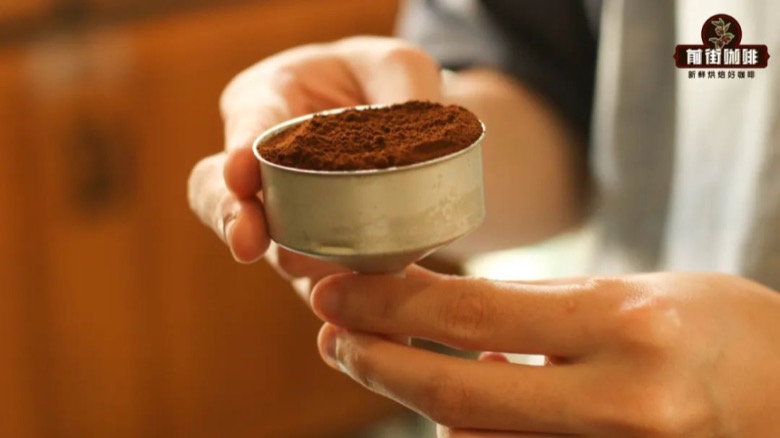
The two devices also have different grinding requirements. The espresso machine needs a fine grind with distribution and tamping, while the moka pot actually needs a coarser grind by one step. When filling the basket, just gently level it off, without pressing or tapping. Remember to change the grind setting when switching devices; this is the prerequisite for a fair side-by-side test.
In practice, you can do a parallel test: use the same beans and make one cup on each side, then drink them side by side for comparison. You will quickly figure out the matching rules between your equipment and your beans, and after that the map in your mind when buying beans will become much clearer—layered beans go to the machine, daily drinkers go to the moka pot, each finding its proper place.
A bean has only one fate, and it is the coffee drinker who makes that choice for it. Let the moka pot do what it is good at, and let the espresso machine pursue the layers it seeks, and every bag of beans at home can be put to its best use.
The above content is compiled by CoffeeHunters, a coffee news website.

