







Can a Hand-Pressed Coffee Machine Match a Semi-Automatic?
A discontinued Star Grain 3 hand press and a Lelit V3 semi-automatic were tested side by side to see whether a budget manual device can pull espresso comparable to a machine costing many times more. Each device extracted three shots of the same Warm Sun blend using identical settings: 19.5g of grounds, Galileo Q18 at grind setting 1.0, and a 38ml target liquid weight. Concentration, extraction yield, and taste were all recorded.
The price difference between the two types of coffee machine reaches ten to twenty times, which is why the comparison matters to any coffee enthusiast weighing a manual purchase. Averaged measurements of concentration and extraction yield, plus tasting notes on flavor and mouthfeel, show where the cheaper hand press holds up during daily extraction and where it falls short, including crema quality and shot consistency.
The price gap between manual coffee presses and semi-automatic espresso machines often reaches 10 to 20 times, but do the espresso shots they extract really differ vastly? Front Street uses actual data to answer this question this time. We took a Star Press 3 manual coffee press purchased in 2022 and now discontinued, and compared it with the Lelit V3 semi-automatic espresso machine used for in-store espresso output. We extracted three shots each, measured the concentration and extraction yield, took the averages, and then judged the differences in flavor and mouthfeel through tasting. The beans used were still the Warm Sun blend for in-store output, with 19.5g of coffee grounds, Galileo Q18 grind setting 1.0, and a target liquid weight of 38ml. What will the results be? Can a hundred-yuan-level manual press serve as a daily substitute? The article will also share details on using key parameters during manual extraction, such as water temperature, grind, pressure, and water volume, to help everyone avoid common pitfalls like insufficient concentration and rough crema.
Because of this, many coffee enthusiasts have a question in their minds: manual presses and semi-automatic machines differ in price by ten or twenty times, so do the espresso shots they make really taste worlds apart?
To answer this question, Front Street decided to conduct a practical comparison to see how big the difference is between espressos extracted by these two types of machines with such disparate prices. (Front Street solemnly declares here: there is no advertising cooperation in this entire article!)
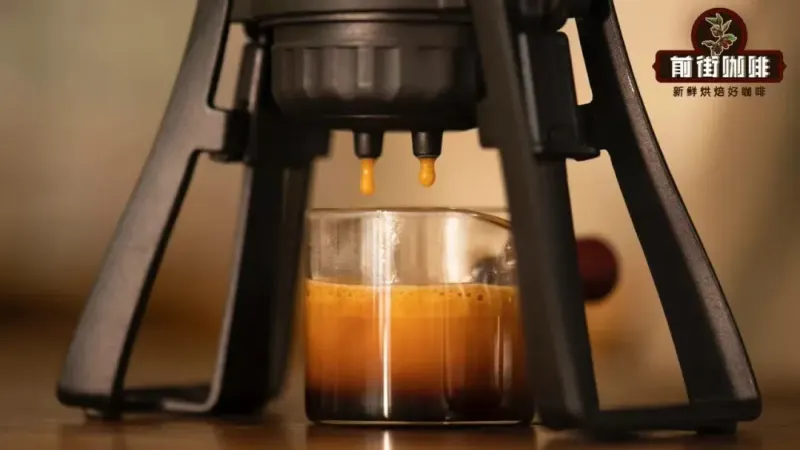
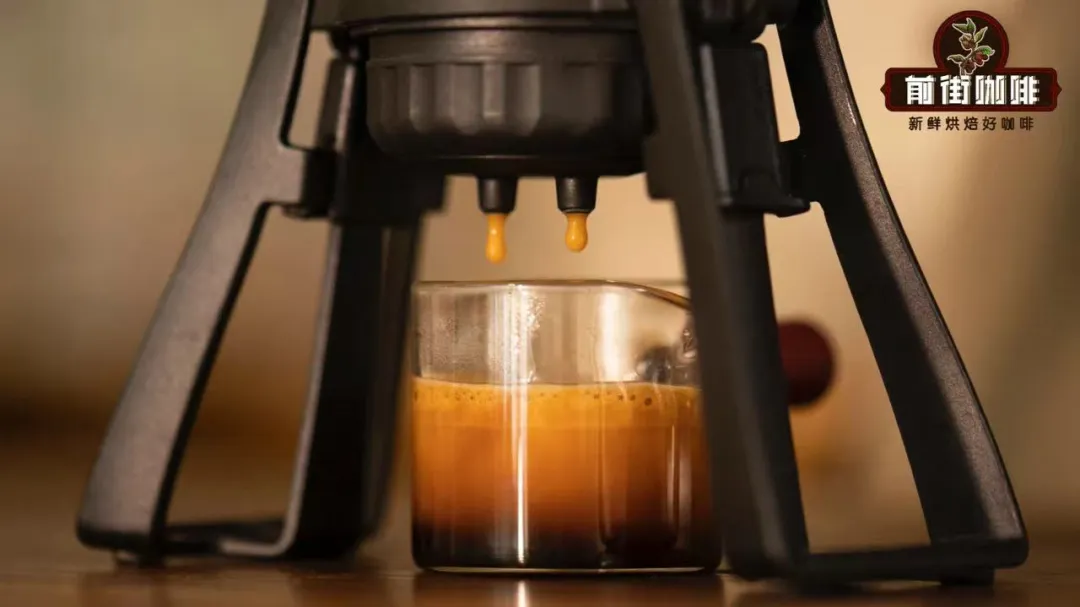
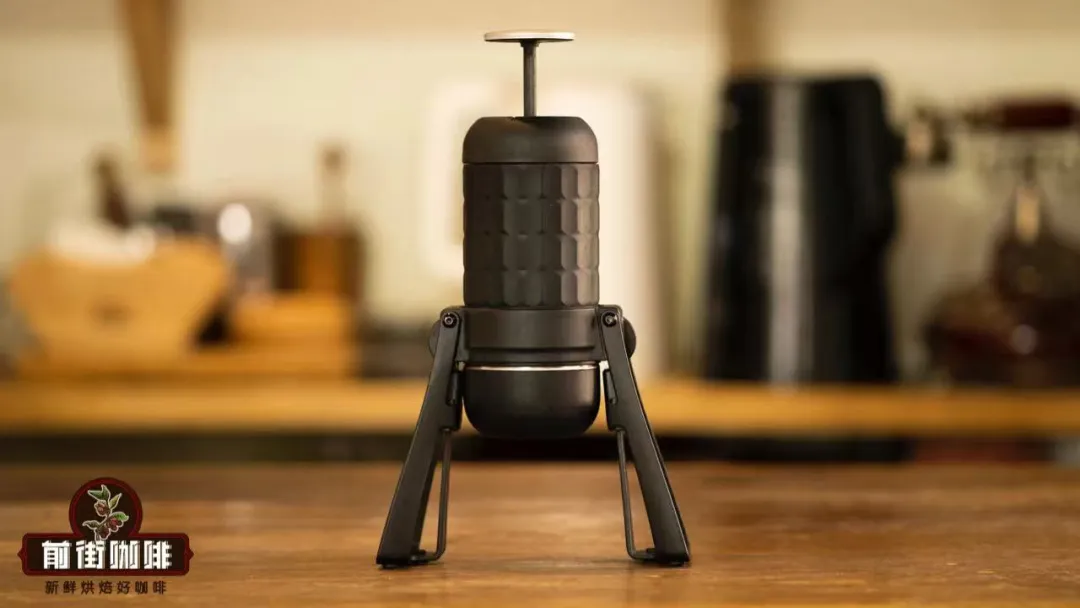
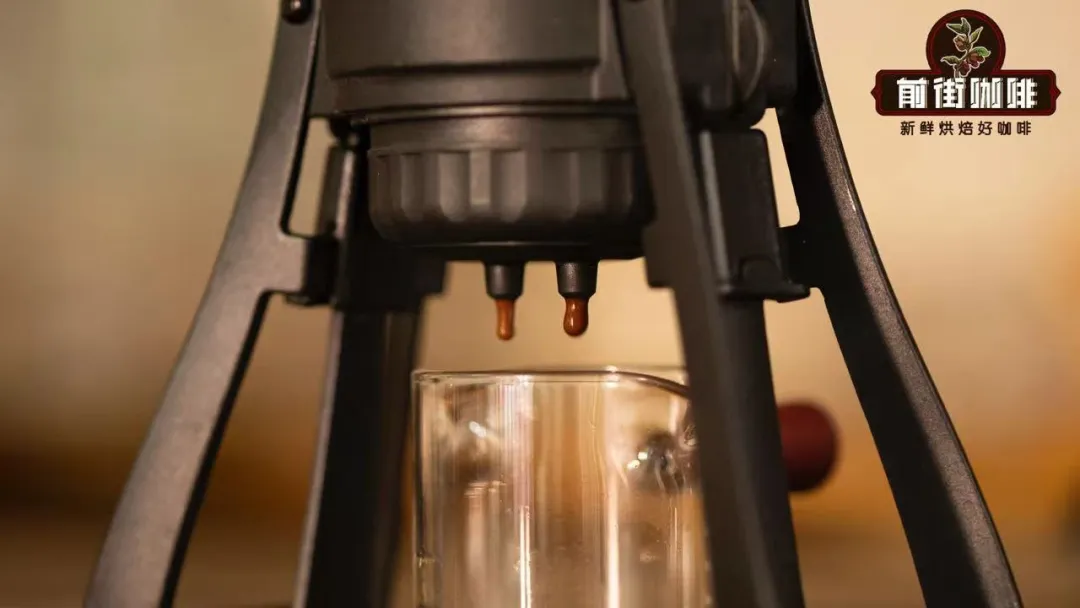
The manual device Front Street used this time is an old Star Press 3 acquired in 2022. Customers who often come to the shop reminded us that this model has now been discontinued.

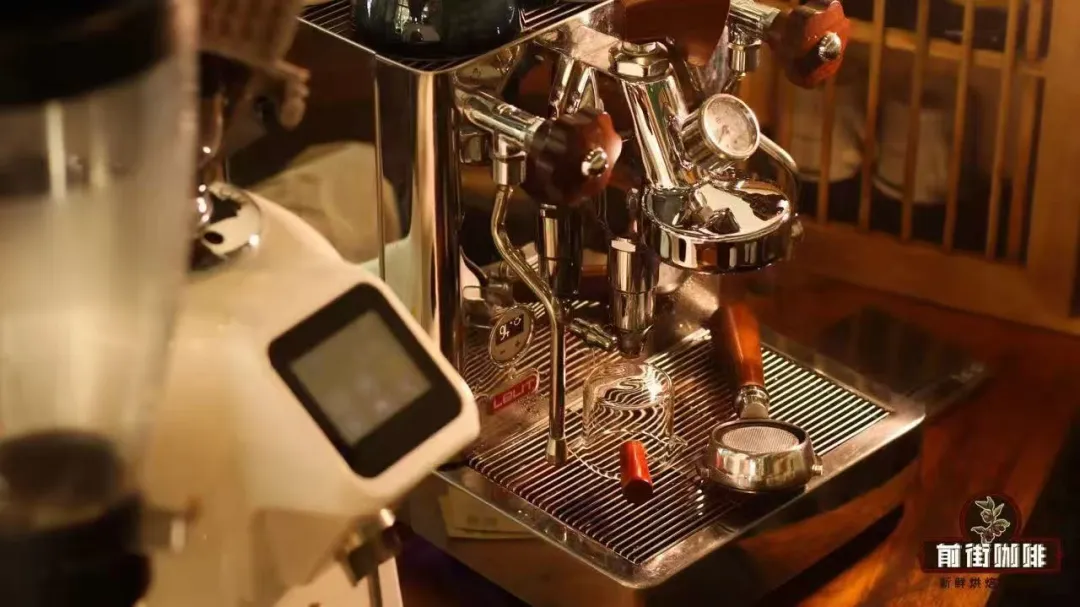
For the semi-automatic side, Front Street chose the Lelit V3, which is relied upon for all in-store espresso coffee output.
The comparison method is straightforward: Front Street made three espressos each with the Star Press 3 and Lelit V3, measured the concentration and extraction yield one by one, took the averages for comparison, and finally judged the taste differences through tasting. This time, we still used the in-store output beans—Warm Sun blend. The extraction settings were: 19.5g of coffee grounds, Galileo Q18 grinder at setting 1.0, target liquid weight of 38ml.
The extraction process is skipped here. As soon as the coffee flowed out, Front Street immediately tasted it, then measured the concentration and extraction yield separately and took the averages. First, the data: the Star Press 3 had an average concentration of 10.04% and an average extraction yield of 20.27%; the Lelit V3 had an average concentration of 10.60% and an average extraction yield of 21.41%.
From the two indicators of concentration and extraction yield, the difference between the two is not significant. The same goes for the taste. After tasting, Front Street found that the flavor and mouthfeel of the two were only slightly different, with the coffee made by the Star Press 3 being slightly thinner in mouthfeel, but otherwise performing quite well.
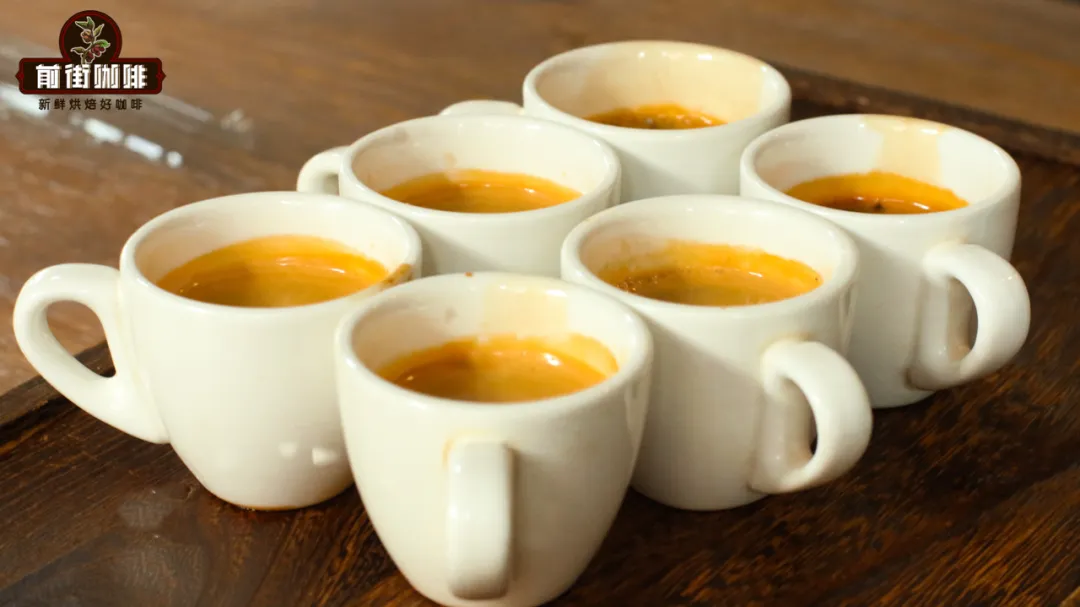
The flavors were all quite fully expressed: whiskey, butter cookies, berries. The overall taste was balanced, neither sharply sour nor burnt bitter. Moreover, it could also extract quite rich crema, indicating that the pressure provided by the manual press is sufficient. You can guess which cup below has crema from the manual press and which from the semi-automatic machine.
The answer revealed: the cup on the right was extracted by the semi-automatic machine, and the cup on the left was extracted by the manual press. Did you guess correctly? Overall, setting aside other functions, when it comes to the extracted coffee alone, the manual press can indeed compete with the semi-automatic machine in taste and mouthfeel.
But after all, the price gap is there, and the functions of a manual press cannot be as comprehensive as those of a semi-automatic machine, and its stability is relatively poorer. If the daily output is not large and there is no extreme pursuit of coffee, then a manual press would be a quite good alternative choice.
(Here Front Street is talking about affordable hundred-yuan-level manual presses! Once again emphasized: this is not an advertisement!)
At this point, many friends may have accumulated a bunch of questions. Because if you search online for related reviews, you will find that many bloggers have failed when using such manual presses (hundred-yuan machines costing less than a thousand yuan). Either the extracted coffee concentration is insufficient, or no crema is produced at all. Even if there is crema, it is mostly rough bubbles squeezed out.
The key to such failures is that the parameters are not used correctly. Pressure, water temperature, grind, water volume, and coffee grounds amount are all important factors determining whether a cup of coffee can have high concentration and rich crema. Once the parameters are wrong, the coffee will be as bland as water, and the crema will be rough as if fake.
Don't worry, Front Street will now share some details worth noting when using a manual press. First, it must be clear that a manual press is not like a coffee machine; its pressure and extraction method differ greatly from a coffee machine.
Without converting to pneumatic manual pressing, the pressure during extraction with a manual press is not so stable. So if you do not plan to modify it, other parameters should be used slightly more extreme.
Front Street chose a relatively extreme water temperature—95°C, which can improve the efficiency of hot water dissolving substances. In addition, a manual press requires manual water addition, so you need to prepare a separate boiling tool, boil the water, and then pour it in. Note that when using a manual press for the first time, it is best to preheat the water tank with hot water first, and then pour in the hot water for extraction. This is to reduce the heat absorbed by the water tank from the hot water, making the extraction water temperature more stable.
Regarding grind, Front Street recommends using the same grind setting as a coffee machine. Because the formation of pressure requires resistance; the greater the resistance of the coffee puck, the greater the pressure that can be applied during extraction. So when extracting with a manual press, the grind should be as fine as possible. As with coffee machine extraction, after filling the grounds, try to distribute and tamp as evenly as possible to avoid channeling.
Manual presses usually come with an adjustable pressure valve, for example, the Star Press 3 adjusts via a dial at the bottom. Under normal use, Front Street generally recommends turning the dial to the lowest position and opening the pressure to the maximum.
Finally, water volume. The amount of water directly determines the coffee concentration. If you want to extract a high-concentration coffee, Front Street recommends strictly controlling the water amount or the extracted liquid weight. The commonly used coffee-to-liquid ratio for espresso is 1:2. If you want the coffee extracted by the manual press to reach espresso concentration, you can also use the same coffee-to-liquid ratio, which converts to a coffee-to-water ratio of 1:3.5 to 4.
The above is roughly the content. Those interested can research different brands of manual presses on their own; Front Street will not introduce more here.
- END -
The above content is compiled by CoffeeHunters, a coffee news website.


