







Search Results for: full extraction

Luckin's Full Extraction series launches to much discussion, why is the long-extraction espresso base criticized for tasting like dishwater
Luckin Coffee recently launched a new product line—the Full-Extraction Series, comprising three milk coffees: Full-Extraction Oat Latte, Full-Extraction Meteorite Latte, and Full-Extraction Latte, recommended by Anthony Douglas, the 2022 WBC World Coffee Champion. The brand claims to use the Café Crema full-extraction process to extract more coffee liquid to enhance concentration, targeting those who prefer strong flavors. However, the first batch of reviews on social platforms has been uniformly negative, with consumers describing the taste as resembling dishwater or burnt herbal medicine soup. What exactly is the concept of full extraction? How does it differ from espresso? Why are consumers not buying it? This article analyzes from the perspectives of extraction principles and market trends. [more…]
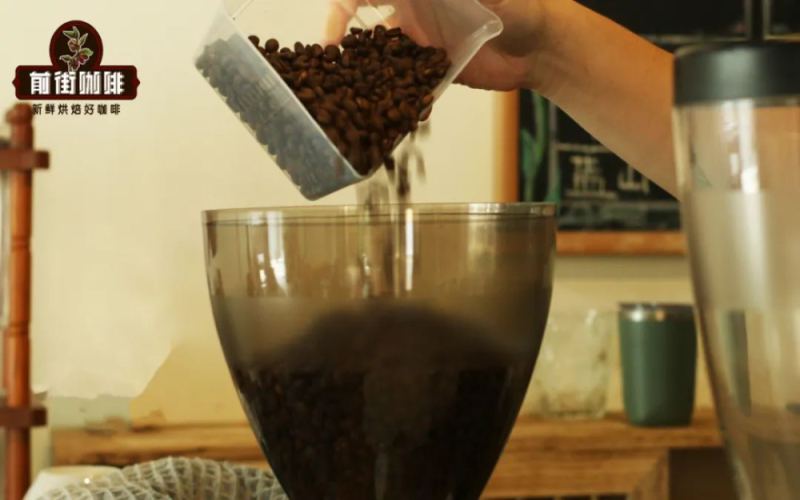
Analysis of the Impact of Espresso Grinder Hopper Bean Level on Espresso Extraction
In espresso preparation, baristas often require the bean hopper to be kept nearly full, but what principle lies behind this? How do changes in hopper pressure affect the uniformity of coffee grinding, and in turn alter the flavor expression of espresso? Starting from the internal structure of the grinder, this article explains the mechanism by which hopper pressure forms and its impact on extraction, and, combined with comparative experiments by Front Street Coffee, presents the actual differences in espresso between a full hopper and a less-than-full hopper. For home users who do not pull shots continuously, is it also necessary to pay attention to this detail? Read the full article, and you will get a clear answer. [more…]
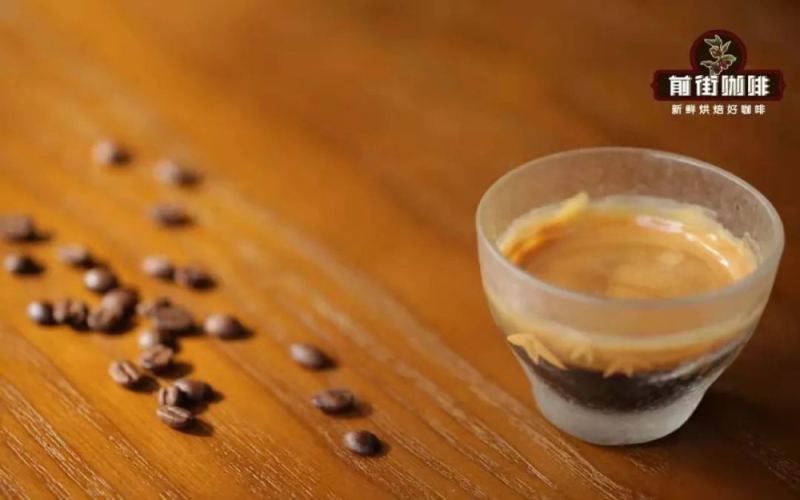
An In-Depth Look at Espresso: Definition, Standard Extraction Parameters, and a Full Flavor Analysis of Four Front Street Coffee Blends
Although espresso does not have a particularly broad audience in China, it is a national-level beverage in Italy and the very soul of an Italian coffee. It is extracted quickly through high temperature and high pressure, topped with a golden layer of crema, and has a rich, full-bodied flavor. This article will provide a comprehensive analysis of the historical origins of espresso, the principles behind crema formation, standard extraction parameters, and the flavor characteristics of Front Street Coffee's four espresso blend coffee beans, helping coffee lovers understand how to adjust grind size, dose, and extraction time to make a stable and delicious shot of espresso. [more…]

What Exactly Is the Full-Bodied "Body" of Coffee? An In-Depth Analysis of Full-Bodied Coffee Types and Brewing Adjustment Techniques
People often describe a cup of coffee as "rich, mellow, and sweet," but what exactly do "rich" and "mellow" mean? This article starts from the roast level of coffee beans, analyzing how the full-bodied mouthfeel manifests in the mouth, and recommends several Front Street Coffee beans with a full-bodied flavor, including Golden Mandheling, Queen's Estate, and Colombia Huila. At the same time, it offers practical adjustment solutions across four dimensions—coffee-to-water ratio, brewing time, dripper selection, and pouring technique—to make dark-roasted coffee taste thicker, helping coffee enthusiasts solve the problem of brewed coffee turning out too thin. [more…]
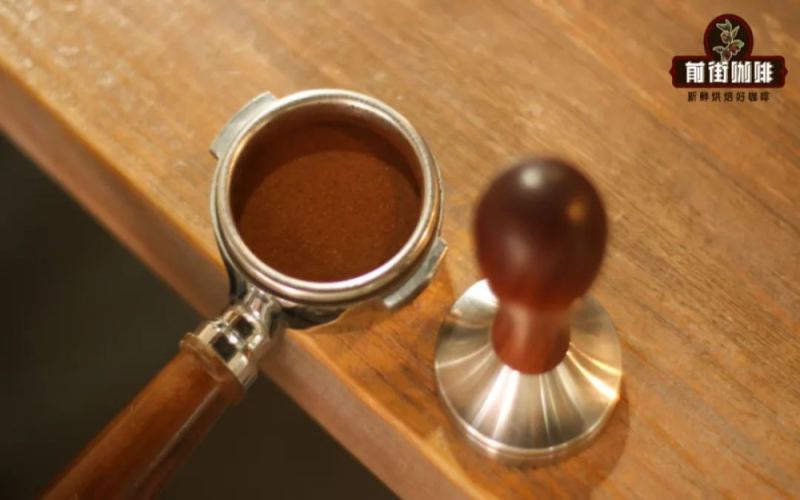
How should you control the tamping pressure for espresso? An experimental analysis of tamping differences under coarse and fine grinding
Tamping the puck flat is a basic consensus in espresso extraction, but how much force should actually be used to tamp it down has long been a point of disagreement among baristas. Some give the tamper a light spin and apply just a little pressure, while others put their whole body weight into compressing the puck as hard as possible. Front Street conducted a comparative experiment using two grind sizes—coarse and fine—tamping with a regular force of 1.5 kg and a full-force press of about 9 kg respectively, to observe changes in extraction time. The results showed that because coffee grounds differ in density, the force needed to reach a compacted state also varies: fine grinds require greater pressure to be tamped to their most compact state, while coarse grinds are already sufficiently compacted at 1.5 kg, and full-force tamping produces extraction results almost identical to regular force. This article will present the full experimental process and conclusions to help coffee lovers understand the relationship between tamping force and grind fineness. [more…]
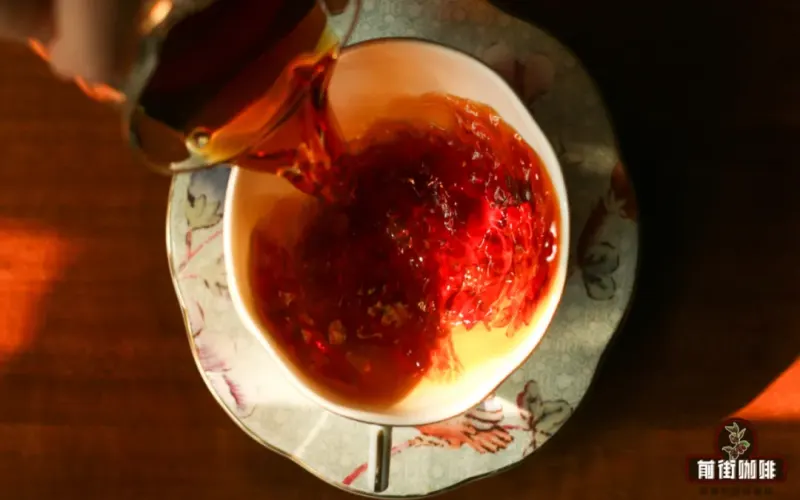
How to Improve the Aroma of Pour-Over Coffee? A Detailed Explanation of the Flavor Window for Single-Origin and Espresso Beans and Extraction Parameter Adjustments
Many coffee enthusiasts who brew pour-over at home often find that the coffee they make falls short of what a café produces, whether in aroma or flavor expression. In fact, the key to recreating a cup of pour-over coffee that is rich in aroma and layered in flavor lies in two core elements: first, using fresh coffee beans that are still within their optimal tasting window; second, achieving full extraction through scientific brewing parameters. Drawing on the practical experience of Front Street Coffee, this article systematically explains the criteria for judging coffee bean freshness, the brewing parameters corresponding to different roast levels, and how to flexibly adjust grind size based on flavor feedback, helping you consistently brew a good cup of coffee with a rich aroma and vivid flavor. [more…]
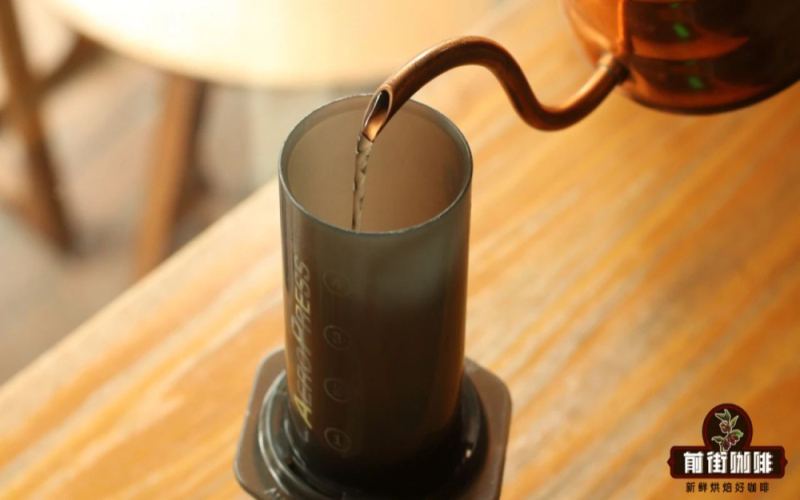
AeroPress Inverted Brewing Guide: How to Make a Full-Bodied Cup of Coffee with AeroPress
The AeroPress is famously known in coffee circles as the "all-purpose" brewing device, with a flexible and varied operation and almost no rigid rules to follow. It combines three principles: French press immersion, pour-over paper filtration, and espresso-style pressure extraction. It can produce both a rich, full-bodied taste and a clean, refreshing flavor profile. This article uses inverted pressure extraction as an example to break down the AeroPress operation steps and parameter settings in detail, and shares the Huila bean brewing recipe recommended by Front Street Coffee, helping beginners get started quickly and consistently produce a delicious cup of coffee full of nutty aroma and rich body. [more…]
What Exactly Is Coffee Body? A Full Analysis of the Key Factors Affecting Fullness and Brewing Techniques
When drinking coffee, we often hear the term "Body" — what exactly does it mean? Simply put, Body is the tactile sensation and weight that coffee brings to the mouth, also known as mouthfeel or thickness. A good cup of coffee needs not only rich flavors but also a noteworthy mouthfeel. The quality of Body mainly depends on the content of oils and fiber in the coffee, and whether these substances can be fully extracted is closely related to the choice of filter, brewing time, and the roast level of the coffee beans. Front Street Coffee will take you through an in-depth understanding of the essence of Body and share how to achieve the ideal rich mouthfeel by adjusting brewing parameters. Whether you prefer a thick, full-bodied cup or a light, smooth one, this article offers practical reference for you. [more…]

Coffee Body | How to brew a rich, full-bodied pour-over coffee? Recommended single-origin pour-over coffee beans that are neither sour nor bitter and have a sweet aftertaste
People always like to describe the beauty of a cup of coffee as rich and sweet, but what is "rich"? What is "mellow"? Wherein lies the difference? The coffee bean roast levels commonly seen on the market can be roughly and simply divided into three categories: light roast, medium roast, and dark roast. To highlight a rich and full-bodied coffee taste, roasters generally [more…]
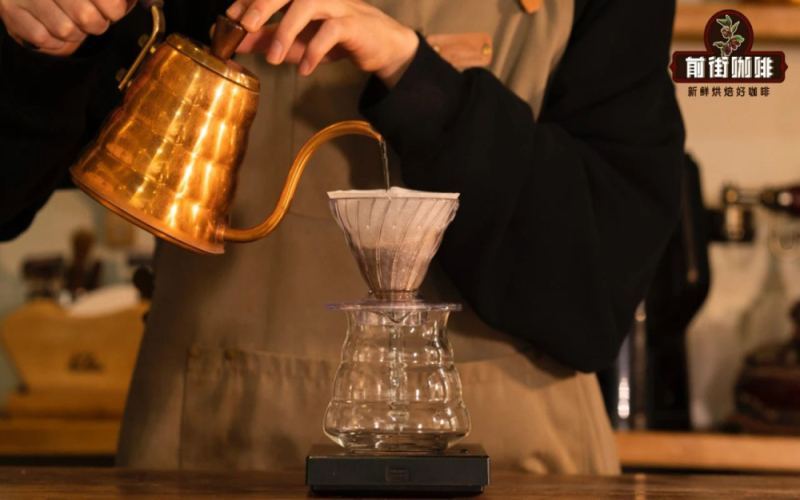
How to Make Japanese-Style Iced Pour-Over Coffee? A Full Breakdown of Its Characteristics, Steps, and Brewing Key Points
Japanese coffee culture has long been known for its artisan spirit, and local coffee lovers prefer rich, full-bodied dark roasts—Blue Mountain and Mandheling are typical examples. But on a hot summer day, a refreshing glass of iced coffee is equally indispensable. The Japanese-style iced coffee method is actually not complicated—prepare ice cubes in the cup, then extract using the regular hot pour-over method. Its biggest advantage is that it's quick to make, with no need to wait all night like cold brew, yet the result is full-flavored and bright. This article will use a recipe of 15g coffee grounds and 100g ice as an example, explaining the complete Japanese-style iced pour-over process step by step—from bean selection, grind size, and water temperature to staged pouring—and summarize key points such as the ice-to-water ratio and extraction yield adjustment, to help you brew a refreshing and delicious cup at home. [more…]
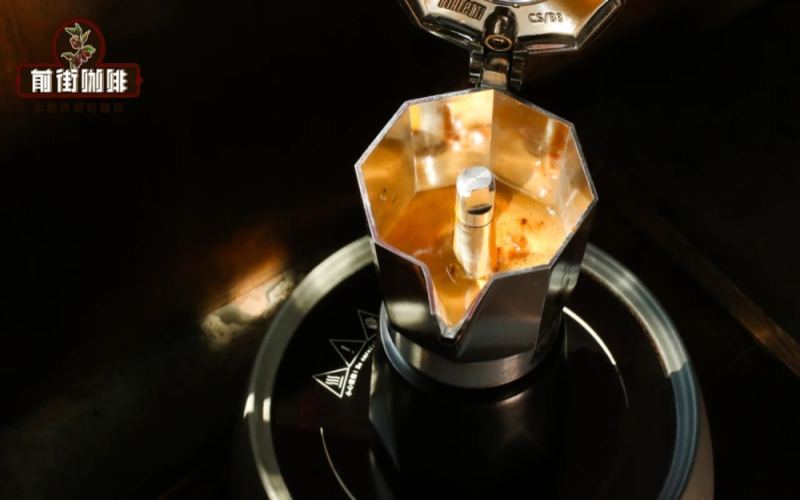
How Fine Should You Grind Coffee for a Moka Pot? A Full Guide to Basket Capacity and Tamping Techniques
The extraction effect of a moka pot is closely related to the grind size of the coffee grounds, the amount filled, and the tamping method. Many people are puzzled about how full the filter basket should be, whether to tamp the grounds, how much pressure to apply, and how to judge the coarseness of the grounds. This article starts with the correspondence between the filter basket's capacity and the amount of coffee, explaining the grind state suitable for a moka pot—slightly coarser than fine espresso grounds, similar to the texture of fine salt; it explains why filling the basket is recommended, and how insufficient coffee grounds can easily cause channeling and uneven extraction; it also provides gentle distribution and pressing methods when reducing the amount of coffee, and warns of the safety hazards that may arise from tamping too hard. The article also combines Front Street Coffee's classic espresso blend beans to demonstrate the balanced flavor of an iced latte made after adjustment. [more…]

A Guide to the Espresso-to-Water Ratio for Americano: A Full Breakdown of Espresso Bean Selection and Extraction Parameters
To brew a delicious Americano, two things matter most: the quality of the espresso extraction, and the ratio of espresso to water. The flavor of the espresso in turn depends on the coffee beans you choose and the extraction parameters you set. This article will cover three dimensions—bean selection, extraction approach, and the espresso-to-water ratio—while also offering practical reference points from several Front Street Coffee beans. Whether you prefer floral and fruity acidity or a rich, acidity-free cup, you'll find an approach that suits you. To make an iced Americano, simply add an appropriate amount of ice to the original ratio. [more…]
Cold Brew Coffee vs. Japanese Iced Pour-Over: A Full Analysis of Extraction Principles, Brewing Parameters, and Flavor Differences
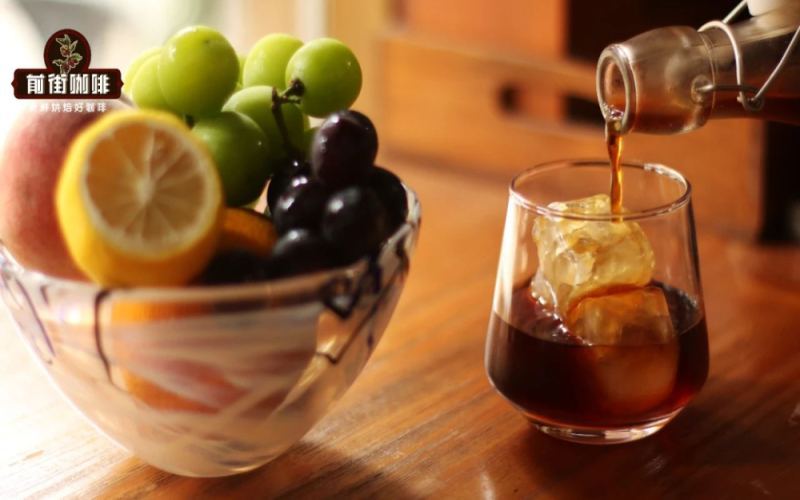
On a scorching summer day, a refreshing glass of iced coffee always brings a unique kind of satisfaction. Cold drip coffee and cold brew coffee, as representatives of low-temperature extraction, are highly favored for their crisp taste and full-bodied flavor; while Japanese-style iced pour-over, made by adding ice to hot coffee, is known for its speed and simplicity. Starting from the practices at Front Street Coffee, this article systematically reviews the historical origins, brewing process, and equipment choices of cold drip coffee, compares the extraction logic and parameter adjustments of adding ice to hot coffee, and shares the flavor performance of medium-light roasted beans in iced coffee, helping coffee enthusiasts find the cup that suits them best in midsummer. [more…]
Where does coffee body come from? Master the coffee-to-water ratio, brewing time, and dripper choice to brew a rich, full-bodied cup.
When tasting coffee, we often describe a good cup as "rich" or "sweet," but what exactly is richness? What is mellowness? And where does the difference between the two lie? In fact, this is closely related to the coffee's "body." Body refers to the sense of weight that the coffee liquid presents in the mouth—is it light as water, or thick as milk? This article will systematically explain how to brew a rich, full-bodied cup of coffee from five aspects: choice of roast level, coffee-to-water ratio, brewing time, dripper selection, and pouring technique, and will recommend a number of dark-roast coffee beans suited to those pursuing a heavy, substantial flavor. [more…]
Espresso Flavor Analysis: Is Espresso Bitter, How to Taste It, and a Guide to Choosing Espresso Beans
Espresso is the drink least frequently ordered on its own in coffee shops, and many cafes even keep it hidden off the menu, making it only when a customer specifically asks. This article revolves around several core questions about Espresso: Is it actually bitter? How should you taste it? What makes it unique? Why do most cafes prefer to use espresso blends to make it? At the same time, Front Street Coffee has also put together several espresso bean recommendations suitable for stable extraction, covering a delicate winey type, a slightly acidic and full-bodied type, a balanced rich-aroma type, and a classic full-bodied type, for friends who want to recreate the espresso flavor at home. [more…]
What are the substantive differences between single and double espresso? A full analysis of portafilter basket structure, extraction data, and operation
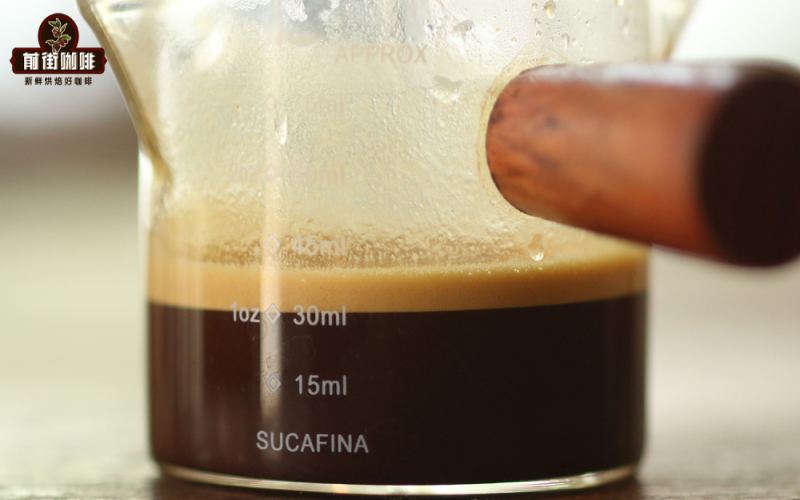
When ordering an espresso at a coffee shop, you can ask for a single shot or a double shot. On the surface, single and double espressos differ only in volume, but from the barista's operational perspective, this involves two completely different extraction schemes. Portafilter basket capacity, puck structure, and uniformity of pressure distribution can all create noticeable differences in the final product. This article starts from Front Street Coffee's extraction experiments, using specific data to compare the extraction performance of single baskets versus double baskets, explaining why a single espresso is not simply half of a double, and includes a standard double espresso preparation procedure to help you gain a deeper understanding of the intricacies behind this small cup of coffee. [more…]
The Complete Guide to Espresso Extraction with a Semi-Automatic Coffee Machine: A Full Operating Manual from Bean Selection to the Final Cup
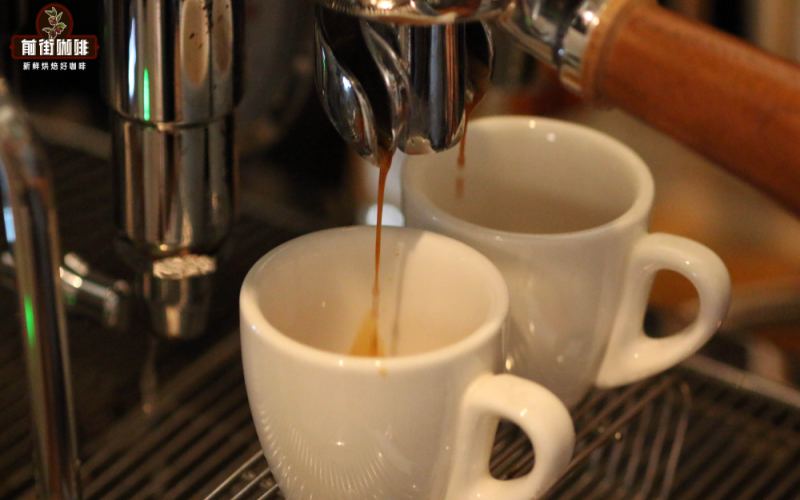
Want to make a rich, thick espresso with crema at home using a semi-automatic espresso machine? From the machine's extraction principles to choosing coffee beans, and then to every step of the operation, this article gives you a complete breakdown. We'll explain the extraction process at 94 degrees Celsius and 9-10 bar pressure, recommend Front Street Classic Blend, Black Cocoa Blend, and Strawberry Candy Espresso Blend as coffee beans suitable for home use, and walk through dosing, tamping, extraction, and how to make Americanos and lattes step by step, with a final reminder that parameters need fine-tuning based on the environment. [more…]
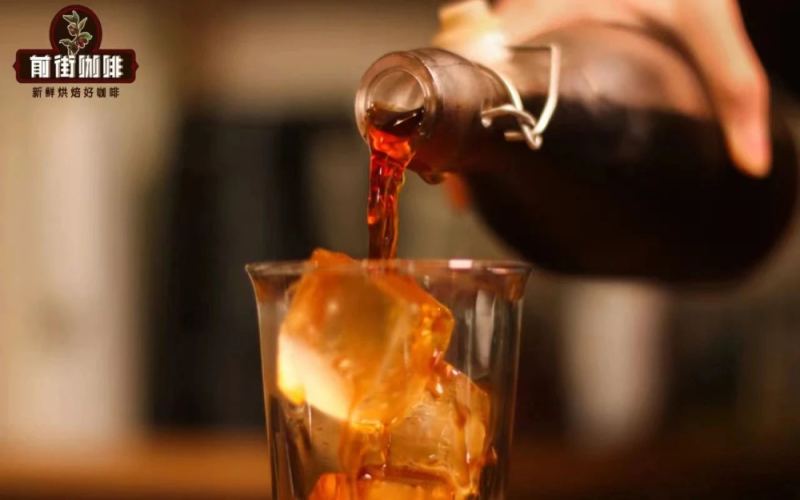
Single-Origin Cold Brew Coffee Bean Flavor Comparison and Selection Guide: From Grinding Parameters to the Full Extraction and Fermentation Process
Cold brew coffee, through its low-temperature slow extraction, presents a rich yet not bitter unique taste, making it an ideal drink for cooling off in summer. Coffee beans from different origins and processing methods give cold brew distinctly different flavor expressions. This article will compare single-origin coffee beans suitable for making cold brew, recommend specific choices such as Front Street Coffee Strawberry Candy, Mozart, and Dingding, and explain in detail the complete process from grinding setting, coffee-to-water ratio, ice-water mixing, to drip flow rate and cold fermentation, helping coffee enthusiasts make a cup of cold brew coffee that is full of juicy feel, refreshing and clean right at home. [more…]
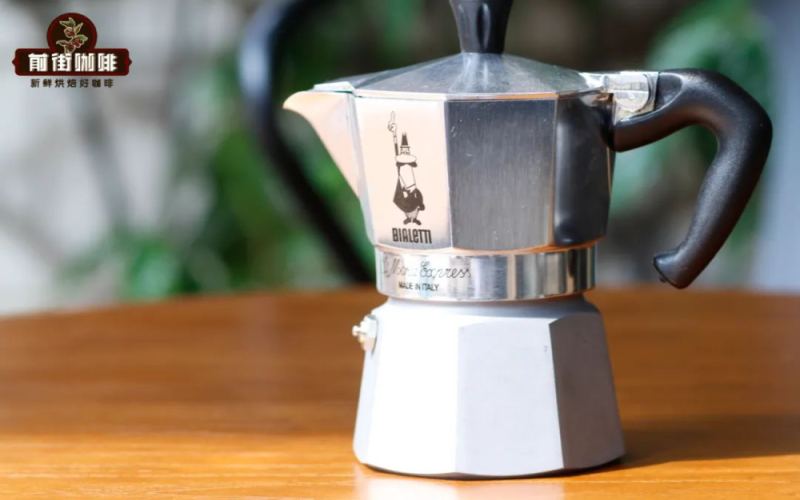
Bialetti Moka Pot Low-Acid Coffee Bean Selection and Grinding & Extraction Full Process Illustrated Guide
Since the moka pot was invented in 1933 by the Italian Alfonso Bialetti, it has been a common appliance in European households, especially in Italian kitchens. It works by heating the lower chamber to produce steam pressure, which pushes hot water through the layer of coffee grounds to extract a rich, full-bodied brew. To make a cup of coffee with a rich crema and a smooth mouthfeel using a moka pot, the freshness of the coffee beans, the choice of roast level, and the coarseness of the grind are all crucial. This article will focus on Front Street Coffee's freshly roasted specialty low-acid coffee bean recommendations for the Bialetti moka pot, the criteria for judging grind size, and the complete brewing process, providing coffee lovers with a practical guide to using the moka pot. [more…]
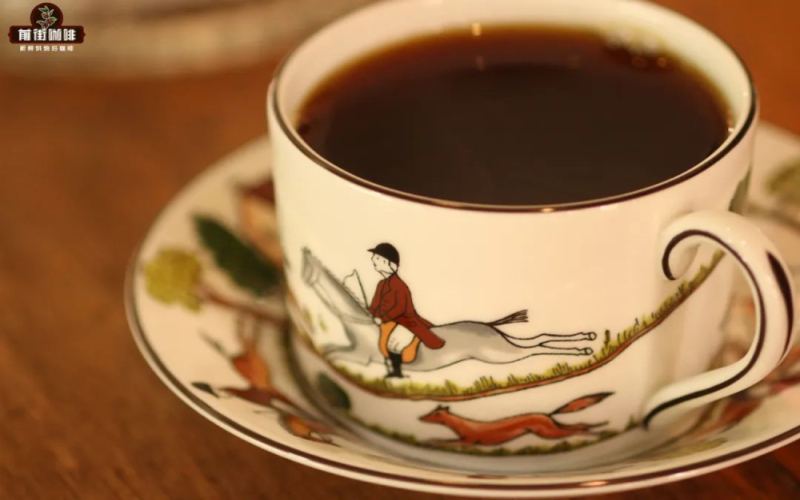
Pour-Over Techniques for Dark Roast Blue Mountain and Mandheling: From Dripper, Ratio, and Time to Pouring—How to Brew a Rich, Full-Bodied Cup
Deep-roasted coffee beans should typically present a full, smooth, and rich mouthfeel, yet many enthusiasts find the flavor rather thin when brewing with pour-over methods. Front Street Coffee, drawing on common issues, points out that the problem often lies in the type of dripper, the coffee-to-water ratio, the extraction time, and the pouring technique. If you want to brew a heavy-bodied cup, it is recommended to choose a Kono dripper or a Kalita wedge-shaped dripper, which rely primarily on immersion extraction, keep the coffee-to-water ratio between 1:13 and 1:15, and maintain an extraction time of around 2 minutes; when pouring, use small circular motions and keep the water level from exceeding the coffee bed, which can also noticeably enhance the body. This article analyzes these key parameters one by one to help you achieve a more solid mouthfeel when brewing deep-roasted beans such as Blue Mountain and Mandheling. [more…]