







How does a semi-automatic coffee machine pull espresso?
A semi-automatic coffee machine heats water in a boiler, then forces it at about 94°C and nine to ten bar of pressure through finely ground coffee, producing a honey-thick liquid. The stream starts reddish-brown and turns golden as extraction proceeds. Dosing, leveling, tamping and timing all shape the result, and beans built for espresso keep the shot consistent.
Blended beans designed for espresso, such as classic, black cocoa and strawberry candy style blends, hold up better at high concentration than many single origins, since blending balances flaws across origins. After the shot, the same coffee machine can make americano by adding hot water, or a latte by steaming milk. Parameters still need fine-tuning for humidity, altitude and grinder drift.
Want to make a rich, full-bodied espresso at home with a semi-automatic coffee machine? From the machine's extraction principles to coffee bean selection and every operational detail, this article lays it all out for you. We'll explain the extraction process at 94°C and 9-10 bar pressure, recommend home-friendly beans such as Front Street Classic Blend, Black Cocoa Blend, and Strawberry Candy Espresso Blend, and walk through dosing, tamping, extraction, and how to make Americano and Latte step by step, with a final reminder that parameters need fine-tuning based on the environment.
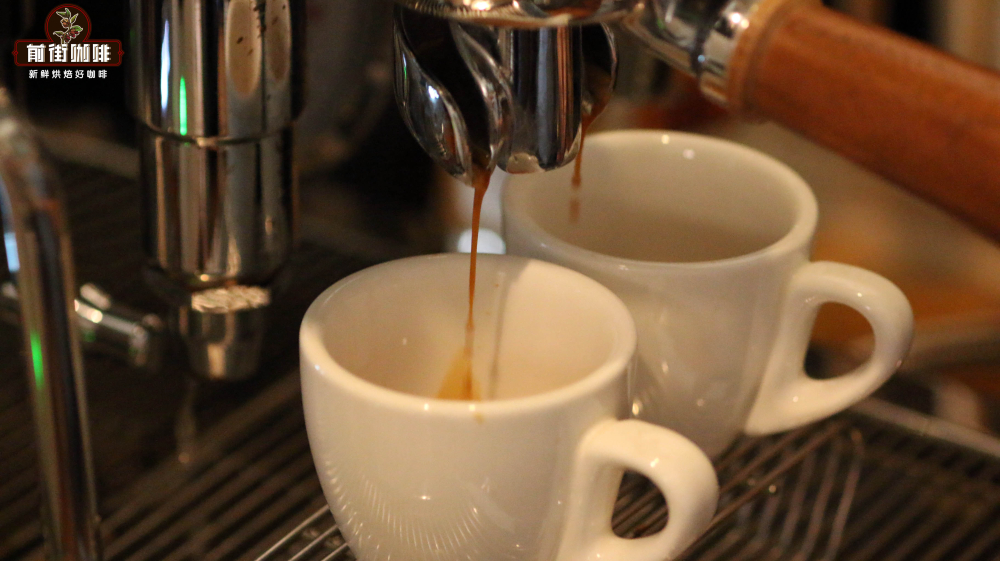
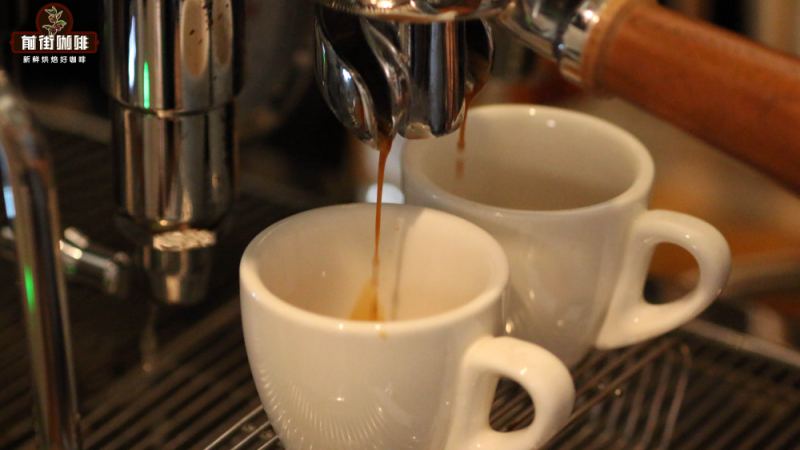
Making espresso requires a dedicated semi-automatic coffee machine—the kind of Italian-style machine you see in cafés that can shoot out steam. Its extraction principle is: the boiler heats water to produce steam, and using steam pressure, 94°C hot water is forced at 9 to 10 bar through very finely ground coffee, extracting a honey-thick coffee liquid.
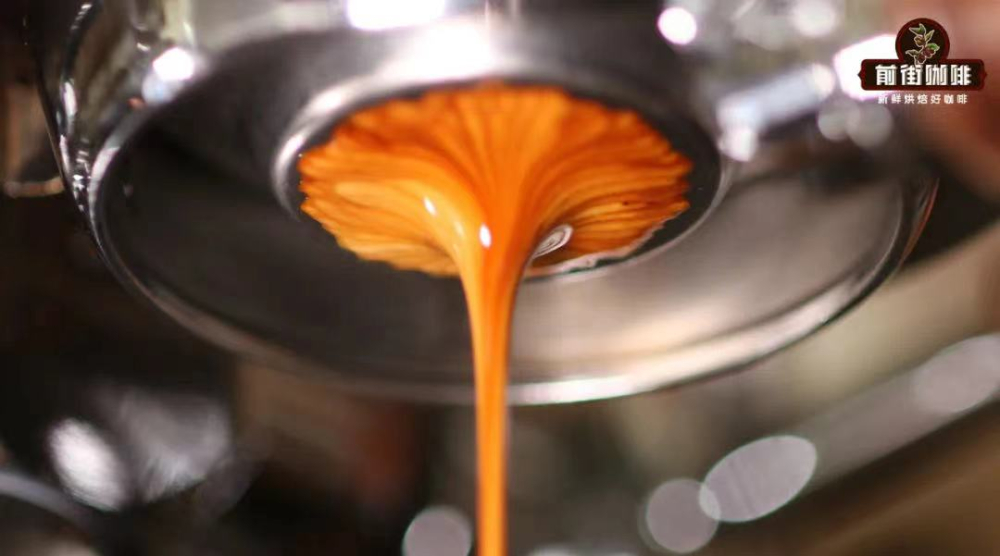
At the start of extraction, the liquid flowing out is reddish-brown, rich and smooth in texture. As time passes, the liquid gradually turns golden yellow, then light golden yellow.
What coffee beans should be used for espresso?
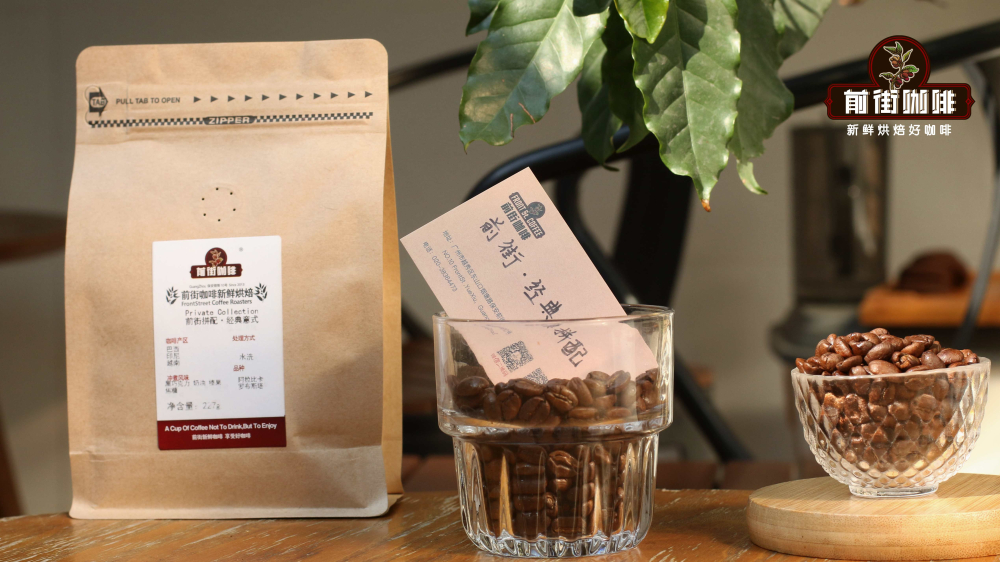
If you're trying espresso for the first time, Front Street Coffee recommends the Front Street Blend series designed specifically for espresso: if you prefer rich crema and a full-bodied taste, choose Front Street. Front Street Classic Blend; if you seek consistent output and a mellow flavor, try the espresso moka pot coffee beans recommended by many baristas—Front Street Black Cocoa Blend; if you want to experience a unique floral and fruity aroma, order Front Street. Strawberry Candy Espresso Blend.
The core advantage of blended coffee beans lies in consistency and excellent value for money. Mixing beans from different origins in different proportions prevents single-origin coffee beans from exposing their flaws at high concentration and intensified extraction.
Espresso Extraction Steps
First turn on the coffee machine's power and wait for the machine to heat up automatically. When the display temperature reaches 94°C, you can start preparing for extraction.
Before extraction, wipe the portafilter basket clean, start the grinder, and grind a double shot's worth of coffee grounds. Place on an electronic scale and adjust until you reach 20 grams.
Then use a distribution tool to level the coffee grounds, and use a tamper to apply force straight down, pressing the coffee puck firmly so extraction will be more consistent.
Next, turn on the extraction switch and let water run for 1 to 2 seconds to wet the group head and rinse off any coffee residue stuck to it. Then place an electronic scale under the cup for the espresso and tare it to zero; place it under the group head together during extraction.
Gently lock the portafilter onto the group head and flip down the extraction switch. Watch the extraction liquid; when the electronic scale shows 40 grams of coffee liquid at about 30 seconds, flip the switch down to stop extraction.
To make an Americano, prepare a 200 to 250 ml cup, pour in 160 to 200 grams of warm hot water, then pour in the espresso—a hot Americano is done.
If you want to make a hot latte, you'll need a 300 ml cup. First pour in the espresso, then add 220 ml of fresh milk to a milk pitcher, steam it to 55 to 60°C, making sure there's a layer of smooth milk foam. Blend the two evenly, and you can even pour a beautiful pattern along the way.
Keep in mind that brewing parameters will vary slightly with daily air humidity and the condition of the coffee beans, so you should adjust the coffee dose, grind setting, and extraction yield accordingly.
The above content is compiled by CoffeeHunters, a coffee news website.


