







People always like to describe the beauty of a cup of coffee as rich and sweet, but what exactly is "rich"? What is "mellow"? Where does the difference lie?
The coffee bean roast levels we commonly see on the market can be roughly divided into three categories: light roast, medium roast, and dark roast.To highlight a rich and full-bodied coffee taste, roasters generally use medium-dark roasts. The deepening of the roast level promotes more caramelization of substances, so the flavor generally presents notes of chocolate, toasted bread, cocoa, roasted nuts, butter, maple syrup, and so on. If you like full-bodied coffee beans, you can choose the following:

1. Front Street Coffee PWN Golden Mandheling: blackchocolate bitterness, lower acidity, strong caramel aroma, with spice and woody notes, full-bodied;
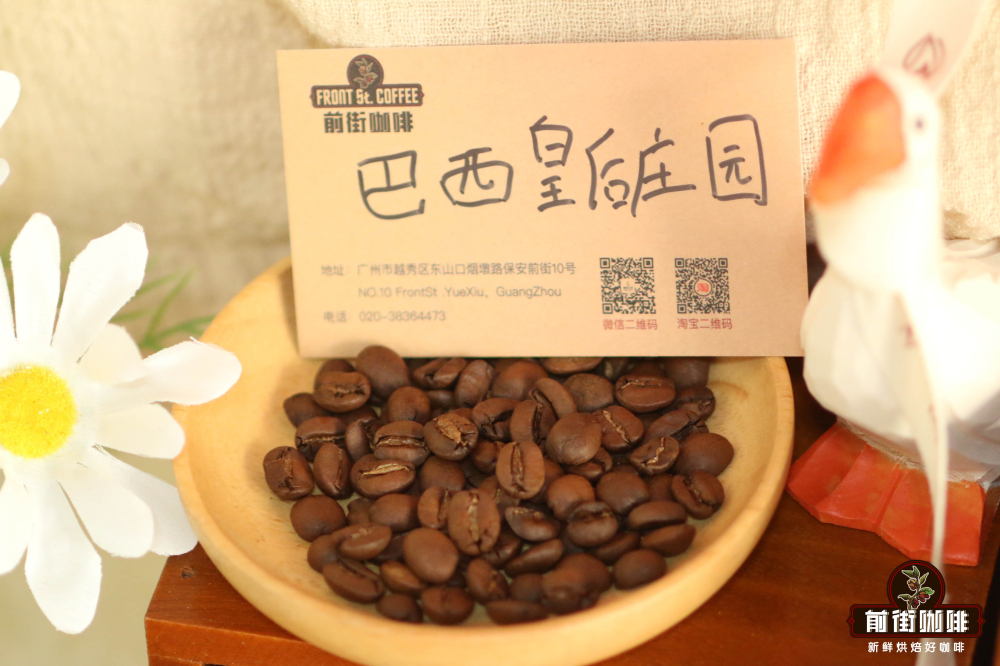
2. Front Street Coffee Queen's Estate:nutty notes, mainly roasted peanut, cocoa, and malt aromas;

3. Front Street Coffee Colombia Huila: dark chocolate, creamy nuts, caramel, balanced taste;

4. Front Street Coffee 2013 Yunnan Typica: chocolate, black tea sensation, brown sugar, clean finish, round body;
5. Front Street Coffee Honduras Catuai: buttered toast, chocolate cookies, cocoa.

Body refers to whether the coffee liquid feels light or thick in the mouth. This has a certain relationship with the concentration of the coffee liquid. The lower the concentration, the thinner it is; the higher, the thicker. Dark-roasted coffee beans, due to their relatively loose texture, are more likely to produce a full-bodied taste when brewed.So, if the dark-roasted coffee you usually brew tastes thin, you can observe your brewing parameters and find where the problem lies in order to make adjustments.
I. Coffee-to-water ratio
When brewing dark-roasted coffee, Front Street adjusts the ratio to the 1:14-1:15 range. Once the water amount exceeds a 1:15 ratio, it will dilute the concentration, and the brewed taste will easily become thin. So controlling the final ratio at 1:15 is the most suitable.

Because everyone's perception of taste, flavor, and concentration is different, if you still feel this ratio is too light or the taste is thin, you can reduce the water ratio to 1:13-1:14, which is also fine. Or alternatively, the problem may lie in the timing.
II. Brewing time
Even if you change the ratio several times and the dark-roasted coffee still comes out thin, then it is most likely under-extracted. At this point, you can observe the brewing time. If you used more than 15g of beans and the brewing time is around 1 minute 30 seconds, then it is very likely that the grind is too coarse, causing the water to flow through too quickly.
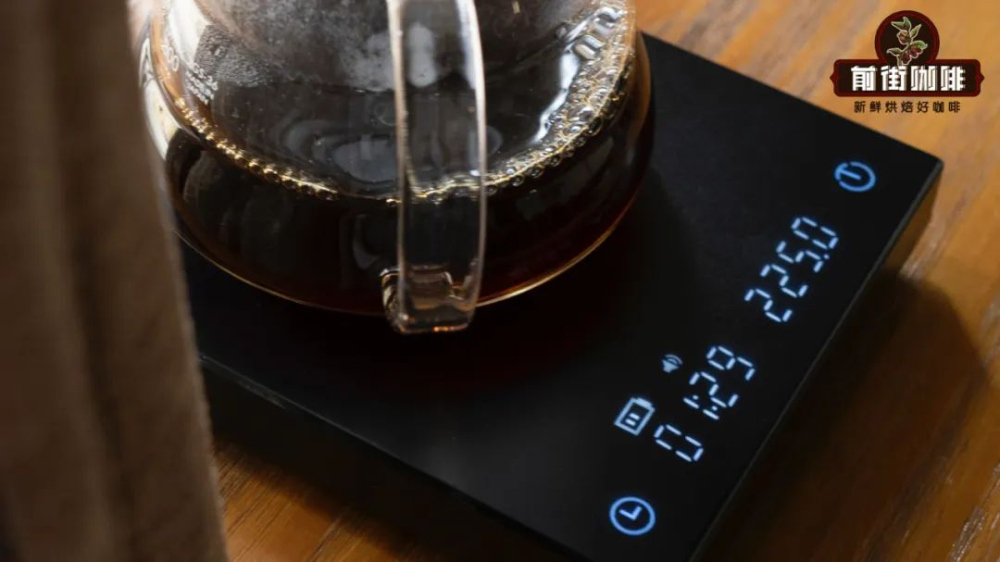
In that case! We can grind a bit finer and control the brewing time to the 2:00-2:30 range, allowing the coffee to be extracted more fully, and the taste will naturally become fuller~
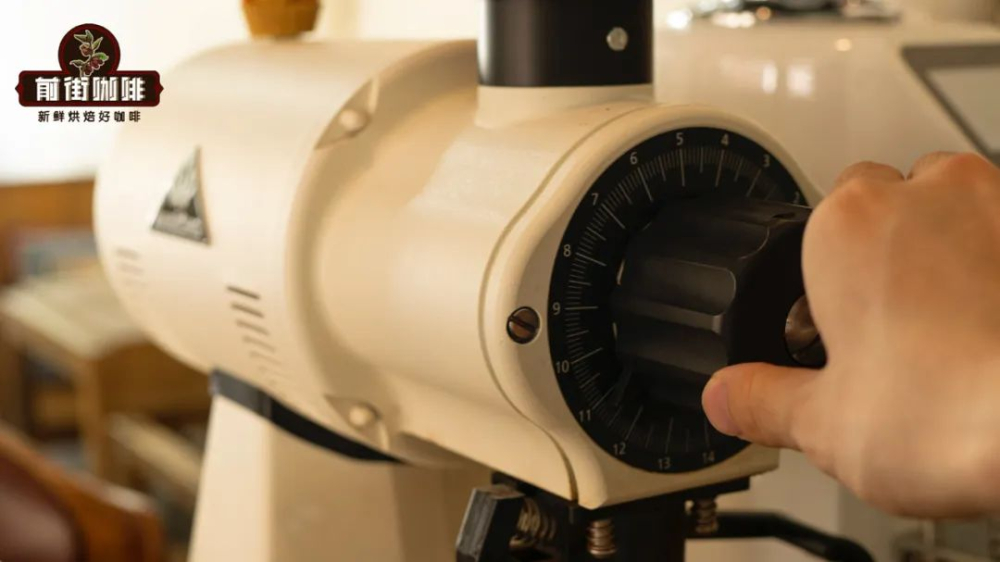
III. Dripper choice
When brewing dark-roasted beans, Front Street does not use the common V60 dripper, but the Kono dripper. This is because the V60 dripper's rib design makes the water flow faster, making it more suitable for medium-light roasted coffee. They need a finer grind to reveal more layers in the extracted flavor. If the dripper's extraction speed is slower, over-extraction can very easily occur, which is why the fast-flowing V60 dripper is said to be more suitable for brewing medium-light roasted coffee beans.
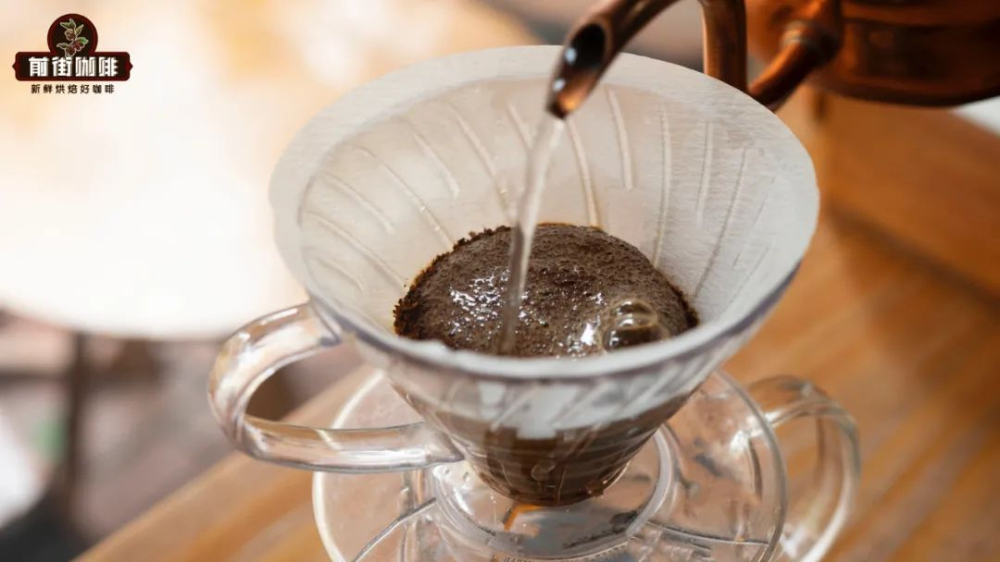
Dark-roasted coffee beans have a looser texture and higher extraction efficiency (it is very easy to extract the aromatic substances), so a coarser grind than for medium-light roasts should be used to reduce its extraction efficiency (to prevent over-extraction). At this point, if you use a V60 dripper with a relatively fast flow rate, it is very easy to cause under-extraction.
The Kono dripper's ribs are distributed only in the lower half. The effect of this design is to slow the water flow and effectively extend the time the coffee grounds are immersed and extracted. That is why Front Street uses the Kono dripper as the extraction tool for brewing dark-roasted coffee beans, so that the extraction is more complete and the taste can be fuller.

IV. Pouring technique
The pouring technique here does not refer to whether you use a three-pour or one-pour brewing method, but rather to paying attention during pouring to avoid rinsing water against the wall of the dripper as much as possible. What problem arises if the water stream hits the wall of the dripper during brewing?
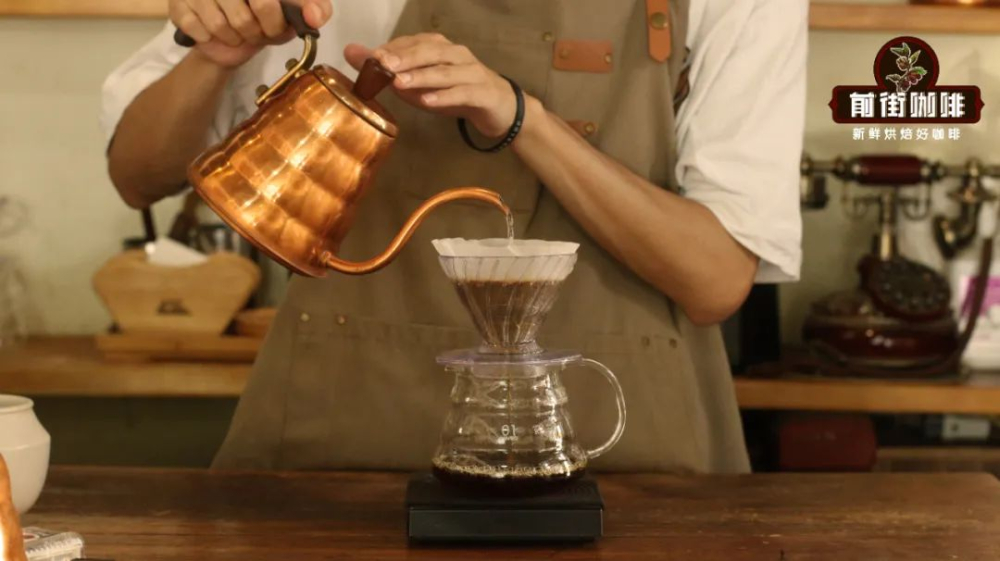
Exactly! The water will flow directly down along the wall of the dripper, and what lands in the server is not extracted coffee liquid but plain hot water, which reduces extraction while diluting the rest of the coffee liquid in the server, making the taste thin. So when pouring in circles, try to avoid rinsing the wall of the dripper multiple times, to ensure you ultimately get a satisfying taste~
The above content is compiled by CoffeeHunters, a coffee news website.


