








How Do You Keep Americano Coffee From Tasting Bitter?
An Americano tastes bitter for two reasons: the espresso underneath it was poorly extracted, or too much water was added. Fix the shot first. Grind size, dose, and brew time control extraction, and a shot pulled too fine or run too long draws out harsh compounds that extra water cannot fix. Only then should the espresso-to-water ratio be tuned, kept moderate so the cup stays smooth.
Bean choice shapes the flavor before brewing ever starts. Medium and medium-light roasts from Africa or Central and South America give an Americano coffee bright acidity, mild bitterness, and floral and fruity notes, while medium-dark and dark espresso blends produce a richer, lower-acid cup. For an iced version, keep the same espresso-to-water ratio and simply add ice; the result will taste slightly brighter.
To brew a delicious Americano, the key lies in two things: the extraction quality of the espresso, and the blending ratio of espresso to water. The flavor of the espresso in turn depends on the choice of coffee beans and the extraction parameters. This article will unfold around three dimensions: bean selection, extraction scheme, and the ratio of espresso to water, while providing practical application references for several Front Street Coffee beans. Whether you prefer floral and fruity acidity or a rich, low-acid profile, you can find a suitable approach, and to make an iced Americano, you simply add an appropriate amount of ice to the original ratio.

When it comes to Americano, put simply, it is espresso combined with an appropriate amount of water. Precisely because of this, to make it well, there are only two core levers: first, how well the espresso is extracted, and second, whether the ratio of espresso to water is appropriate.
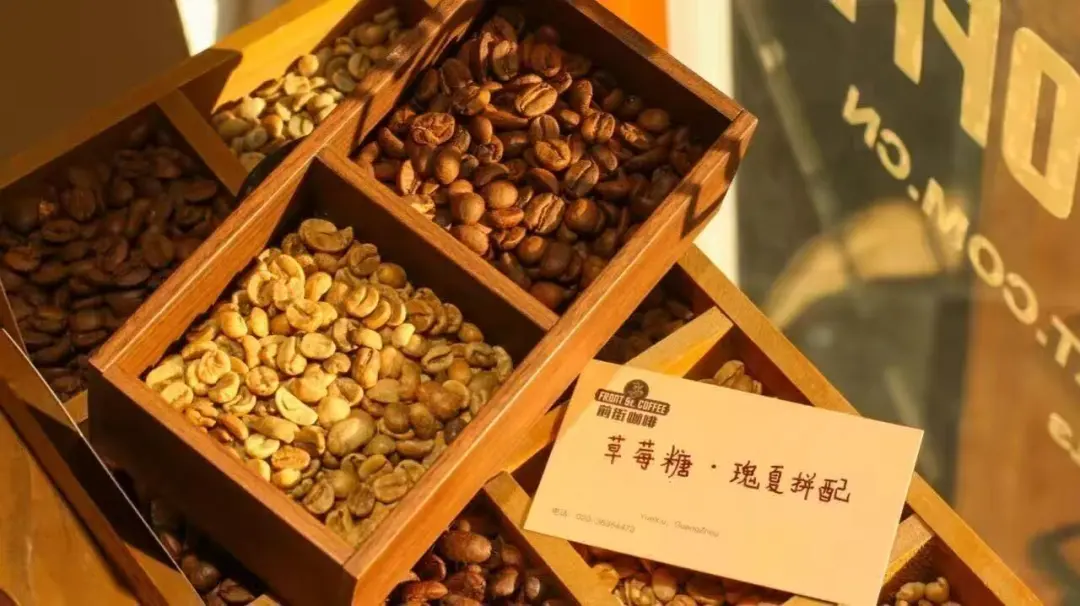
The quality of the espresso directly determines the flavor direction of the entire Americano, and the espresso's performance is jointly determined by the characteristics of the coffee beans themselves and the parameters used during extraction. First, let's look at how to choose coffee beans: If you want the final cup to have bright acidity, mild bitterness, and floral and fruity notes, then you should look to producing regions in Africa or Central and South America, and choose medium or medium-light roasted beans. Coffee from these places is already known for its full floral and fruity acidity, and a lighter roast level can better lock in the substances within the beans, allowing the extracted coffee to show richer flavor layers. If you really can't decide which one to choose, you can refer to several options on the Front Street Coffee bean list: for example, Front Street Grana Geisha, which when used to extract an Americano presents notes of apricot, berry, and citrus; or Front Street Strawberry Candy Geisha Blend, which produces an Americano with strawberry, white floral, and berry flavors.
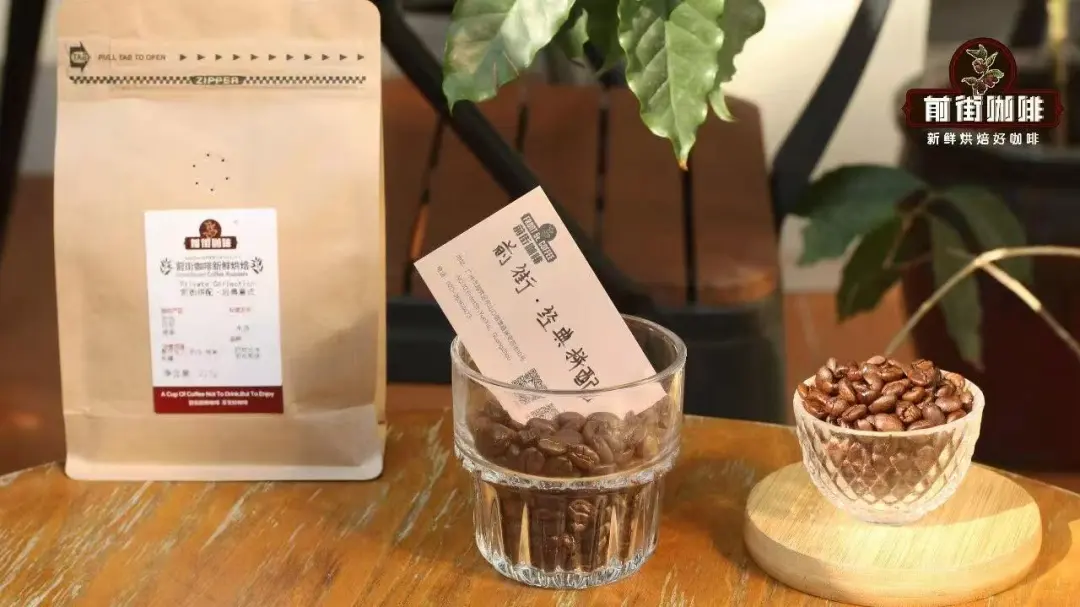
Conversely, if you want an Americano that is almost not sour and has a heavy, rich mouthfeel, then you should prioritize medium-dark roasted or dark roasted espresso blend beans. The reason is that a darker roast can weaken the acidic components in the beans while enhancing caramel, chocolate, and other roasting aromas as well as body, and blend beans often have more advantages in overall performance and value for money. There are quite a few blends to choose from on the Front Street Coffee bean list. For example, Front Street Black Cocoa Basic Blend, made from a combination of coffee beans from Brazil and Yunnan, produces an Americano with prominent aroma, a smooth mouthfeel, richness, and no noticeable acidity; another example is Front Street Classic Espresso Blend, whose finished Americano not only has rich chocolate, nut, and cream flavors, but also a quite full body and abundant crema.
In terms of extraction parameters: In practice, there are two approaches to choose from. One is to give the coffee a relatively complete extraction, and the other is to deliberately extract a little less. The difference between the two is that the former, because the extraction is fuller, will have a more prominent mouthfeel and finish; the latter, although slightly inferior in mouthfeel and finish, will have noticeably lower bitterness, making it suitable for people who prefer a weakly bitter flavor. Taking Front Street as an example, the beans used are the aforementioned Front Street Black Cocoa Basic Blend. When Front Street chooses the direction of pursuing better mouthfeel and finish, the extraction parameters will adopt the commonly shared 1:2 coffee-to-liquid ratio and 30-second extraction time;
And if the latter approach is adopted, the espresso extraction parameters will be adjusted to a 1:1.5 to 1:1.8 coffee-to-liquid ratio, with the extraction time also controlled at 30 seconds. The ratio between espresso and water: After the espresso is extracted, the next thing to handle is the ratio of coffee to water. But to be honest, there isn't much room for adjustment here...
The reason is that the water added afterward does not participate in the extraction process; its only effect is on the concentration of the coffee. The more water added, the lower the concentration naturally; the less water added, the higher the concentration. Therefore, you can completely increase or decrease the amount of water according to your personal preference for concentration. But if you can't decide how much water to add initially, you might as well refer to Front Street's ratio. Taking the Americano made after extracting espresso from Front Street Black Cocoa Basic Blend as an example, the ratio Front Street uses is 1:4. Assuming the espresso liquid weighs 40 milliliters, then the corresponding amount of hot water added is 160 milliliters.
An Americano made according to this ratio has just the right concentration—neither so strong that it's hard to drink, nor so weak that it tastes like plain water. Moreover, this concentration happens to fully release the flavors, allowing you to clearly perceive the taste of nuts, caramel, and chocolate, with overall balance, a full mouthfeel, and a quite excellent performance. If you want to make it into an iced Americano, you only need to add an extra 100 grams of ice on top of the original ratio. The above are the key points for making a delicious Americano. Of course, if you still have the energy to tinker, you can also place two filter papers at the bottom of the portafilter basket, which can separate out the coffee fines, making the mouthfeel cleaner while reducing bitterness.
But there is one thing to keep in mind: placing in filter paper will change the extraction state, causing the extraction time to be prolonged. So if you plan to add filter paper, it is best to add it from the grinding adjustment stage as well, to avoid having to readjust the grind size midway.
- END -
The above content is compiled by CoffeeHunters, a coffee news website.


