







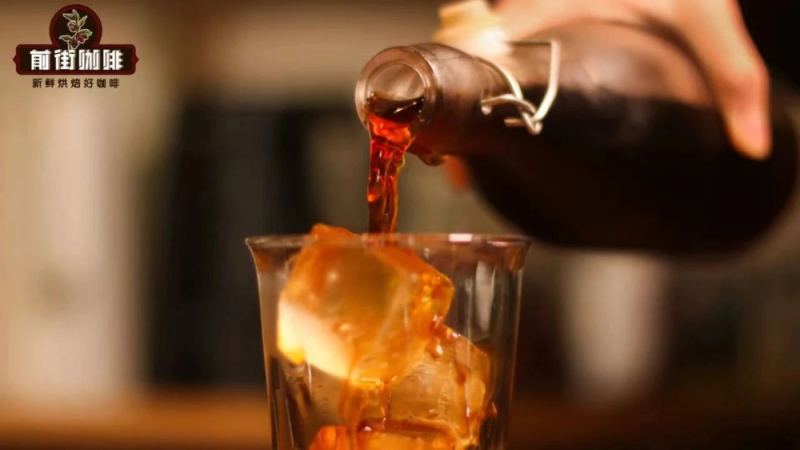
How does the coffee grinding process shape cold brew flavor?
Cold brew relies on low-temperature, slow extraction, so the coffee grinding process matters more than it does for hot water brewing. A grind slightly finer than ice hand brew compensates for the weaker extraction, with Front Street setting its ek-43s grinder to 9 and an 85 percent passing rate on a No. 20 sieve.
Bean choice shapes the cup just as much. Washed single origins such as Front Street Fruit Ding Ding, a high-grade Yirgacheffe, bring clean acidity and cherry tomato and grapefruit notes, while Strawberry Candy and Mozart suit riper fruit flavors. The standard ratio is 1:10, or 60 grams of grounds extracting 600 grams of liquid, chilled and fermented before serving.
Cold brew coffee, through its low-temperature slow extraction method, presents a unique rich yet not bitter taste, making it an ideal refreshing drink for summer. Coffee beans from different origins and processing methods will give cold brew distinctly different flavor expressions. This article will compare single-origin coffee beans suitable for making cold brew, recommend specific choices such as Front Street Coffee Strawberry Candy, Mozart, and Fruit Ding Ding, and explain in detail the complete operation process from grinding setting, coffee-to-water ratio, ice-water mixture to drip flow rate and refrigerated fermentation, helping coffee lovers make a cup of cold brew coffee full of fruity sensation, refreshing and clean at home.
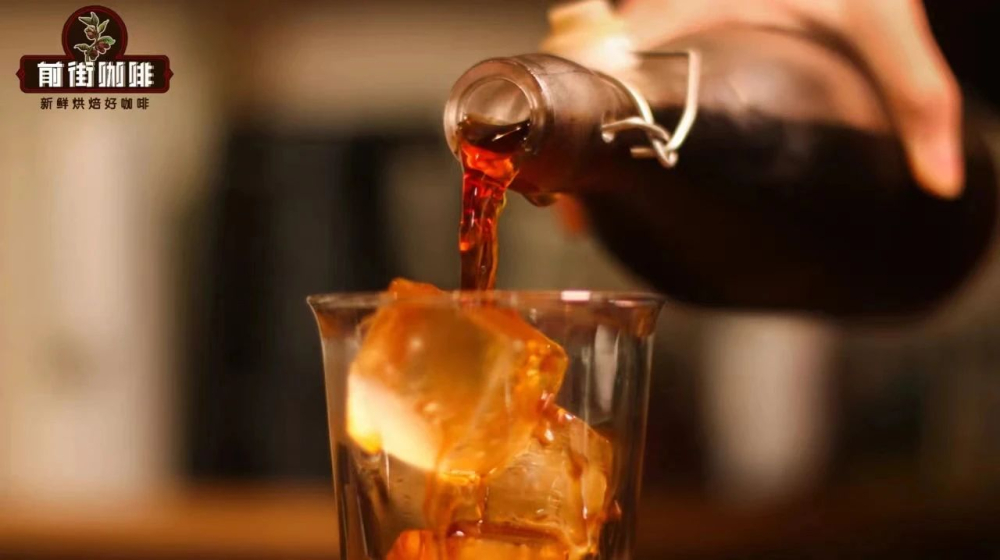
Cold brew coffee refers to a method in which ice water is dripped onto coffee grounds at a constant speed, slowly extracting the aromatic components of coffee under normal pressure. Because low-temperature ice water makes it difficult to bring out bitter substances, and because the slow flow rate greatly improves extraction efficiency, cold brew tastes mellow without becoming bitter. If beans with strong flavor expression are chosen for production, the fermented aroma and fruit-like sweet-and-sour taste, combined with the coolness of ice, can dispel the stuffiness of summer in one sip.
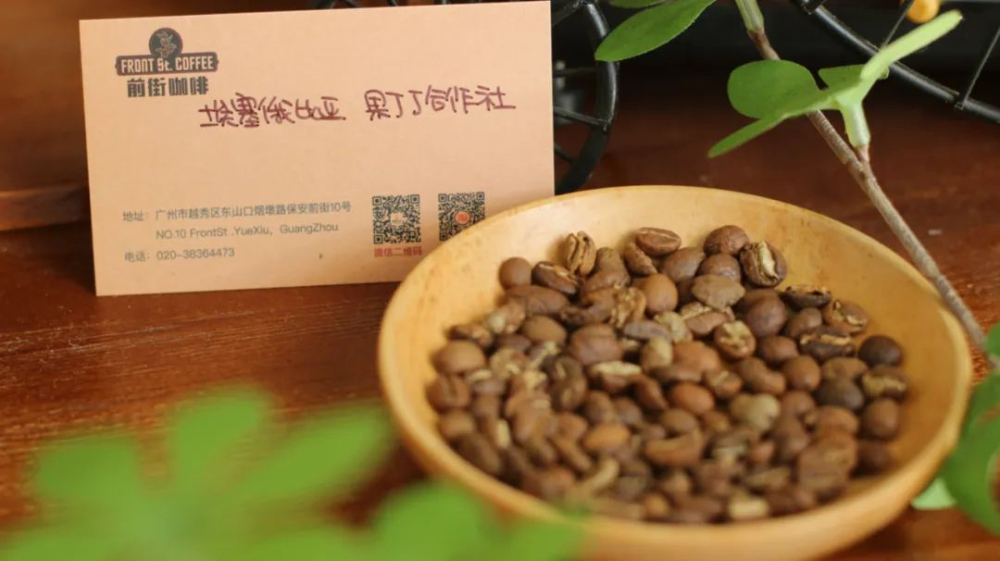
The flavor of cold brew changes with different coffee beans. Those who prefer ripe fruity notes can purchase Front Street Coffee Strawberry Candy or Front Street Coffee Mozart; if seeking a refreshing and delicate taste, washed beans are the first choice. This type of bean has clean and full acidity, such as Front Street Coffee Fruit Ding Ding. It belongs to high-grade Yirgacheffe, and after being made into cold brew, its acidity is like freshly squeezed juice, also carrying the clear aroma of cherry tomatoes and grapefruit, very suitable for drinking in summer.
In terms of grinding, Front Street usually adopts the same coarseness as ice hand brew. Because low-temperature water lowers the extraction rate, the coffee is ground slightly finer to compensate. For this bean, based on the Chinese No. 20 standard sieve, an 85% passing rate is required, corresponding to setting 9 on the Front Street store's ek-43s grinder.
Before making it, first determine the extraction parameters: coffee-to-water ratio 1:10, that is, 60 grams of coffee grounds extract 600 grams of coffee liquid, ice-water mixture prepared at 1:1, valve flow rate set to 7 drops every 10 seconds, and the whole process takes about 6 to 8 hours to finish dripping. (Generally, the coffee-to-water ratio for cold brew is between 1:10 and 1:12, and can be adjusted flexibly according to personal taste.)
Place a round filter paper at the bottom of the middle pot, wet it with water so it adheres, then pour in the ground coffee, taking care to spread it evenly so that extraction will be uniform. Cover the surface of the coffee bed with another round filter paper to prevent water droplets from scattering the coffee bed. Before formal dripping, first wet the coffee bed with cold water, which can both shorten the extraction time and avoid uneven extraction at the beginning.
Place the coffee powder cup onto the stand and begin pouring in the ice-water mixture, usually half ice and half water. Adjust the valve flow rate to 7 drops every 10 seconds, and align the dripping water droplets with the position where the coffee liquid flows out. After dripping is finished, pour the coffee liquid from the lower pot into a sealable container. Front Street uses a glass bottle, refrigerate and ferment for more than 12 hours, and it is generally ready to drink the next day.
The above content is compiled by CoffeeHunters, a coffee news website.


