







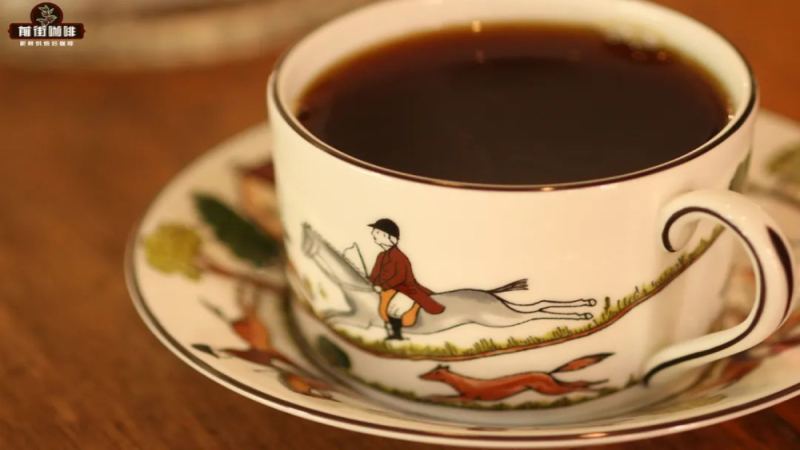
Pour-Over Tips for Dark Roast Blue Mountain and Mandheling
Dark roast beans from Blue Mountain and Mandheling need a gentler hand than lighter lots. A medium-coarse grind and water around 195 degrees Fahrenheit keep the cup from turning ashy. Use a 1:15 ratio if you want a heavier body. A cone dripper with a single large hole gives you more control over how fast the water passes through the bed.
Blue Mountain coffee taste leans mild and balanced even at a dark roast, while Mandheling brings earthy, herbal notes and low acidity. Pour in slow circles, starting at the center and working outward, and let the bed drain between pours. Total brew time should land near three minutes. If the cup tastes flat, grind finer; if it turns bitter, back off the water temperature.
Deep-roasted coffee beans should typically present a full, smooth, and rich mouthfeel, yet many enthusiasts find the flavor rather thin when brewing with pour-over. Front Street Coffee, drawing on common issues, points out that the problem often lies in the dripper type, coffee-to-water ratio, extraction time, and pouring technique. If you want to brew a heavy-bodied cup, it's recommended to choose a Kono dripper or Kalita wedge-shaped dripper, which rely primarily on immersion extraction, keep the coffee-to-water ratio between 1:13 and 1:15, and maintain an extraction time of around 2 minutes; when pouring, use small circular motions and keep the water level from exceeding the coffee bed, which can also noticeably enhance body. This article analyzes these key parameters one by one to help you achieve a more substantial mouthfeel when brewing deep-roasted beans such as Blue Mountain and Mandheling.
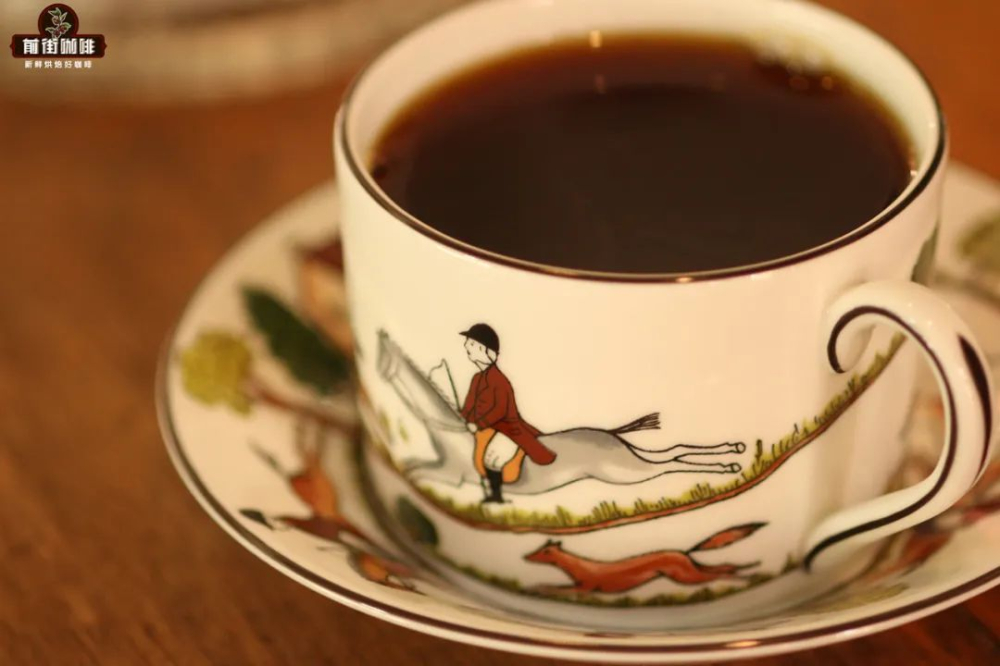
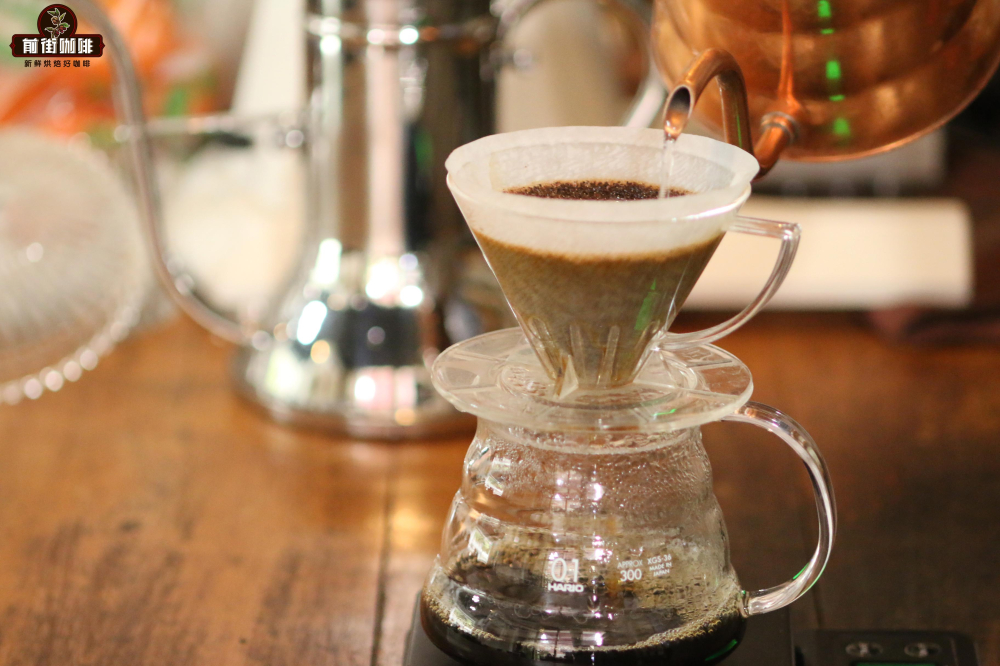
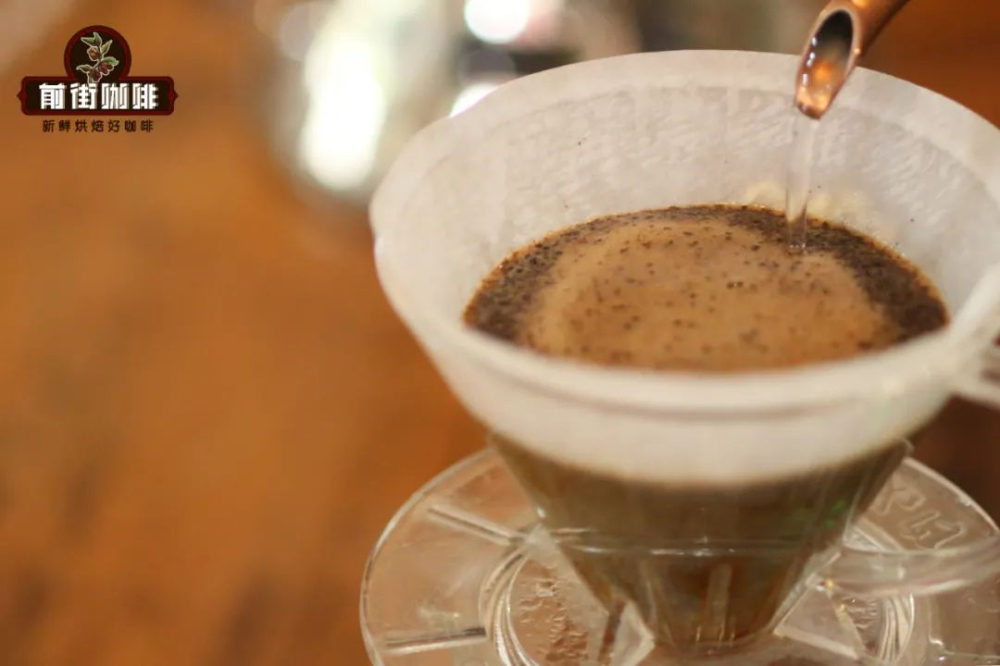
Friends often ask Front Street: "Why does my pour-over with deep-roasted beans still taste rather thin?" Generally speaking, coffee extracted from deep-roasted beans should lean toward being full, smooth, and rich. When tasting deep-roasted coffee, the mouthfeel is an extremely critical element.
If deep-roasted coffee feels thin on the palate, it's most likely that the pour-over parameters or technique have gone wrong. Front Street has compiled some pitfalls that enthusiasts commonly fall into and explains them one by one.
- Choosing the dripper
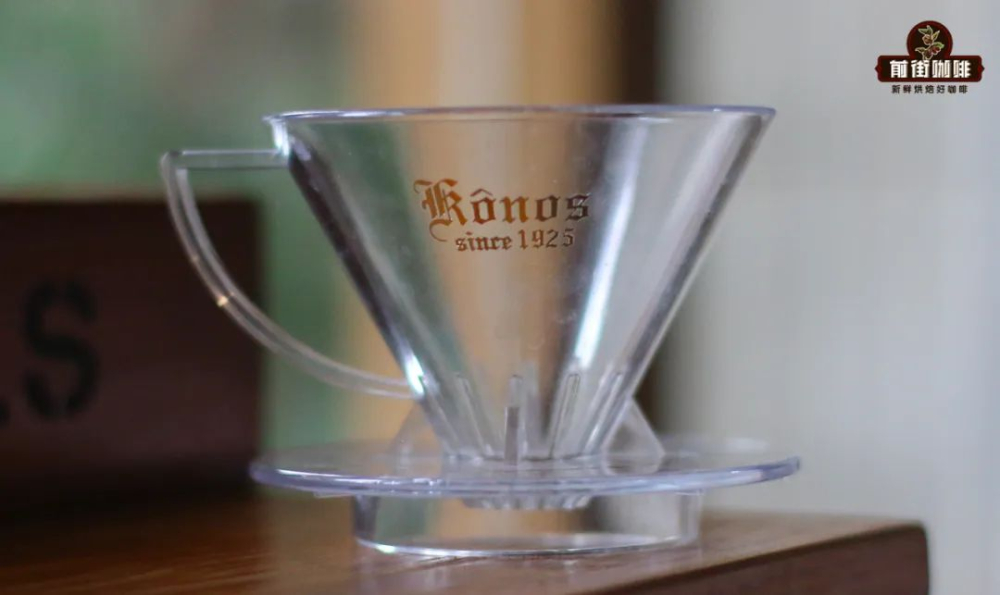
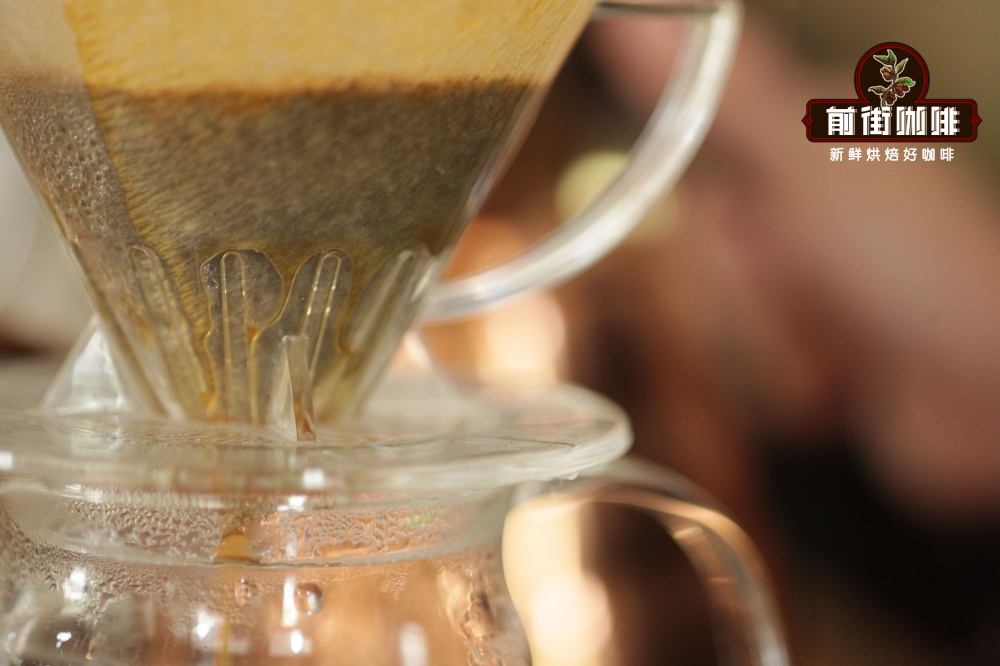
Front Street generally recommends prioritizing the Kono dripper when brewing medium-to-deep roasted beans. This dripper's guiding ribs are only located in the lower half; this structure effectively prolongs the immersion extraction time, making it easier to achieve a rich texture.
In contrast, flushing-type drippers like the V60 are better at showcasing layered flavors, but fall short in terms of mouthfeel.
Front Street summarizes the relationship between the two as follows: drippers with faster flow rates, like the V60, tend to produce relatively mediocre mouthfeel. If you're currently using this type of dripper for deep-roasted beans and the mouthfeel is unsatisfactory, consider switching to immersion-focused equipment such as the Kono Meimon dripper or Kalita wedge-shaped dripper—it will be much easier to brew a heavy, full-bodied cup.
- Coffee-to-water ratio
Coffee concentration also affects mouthfeel. When concentration is on the low side, it tends to taste watery; when slightly higher, it tastes fuller.
The coffee-to-water ratio for deep-roasted coffee is generally kept between 1:13 and 1:15. If it's thinner than 1:15, the mouthfeel will most likely be on the light side. Front Street's standard ratio is 1:15, which produces a full, smooth deep-roasted coffee.
Of course, everyone's perception of mouthfeel isn't entirely the same. If you still find it thin when brewing at 1:15, try adjusting to 1:13 or 1:14.
- Sufficient time
Many friends end up with thin-tasting coffee because the extraction time is insufficient—put simply, the grind is too coarse, causing the water to flow through too quickly. Typically, an extraction time of around 2 minutes is more reasonable; if shorter than 1 minute 30 seconds, the mouthfeel tends to be thin; if longer than 2 minutes 30 seconds, the mouthfeel will be fuller, but it may also bring out over-extracted bitter, burnt notes.
- Pouring issues
Regarding pouring, if you want to brew a richer mouthfeel, try these two suggestions: First, try to pour in circular motions—small circles produce a fuller mouthfeel than large circles, because small circles largely prevent water from reaching the edge of the dripper.
Second, keep the water level from exceeding the coffee bed. If subsequent pouring has reached the top of the coffee bed but the target water amount hasn't been fully poured yet, there's no need to force yourself to keep pouring—you can pause briefly, wait for the water level to drop slightly, and then finish pouring the remaining water.
The above content is compiled by CoffeeHunters, a coffee news website.


