







Why Does Front Street Coffee Put Fresh Beans First?
Pour-over aroma improves when two things line up: coffee beans still inside their peak flavor window after roasting, and brewing parameters that achieve full extraction. Most aromatic compounds in coffee are volatile and keep escaping from the moment roasting ends, so stale beans cannot produce a fragrant cup no matter how the technique is adjusted. This is why Front Street Coffee ships beans within five days of roasting, when the aroma inside them is at its fullest.
Freshness is not limited to beans a few days off the roaster; with proper storage, beans can stay within their peak flavor window for longer. Beyond bean choice, the home coffee enthusiast also needs brewing settings matched to the roast level, and the habit of adjusting grind size based on how the flavors actually taste in the cup, which is how full extraction is reached.
Many coffee enthusiasts who brew pour-over at home often find that the coffee they make falls short of café quality in both aroma and flavor expression. In fact, the key to replicating a cup of pour-over coffee with a rich aroma and distinct layers lies in two core aspects: first, using fresh coffee beans within their peak flavor window, and second, achieving full extraction through scientific brewing parameters. Drawing on the practical experience of Front Street Coffee, this article systematically explains the criteria for judging coffee bean freshness, the brewing parameters corresponding to different roast levels, and how to flexibly adjust grind size based on flavor feedback, helping you consistently brew a cup of coffee with intense aroma and vivid flavor.
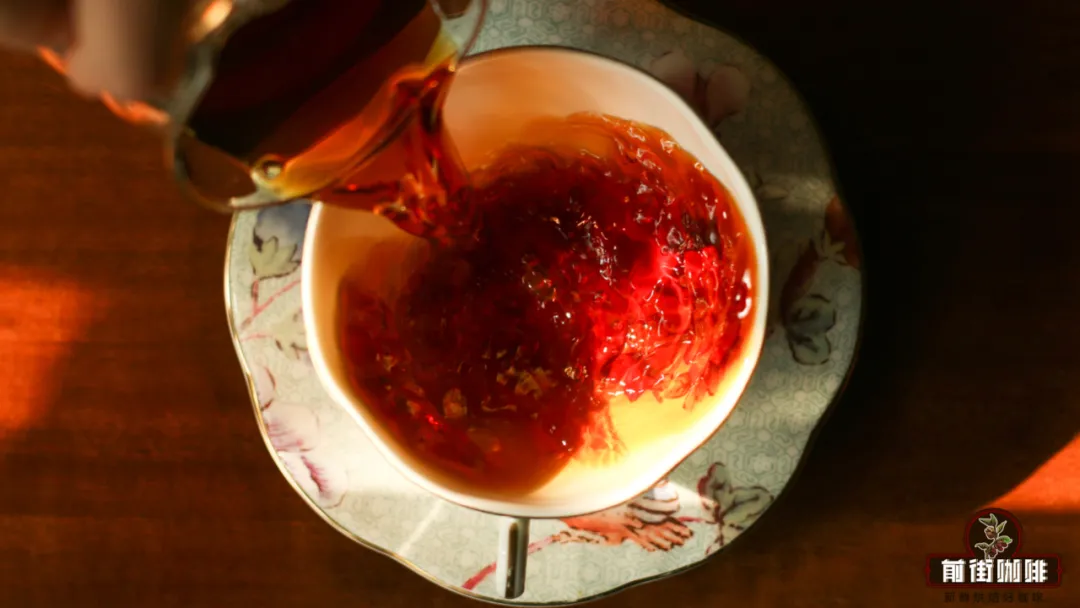
Many friends have encountered this confusion: the coffee they brew at home always seems to have less aroma than what they smell in a café, and the flavors aren't clear or vivid enough. So everyone wants to know if there's a way to enhance the flavor expression of coffee, so that the coffee they brew at home can also have that rich, penetrating aroma found in cafés.
The answer is yes. Front Street Coffee has shared related experience many times before. If you want your brewed coffee to approach café quality, the following two points deserve special attention.
First, prioritize using coffee beans in a fresh state.
To brew a cup of coffee full of aroma, the prerequisite is that the coffee beans themselves must contain abundant aromatic compounds. As the saying goes, one cannot make bricks without straw—if the beans themselves lack aroma, then no matter how we adjust our technique or increase extraction intensity, we cannot conjure a cup of richly aromatic coffee out of thin air. Therefore, when selecting beans, one should try to choose relatively fresh coffee beans.
The freshness mentioned here refers to coffee beans that are still within their peak flavor period after roasting. Most aromatic compounds in coffee are volatile, and from the moment roasting ends, they continuously dissipate into the surrounding environment. In other words, the fresher the coffee beans we use, the more aromatic compounds remain inside the beans, and the easier it is to release a rich aroma during brewing. It is precisely for this reason that Front Street Coffee guarantees all shipped coffee beans are dispatched within 5 days of roasting, because at this point the coffee beans have the fullest aroma.

Of course, it's not only beans just a few days off the roaster that count as fresh. As long as storage conditions are proper, coffee beans within two months of roasting can all be classified as fresh, and brewing with them can likewise produce a rich aroma.
Second, achieve full extraction.
If the coffee beans we use are already fresh enough, the next problem to solve is how to fully dissolve these aromatic compounds into the water—that is, how to achieve full extraction. In fact, the reason many friends' brewed coffee lacks a prominent aroma is precisely insufficient extraction, especially when dealing with very fresh coffee beans.
Although fresher coffee beans retain more aroma, they are also more difficult to brew into an ideal taste. The reason is that fresh beans contain a large amount of carbon dioxide in addition to aromatic compounds. The presence of carbon dioxide, on one hand, slows the rate at which aroma is lost, but on the other hand, it hinders extraction, making it difficult for us to easily dissolve the flavor compounds in the coffee.
Moreover, even when not brewing fresh beans, many friends set their brewing parameters conservatively out of fear of over-extraction—for example, using lower water temperatures or coarser grind sizes—precisely to avoid the risk of over-extraction. However, sometimes this approach instead leads to under-extraction, because with lower extraction efficiency, not enough substances are dissolved, and the aroma naturally isn't strong enough.
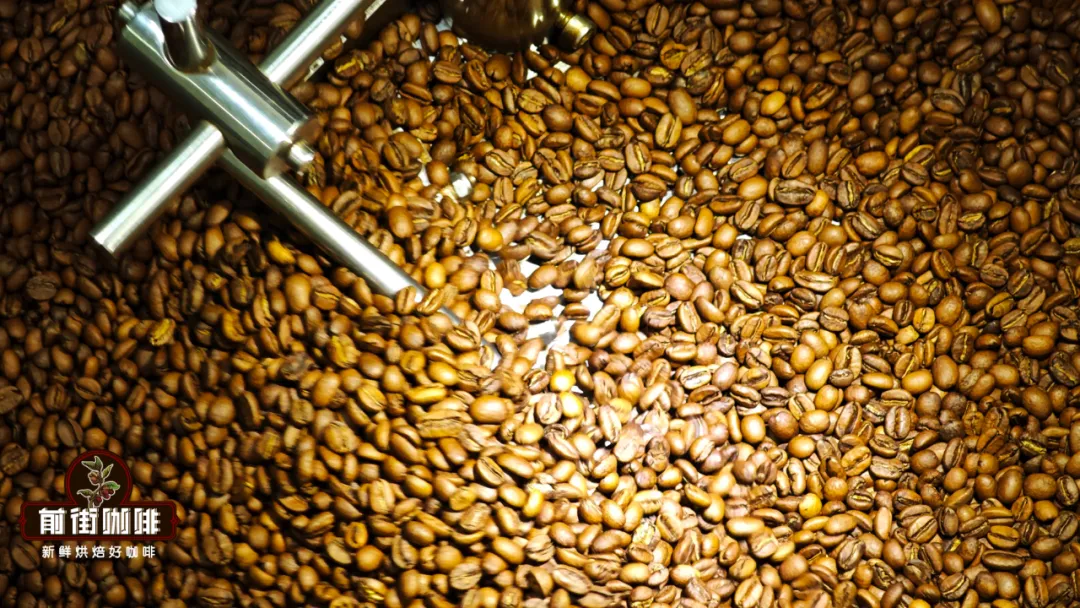
So, if you want your brewed coffee to have a rich aroma and clear flavors, in addition to using fresh coffee beans, you also need to achieve full extraction—that is, dissolving as many of the aromatic compounds in the coffee as possible.
So how can full extraction be achieved? The key is finding the right extraction parameters. If you're unsure what brewing parameters to use for your coffee beans, you may refer to two sets of data commonly used by Front Street Coffee, which apply respectively to medium-light and medium-dark roasted coffee beans. As long as your parameters fall within these ranges, the coffee you brew will most likely achieve full extraction, yielding a cup with a rich aroma.
When brewing medium-light roasted coffee beans with berry, floral, and citrus notes—such as Front Street Ethiopia·Gelana Geisha, Front Street Gesha Village·Red Label Geisha, and Front Street Yirgacheffe·Gutiti—Front Street uses parameters with slightly higher extraction efficiency, because only then can the flavor compounds in the coffee be fully dissolved. Taking 15g of coffee grounds as an example, the parameters are as follows: coffee-to-water ratio 1:15, water temperature 90–93°C, grind size comparable to fine granulated sugar with a 75%–80% passing rate through a No. 20 sieve, and extraction time controlled at around 2 minutes to 2 minutes 30 seconds.
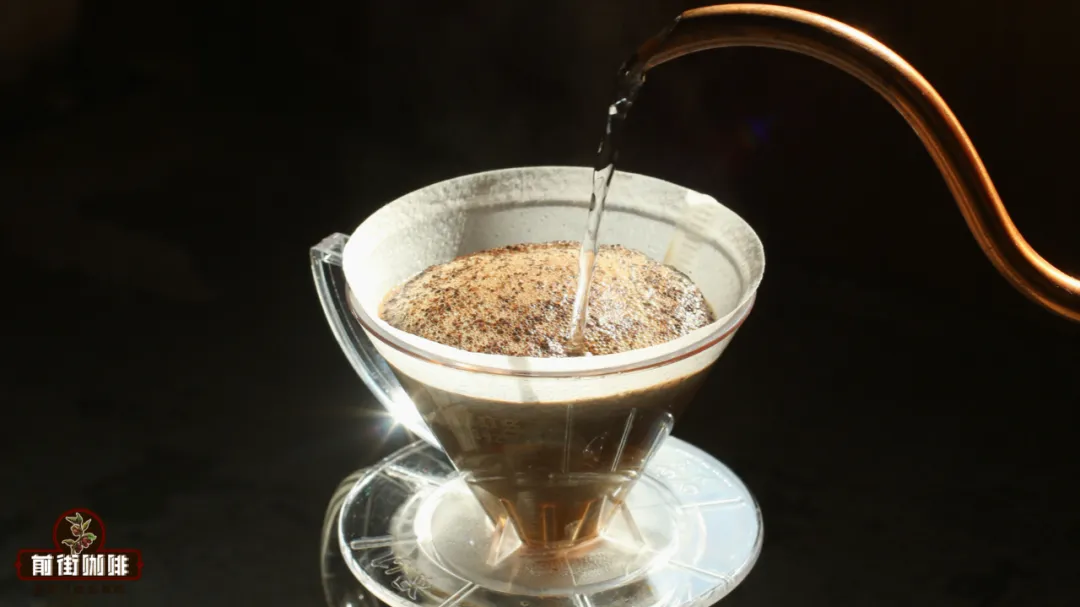
When brewing medium-dark roasted coffee beans with rich nutty, chocolate, and caramel flavors—such as Front Street Sumatra·Front Street PWN Golden Mandheling and Front Street Jamaica·Blue Mountain No. 1—Front Street uses extraction parameters with appropriately lower efficiency. Because these beans are roasted darker, have a higher expansion rate, and lower density, their flavor compounds are easily dissolved. Again taking 15g of grounds as an example, the parameters are as follows: coffee-to-water ratio 1:15, water temperature 86°C–89°C, grind size slightly coarser fine granulated sugar particles with a 70%–75% passing rate through a No. 20 sieve, and extraction time controlled at around 2 minutes.
If you're unsure what degree or passing rate your grind size corresponds to, you can first choose a grind size you think is appropriate, then brew with the other parameters above. If the brewed coffee tastes weak and under-extracted, or shows bitter over-extracted notes, then adjust the grind coarseness based on the taste feedback—this way you'll quickly find the corresponding grind size and brew a good cup of coffee with a rich aroma.
It should be noted that the above parameters only apply to well-rested coffee beans. If you're brewing very fresh beans, the extraction efficiency needs to be increased further, and some additional steps are required, such as pre-grinding the coffee. For details, please refer to previous articles from Front Street; we won't elaborate here.
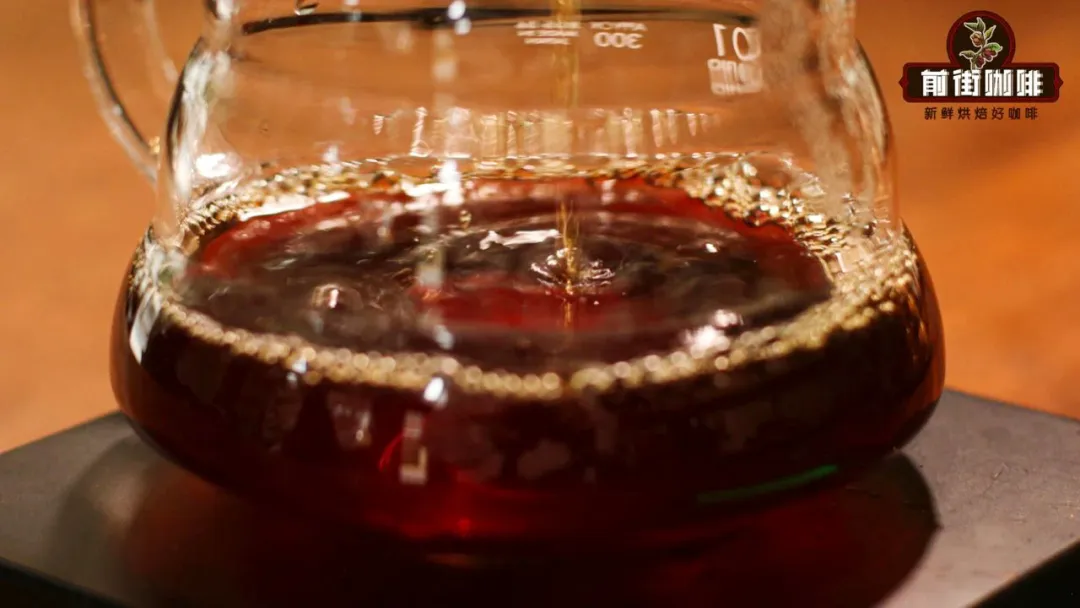
That's all for this sharing from Front Street. In summary, as long as you use fresh coffee beans full of aroma and pair them with full extraction, the coffee you brew will naturally have excellent aroma and flavor.
- END -
The above content is compiled by CoffeeHunters, a coffee news website.


