







How do you brew Golden Mandheling for a full body?
Body is the sense of weight the coffee liquid leaves in the mouth, ranging from thin to thick. It tracks concentration to some extent: a weaker brew reads thinner, a stronger one thicker. Dark-roasted beans are looser in texture and easier to brew into a full-bodied cup than light roasts.
Medium-dark roasting drives caramelization, pushing flavors toward chocolate, toast, cocoa, roasted nuts, and maple syrup. Beans in this style include Golden Mandheling, with dark chocolate, low acidity and spice notes. If a dark roast still tastes thin, check four things: brew ratio, brew time, dripper choice, and pouring technique.
People often describe a cup of coffee as "rich, mellow, and sweet," but what exactly do "rich" and "mellow" mean? This article approaches the topic from the angle of coffee bean roast level, analyzing how a full-bodied mouthfeel manifests in the mouth, and recommends several Front Street Coffee full-bodied flavor beans, including Golden Mandheling, Queen's Estate, and Colombia Huila. It also covers four key dimensions—brew ratio, brew time, dripper choice, and pouring technique—offering practical adjustments to make dark-roasted coffee taste thicker, helping coffee lovers solve the problem of brews that turn out too thin.
People often praise a cup of coffee as rich, mellow, and sweet, but what exactly is "rich," what is "mellow," and what difference exists between the two?
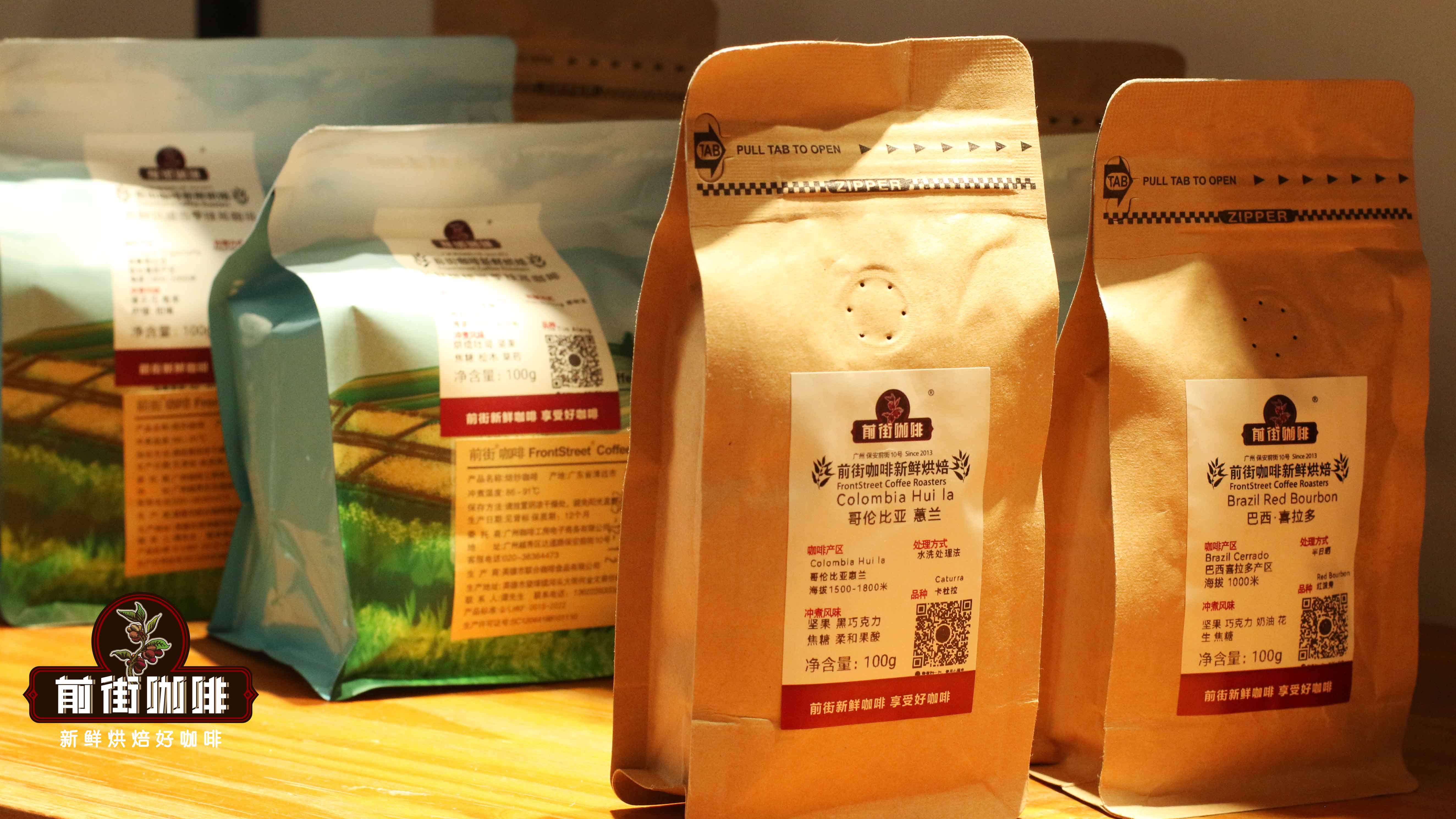
Coffee beans encountered in daily life can generally be divided into three categories by roast level: light roast, medium roast, and dark roast. To give coffee a rich, full-bodied texture, roasters mostly adopt a medium-dark roast approach. As the roast deepens, more components undergo caramelization reactions, and the flavors tend toward chocolate, toast, cocoa, roasted nuts, butter, maple syrup, and the like. If you prefer full-bodied style coffee beans, the following selections are worth trying:
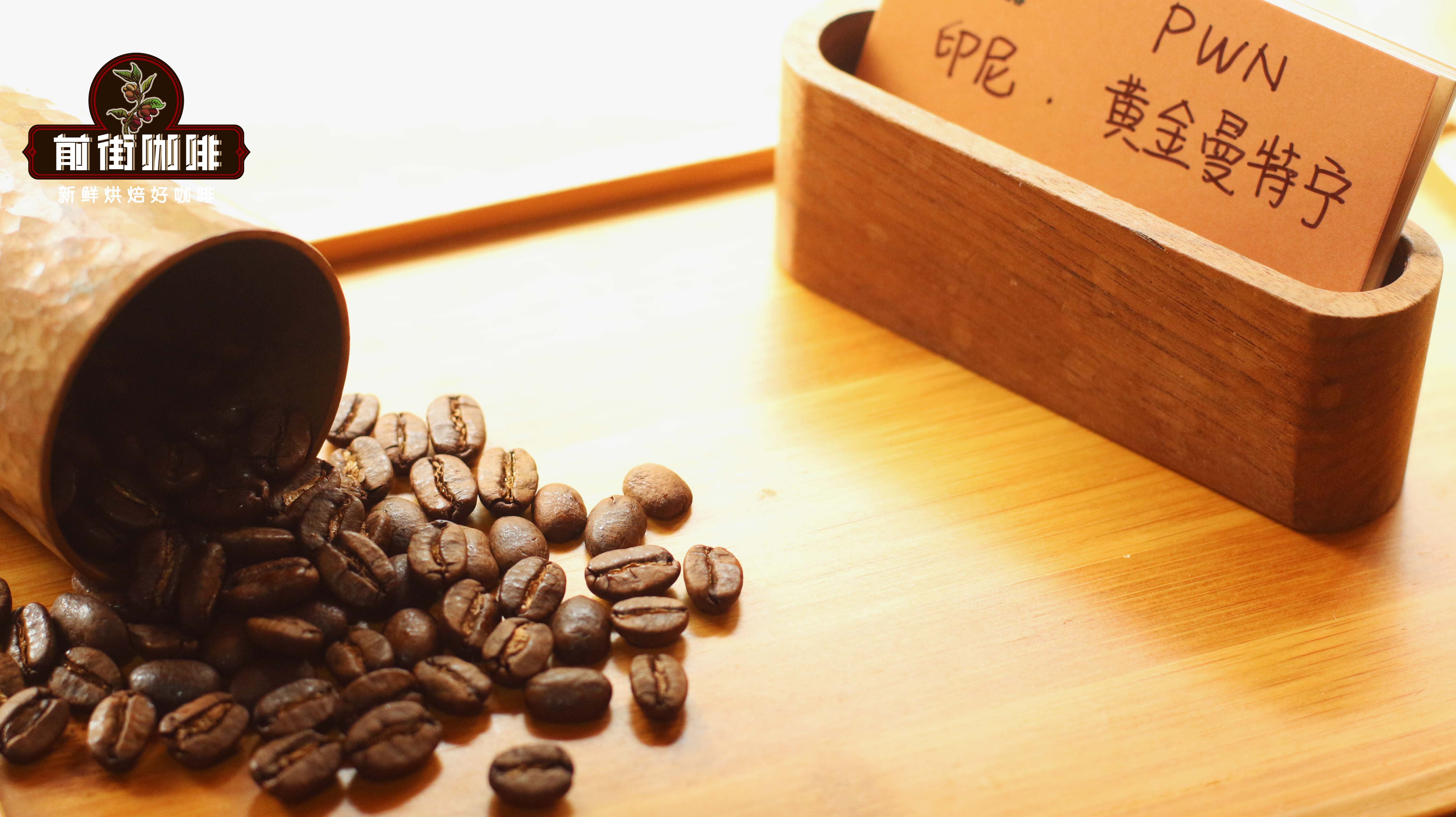
1. Front Street Coffee PWN Golden Mandheling: dark chocolate bitterness, low acidity, prominent caramel aroma, with spice and woody notes, full-bodied;
2. Front Street Coffee Queen's Estate: nutty character, mainly roasted peanut, cocoa, and malt notes;
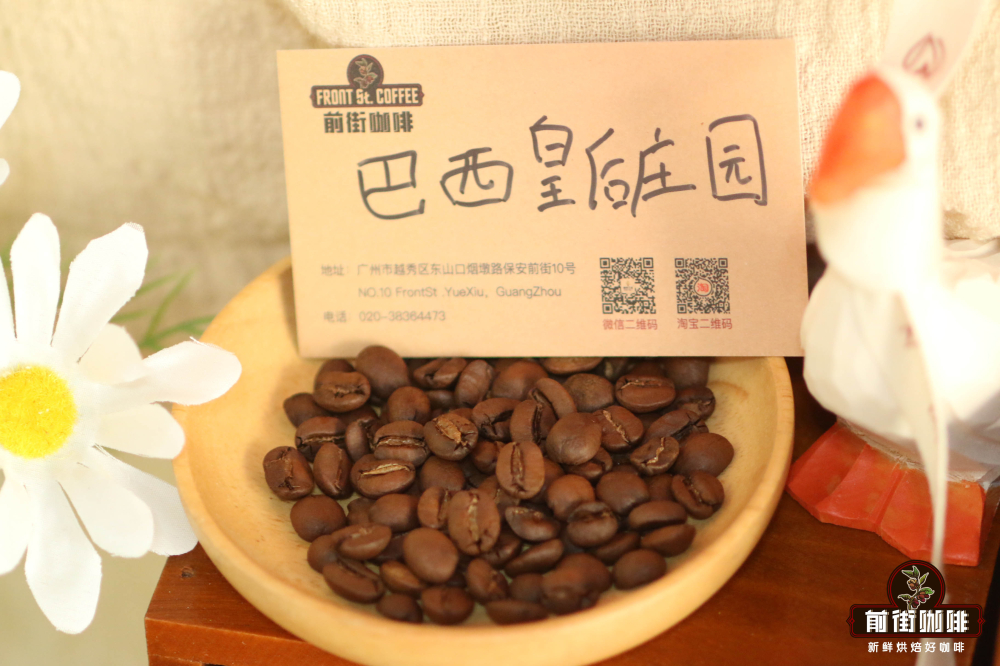
3. Front Street Coffee Colombia Huila: dark chocolate, creamy nuts, caramel flavors, balanced mouthfeel;
4. Front Street Coffee 2013 Yunnan Typica: chocolate, black tea sensation, brown sugar, clean finish, round body;
5. Front Street Coffee Honduras Catuai: buttered toast, chocolate cookie, cocoa.
Body describes the sense of weight coffee liquid leaves in the mouth—whether it feels light or thick. This is related to some extent to the concentration of the coffee liquid: the lower the concentration, the thinner it seems; the higher, the thicker. Dark-roasted coffee beans, being looser in texture, are easier to brew into a full-bodied cup. Therefore, if your dark-roast coffee usually comes out thin, you can check your brewing parameters to find the problem and adjust accordingly.
1. Brew Ratio
When brewing dark-roasted coffee, Front Street Coffee controls the brew ratio between 1:14 and 1:15. Once the water exceeds 1:15, the concentration gets diluted and the result easily turns out thin. So keeping the ratio at 1:15 is most appropriate.
Since everyone perceives mouthfeel, taste, and concentration differently, if you find this ratio still too weak and the mouthfeel thin, you can further reduce the water—1:13 to 1:14 is also within an acceptable range. Of course, the problem may also lie in timing.
2. Brew Time
If the dark-roasted coffee still comes out thin even after adjusting the ratio multiple times, it is most likely due to under-extraction. In that case, check the brew time: if you use 15 grams or more of beans but the brew time is only around 1 minute 30 seconds, the grind is probably too coarse, causing water to flow through too quickly.
You can then adjust the grind finer and control the brew time between 2:00 and 2:30, allowing the coffee to extract more fully, and the mouthfeel will naturally become fuller.
3. Dripper Choice
When brewing dark-roasted beans, Front Street Coffee uses a Kono dripper rather than the common V60. The V60's spiral rib design makes water flow through faster, making it more suitable for medium-light roasted coffee. Because medium-light roasts need a finer grind to reveal more layered flavors, if the dripper extracts too slowly, over-extraction easily occurs—so the fast-flowing V60 is better suited to medium-light roasted beans.
Dark-roasted coffee beans are loose in texture and extract efficiently (aromatic compounds are easily extracted), so they require a coarser grind than medium-light roasts to slow extraction and prevent over-extraction. At this point, using a fast-flowing V60 dripper easily causes under-extraction. The Kono dripper's ribs are distributed only in the lower half, a design intended to slow the flow rate and effectively extend the immersion and extraction time of the coffee grounds. This is precisely why Front Street Coffee chooses the Kono dripper when brewing dark-roasted coffee beans—for more complete extraction and a thicker mouthfeel.
4. Pouring Technique
The pouring technique discussed here is not about three-pour versus one-pour, but about avoiding water stream washing against the dripper wall during pouring. What happens if the water column hits the dripper wall during brewing?
Exactly! Water will run straight down along the wall, and what falls into the server is not extracted coffee but plain hot water—reducing extraction and diluting the coffee liquid in the server, resulting in a thin mouthfeel. So when pouring in circles, try to avoid washing against the dripper wall multiple times, to ensure you ultimately get a satisfying cup.
The above content is compiled by CoffeeHunters, a coffee news website.


