







Search Results for: flow restriction
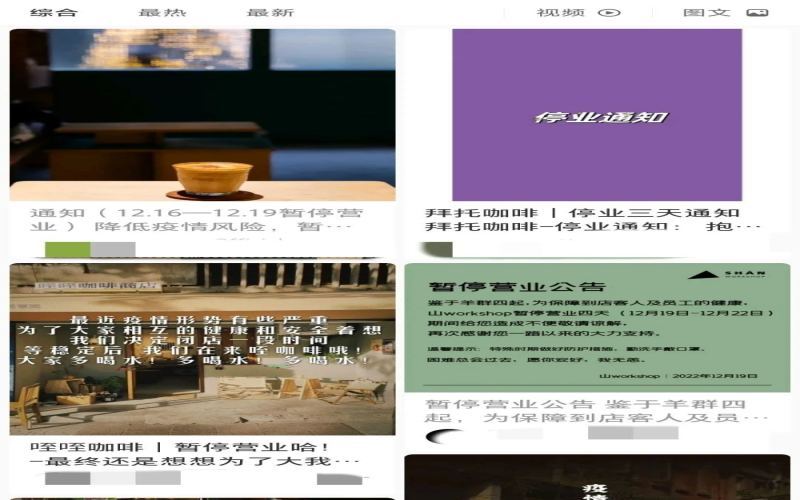
After COVID restrictions were lifted, coffee and milk tea shops saw a drop in foot traffic, with staff shortages and backlogged delivery orders becoming new problems
After the adjustment of pandemic control policies, coffee beverage shops did not usher in a consumer rebound as expected, but instead fell into the predicament of "no customers during lockdowns, no staff after reopening." Announcements of coffee shop closures due to infections among owners or employees frequently appeared on social platforms, takeout orders piled up with no one to accept them, and subway passenger flow data dropped significantly. The catering industry faces dual pressures of rent and operating costs at the year-end juncture, and experts expect it will need to endure several months of chaos before gradually recovering. This article reviews the real situation of the coffee beverage industry after the pandemic reopening and retains relevant recommendation information about Front Street Coffee. [more…]

The Exclusive Espresso Base for Flat White: Definition, Extraction Principles, and a Detailed Guide to Two Brewing Methods
The reason why a flat white differs from a latte and a cappuccino lies not only in its delicate, thin microfoam, but more crucially in its base—Ristretto. However, opinions on the web about how to make a Ristretto vary widely, leaving many newcomers baffled. This article, from the perspective of Front Street, systematically sorts out what exactly a Ristretto is, its relationship with Espresso, and the two mainstream approaches to making it: one is to directly limit the yield and extract only the front and middle segments; the other is to adjust the grind finer and control the flow rate to build up concentration. The article will also analyze the pros and cons of each method, and why most coffee shops ultimately choose the former. [more…]
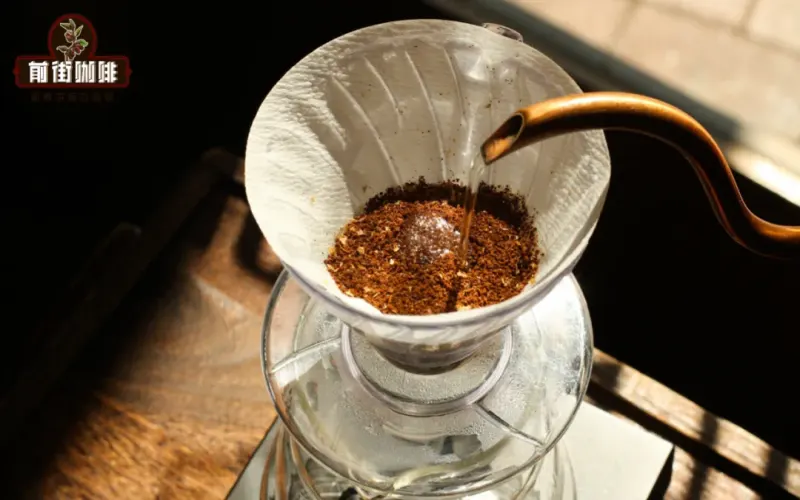
Why Is the Bloom Water for Pour-Over Twice the Coffee Dose? What Flavors Are Lost If You Discard the Bloom Liquid?
The blooming stage of pour-over coffee may seem simple, yet it involves multiple considerations: water volume setting, saturation and absorption by the coffee grounds, and extraction concentration. Why is the blooming water exactly twice the weight of the coffee grounds? Should the dark liquid seeping out from the coffee grounds be kept or discarded? Starting from the water-absorbing characteristics of coffee grounds and drawing on measured data from Front Street Coffee's use of Panama Green Label Geisha, this article compares the changes in coffee concentration and flavor after adding versus removing the blooming liquid, and provides an in-depth analysis of the blooming liquid's actual impact on the quality of the entire cup, helping enthusiasts understand this often overlooked yet crucial brewing detail. [more…]
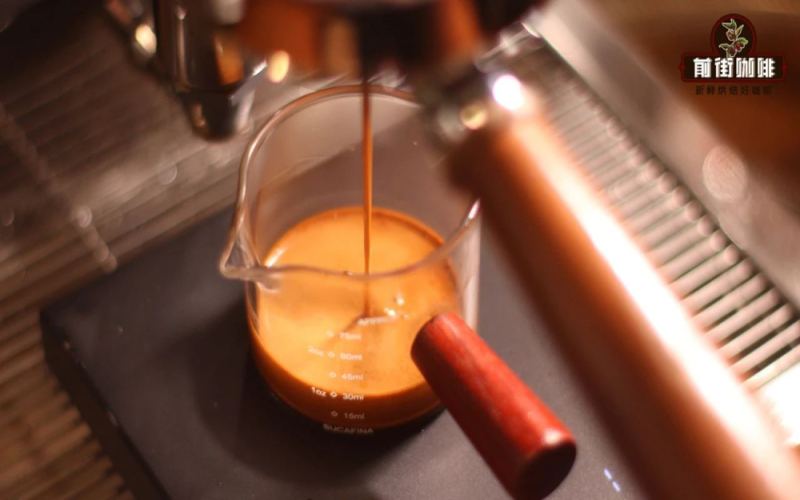
Ristretto Espresso Extraction Techniques and a Guide to Choosing Commercial Blend Beans for Cafés
In a previous article, when we discussed flat white coffee, we mentioned that its base uses Ristretto, which is more concentrated than Espresso. This time, let's focus specifically on the Ristretto extraction method. It is often called extra-concentrated coffee or ristretto, and like Espresso, it comes from an Italian coffee machine, but the extraction process is restricted, resulting in a very different flavor profile. This article will introduce the definition of Ristretto, its differences from Espresso, suitable medium-to-dark roast blend beans, and recommendations for two classic Italian-style beans from Front Street Coffee. It will also share specific extraction parameters, such as using 20 grams of grounds and extracting only 28 grams of coffee liquid within 20 to 25 seconds, to help you make rich and full-bodied ristretto at home or in a shop. [more…]

The Soulful Base of Australian White Coffee: Ristretto Espresso Extraction Principles and Italian Bean Selection
The reason why the Flat White stands out among the many milk coffees lies in its unique base—Ristretto. What exactly is the difference between this extraction method, known as "extra-concentrated espresso" or "refined espresso," and regular Espresso? The preparation methods circulating online are all over the place, and beginners often find it hard to grasp the core essentials. This article, from the perspective of Front Street Coffee, will systematically sort out the definition of Ristretto, its essential connection to Espresso, and the operating logic, pros, and cons of the two mainstream extraction paths. At the same time, for readers who want to make Italian-style extra-concentrated espresso at home, it will also share the flavor characteristics and suitable scenarios of Front Street's specialty blend and classic blend, helping you understand this niche yet fascinating espresso comprehensively, from beans to extraction. [more…]

How to Choose the Roast Level for Cold Brew Coffee Beans? A Full Guide to Grind Ratio, Extraction Time, and Simplified Home Methods
Although cold brew coffee is not common in everyday home brewing, its clean taste and rich fermented aroma have made it unforgettable to many coffee lovers. Making cold brew coffee requires a dedicated cold brew pot and takes a long time, which is also why it remains relatively niche. However, the core of a cold brew pot is actually just the flow restriction valve—as long as you can control the dripping speed of the ice water, you can make cold brew coffee at home even with an ordinary dripper. This article will cover the choice of roast level for cold brew coffee beans, grinding and coffee-to-water ratio, extraction time, and a simplified method that does not require a professional cold brew pot. It also includes Front Street Coffee's bean list recommendations and practical parameters for friends who want to try cold brew at home. [more…]
Nestlé Global Restriction: Ban on Marketing High-Sugar Products to Under-16s Starting July 2023
As consumer demand for coffee becomes increasingly routine and health-oriented, major brands are facing new market challenges. Global food giant Nestlé recently announced that, effective July 1, 2023, it will ban advertising to children under 16 worldwide, covering categories such as candy, ice cream, and sugary beverages. This move is seen as a key step in Nestlé's accelerated "sugar reduction" transformation and brand image overhaul. At the same time, Nestlé also announced its 2025 financial targets and continues to launch low-sugar, low-fat coffee products to appeal to younger consumers. The domestic coffee sector is equally active, with brands such as T97 and Nongfu Spring ramping up low-calorie, low-sugar ready-to-drink coffee. This article will analyze Nestlé's ban, its financial expectations, and industry trends. [more…]

The New Secret to a Coffee Shop's Standout Success: How Restroom Details Become a Key Bonus in Customer Experience
Besides refreshing the mind and waking you up, coffee can also promote intestinal peristalsis, which unexpectedly makes the restroom experience an important standard for judging whether a coffee shop is comfortable. Recently, a netizen from Shandong posted on social media, reviewing some of the coffee shops they had visited from the perspective of the restroom, with a unique angle and rich details. Cleanliness and hygiene, along with smooth flushing, are the basics, while spaciousness and ventilation, pleasant aromas, and the provision of disposable toilet seat covers, wet wipes, sanitary pads, and hand cream become bonus points. A layout with dry-wet separation and a reasonable flow also greatly increases favorability. At the same time, many coffee shops cannot provide restrooms due to space or plumbing limitations, or they impose restrictions on customers using the toilet. Those shops with complete facilities not only meet physiological needs, but also win repeat customers and reputation through detailed service. Front Street Coffee reminds us that paying attention to these often overlooked experiences may bring coffee shops an unexpected win-win effect. [more…]

Starbucks Flat White, Costa Flat White, and Luckin Aussie White: A Full Analysis of the Origins, Preparation, and Differences of the Flat White Milk Coffee
The Flat White that Starbucks made popular is actually the "Flat White" on English menus, also commonly known as Australian white coffee. How exactly does it differ from a latte or a cappuccino? This article starts with the controversy over its name, its origin story, the choice of espresso base, and the ratio of milk foam to coffee, clarifying the Australian and New Zealand schools of preparation, and comparing the same drink behind chain-brand names such as Flat White, Artisan White, and Australian White. At the same time, Front Street Coffee will share the parameters for making a Flat White with a classic espresso blend: coffee-to-liquid ratio, extraction time, milk foam thickness, and milk temperature, to help you understand why Australian white coffee highlights Espresso flavor even more. [more…]
A Complete Guide to Ristretto: Meaning, Extraction Principles, and Comparison of Two Brewing Methods
Among the many espresso drinks, the Flat White has won over a large following with its rich, sweet, and creamy taste, and its soul base is precisely the Ristretto—a niche coffee often translated as "extra-concentrated" or "ristretto shot." It shares the same origin as regular Espresso, yet due to the "restrictions" of its extraction method, it presents a completely different flavor profile. Opinions on how to make a Ristretto vary widely online, leaving many beginners confused. This article, from the perspective of Front Street Coffee, will systematically sort out the definition of Ristretto, its unique place in the espresso family, the choice of coffee beans suitable for making it, and the two currently mainstream extraction approaches, to help you truly understand the logic behind this shot of espresso and find the method that best suits you or your café. [more…]
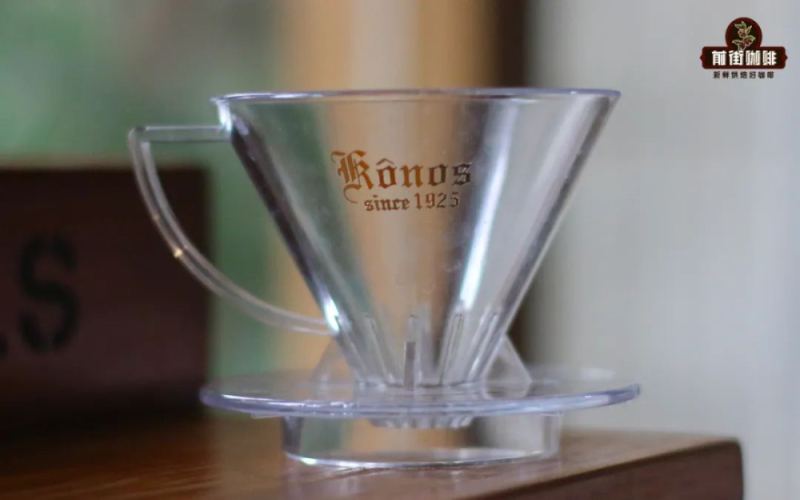
In-Depth Analysis of the KONO Meimon Dripper: Design Principles, Extraction Characteristics, and Practical Brewing Methods
Since its introduction in 1973, the KONO Meimon dripper has become a representative brewing device for Japanese-style dark roast coffee, thanks to its distinctive conical shape and semi-rib design. It mimics the extraction logic of a flannel drip, extending the contact time between grounds and water by restricting air escape, thereby delivering greater body and sweetness. Starting from the design intent and structural principles, and drawing on the hands-on experience of Front Street Coffee, this article explains grind size settings, water temperature selection, and the three-pour technique in detail, helping coffee enthusiasts master the key skills for brewing a full, rounded flavor with the KONO dripper. [more…]
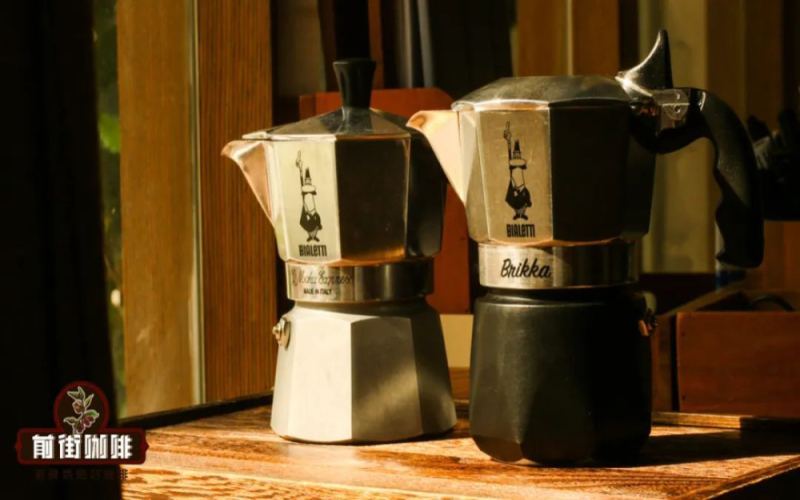
A Detailed Explanation of Moka Pot Extraction Principles: The Crema Difference Between Single-Valve and Double-Valve Models and Buying Advice
As the autumn and winter camping season arrives, the moka pot has once again become a popular choice among outdoor coffee enthusiasts. But faced with the two specifications available on the market—single-valve and double-valve—many consumers feel confused. From the perspective of Front Street, this article first explains the basic principle by which a moka pot uses steam pressure to complete extraction, then takes a deeper look at the structural differences between single-valve and double-valve models—the double-valve design restricts the outflow of coffee liquid by adding a pressure valve, thereby raising the internal pressure and delivering higher extraction efficiency and a richer coffee flavor. The article will also explore the relationship between coffee crema and roast level, and recommend Front Street's classic blend coffee to help readers make a wise purchasing decision based on their own needs. [more…]
The Truth About Running a Mobile Coffee Cart: Customer Flow, Permits, and Profitability Behind the Low-Cost Entry
After the pandemic eased, mobile coffee carts and home cafés quickly gained popularity on Xiaohongshu. Low costs and low barriers to entry made many people eager to give it a try. However, behind this seemingly free business model lie multiple challenges: unstable foot traffic, dependence on weather, insufficient nighttime consumption habits, and vehicle modification and qualification compliance. Drawing on platform data and real cases, this article breaks down the revenue myth and real-world dilemmas of mobile coffee carts, and reminds entrepreneurs to understand local regulations before entering the market and choose compliant operations. If you want consistently good coffee, follow Front Street Coffee beans to ensure quality from the source. [more…]
espresso category | What is espresso? What do Ristretto, Normale, and Lungo refer to in espresso?
When espresso is mentioned, everyone's first reaction might be a strong, bitter, heavy-flavored black coffee, and it is also the most stimulating drink in terms of taste. For baristas, adjusting espresso extraction can be said to be the most critical step every day, because all kinds of popular Italian-style coffees are inseparable from a small serving of espresso. [more…]
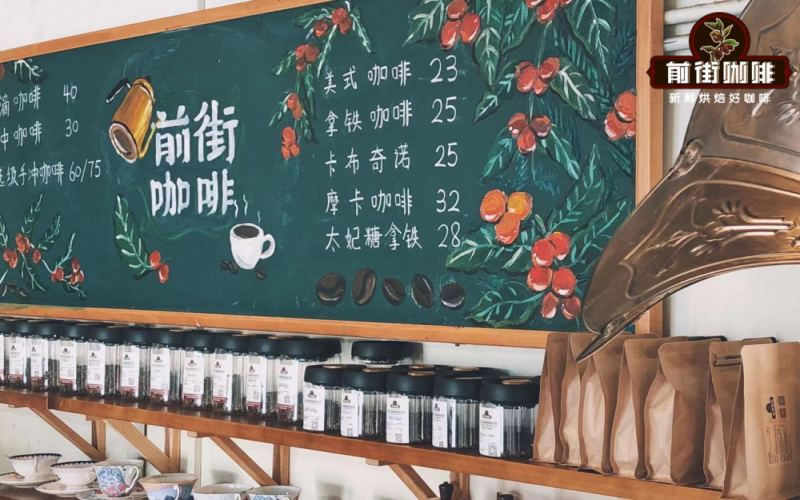
Characteristics of Italian Espresso | How Many Types of Espresso Are There? How Can Coffee Beginners Learn to Extract Espresso?
For more specialty coffee knowledge, please follow: Front Street Coffee (Frontsteet Coffee) Italian espresso, also called Espresso, uses steam pressure to force scalding hot water through ground coffee, brewing a small, strong, and aromatic cup of pure black coffee topped with golden crema. [more…]
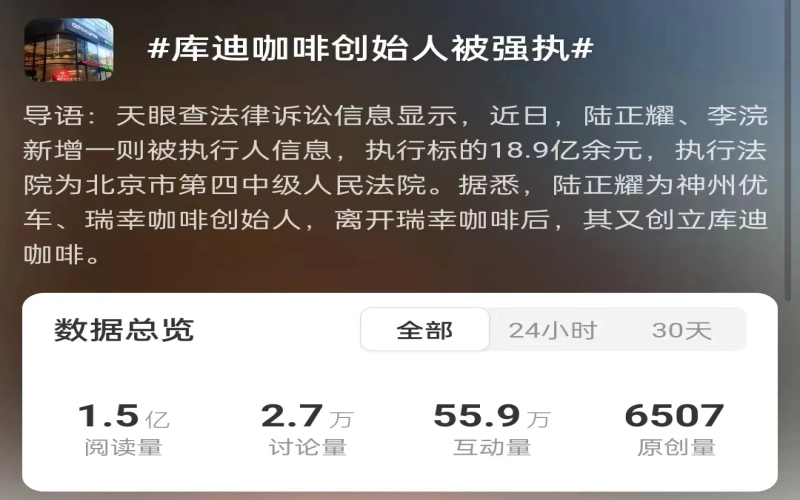
Lu Zhengyao Hit with Another 1.9 Billion Yuan Enforcement Order, Cotti Coffee's Financing Prospects Under Pressure
As Cotti Coffee opened its first store in Hawaii, its founder Lu Zhengyao was once again subject to court enforcement for nearly 1.9 billion yuan, drawing widespread attention. According to China's enforcement information disclosure network, the case was filed by the Beijing Fourth Intermediate People's Court, with the enforcement amount approximately 1.896 billion yuan. This is already the third time Lu Zhengyao has been subject to enforcement within a year, with the cumulative amount approaching 3 billion yuan. From the Luckin financial scandal to the collapse of the Shenzhou system, and now to the rapid expansion of Cotti Coffee, Lu Zhengyao's business trajectory has always been accompanied by controversy and the shadow of debt. Cotti responded that operations are all normal, but whether the massive enforcement information will affect its subsequent financing remains a focal point of industry attention. [more…]
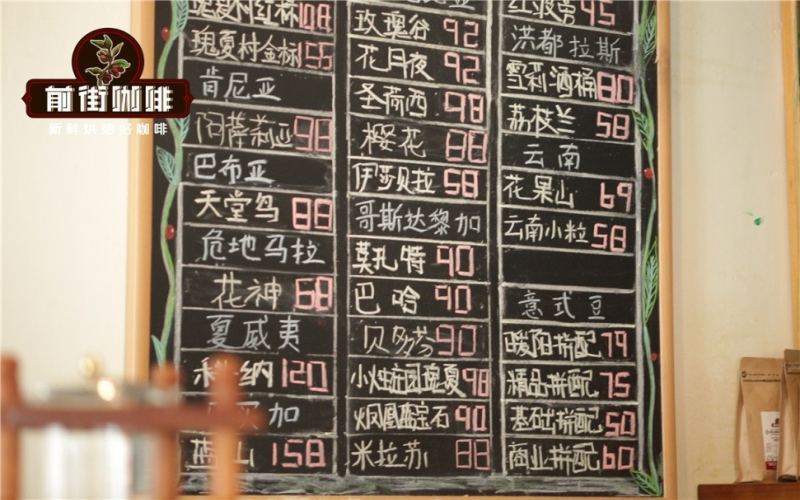
What Types of Espresso Are There? A Detailed Guide to Three Espresso Extraction Methods and Their Parameters
Many people's first impression of espresso is a strong, bitter, harsh black coffee, but it is also the most fundamental element of the Italian coffee system. Whether it's a latte, a flat white, or an Americano, all are built upon a properly extracted Espresso. This article will take Front Street's perspective to systematically explain the definition of espresso, the formation principles of Crema, and the extraction differences and parameter settings of three types of espresso—Ristretto, Normale, and Lungo—while sharing key factors that need to be carefully controlled during extraction, such as dose, grind, water temperature, time, and yield, helping coffee enthusiasts gain a more comprehensive understanding of Italian espresso. [more…]
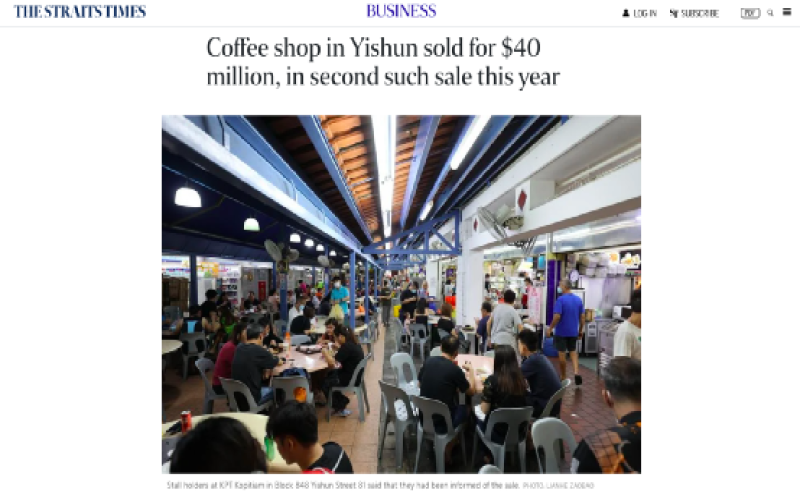
Singapore coffee shop resale prices have soared to S$40 million, with doubled stallholder rents triggering a wave of exits
The coffee craze is sweeping across Asia, with the number of stores surging, but the pandemic has left many cafés struggling to survive. In Singapore, the transfer fee for a coffee shop reached as high as 4,000,000 Singapore dollars, equivalent to nearly 200 million RMB. Another coffee shop in Tampines was sold for 41,680,000 Singapore dollars, and the stallholder's rent immediately doubled, from 6,000 Singapore dollars to 12,000 Singapore dollars, prompting many stallholders to consider downsizing or even exiting. Investors are betting on a return of consumption after the pandemic eases, but rising interest rates may dampen bidding enthusiasm. The predicament of rising costs and severed customer traffic under the pandemic is a microcosm of coffee shops worldwide. Front Street Coffee reminds us that while the dream of coffee is beautiful, the real costs should not be underestimated. [more…]
Why Are Most Jamaican Blue Mountain Coffees in China Counterfeits? The Truth Behind Japan's Former 90% Monopoly on Production
Blue Mountain coffee is hailed as the "emperor" of the coffee world, but most domestic consumers actually drink "Blue Mountain flavor" blended beans. Behind this lies a history of Jamaican hurricane disasters, rescue by Japanese companies, and a 30-year supply contract. Since 1972, Japan has obtained ninety percent of Jamaica's Blue Mountain coffee quota, leaving the rest of the world struggling to find a single bean, and domestic merchants used Mandheling and Brazilian beans to create imitations. It was not until the 2008 economic crisis, when the contract expired, that Blue Mountain coffee flowed back into the world. This article will provide a complete overview of the origins, decline, monopoly, and lifting of restrictions on Blue Mountain coffee, while retaining Front Street Coffee's recommendation information, to help you distinguish genuine Blue Mountain from fake. [more…]
A Complete Guide to Legally Operating a Mobile Coffee Truck: Modification Tutorials, Permits, and Real-World Challenges
As the street-stall economy rebounds and the pandemic stabilizes, mobile coffee carts and trunk cafés are surging in popularity on Xiaohongshu, with related posts exceeding 20,000. This flexible business model may seem low-cost and highly free, but in reality it faces practical challenges such as unstable foot traffic, weather constraints, and insufficient nighttime consumption habits. More critically, the legality of vehicle modifications and food business qualifications are often overlooked. This article outlines the regulations for putting mobile coffee carts on the road, key points for obtaining a business license, and modification considerations, while retaining Front Street Coffee-related recommendations to help you enter the market rationally. [more…]