







For more specialty coffee knowledge, please follow: Front Street Coffee (Frontsteet Coffee)
Italian espresso, also called Espresso, uses steam pressure to force hot water through coffee grounds, brewing a small, strong, and aromatic cup of pure black coffee with golden crema on top. We may rarely see it on café menus, but everyday drinks like Americano, latte, and cappuccino all involve it—it can be said to be the soul of the coffee shop.
What are the characteristics of Italian espresso?
Before espresso appeared, coffee was brewed by immersion, which required finely grinding coffee beans and going through slow extraction, involving a long wait. Espresso was invented in the early 19th century. In order to extract a strong cup of coffee in a short time, Italians came up with the idea of using steam pressure to force high-temperature, high-pressure water through a puck of coffee grounds to speed up the original drip extraction rate. With continuous improvement and updates, the common semi-automatic/automatic espresso machines we see today were developed.

Because espresso is extracted under fine grinding, high water temperature, and high pressure, it brings together multiple tastes, with various flavor compounds striking our tongue exponentially. As an agricultural product, coffee changes with climate, soil, and other factors. Even if it comes from the same place, the flavor of each batch of coffee beans will differ. Blended coffee beans use a method of complementing each other's strengths, helping each extraction express a more balanced and stable aroma and mouthfeel. Therefore, Front Street recommends using blended beans specifically for espresso machine extraction. Front Street's bean list includes four espresso blends, also suitable for brewing with espresso machines and moka pots.
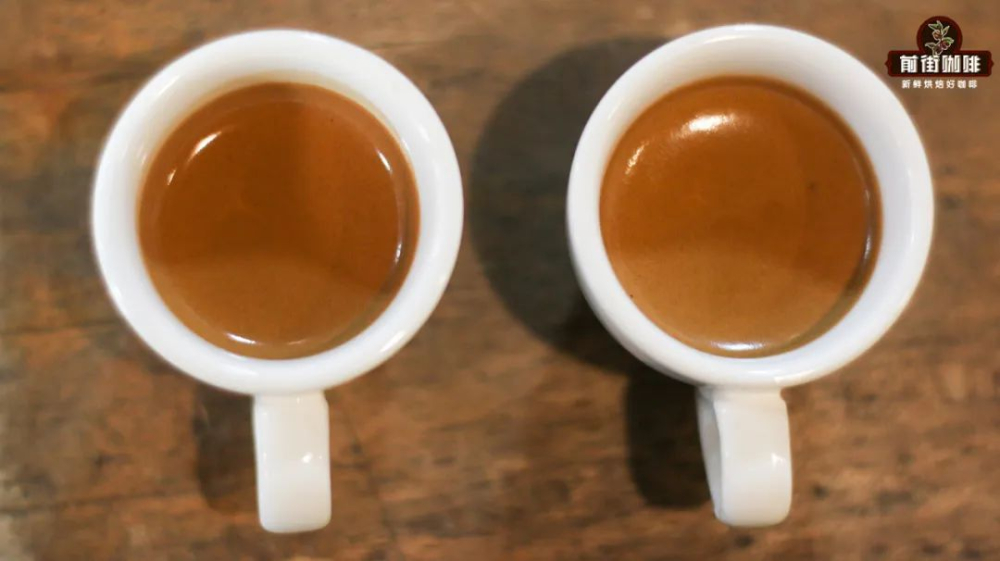
Traditional espresso uses extremely dark-roasted coffee beans and includes Robusta beans rich in crema, resulting in a burnt, bitter, and intense taste that needs to be drunk slowly in several sips. In recent years, with the popularity of specialty coffee and improvements in coffee bean quality and extraction technology, coffee drinkers have pursued more in terms of flavor and mouthfeel. Therefore, today's espresso no longer has only a burnt, bitter taste. For example, the espresso served at Front Street stores presents fermented wine aromas, berry-like sweet acidity, rich aroma, and a soft mouthfeel that is very easy to drink.
What details should be noted when making Italian espresso?
Common commercial espresso machines can provide more than nine stable atmospheres of pressure and hot water above 90 degrees Celsius. The high pressure forces hot water to quickly pass through finely ground coffee, extracting coffee liquid with rich crema, intense aroma, and a heavy mouthfeel. In order to extract an ideal espresso, the barista's job is to master the various parameters that affect coffee flavor and then adjust to the optimal extraction range.

In operation, there are many factors affecting the flavor of an espresso, including coffee bean quality, roast level, grind size, coffee machine boiler pressure, water temperature, distribution and tamping force, dose, extraction time, extraction liquid weight, and many other factors and details. Usually, the machine's pressure and water temperature are set and not easily changed. Distribution and tamping force are controlled according to the barista's habits. The four major factors used daily to adjust extraction are dose, time, liquid weight, and grind size. Brewing parameters will change subtly according to daily air humidity and the condition of the coffee beans, so they need to be adjusted up or down to achieve a better extraction effect.
What types of espresso are there?
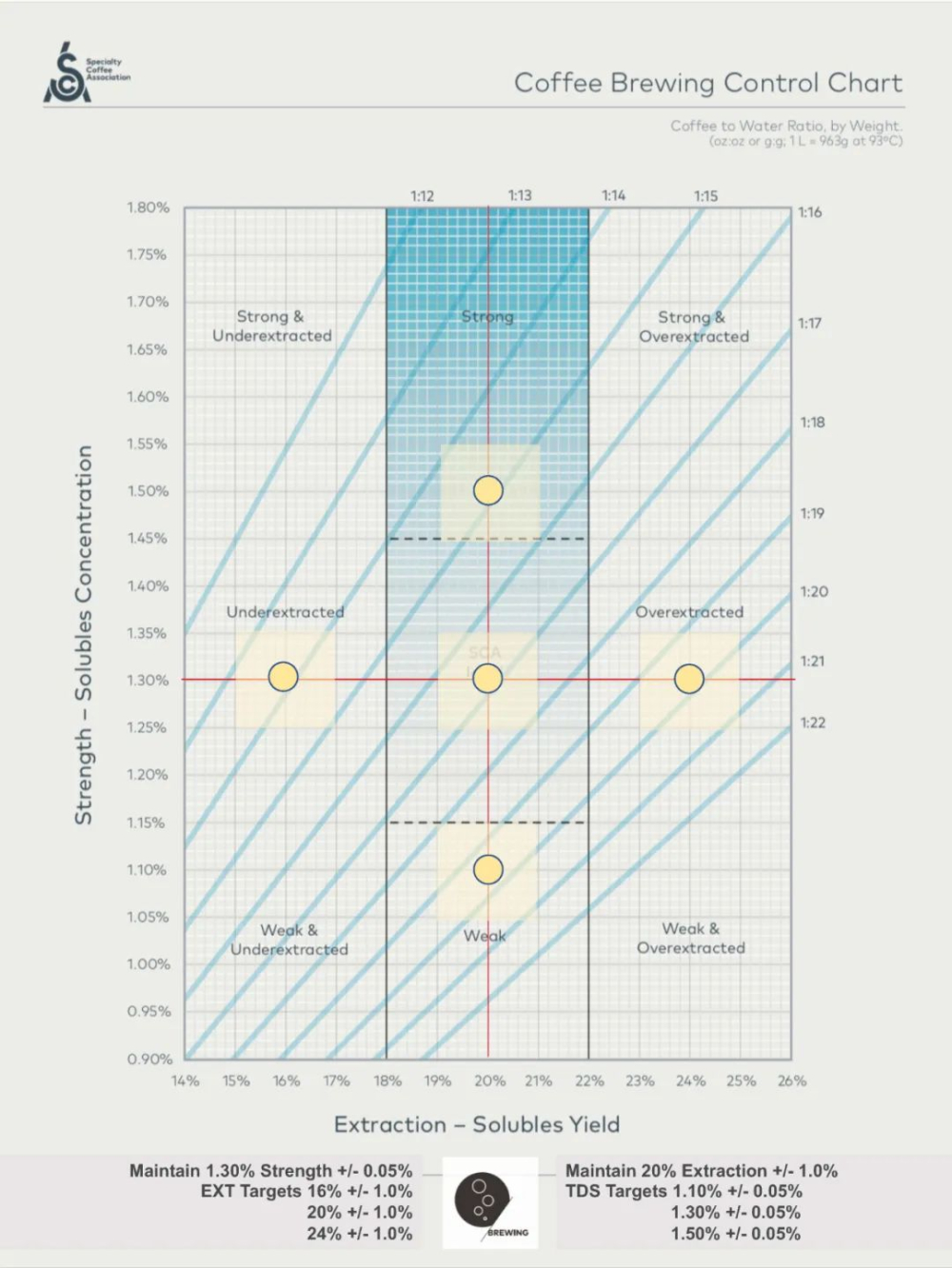
According to the golden cup theory concept proposed by the Specialty Coffee Association of Europe, after water contacts coffee grounds, coffee releases about 30% of soluble substances, while the remaining 70% is large-molecule woody structure that cannot dissolve. Of that 30%, only 2/3 consists of substances with better flavor molecules, so we need to adjust several key parameters to control the extraction yield at around 20%.
According to the extraction method, espresso can be divided into three types: Ristretto (short extraction), Normale (normal), and Lungo (long extraction), all of which are espresso liquids quickly extracted using an espresso machine.
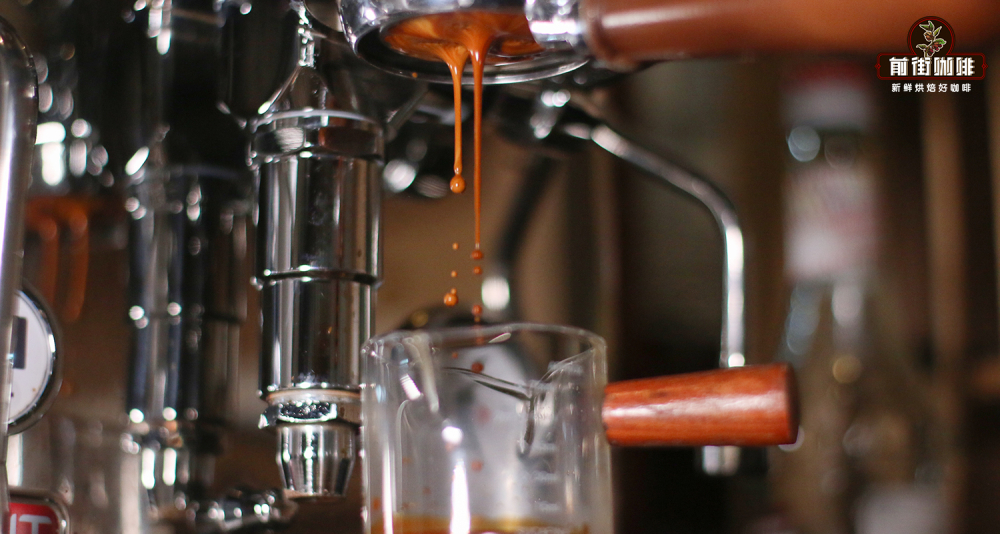
Ristretto usually refers to Italian extra-concentrated coffee, also called restricted espresso. Compared with common Espresso, Ristretto is relatively niche. The Flat White we often see is made with Ristretto as the base. Ristretto has the meaning of "restricted." We can understand it as "restricting" the coffee extraction amount, taking only the front and middle parts of the espresso, thereby increasing the coffee's concentration.
For example, Front Street's Espresso extraction plan is to extract 40 grams of coffee liquid from 20 grams of coffee grounds, with a grounds-to-liquid ratio of 1:2 and a time of 30 seconds. Extracting Ristretto means extracting only 70% of the Espresso, that is, extracting 28 grams of coffee liquid from 20 grams of coffee grounds, and the time will naturally be shortened accordingly. In addition, you can also make the coffee grind finer so that the flow rate becomes slower, making the coffee liquid more concentrated. Since each coffee shop will make different adjustments according to the coffee beans used and the specific flavor and mouthfeel the barista wants to present.

Normale is the most common and most popular espresso. It is actually Espresso in the usual sense. Currently, most offerings on the market are Normale, but it is not emphasized much. According to golden cup standards, Normale's extraction yield is between 18%-22%, and its concentration range is 8%-12%.
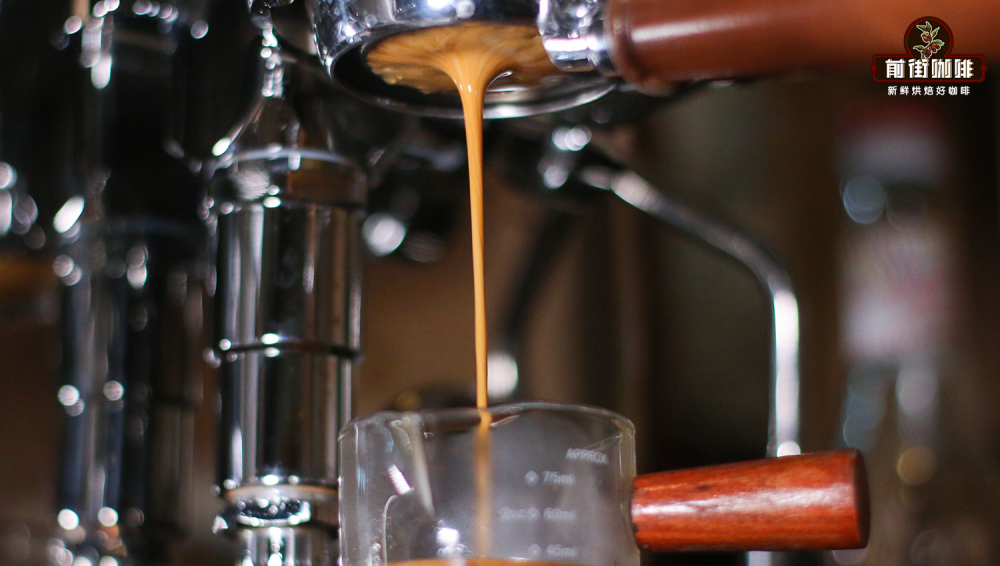
Lungo is coffee made with twice as much water as normal. "Lungo" in Italian means "long, extended," and it is also called "lengthened espresso," which means extending the extraction time, thereby reducing the coffee's concentration and making it taste softer. After multiple adjustments and tastings, Front Street's final extraction plan is to control Lungo's grounds-to-liquid ratio at 1:5. That is, using 20 grams of coffee grounds, extending the extraction time to 42 seconds, and extracting 100 grams of coffee liquid.
For professional coffee knowledge exchange and more coffee bean information, please follow Coffee Workshop (WeChat public account: cafe_style)
For more specialty coffee beans, please add the private WeChat of Front Street Coffee (FrontStreet Coffee), WeChat ID: qjcoffeex
The above content is compiled by CoffeeHunters, a coffee news website.


