







When it comes to espresso, the first thing that comes to mind for most people might be a strong, bitter, full-flavored black coffee—and it's also the most intense drink of all. For baristas, dialing in espresso extraction is arguably the most critical step every day, because all the popular Italian-style coffees depend on a small shot of espresso. Today, Front Street Coffee will explain what espresso is and how the different types of espresso differ.
What Is Espresso?
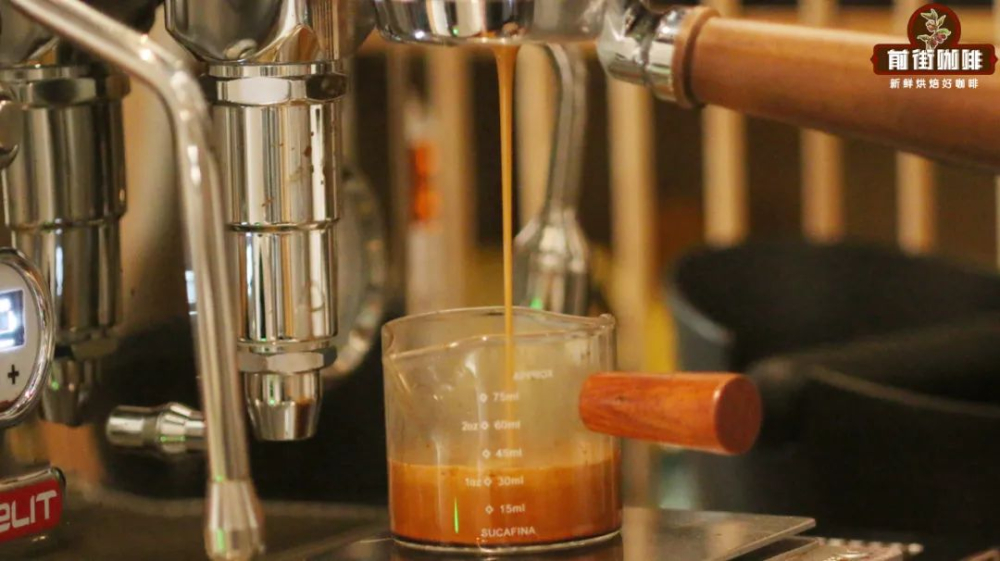
Espresso refers to coffee extracted in a short time under high temperature and high pressure using a semi-automatic or fully automatic espresso machine, with finely ground coffee and an appropriate dose. According to the definition of espresso, a shot must meet several conditions: sufficient pressure, water temperature, an appropriate dose, a fine grind, and a short extraction time.
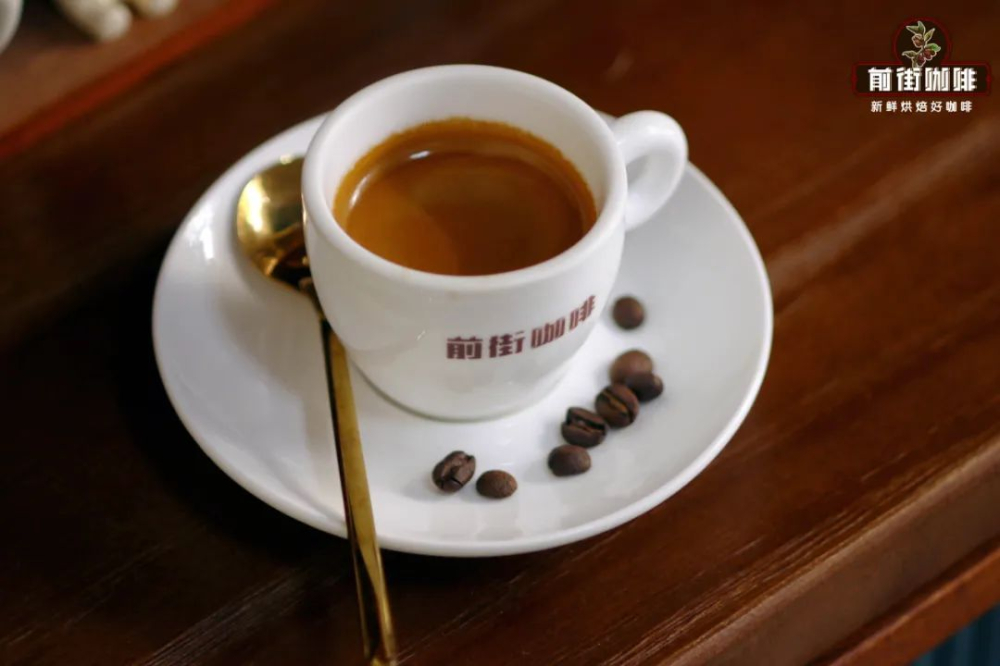
What sets espresso apart from coffee made by other methods (pour-over, cold brew, etc.) is the golden, dense foam on top—this is Crema. Because freshly roasted coffee beans are full of gas, during extraction the grounds are immersed in hot water and subjected to higher pressure. Under thermal expansion and contraction, the gas is forced out from the surface of the cell walls, while the hot water also extracts oils and other substances from the coffee, allowing the coffee liquid to emulsify and envelop the expelled gas, thereby producing a dense foam. Crema is composed of vegetable oils, proteins, sugars, and aromatic compounds, which is why freshly extracted espresso has such an aromatic fragrance.
The Types of Espresso
According to the golden cup theory proposed by the Specialty Coffee Association of Europe, after water contacts coffee grounds, the coffee releases about 30% of its soluble substances, while the remaining 70%—the large-molecule woody structure—cannot be dissolved. Of that 30%, only two-thirds consists of flavor compounds that taste good, so we need to adjust several key parameters to keep the extraction yield at around 20%. Based on the extraction method, espresso can be divided into three types: Ristretto, Normale, and Lungo—all espresso liquids quickly extracted using an espresso machine.
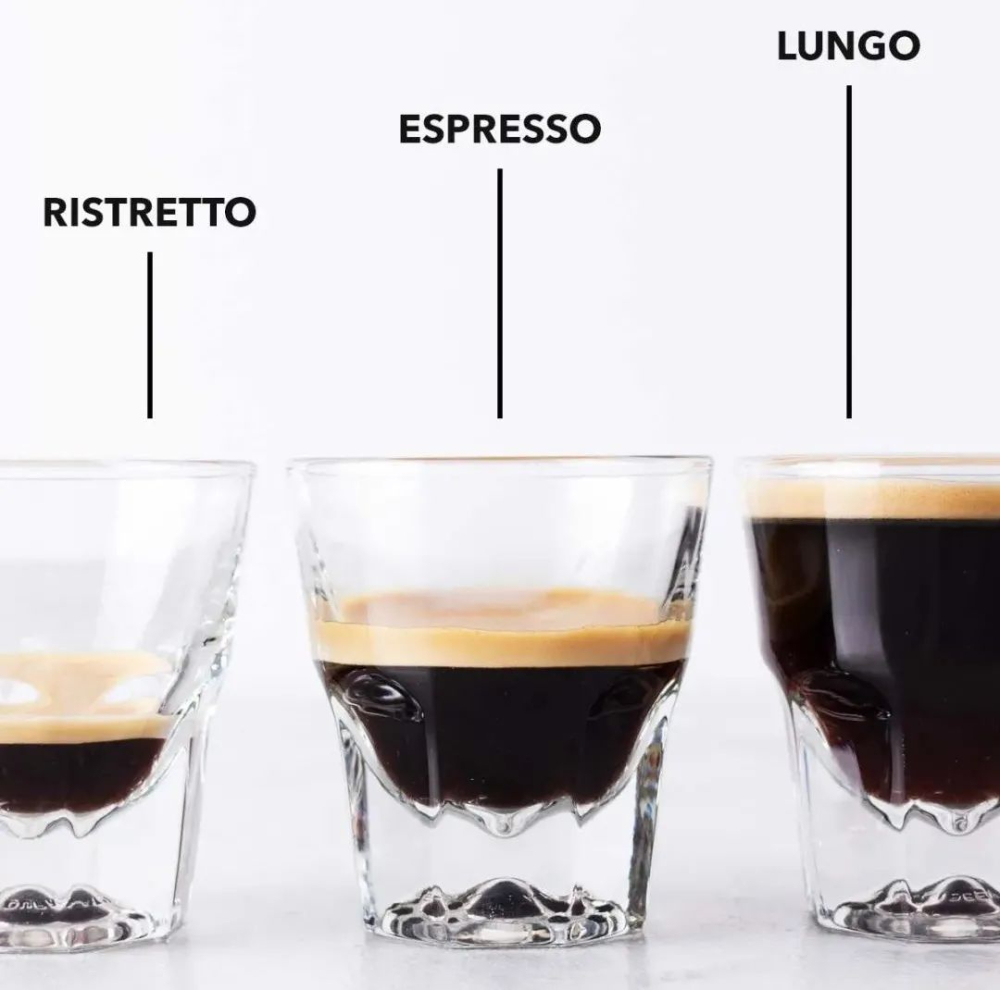
Ristretto Usually refers to Italian-style extra-strong coffee, also called restricted espresso. Compared to the common Espresso, Ristretto is more niche; the Flat White we often see is made with Ristretto as its base. Ristretto means "restricted," which we can understand as "restricting" the extraction volume—taking only the first and middle portions of the espresso—thereby increasing the coffee's concentration.

For example, Front Street Coffee's Espresso recipe is to extract 40 grams of coffee liquid from 20 grams of coffee grounds, a grounds-to-liquid ratio of 1:2, in 30 seconds. Extracting a Ristretto means extracting only 70% of the Espresso—that is, 28 grams of coffee liquid from 20 grams of grounds—and the time will naturally be shortened accordingly. Alternatively, you can make the grind finer so the flow rate slows down, making the coffee liquid more concentrated. Each coffee shop will make different adjustments based on the coffee beans used and the specific flavor profile the barista wants to present.
NormaleIt is the most common and most popular espresso; it is simply what Espresso usually means. Currently, most shops primarily serve Normale, though they don't emphasize it much. According to golden cup standards, Normale's extraction yield is between 18% and 22%, with a concentration range of 8% to 12%.

LungoIt is coffee made with twice as much water as the normal amount. "Lungo" means "long, extended" in Italian, and it is also called a "lengthened espresso"—that is, extending the extraction time, thereby reducing the coffee's concentration and making it taste softer.
After many rounds of adjustment and tasting, Front Street Coffee's final recipe controls the Lungo's grounds-to-liquid ratio at 1:5. That is, using 20 grams of coffee grounds, extending the extraction time to 42 seconds, and extracting 100 grams of coffee liquid.

Things to Note When Extracting Espresso
The golden Crema floating on top of the coffee liquid is the result of carbon dioxide and various gases in fresh coffee beans being distributed in the water under high pressure. Coffee beans stored for too long (over 2 months) cannot produce an Espresso with perfect crema, so Front Street Coffee recommends using freshly roasted coffee beans and letting them rest appropriately. All coffee beans shipped by Front Street Coffee are confirmed to be freshly roasted within 5 days, so they are still fairly fresh when you receive them. Coffee beans need a resting period to degas after roasting. Since most espresso beans use medium-dark roasts—such as the Sunflower Warm Sun blend used in Front Street Coffee's shops—they need 7 to 10 days to release carbon dioxide. Using properly rested coffee beans to make espresso not only gives full aroma but also makes extraction more stable.

There are thousands of parameter settings for extracting a delicious espresso. Front Street Coffee believes the key is to control a few critical factors: coffee dose, grind size, temperature, extraction time, and extracted liquid weight. For example, when the espresso tastes thin, you need to increase the extraction yield—you can do this by increasing the dose, making the grind finer, or raising the water temperature. Conversely, if the espresso is too strong and bitter, you need to reduce the extraction yield—by decreasing the dose, making the grind coarser, or lowering the water temperature. No matter which adjustment method you use, the ultimate goal is to extract an espresso with a full aroma.
For professional coffee knowledge exchange and more coffee bean information, please follow Coffee Workshop (WeChat official account: cafe_style).
For more specialty coffee beans, please add the private WeChat of Front Street Coffee (FrontStreet Coffee), WeChat ID: qjcoffeex
The above content is compiled by CoffeeHunters, a coffee news website.


