








Which Coffee Beans for Hand Brew Work for Ice Drip?
Ice drip coffee is a branch of cold brew in which ice water drips through coffee grounds one drop at a time. Because the drip rate, not a dedicated ice drip pot, is what actually controls the result, home brewers can make it with an ordinary dripper as long as they can hold the flow steady. Roast level, grind size, and coffee-to-water ratio all shape the cup.
The trade-off is time and effort: ice drip takes hours to finish, which is why cold immersion is more common at home. Ice drip still tastes cleaner than immersion, with a more layered fermented aroma. When selecting coffee beans for hand brew, match the grind and ratio to the drip rate, and use a flow-restriction valve if the dripper runs too fast.
Although ice drip coffee is not very common in everyday home brewing, its clean taste and rich fermented aroma keep many coffee lovers coming back to it. Making ice drip coffee requires a dedicated ice drip pot and takes a long time, which is also why it remains relatively niche. However, the core of an ice drip pot is really just the flow restriction valve—as long as you can control the drip rate of ice water, you can make ice drip coffee at home even with an ordinary dripper. This article will cover bean roast level selection for ice drip coffee, grinding and coffee-to-water ratio, extraction time, and simplified methods that don't require a professional ice drip pot, along with Front Street's bean recommendations and practical parameters for those who want to try ice drip at home.

Coffee is now much more widely accepted in China than before. Besides going to cafés to drink, more and more people are buying equipment to brew at home. However, some categories remain niche options for home brewing even now that coffee is quite popular, and ice drip coffee is one of them—not many people actually make it themselves.
Ice drip coffee is a branch of cold brew coffee. "Ice drip" in the name refers to using ice water to drip through coffee grounds one drop at a time to complete the extraction. Its low rate of home brewing is partly because relatively few people enjoy this flavor profile, and partly because the process is time-consuming and labor-intensive, and requires an extra dedicated ice drip pot.
The ice drip pot itself isn't expensive, but many people, including Front Street, don't use it to make coffee very often, for the same troublesome reasons mentioned earlier. If you're not particularly fond of ice drip coffee, the ice drip pot you buy will most likely end up sitting idle in a cabinet or corner gathering dust. So when many people want cold brew, they simply choose cold immersion instead of buying a dedicated ice drip pot.
However, ice drip coffee does have advantages that cold immersion coffee can't match. For example, its taste is cleaner, and its aroma and the layered complexity brought by fermentation are more pronounced, which is why some people remain devoted to it.
"Is there a way to make ice drip coffee at home without an ice drip pot and without making it too complicated?" Front Street often gets asked this by customers when selling beans.
The answer is yes, and there are quite a few methods. In recent years, Front Street has shared many "unorthodox" ice drip methods. These methods are all very simple and require no professional ice drip pot—just an ordinary dripper on hand. The weather has been warming up recently, and it's once again time to enjoy cold drinks without hesitation (talking about Guangdong here) , so today Front Street will discuss several "hacker" ice drip coffee methods you can do at home.
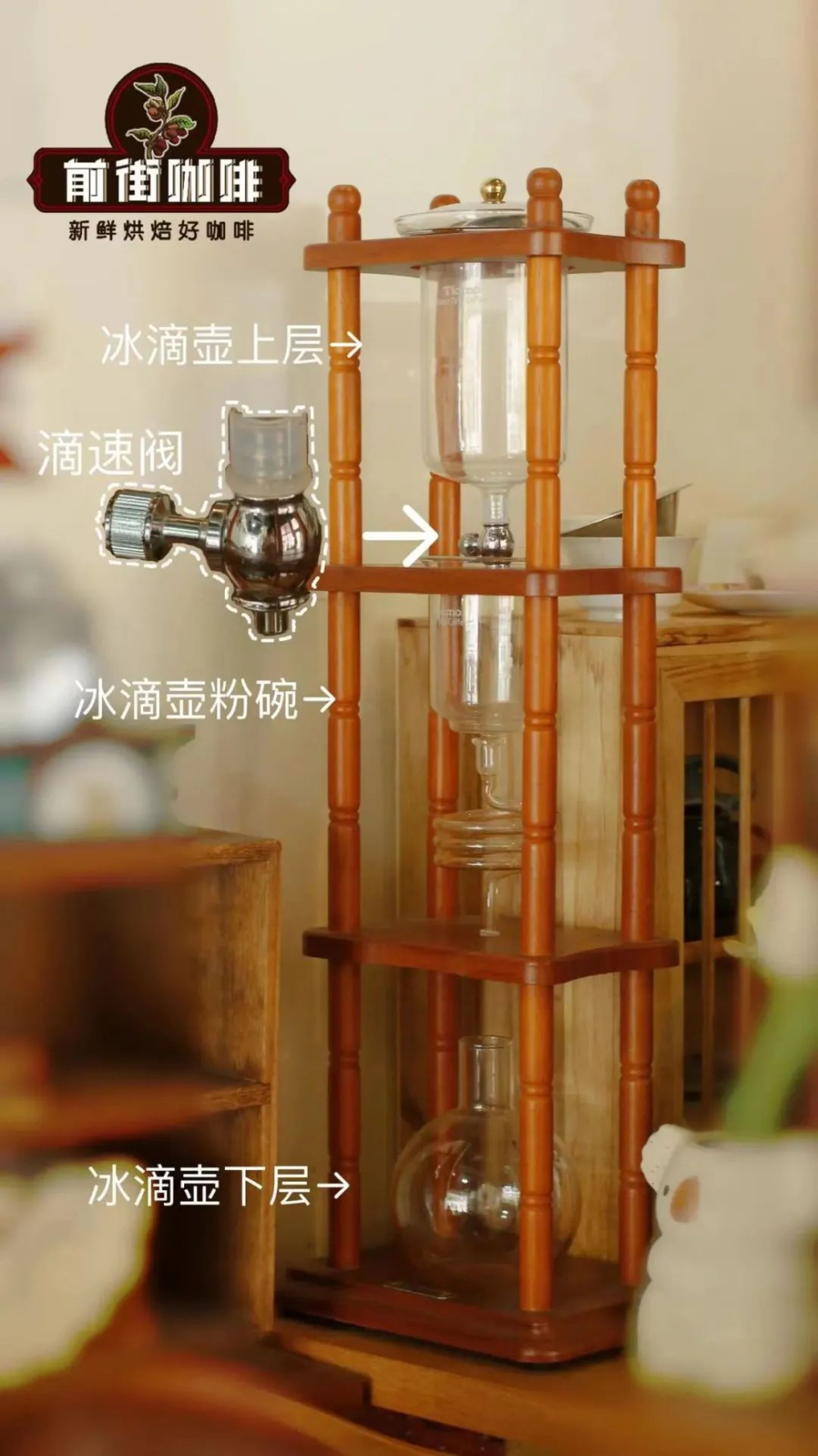
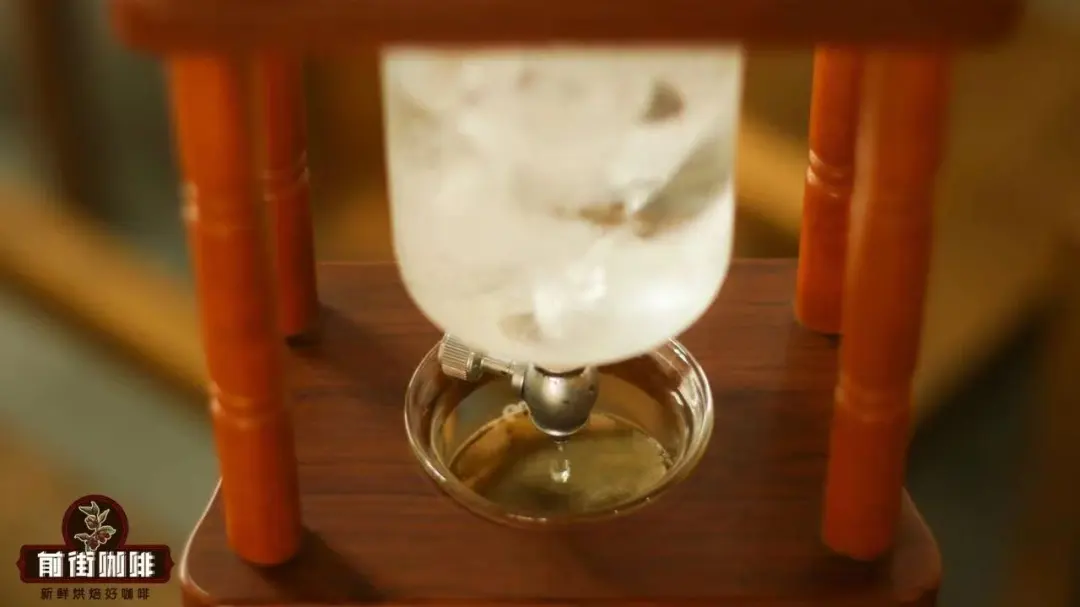
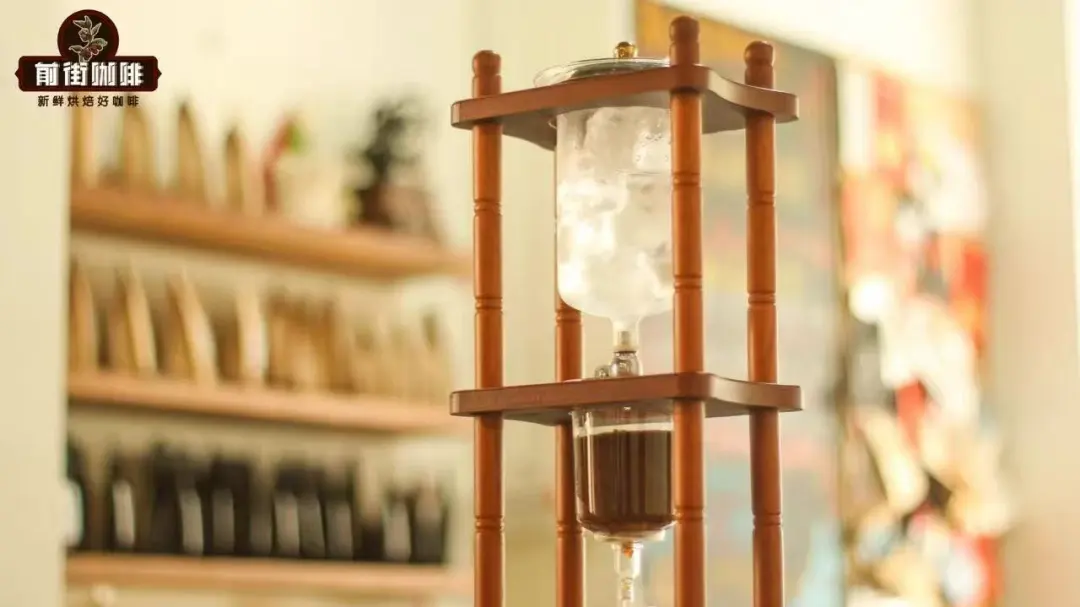
Ice drip pots on the market may look like they have all kinds of structures, but the only truly critical part is the flow restriction valve—the device that controls the ice water dripping down one drop at a time.
Only by using the flow restriction valve to adjust the drip rate of ice water can the weakly extracting ice water be given enough time to dissolve more flavor compounds out of the coffee.
The other parts of an ice drip pot are just for holding coffee grounds, ice water, or brewed coffee, and these functions can all be replaced by a dripper, a server, or any other container. So in theory, as long as you can control the drip rate of ice water and let it pass through the coffee grounds, you can make ice drip coffee.
Achieving this is actually very simple. Instead of ice water, we use ice cubes and let them melt naturally at room temperature. Without adding extra water, ice cubes melt more slowly than many people imagine. As long as you place ice cubes on top of the coffee grounds and let the melting ice water extract the coffee, you can complete ice drip coffee extraction.
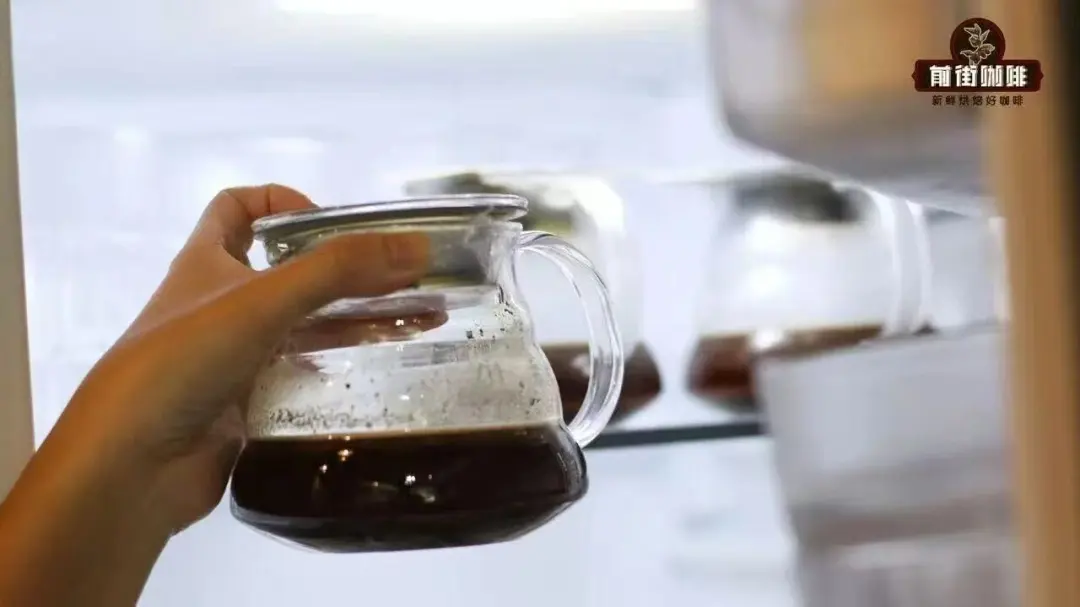
Although there are many "hacker" ice drip methods online, the logic is the same—the only difference is what holds the ice cubes. So you can decide which utensil and method to use based on what you have at home. Before introducing the specific methods, Front Street will first talk about the coffee beans and parameters used, since these two things determine whether a cup of coffee tastes good, and they are quite crucial.
What kind of coffee beans are suitable for ice drip coffee?
Like other extraction methods, which beans to use for ice drip coffee mainly depends on personal preference. If you want to make a cup of ice drip coffee that is primarily sweet and acidic, full of fruit flavors, and carries fruity wine aromas, then you can choose beans with heavier fermentation and lighter roasting, such as natural, honey, or anaerobic processed beans. Top choices include Front Street Huakui, Front Street Sidra, and Front Street Little Tomato—all good options;
If you want to make ice drip coffee with a bit of floral aroma and a relatively soft taste, then you can choose washed or other floral medium-light roasted coffees, such as Front Street Panama Boquete Geisha, Front Street Guodingding, and Front Street Mozart;
If you want to make a cup of ice drip coffee dominated by rich, low-acid flavors like chocolate, nuts, and cream, then you can choose medium-dark roasted coffee beans. You can try Front Street PWN Golden Mandheling, Front Street Queen's Estate, and Front Street Bird of Paradise Coffee.
What extraction parameters should be used for ice drip coffee?
After choosing the coffee beans, you need to determine the extraction parameters. The parameters for ice drip coffee are actually not complicated. The grind size can directly follow pour-over grind size, and the water temperature doesn't need to be controlled by us. The only things that really need attention are the coffee-to-water ratio and time.
There are two options for the coffee-to-water ratio and time. If you add ice cubes to your ice drip coffee to keep it cold when drinking, then the coffee concentration should be higher. To make high-concentration coffee, use less water and a longer extraction time; if you drink the ice drip coffee directly after making it, then the concentration doesn't need to be too high—you can use more water and a shorter time.
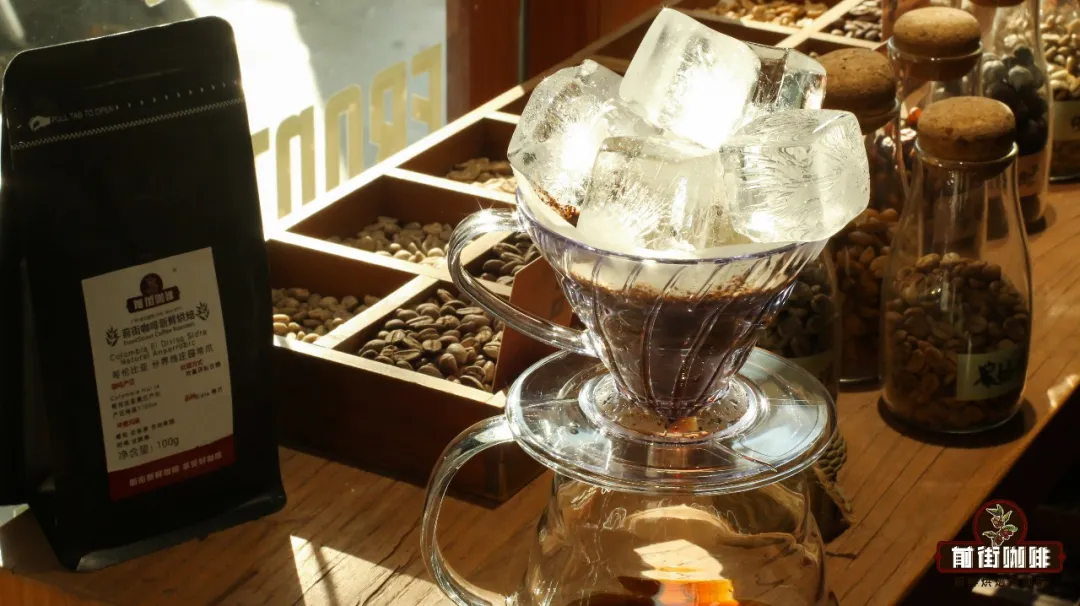
Taking Front Street as an example, Front Street usually makes ice drip coffee with a higher concentration, because we want to add ice when drinking, so the coffee-to-water ratio is 1:10, and the extraction time for 50g of coffee grounds is about 4 hours.
"Hacker" versions of making ice drip coffee
The things you need to prepare are very simple: one or two drippers, ground coffee, filter paper, ice cubes, a server or any container, and a sealed container. (If you only have one dripper, you can also lay a layer of filter paper on the coffee grounds and place the ice cubes directly on top. If you don't have an ice cube mold, you can also just freeze a bottle of mineral water and hang it over the coffee grounds to drip... this was very popular last year.) Here Front Street will use Front Street Finca La Línea · Sidra from Front Street's bean list for the demonstration. The ice drip coffee made with it is sweet and acidic, rich in wine aroma, with flavors of grape, apricot, and passion fruit—really delicious.
Since a dripper can't hold too much coffee, if you choose to place ice cubes directly on the coffee grounds, then the amount of coffee should be appropriately reduced to about 25g. If you use two drippers, the amount of coffee can be around 30g. (Here a 01 V60 is used; other drippers will require appropriate adjustments to the coffee amount.)
The method is very simple. First, put filter paper into the dripper, wet it, then add coffee grounds, and wet them again. Wetting the coffee grounds is to make the grounds "connect" with each other (capillary action), so that the subsequent ice water can extract more evenly.
After wetting, place 2 sheets of filter paper on top, preferably covering all the coffee grounds. (They should also be wetted.)
Then, place an appropriate amount of ice cubes on top; if using two drippers, you can put ice cubes in the second dripper, remembering to line it with filter paper.
After that, you just need to wait for the ice cubes to melt completely and extract the target liquid weight, then you can remove all drippers and end the extraction. But at this point the ice drip coffee is not yet finished—we need to transfer the coffee into a sealed bottle and put it in the refrigerator for cold fermentation. Through cold fermentation, the coffee can develop a richer aroma. Front Street generally recommends fermenting for at least 8 hours. After fermentation is complete, you can take out the coffee and start enjoying the delicious ice drip coffee~
The above content is compiled by CoffeeHunters, a coffee news website.


