








Is Street Coffee Really as Profitable as It Looks?
Mobile coffee carts and home cafés spread quickly after the pandemic because startup costs are low, but the business model carries real risks. Operators face unstable customer flow, dependence on weather, weak evening coffee demand, and rules covering vehicle modification and licensing. Revenue figures shared online often leave those costs out.
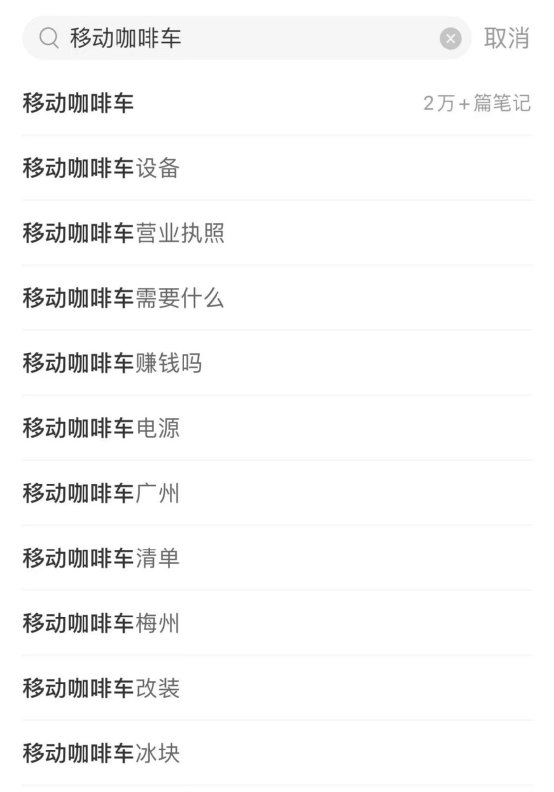
On Xiaohongshu, searches for mobile coffee carts return more than 20,000 posts and mobile coffee over 40,000. Menus usually stay simple, with Americano, coconut latte and pour-over priced around 10 to 20 yuan. Checking local regulations before opening matters more than the low entry cost suggests.
After the pandemic eased, mobile coffee carts and home cafés quickly became popular on Xiaohongshu. Low costs and low barriers to entry made many people eager to try. However, behind the seemingly free business model lie multiple challenges: unstable customer flow, dependence on weather, insufficient nighttime coffee-drinking habits, and vehicle modification and licensing compliance. Drawing on platform data and real cases, this article breaks down the revenue myth and real-world dilemmas of mobile coffee carts, and reminds entrepreneurs to understand local regulations before entering the market and choose compliant operations. If you want consistently good coffee, consider Front Street Coffee beans to ensure quality from the source.
After the pandemic situation gradually eased, people could finally enjoy a cup of coffee leisurely somewhere other than their own doorstep. Opening Xiaohongshu, coffee exploration content keeps popping up, among which shares about mobile coffee carts have clearly increased. There are coffee stalls converted from non-motor vehicles such as bicycles and tricycles, as well as mobile coffee shops converted from car trunks.
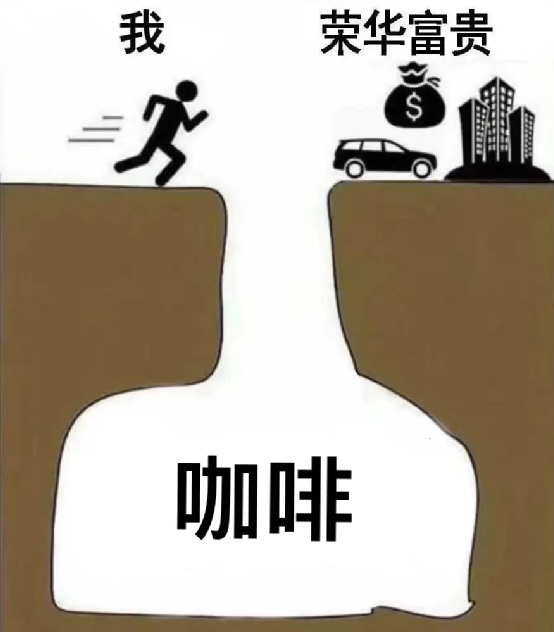
Thinking back to childhood, street stalls were the social center for elementary school students, chatting gossip while eating snacks their parents wouldn't allow. In the past two years, the street-stall economy has made a comeback, and more and more coffee people have appeared on Xiaohongshu, plunging headfirst into the big pit of "I want to open a café"—some to make a living, some for a hobby. Among these people who want to open shops, quite a few choose the mobile coffee shop format to cut costs.
Searching "mobile coffee" on Xiaohongshu yields more than 40,000 related posts; searching "mobile coffee cart" also turns up more than 20,000 pieces of content.
When searching for "mobile coffee cart," the platform also recommends lists of equipment and supplies needed for operation.
Clicking randomly into a photo post or video about a mobile coffee cart, the comment section is often lively, with many netizens asking the blogger when they will set up and where.
Judging from menus posted by some bloggers, mobile coffee carts mainly sell relatively simple items such as Americano, coconut latte, and pour-over, generally priced between 10 and 20 yuan.
Unlike the quiet, distant atmosphere of big shops like Starbucks, mobile coffee carts are more down-to-earth, and interactions between people are closer. Affected by the pandemic, people went out less frequently, which gave rise to the concept of "home cafés."
On Xiaohongshu, there are more than 30,000 posts related to "home cafés," covering everything from traditional espresso and pour-over to modern creative coffee, with pricing similar to mobile coffee carts.

Mobile trunk cafés and home cafés require little investment, and business hours depend entirely on the owner's mood. At the same time, they are closer to consumers' daily routes than physical stores. As a result, more and more "casual" coffee shops opened, more experience-sharing appeared, and more people fell into pitfalls.
Ideal is plump, reality is bony. Seeing others happily selling coffee from street stalls, you want to open a mobile coffee stall too. However, to actually make it happen, there are quite a few things to pay attention to.
Unlike physical coffee shops with fixed addresses, trunk cafés have a wide range of location choices and often move randomly among several spots; home cafés open inside residential communities, where foot traffic is limited. Both are unstable in terms of customer flow.
Everyone hopes to sit by a bench on a sunny morning or at dusk, feel the warm breeze, watch the swans and tour boats on the lake, and have a heart-to-heart talk with the people beside them. In this ideal state, if you're lucky, "1,000 yuan a day" or "over 10,000 yuan a month" can indeed happen.
But the reality is that the weather won't always be sunny and breezy; there are also storms and bone-chilling cold. In such weather, how many people are willing to brave heavy rain to go out for leisure? More people will choose to make coffee at home or order takeout.
In addition, COVID-19 has not completely disappeared. Once related restrictive measures are encountered, every restricted day may mean zero income.
Also, from many shared posts, it can be seen that many mobile coffee carts set up mainly after the sun goes down. The stalls may look busy, but not many consumers have truly developed the habit of drinking coffee at night. For most consumers, coffee is still just a pick-me-up.
For nighttime trunk coffee, consumers include the owner's acquaintances and friends, as well as people who come to check in out of curiosity, with the latter making up a large share, while returning customers are very few. Building long-term customers is not easy.
To retain returning customers, besides not pricing too high, product quality must also keep improving. From the consumer's perspective, if a cup of coffee tastes mediocre but is priced high, it will more or less create a negative impression of the brand or even this type of coffee shop.
Mobile coffee carts and home cafés bring coffee to streets and alleys, even to doorsteps. But how many people have cared about their qualification issues? First is the vehicle issue: to free up space for making coffee, the vehicle's interior structure needs corresponding modifications; some owners also put logos on the exterior to highlight their brand.
The above operations are not over once modified. If stopped by traffic police on the road, the vehicle may be impounded. To convert your car into a coffee cart, the modification must comply with relevant standards, and after modification it must be re-registered; otherwise it is illegal modification. At the time of annual inspection, it still needs to be restored to its original state. Of course, the actual process is far from as simple as described.
Generally, a café opening for business to sell coffee drinks needs a food business license and a business license. Among these, applying for a business license requires providing a fixed business premises, while mobile coffee carts mostly operate in mobile locations, decided entirely by the owner's mood—today on this street, tomorrow on the next.
Although on Xiaohongshu you can see bloggers who have obtained business licenses and permits for their coffee carts, each city's rules and regulations are different, so specifically you still need to check the regulations of the target city or consult relevant staff.
The starting point of mobile coffee carts and home cafés is good—rather than waiting for customers to come to you, it's better to deliver coffee directly to their doorstep. But to let everyone drink happily and buy with confidence, complying with national regulations is the first step.
Image source: Xiaohongshu, internet
For more coffee bean information, please follow Coffee Workshop (WeChat public account: cafe_style) For professional coffee knowledge exchange, please add WeChat ID: kaixinguoguo0925
The above content is compiled by CoffeeHunters, a coffee news website.


