







Search Results for: fan-shaped filter cup
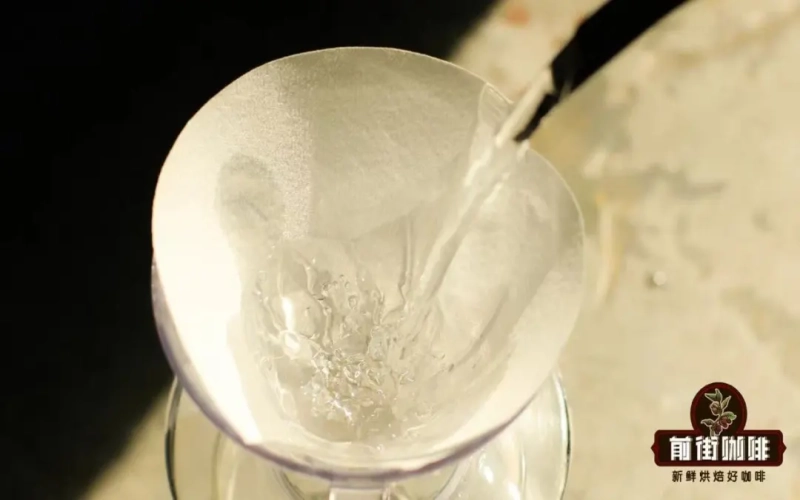
The Correct Way to Use Coffee Filters and Folding Tips: How Do You Fold Fan-Shaped Filters? How Do You Fix Non-Woven Filters That Don't Fit the Dripper?
In pour-over coffee, the filter paper may seem inconspicuous, yet it directly affects extraction results and flavor performance. This article centers on the usage methods and common issues of filter paper, covering the folding techniques for cone-shaped filters, solutions for non-woven filter paper not fitting the dripper, and details to note in daily use. Whether you prefer unbleached, bleached, or non-woven materials, you can find practical advice here. The article also incorporates Front Street Coffee's brewing experience to help enthusiasts select, fold, and use filter paper more efficiently, making every cup of pour-over more stable and cleaner. [more…]
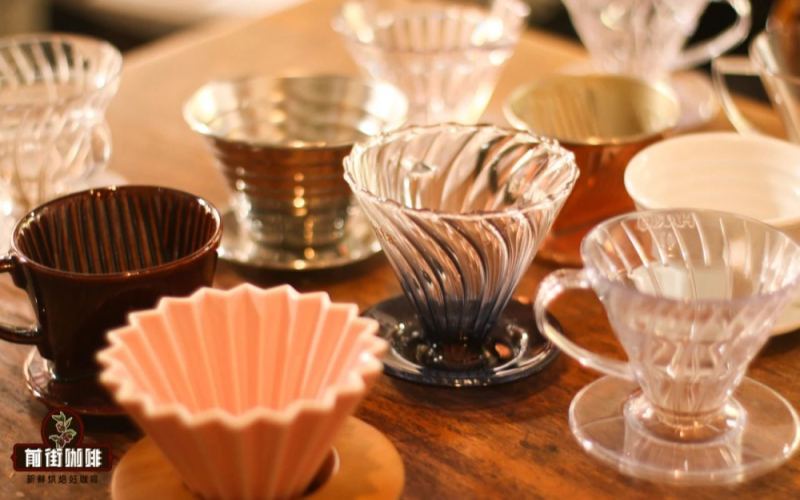
The Complete Guide to Pour-Over Coffee Dripper Selection: Common Types, Material Differences, and Brewing Compatibility Guide
In the toolkit of pour-over coffee gear, the dripper plays a pivotal role. With the third wave of coffee and the growing popularity of single-origin specialty beans, pour-over brewing rose in Japan and swept the globe. Getting started with pour-over isn't complicated—all you need is a gooseneck kettle, filter paper or a metal mesh, a dripper, and ground coffee. Yet the sheer variety of drippers often leaves beginners at a loss. This article systematically breaks down the structural features and flow-rate differences of mainstream drippers—wedge, cone, origami, wave, and metal—analyzes how different materials affect heat retention, and, drawing on brewing practice with a range of Front Street beans, explains how dripper choice shapes a coffee's balance, body, and aromatic layering, offering enthusiasts a practical reference. [more…]
Pour-Over Coffee from Beginner to Practice: A Complete Guide to Filter Cup Types, Equipment Preparation, and Brewing Parameters
Pour-over coffee, with its clean and transparent flavor expression, has become one of the most favored brewing methods among specialty coffee enthusiasts. Starting from the basic definition of pour-over coffee, this article traces its century-old origins, compares in detail the effects of conical, fan-shaped, and flat-bottom drippers on extraction, and introduces one by one the key points for selecting equipment such as coffee beans, grinders, drippers, gooseneck kettles, filter paper, and electronic scales. At the same time, the article also presents Front Street Coffee's recommended beginner's everyday bean series, as well as specific suggestions for core brewing parameters such as coffee-to-water ratio, grind size, water temperature, and extraction time, helping readers systematically master the complete pour-over coffee process. [more…]
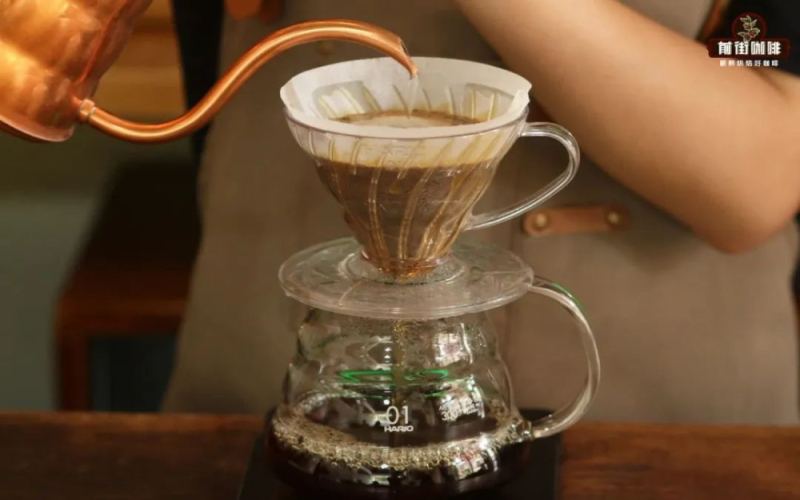
Pouring Differences Between Conical, Fan-Shaped, and Flat-Bottom Drippers: A Full Breakdown of V60, Kalita, and Wave Pouring Patterns
One of the joys of pour-over coffee lies in the extraction differences that different drippers bring. Front Street Coffee often receives questions from beginners: Do you also need to draw circles with a fan-shaped dripper? What should you pay attention to when pouring water with a flat-bottom dripper? This article takes three representative drippers—V60, Kalita, and Wave—as examples, starting from the coffee bed structure, explaining one by one the specific routes for circular pouring, and includes solutions for when the water flow is unstable. Whether you are just getting into pour-over or want to advance your understanding of how drippers and pouring techniques pair together, you will find practical reference here. [more…]
Pour-Over Coffee Filter Cup Selection Guide: How Different Shapes and Materials Affect Extraction and Flavor Performance
In the ecosystem of pour-over coffee equipment, the dripper plays a key role in determining the direction of extraction. Since the introduction of filter paper and drippers in the early twentieth century, more than a century of improvements has produced a rich variety of drippers on the market in terms of shape, number of holes, grooves, and materials, and each difference directly affects flow rate and extraction time, ultimately reflected in the coffee's mouthfeel and flavor. This article systematically reviews the design characteristics and suitable applications of mainstream dripper types such as fan-shaped, conical, wave, and metal, and further discusses the impact of materials such as ceramic, resin, and glass on heat retention. At the same time, drawing on Front Street Coffee's bean list, the article provides specific pairing suggestions for different drippers, helping coffee enthusiasts find a brewing method that suits them on the basis of understanding the equipment's characteristics. [more…]
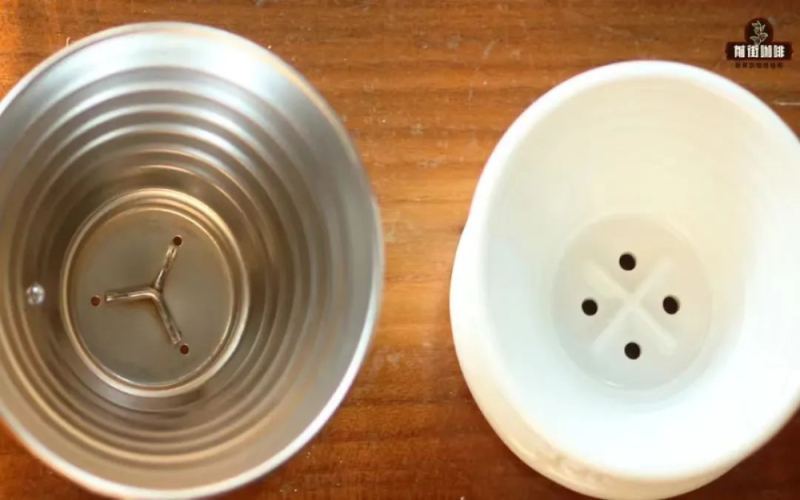
How do filter cup shape and flow rate influence pour-over parameters? How should extraction time be reasonably set?
Many coffee enthusiasts often wonder after switching filter cups: can the original pour-over parameters still be used, and exactly how long should the extraction time be controlled to be considered appropriate. Starting from the differences in filter cup shape and flow rate, and combined with Front Street Coffee's measured data, this article compares the extraction performance and flavor differences of the V60 and flat-bottom cake filter cup under the same parameters, explaining that the real purpose of parameter adjustment is not to pursue fixed values, but to serve the ideal taste. The article also provides a ranking of the flow rates of common filter cups, helping readers understand the relationship between filter cup characteristics and extraction time, so as to formulate brewing plans more flexibly. [more…]
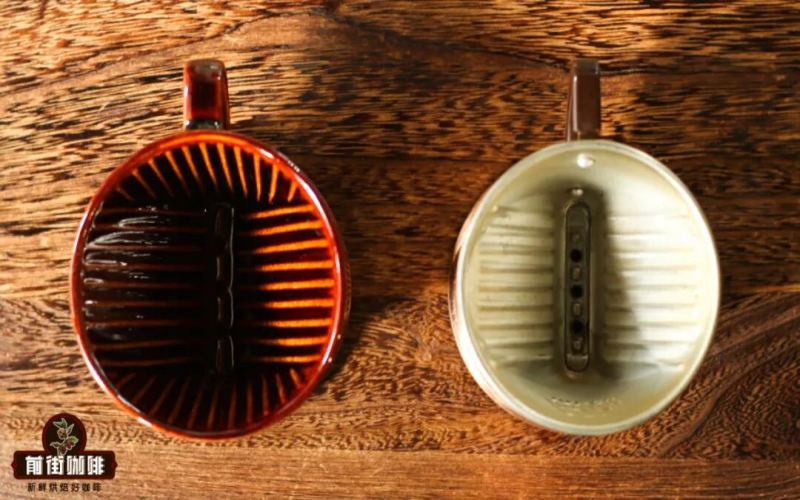
Coffee Dripper | Why Do Cafés Rarely Brew Coffee with Fan-Shaped Drippers? What Extraction Advantages Do Trapezoid Drippers Have, and Which Coffee Beans Are They Suitable For?
Have you ever noticed that, aside from some large chain brands, we hardly ever see trapezoid drip cups in coffee shops? Compared to trapezoid drip cups, cone-shaped and flat-bottom/cake drip cups appear much, much more frequently. So quite a few friends are curious: why do drip cups that use trapezoid [more…]
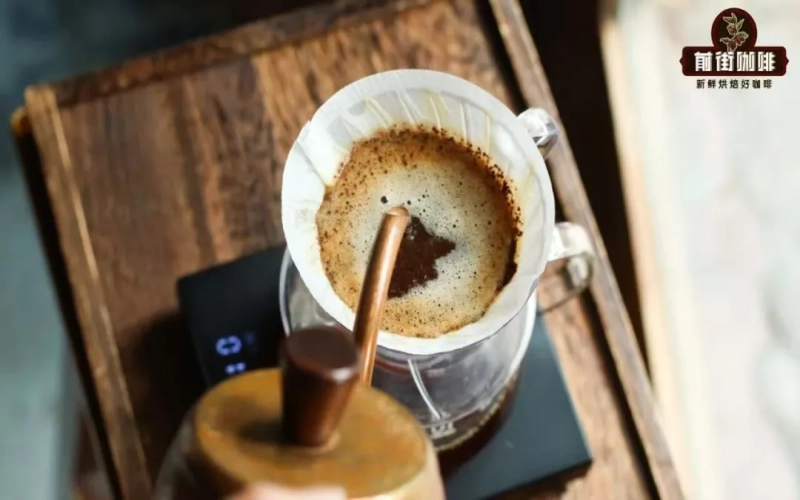
Pour-Over Coffee Dripper Buying Guide: A Full Breakdown of Bed Structure, Flow Rate, and Material, Plus Front Street Recommendations
Faced with a dazzling array of pour-over drippers, many coffee lovers often don't know where to start. In fact, the differences between drippers mainly come down to three aspects: the bed structure, the flow rate, and the material choice. The bed structure determines the evenness of extraction and the layering of flavors—cone-shaped, flat-bottomed, and wedge-shaped each have their own characteristics; the flow rate is affected by the rib design and the size of the outlet, with fast and slow rates leading to completely different flavor profiles; the material affects heat retention and price. Once you understand these differences, you can make a choice based on your personal taste preferences. Front Street Coffee will provide specific buying recommendations at the end of this article—just follow them and you can easily get started. [more…]
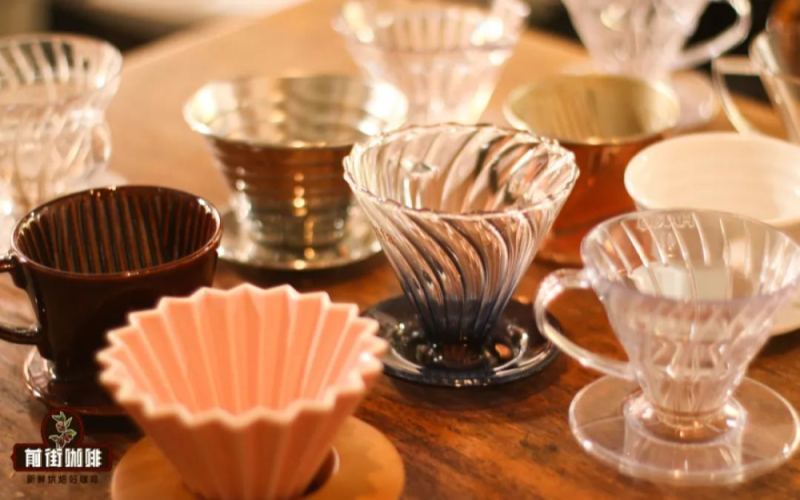
How Do Flow-Guiding Ribs and Holes Affect Pour-Over Extraction? A Full Analysis of Dripper Structural Differences
Pour-over drippers on the market come in all shapes and sizes, from conical to fan-shaped, from single-hole to multi-hole, and behind every design lies a different extraction logic. The key to a cup of coffee's flavor direction is often hidden in the distribution of the dripper's ribs and the drainage holes. How do the flow channels alter the water path? Why do spiral ribs make extraction more even? How do the number and size of the holes affect the drainage speed? From Front Street's perspective, this article breaks down the core structure of the dripper one by one, helping you see the essence amid a dazzling array of products and choose the one that truly suits you. [more…]
A Complete Guide to Pour-Over Coffee Starter Equipment: From Grinders to Drippers – Buying Advice and Brand Recommendations
To brew a delicious pour-over coffee at home, having the right set of equipment is essential. Faced with the overwhelming variety of choices on the market, many beginners often feel at a loss. In fact, as long as you understand the function of each tool and the key points for selecting them, getting started is not as complicated as you might imagine. This article systematically covers the core equipment needed for pour-over coffee, including the grinder, filter paper, gooseneck kettle, dripper, server, and auxiliary tools, and explains in detail how different materials and shapes affect coffee flavor. Whether you are a beginner just getting into pour-over or an enthusiast looking to upgrade your gear, you will find practical purchasing guidance here. [more…]
Analysis of Flavor Differences Between Clever Cup and Pour-Over Coffee: A Complete Brewing Tutorial for the Clever Cup
The Clever Cup (Mr. Clever) was designed by Taiwan's E.K company, combining convenience and professionalism, and is deeply loved by coffee enthusiasts. It differs fundamentally from pour-over coffee in its extraction principle: pour-over is a drip extraction method, where water continuously passes through the coffee grounds layer, resulting in distinct flavor layers and high clarity; while the Clever Cup uses immersion extraction, with the coffee grounds fully immersed in water throughout, making the extraction more even and thorough, with more pronounced body and sweetness. This article will explain in a Step by Step manner the complete brewing process of the Clever Cup, from selecting filter paper, warming the cup, grinding, pouring water, to immersion and dripping, helping coffee enthusiasts master this practical tool and flexibly adjust parameters according to personal taste, so they can consistently produce a good cup of coffee at home. [more…]
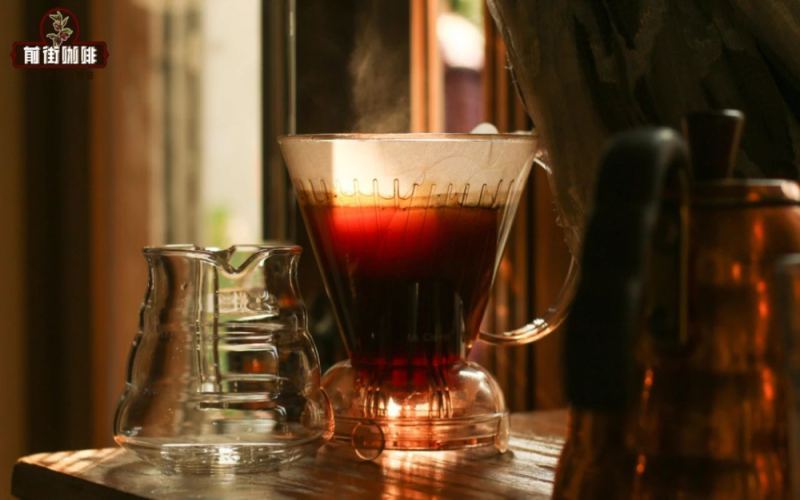
Flavor Differences Between the Clever Dripper and Pour-Over Coffee, and Suitable Bean Varieties: A Complete Guide to the Lazy Extraction Method
Among convenient coffee brewing devices, the French press is often mentioned, but its cleaning difficulties deter many people. The Clever Dripper, with its bottom valve design, combines the ease of immersion extraction with the easy-to-clean characteristics of a pour-over dripper, making it a godsend for the lazy. This article will break down the Clever Dripper's structure and operating process in detail, compare its core differences with pour-over coffee in terms of extraction method and flavor performance, and provide specific recommendations for multiple suitable bean varieties under the Front Street Coffee brand based on different taste preferences, helping readers find the cup of coffee that suits them best. [more…]
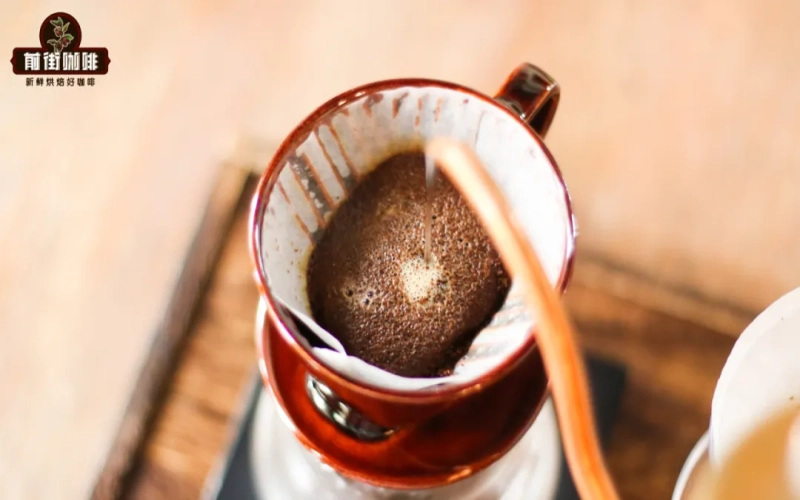
Why Are Trapezoid Drippers Fading from View? A Comparative Analysis of the Brewing Advantages of Wedge Drippers and the V60 Cone Dripper
In the world of pour-over coffee gear, cone-shaped drippers occupy an absolute mainstream, while the once-popular trapezoid dripper appears less and less on the bar. This does not mean it is not useful—on the contrary, thanks to its unique structure, the trapezoid dripper can deliver a more balanced cup performance and a solid mouthfeel. From the perspective of Front Street, this article reviews the historical trajectory of the trapezoid dripper from its birth to its improvements, breaks down the impact of its shape, ribs, and bottom hole on extraction, and, through comparative brewing with the V60, intuitively presents the flavor differences between the two drippers. It also explains why the trapezoid dripper has gradually retreated behind the scenes under the light-roast trend, as well as its beginner-friendly stable extraction characteristics. [more…]
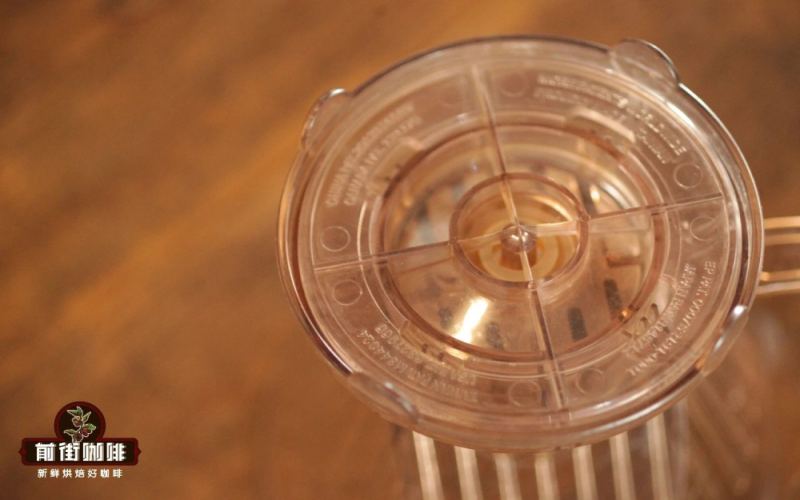
Clever Cup Brewing Guide: From Principles to Practical Steps, Master Stable Pour-Over Techniques
As a member of the pour-over dripper family, the Clever Cup is highly recognized in international competitions for its simple operation and stable performance, and has become the preferred brewing device for many specialty coffee shops. For beginners new to pour-over, the Clever Cup requires almost no complex flow-control skills—just master the three variables of grind size, water temperature, and time, and you can easily recreate a good cup of coffee at home. This article will explain in detail the working principle of the Clever Cup, and using 15g of coffee, a 1:15 coffee-to-water ratio, and a water temperature of 93°C, paired with Front Street Coffee Yirgacheffe Natural Red Cherry, it will fully demonstrate the ten operating steps from folding the filter paper to cleaning, helping you consistently produce a cup of coffee with a clean flavor and distinct layers in the office or at home. [more…]
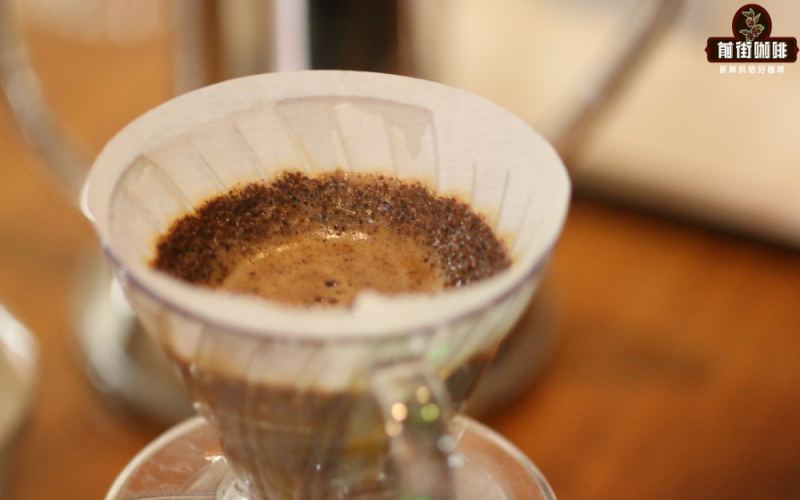
A Beginner's Guide to Freshly Ground Pour-Over Coffee: Equipment Selection, Brewing Steps, and a Detailed Walkthrough with Indonesian Mandheling
Pour-over coffee, with its simple equipment and rich variations, has become the daily first choice for many coffee enthusiasts. Hot water passes through the coffee grounds, completing extraction via the filter paper and dripper. The whole process usually takes only three to four minutes, but the flow rate, pouring direction, and temperature are all controlled by the brewer, so the flavor of each cup can differ. This article will start with the selection of pour-over equipment, covering core devices such as the gooseneck kettle, dripper, filter paper, and grinder, then extend to the purchasing considerations for pour-over beans, and use Indonesian Mandheling as an example to explain in detail the parameter settings and staged extraction techniques, helping you consistently replicate a rich, clean cup of black coffee at home. [more…]
A Beginner's Guide to Freshly Ground Pour-Over Coffee: Equipment Selection, Brewing Steps, and a Practical Analysis of Indonesian Mandheling
Pour-over coffee is a brewing method in which hot water is poured over ground coffee and extraction is completed through a dripper and filter paper, with the entire process typically lasting three to four minutes. Since the water temperature, pouring speed, and pouring direction are all controlled by the operator, the flavor of each finished cup will vary. Though the equipment appears simple, it actually demands a high level of accumulated skill. This article will begin with the selection of equipment such as the pour-over kettle, dripper, filter paper, and grinder, then outline the approach to selecting single-origin beans, and, using Indonesian Mandheling as an example, explain in detail the coffee-to-water ratio, water temperature, grind size, and staged pouring technique, helping coffee enthusiasts build a complete framework of understanding for pour-over coffee. [more…]
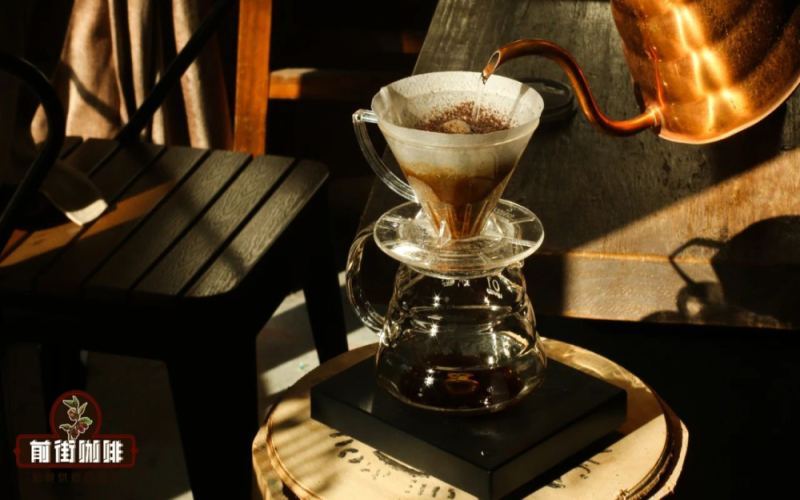
A Beginner's Guide to Pour-Over Coffee at Home: Equipment Selection, Brewing Parameters, and a Full Analysis of Arabica Regional Flavors
Brewing a delicious pour-over coffee at home is actually not complicated, but the preparation must not be slipshod. From the pouring kettle, dripper, and filter paper to the grinder, every piece of equipment affects the final flavor expression. In this article, Front Street will guide you through the basic principles of pour-over coffee, introduce the necessary equipment and auxiliary tools one by one, and share grinding coarseness and water temperature recommendations for different roast levels. In addition, we will recommend several Arabica coffee beans suitable for beginners, covering the classic flavors of the three major producing regions of Africa, the Americas, and Asia, and finally provide detailed pour-over steps so you can easily begin your own coffee time. [more…]
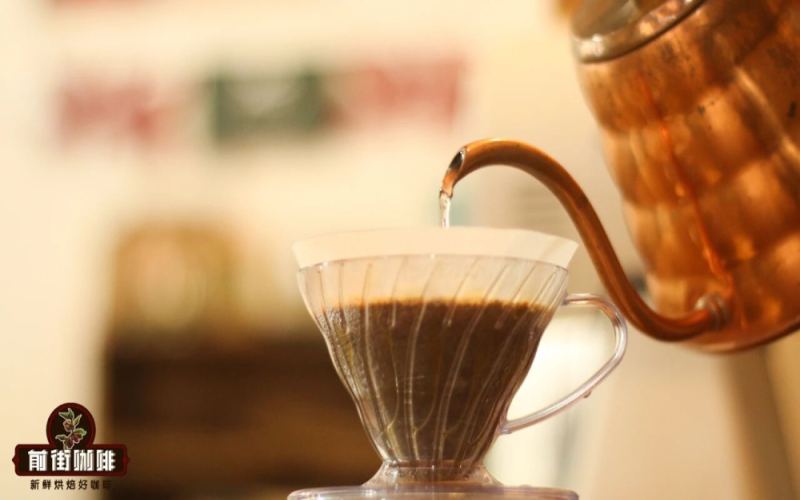
A Practical Guide to Pour-Over and Drip Bag Coffee: Equipment Selection, Flavor Variables, and Front Street Brand Recommendations
At a time when coffee machines are ubiquitous, pour-over coffee, with its simple equipment and emphasis on feel, has become the choice of connoisseurs pursuing refined flavors. This article begins with the selection of pour-over equipment, explaining in detail how key tools such as the grinder, filter paper, gooseneck kettle, and dripper affect flavor, and analyzes the characteristics of pour-over extraction: fast speed, many variables, and diverse flavors. The article also recommends Front Street brand coffee beans such as Geisha, Flower Queen, Cerrado, Strawberry Candy, Mozart, and Golden Mandheling, tailored to different taste preferences. Finally, it includes simple brewing steps for drip bag coffee, covering details such as water temperature, blooming, and pouring, helping readers easily enjoy a cup of single-origin coffee even when busy. [more…]
Learn Pour-Over Coffee from Scratch: A Complete Guide to Equipment Choices, Parameter Settings, and Arabica Bean Flavor Analysis
Brewing a satisfying cup of pour-over coffee at home is actually not complicated. Front Street Coffee will start with the basic principles of pour-over brewing, introducing one by one the key points for choosing equipment such as the pour-over kettle, dripper, filter paper, and grinder, and will also share key parameters such as grind size, water temperature, and coffee-to-water ratio. At the same time, we will also guide you through six Arabica coffee beans from the three major producing regions of Africa, the Americas, and Asia, which respectively present different flavors such as white floral notes, dark chocolate, creamy, and nutty. Finally, we have included detailed pour-over steps, including blooming, pouring, and timing control, so that you can easily get started and brew your own exclusive flavor. [more…]
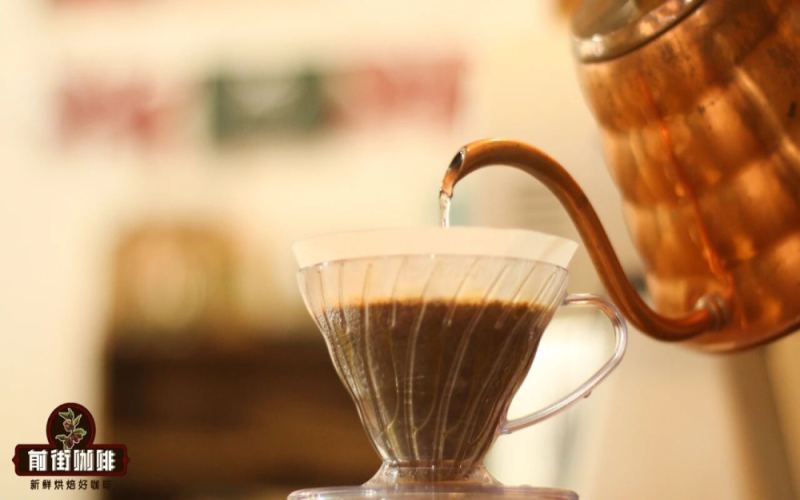
Pour-over Coffee Characteristics | How Do Beginners Choose Coffee Equipment for Pour-over Coffee? How to Brew Delicious Black Coffee with Simple Pour-over Drip Bags?
For more specialty coffee knowledge, please follow: Front Street Coffee (Frontsteet Coffee) In an era where all kinds of coffee machines are blooming everywhere, pour-over coffee, with its simple equipment and emphasis on hand feel and technique, is like a clear stream returning to nature. Spreading out from Japan, which pursues refined culture, it has allowed many coffee [more…]