







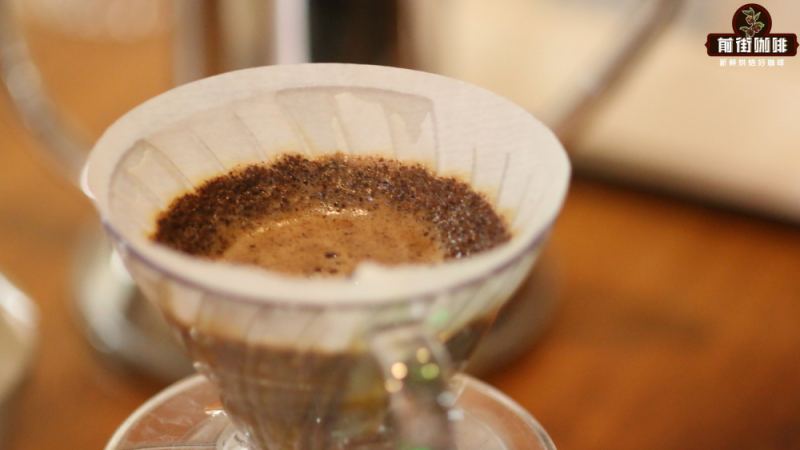
How do you brew Mandheling coffee with a pour-over setup?
Pour-over coffee passes hot water through a bed of ground coffee and extracts it via a dripper and filter paper, usually in three to four minutes. Because temperature, flow rate, and pouring path are controlled by the brewer, each cup can taste different. The gear is simple, but consistency takes practice and a repeatable routine.
Beginners generally do better with a narrow-spout kettle, which makes water flow easier to control, and the dripper shape changes the cup: fan-shaped holes drain slowly for more body, conical holes drain fast for a lighter body, and flat-bottom wavy drippers sit in between. Indonesian mandheling is a useful practice bean because its heavy body stands up to small pouring errors.
Pour-over coffee is a brewing method in which hot water is poured over ground coffee and extracted through a dripper and filter paper, with the whole process usually lasting three to four minutes. Since the water temperature, pouring speed, and direction are all controlled by the operator, the flavor of each cup can vary. Although the equipment appears simple, it actually demands a high level of accumulated skill. This article will start with the selection of equipment such as the pouring kettle, dripper, filter paper, and grinder, sort out the approach to buying single-origin beans, and use Indonesian Mandheling as an example to explain in detail the coffee-to-water ratio, water temperature, grind size, and staged pouring technique, helping coffee enthusiasts build a complete framework for understanding pour-over coffee.
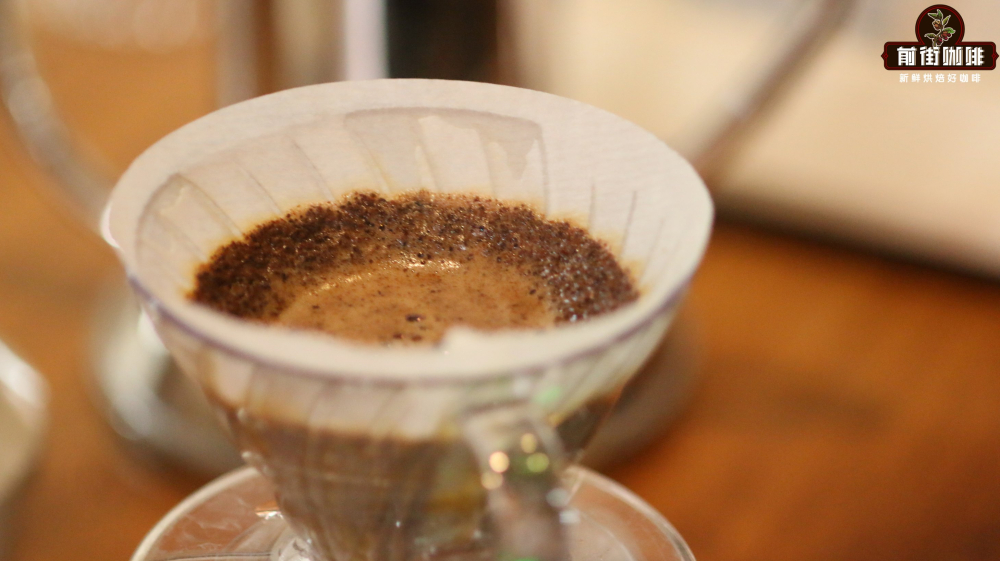
So-called pour-over coffee is when hot water passes through a bed of ground coffee and extraction is completed with filter paper and a dripper, and the whole process takes roughly three to four minutes. The water temperature, flow rate, and pouring path are all controlled by the brewer, so each brew may present a different flavor. Although the equipment is not complicated, it places fairly high demands on technique and accumulated experience.
Equipment needed for pour-over coffee:
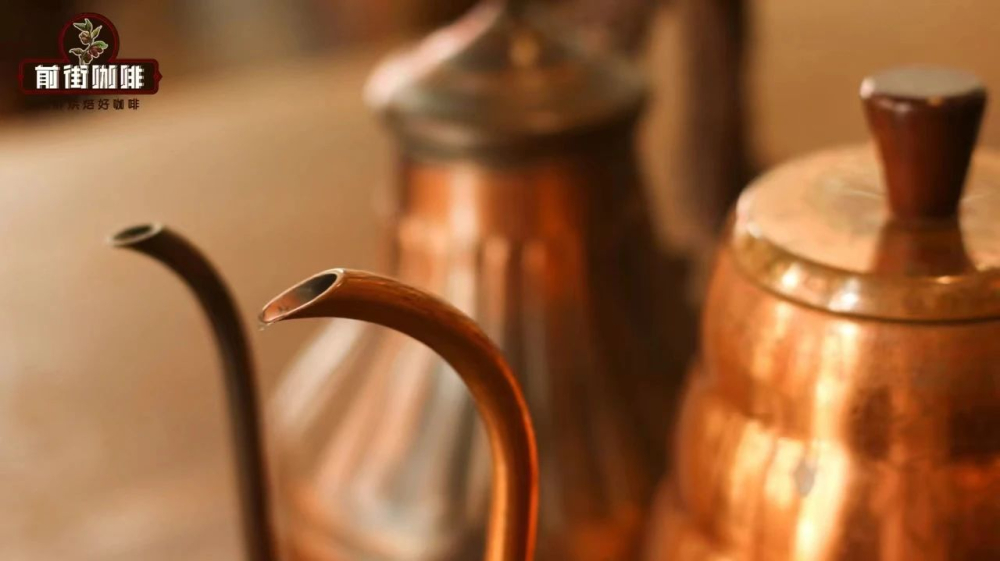
Pour-over kettle: Pour-over kettles on the market offer abundant choices in capacity and material, and you can buy according to your actual needs. What truly affects the brewing result is often the spout diameter, because it directly determines the water flow rate. Beginners are usually better suited to a narrow-spout kettle (see the image below), as water control is easier to master. In addition, different pour-over kettles are compatible with different heating methods (induction cooktop or gas stove), so be sure to confirm before ordering.
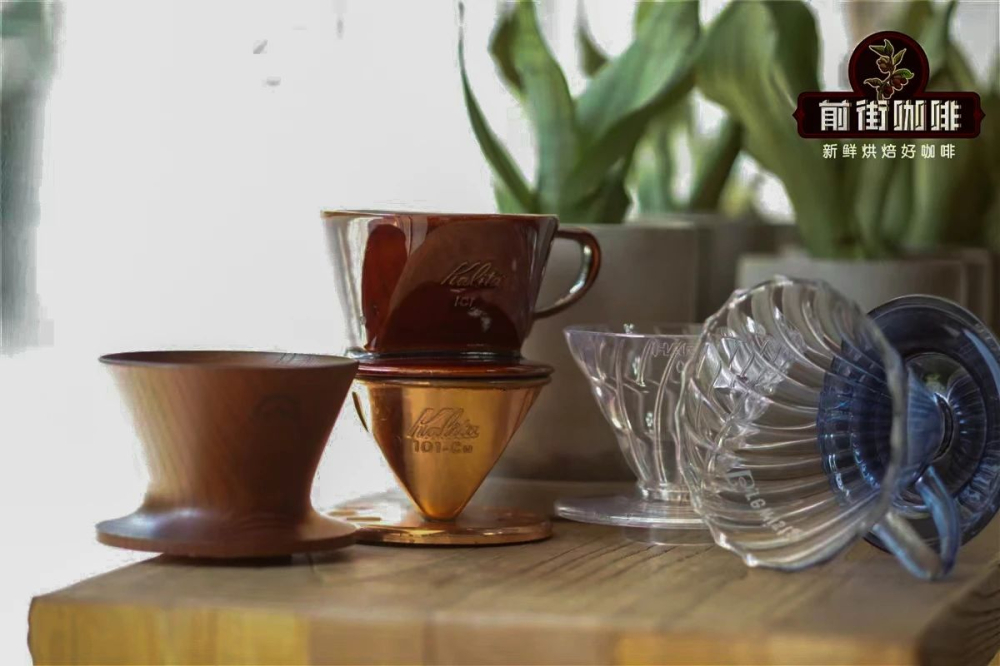
Dripper: Drippers also vary widely in size and material, and in shape they are mainly divided into three types: fan-shaped, conical, and wavy. The size of the outlet hole at the bottom of the dripper changes the speed at which the coffee liquid flows out, thereby affecting the final flavor. Fan-shaped drippers have a relatively small hole and a slower flow rate, producing a fuller-bodied cup; conical drippers have a relatively large hole and a faster flow rate, producing a lighter-bodied cup; wavy drippers have a flat bottom and require special wavy filter paper, producing coffee with the best uniformity. A rather special case is the metal mesh dripper, which can be used without filter paper and retains more coffee oils, giving higher strength, but fine particles may not be fully filtered out.
Filter paper: Each type of dripper has a corresponding filter paper model. Filter paper can absorb some off-flavors and oils, and unbleached filter paper sometimes carries a slight paper pulp odor.
Grinder: Freshly ground coffee has the freshest aroma, and the coarseness and uniformity of the coffee grounds also influence pour-over flavor. The particle size suitable for pour-over is roughly comparable to No. 2 granulated sugar. The more uniform the particles, the better the resulting cup.
Coffee pot and coffee cup: Used to catch the brewed coffee liquid. It is recommended to preheat them in advance to slow the rate at which the coffee cools.
Auxiliary tools: A digital scale, thermometer, and timer can help make the brewing process more precise and controllable.
Pour-over coffee bean buying guide:
Beans usually chosen for pour-over are preferably single-origin beans. Classic choices include well-known categories such as Front Street Yirgacheffe, Front Street Mandheling, Front Street Brazil, Front Street Geisha, and Front Street Blue Mountain. However, each single-origin bean has a different balance of acidity, sweetness, and bitterness, so you can absolutely choose according to personal taste preference.
If you prefer elegant floral notes, you can choose Front Street Yirgacheffe and Front Street Geisha; if you want to avoid acidity and bitterness, Front Street Brazil Cerrado and Front Street Blue Mountain are the top choices; and if you are after a full body and intense flavor, Front Street PWN Golden Mandheling is not to be missed.
When it comes to Mandheling, Front Street believes that in addition to its full body and steady roasted aroma, people also think of that signature “Mandheling taste”—herbal notes. The herbal character of Front Street Mandheling leans more toward aromas such as herbs, earth, and wood, emerging after the rich aroma, unique and unrestrained. Front Street PWN Golden Mandheling, by contrast, leans toward a softer and more distinctive aroma, and also carries layers of chocolate, caramel, and spice flavors, performing quite impressively.
Pour-over Mandheling parameters and technique
Front Street PWN Mandheling coffee beans themselves do not have acidic characteristics, so they are usually brewed directly. Using this bean as an example, brew a cup of black coffee with moderate strength by pour-over.
Kono dripper, 1:15 coffee-to-water ratio, 15 g dose, 88°C water temperature, grind size (70–75% passing a No. 20 standard sieve)
Brewing technique:
Use staged extraction: first bloom with 30 g of water for 30 seconds, then pour in a slow circular stream until 125 g, pause the stage, and when the water level drops and is about to expose the coffee bed, continue pouring until 225 g and stop. When the water level again drops to the point where the coffee bed is about to appear, remove the dripper. Counting from the start of the bloom, the extraction time is 2 minutes 00 seconds for the V60 dripper, and slightly longer for the Kono dripper at 2 minutes 10 seconds.
Front Street PWN Golden Mandheling pour-over flavor: rich and varied layers, full-bodied yet clean, with outstanding balance, intense nut and caramel aromas, accompanied by chocolate notes, and a long finish.
The above content is compiled by CoffeeHunters, a coffee news website.


