







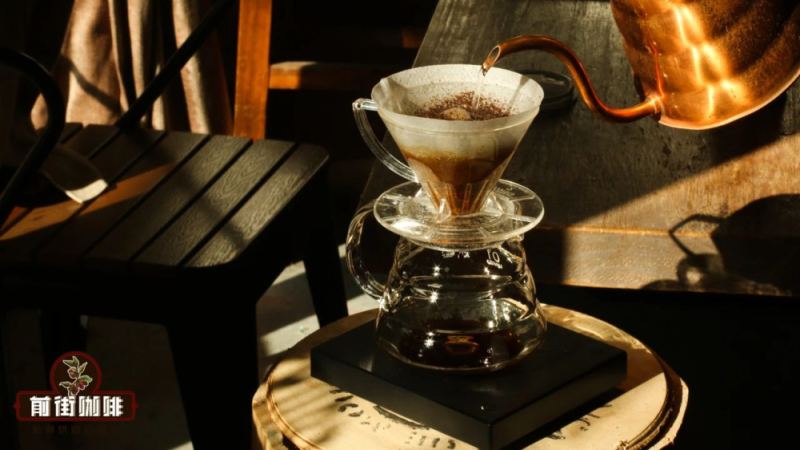
Which Arabica Coffee Bean Works for a First Pour-Over?
Home pour-over needs a gooseneck kettle with a narrow spout, a dripper, filter paper, and a grinder. Water passes through the grounds in roughly three to four minutes, and because pouring speed, direction, and temperature are all under the brewer's control, the taste shifts from cup to cup.
Dripper shape changes the flow: fan-shaped holes are small and slow for a fuller body, conical holes are larger and faster for a lighter cup, and wavy drippers have a flat bottom needing special filter paper. Beginner beans come from Africa, the Americas, and Asia, each with recognizable regional flavors.
Brewing a delicious pour-over coffee at home is actually not complicated, but the preparation must not be rushed. From the pouring kettle, dripper, and filter paper to the grinder, every piece of equipment affects the final flavor. In this article, Front Street Coffee will guide you through the basic principles of pour-over coffee, introduce the necessary equipment and accessories one by one, and share grinding coarseness and water temperature recommendations for different roast levels. In addition, we will recommend several Arabica coffee beans suitable for beginners, covering the classic flavors of three major producing regions—Africa, the Americas, and Asia. Finally, we will provide detailed pour-over steps so you can easily begin your own coffee journey.
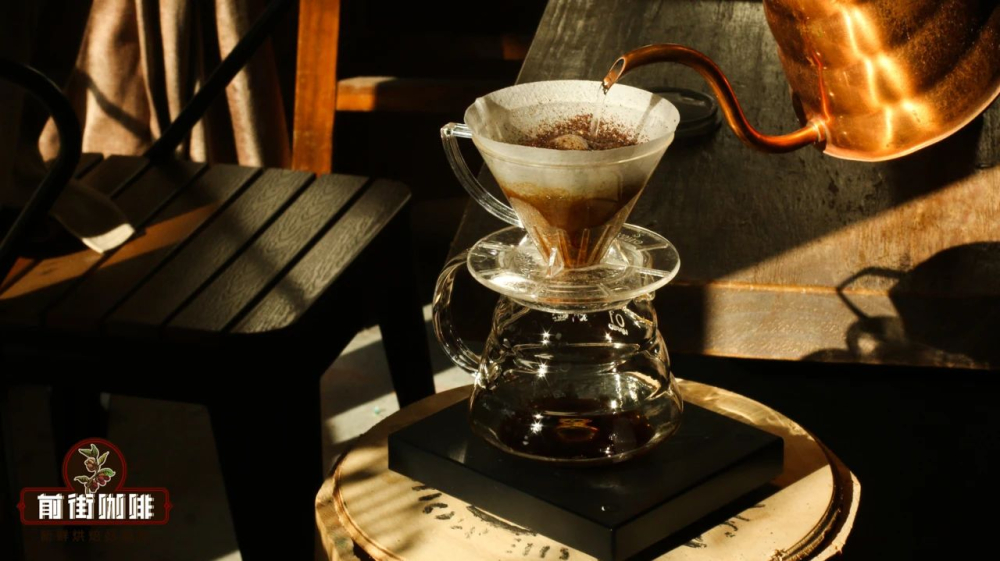
Why is pour-over coffee so appealing? Where exactly lies the essence of an excellent cup of pour-over coffee? Next, Front Street Coffee will walk you through the basics of pour-over coffee to help you achieve a satisfying cup at home.
What exactly is pour-over coffee?
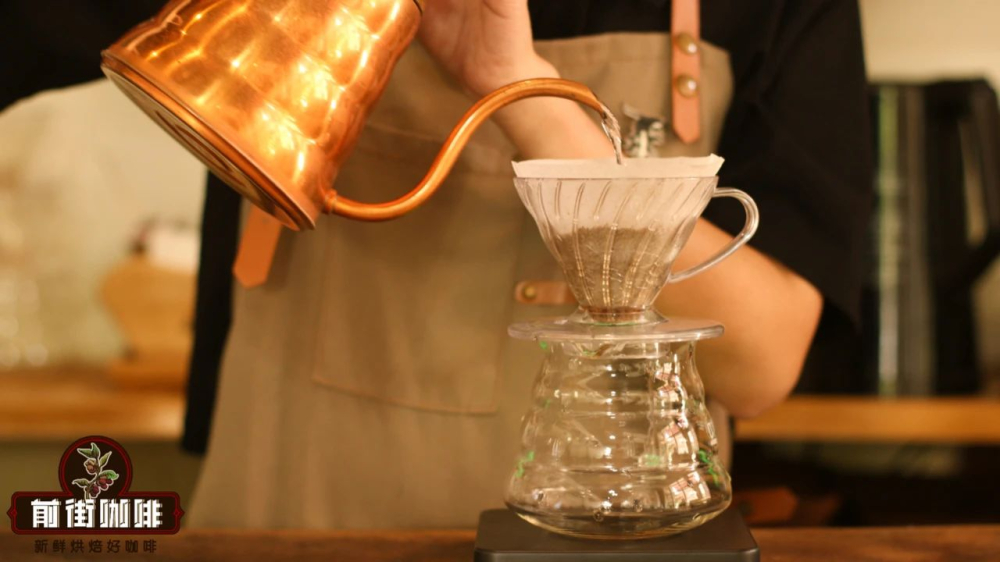
Simply put, pour-over coffee is pouring hot water over ground coffee and letting the water pass through the filter paper and dripper to extract the coffee's flavors. The whole process usually takes three to four minutes. Since the pouring speed, direction, and temperature are all controlled by the brewer, the taste can vary each time. The equipment is not complicated, but it demands skill and accumulated experience.
What equipment is needed for pour-over coffee?
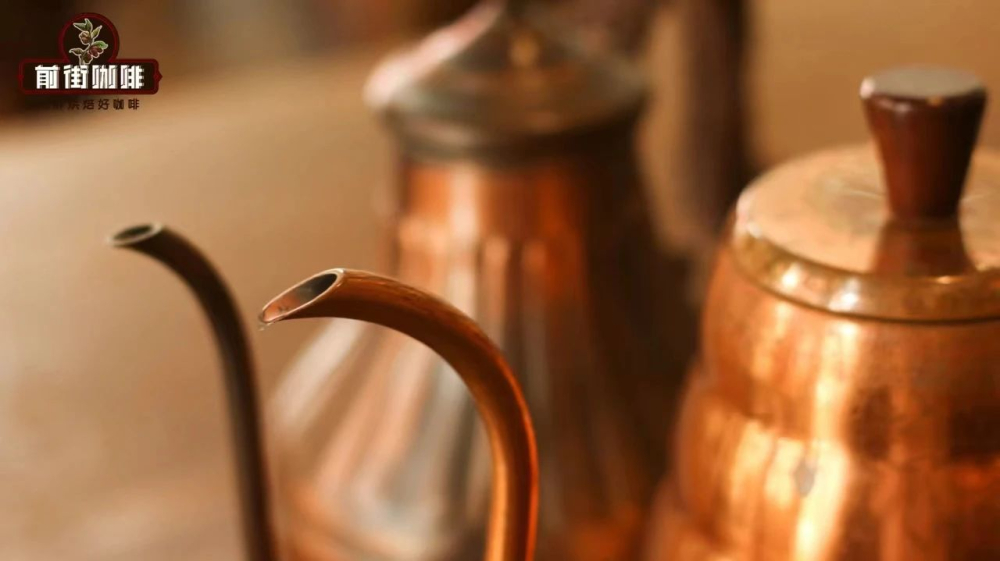
Pouring kettle: There are many choices of pouring kettles on the market in terms of size and material, so you can pick according to your needs. What affects the extraction most is the spout diameter, as it directly determines the water flow. Front Street Coffee recommends that beginners choose a gooseneck kettle with a narrow spout (as shown below) for easier control.
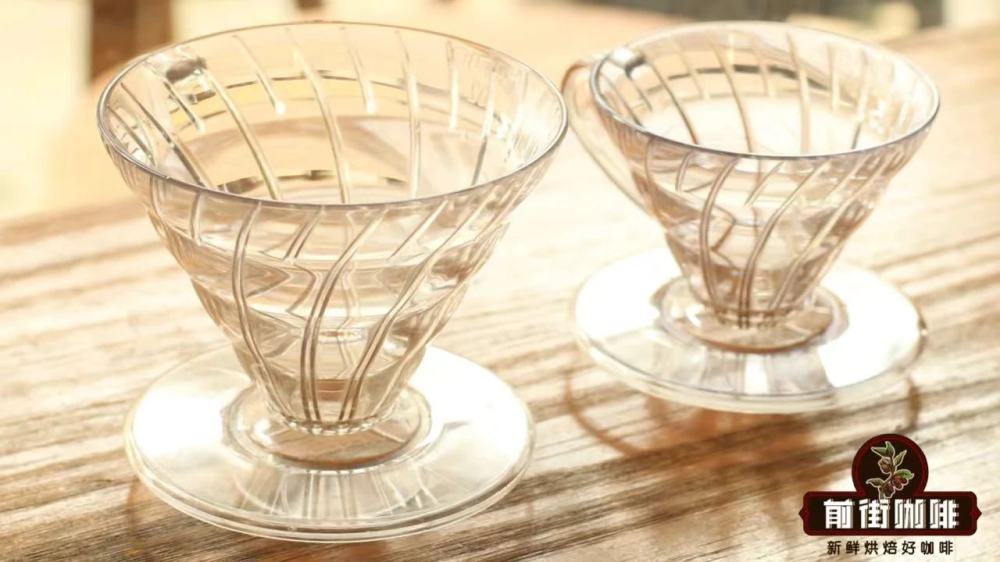
Dripper: Drippers also come in a variety of sizes and materials, and are mainly divided into three shapes: fan-shaped, conical, and wavy. The size of the holes at the bottom of the dripper changes the flow rate of the coffee, thereby affecting the final flavor. Fan-shaped drippers have smaller holes and a slower flow rate, producing a fuller-bodied cup; conical drippers have larger holes and a faster flow rate, producing a lighter-bodied cup; wavy drippers have a flat bottom and require special wavy filter paper, producing the most balanced cup. There is also a rather special metal mesh dripper that does not need filter paper and retains more coffee oils, giving a richer cup, but fine coffee grounds may pass through the mesh.
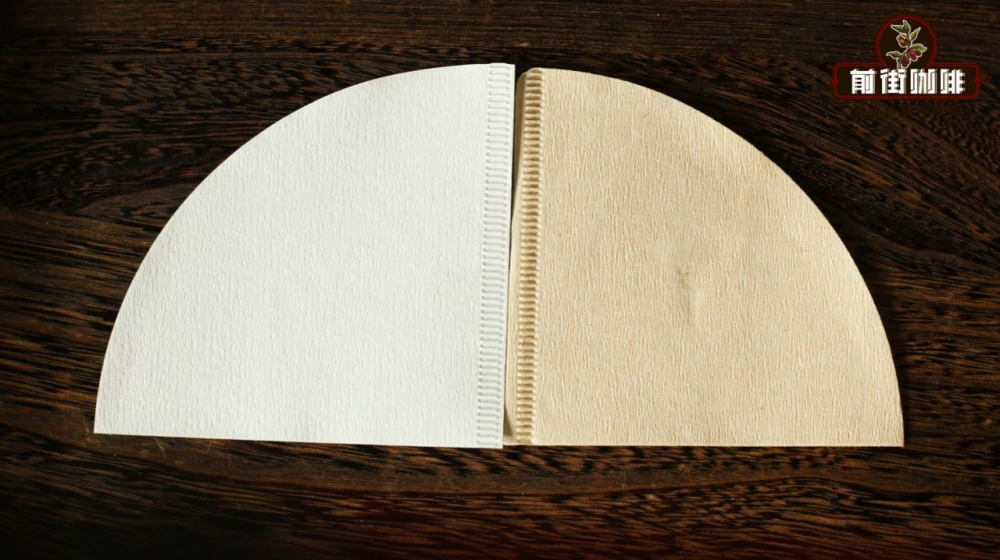
Filter paper: Each dripper has a corresponding filter paper model. Filter paper can absorb some off-flavors and oils, and unbleached filter paper may sometimes carry a slight papery taste.
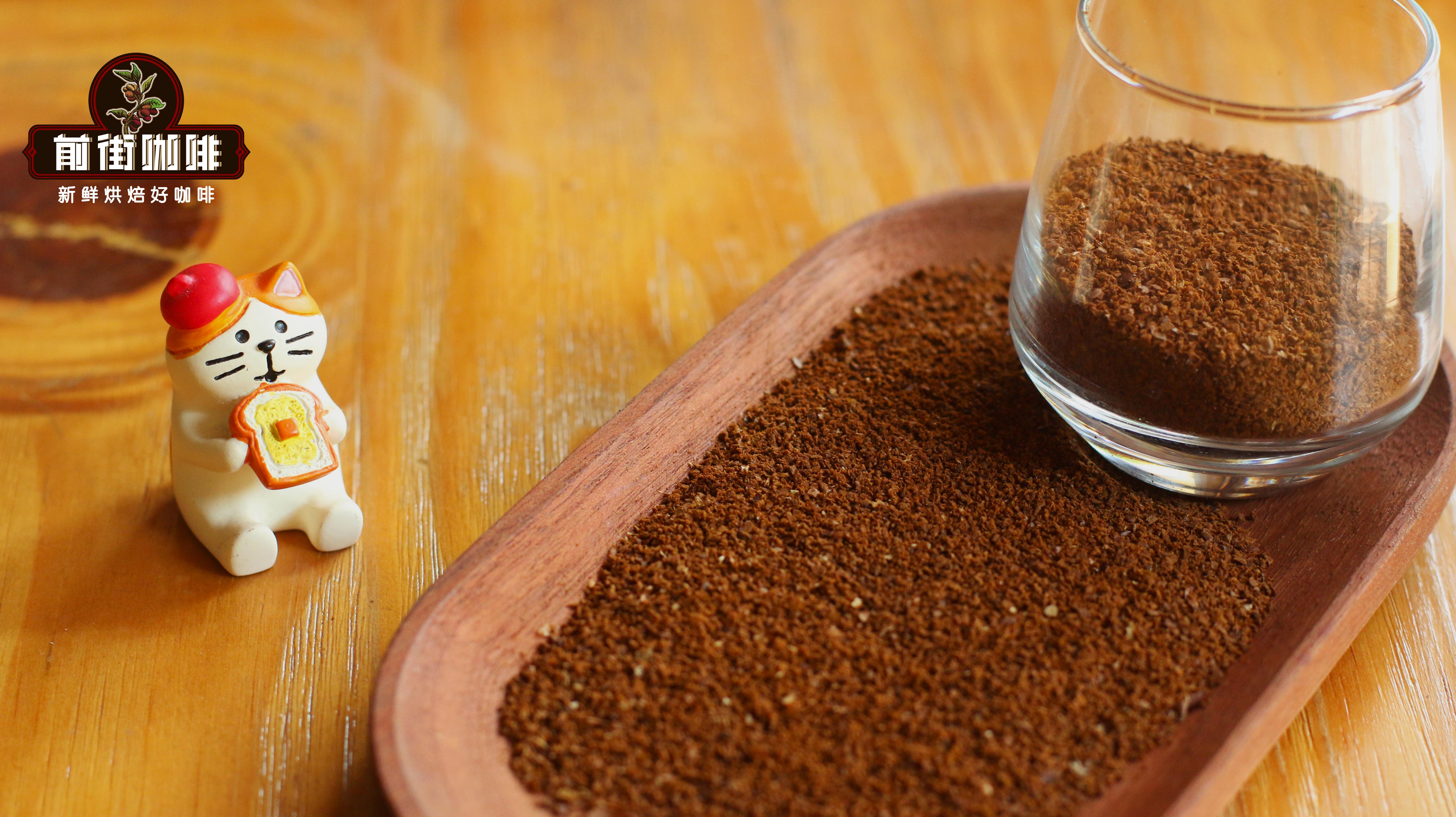
Grinder: Freshly ground coffee is the freshest, and the coarseness and uniformity of the grounds are also important factors determining pour-over flavor. The suitable grind for pour-over is roughly the size of granulated sugar; the more uniform, the better the brewed coffee. (The image below shows a coffee grind correction sieve / China No. 20 standard sieve.)
Coffee beans of different roast levels correspond to different grind sizes. According to Front Street Coffee's brewing experience, medium-light to medium roast beans are suitable for medium-fine grinding (75-80% passing rate through China No. 20 standard sieve); medium-dark to dark roast beans are suitable for medium-coarse grinding (65-70% passing rate through China No. 20 standard sieve).
Coffee pot and coffee cup: Used to catch the filtered coffee. It is best to warm them beforehand to maintain the coffee's temperature.
Auxiliary equipment: An electronic scale, thermometer, and timer can make the brewing process more precise. Coffee beans of different roast levels require different water temperatures—according to Front Street Coffee's brewing experience, medium-light to medium roast beans are suitable for 90-92°C; medium-dark to dark roast beans are suitable for 87-89°C.
Finally, and most importantly, the preparation: freshly roasted coffee beans. To fully showcase regional flavors, it is recommended to choose a diverse range of Arabica coffee. For beginners trying pour-over for the first time, priority can be given to beans with prominent origin flavors and relatively affordable prices. They are usually divided geographically into three continents: Africa, Asia, and the Americas, each with the following flavor characteristics:
1. Africa, Ethiopia—Front Street Coffee Washed Yirgacheffe Coffee Beans
Flavor: White florals, citrus, lemon, nuts, tea-like
2. Americas, Colombia—Front Street Coffee Huila Coffee Beans
Flavor: Dark chocolate, cream, caramel, cookies
3. Americas, Brazil—Front Street Coffee Cerrado Coffee Beans
Flavor: Cream, peanut, almond, cocoa
4. Americas, Costa Rica—Front Street Coffee Tarrazú Coffee Beans
Flavor: Nuts, sweet orange, chocolate
5. Asia, China—Front Street Coffee Yunnan Small-Bean Coffee Beans
Flavor: Nuts, brown sugar, chocolate, tea-like
6. Asia, Indonesia—Front Street Coffee Mandheling Coffee Beans
Flavor: Spices, herbs, sandalwood, caramel, toast
Specific Steps for Pour-Over Coffee at Home
Now that you understand the basics, let's move on to the practical part. Below are the detailed pour-over steps and key points to note:
Grinding: The grind standard is as mentioned above, roughly the size of granulated sugar. You can fine-tune as needed, but uniformity is key. You can use a sieve to remove overly fine powder first to avoid clogging the filter paper. The amount of coffee grounds should be about one-half to two-thirds of the dripper; too little makes it hard to control the flow rate, and too much may cause overflow during brewing.
Boiling water: The coffee-to-water ratio for pour-over is about 1:15, but you can adjust to personal taste. The suitable water temperature is around 90°C; after boiling, you can confirm with a thermometer.
Preheating: Fold the filter paper to fit the dripper, then rinse it with a small amount of hot water to wet the paper and preheat the dripper. This also removes the papery taste. After preheating, pour out the water.
Adding grounds: Pour the coffee grounds into the dripper and gently tap the side of the dripper so the surface of the grounds is roughly level.
Start timing, first pour: Bring the kettle spout close to the edge of the dripper and start pouring from the center of the dripper, circling outward from the center and then back to the center. Stop once all the coffee grounds are wet, being careful not to use too much water. At this point, white bubbles will appear on the surface of the coffee grounds and they will gradually expand.
Bloom: Wait until the coffee grounds stop expanding, about 30 to 40 seconds. By this time, a small amount of extracted coffee may have already dripped through.
Second pour: When the foam begins to collapse, proceed with the second pour, again starting from the center and circling repeatedly, maintaining an even pour. The entire pouring process should take more than 2 minutes; the specific time depends on the expected brewing duration (generally recommended: 2 minutes to 2 minutes 20 seconds for dark roast beans, and about 2 minutes to 2 minutes 10 seconds for light-medium roast beans).
Swirling: After stopping the pour and completing the drip, first swirl the coffee in the pot to even out any inconsistency in concentration, then pour it into the coffee cup.
Pour-over coffee is not just about brewing a cup of coffee; it is a craft worth studying in depth. Through more than fifty years of research and development, the Japanese have elevated pour-over coffee to a level of practice akin to the tea ceremony. After reading this article, do you also want to give it a try? Let's step into the wonderful world of pour-over coffee and brew your own unique flavor!
The above content is compiled by CoffeeHunters, a coffee news website.


