







How does filter choice change how to use a drip coffee maker?
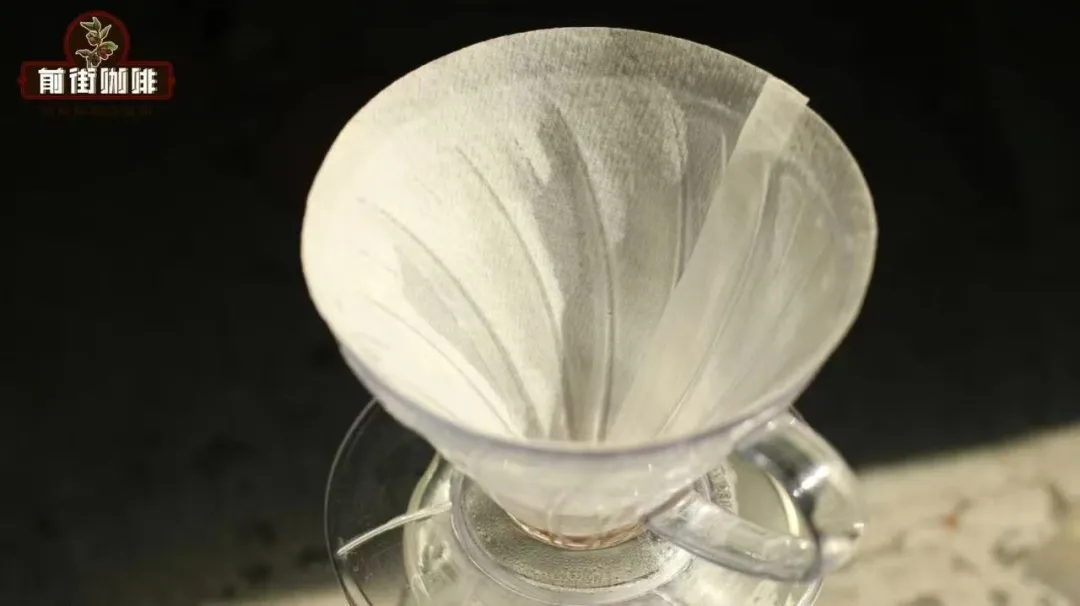
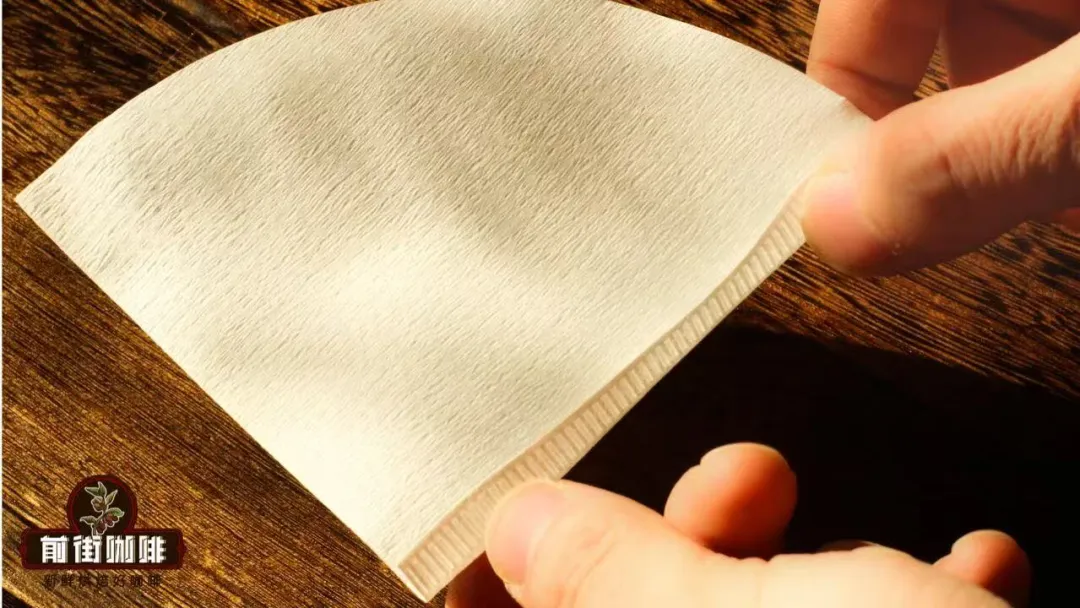
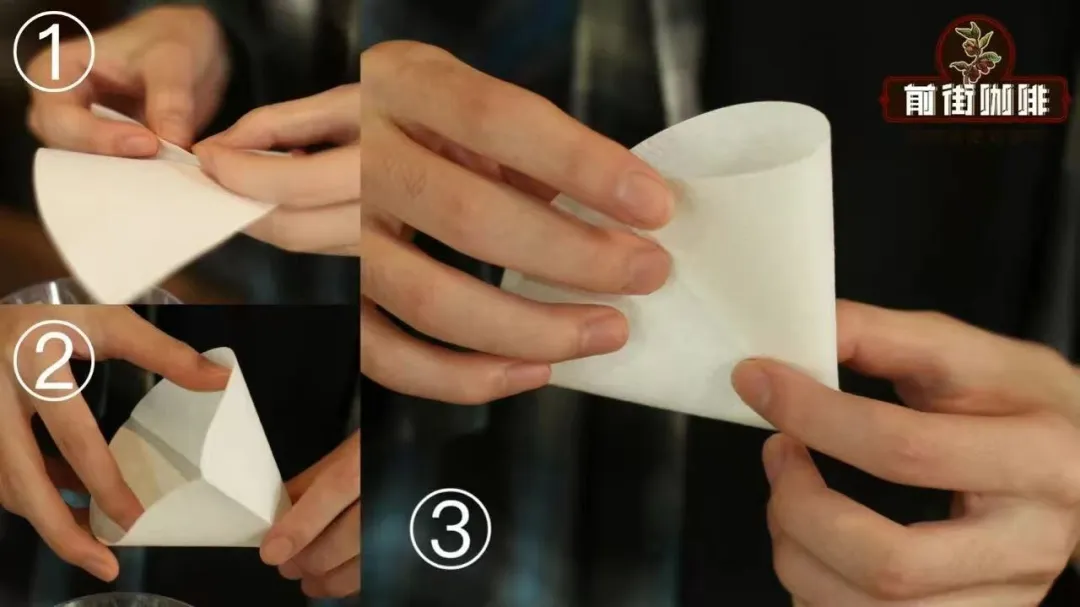
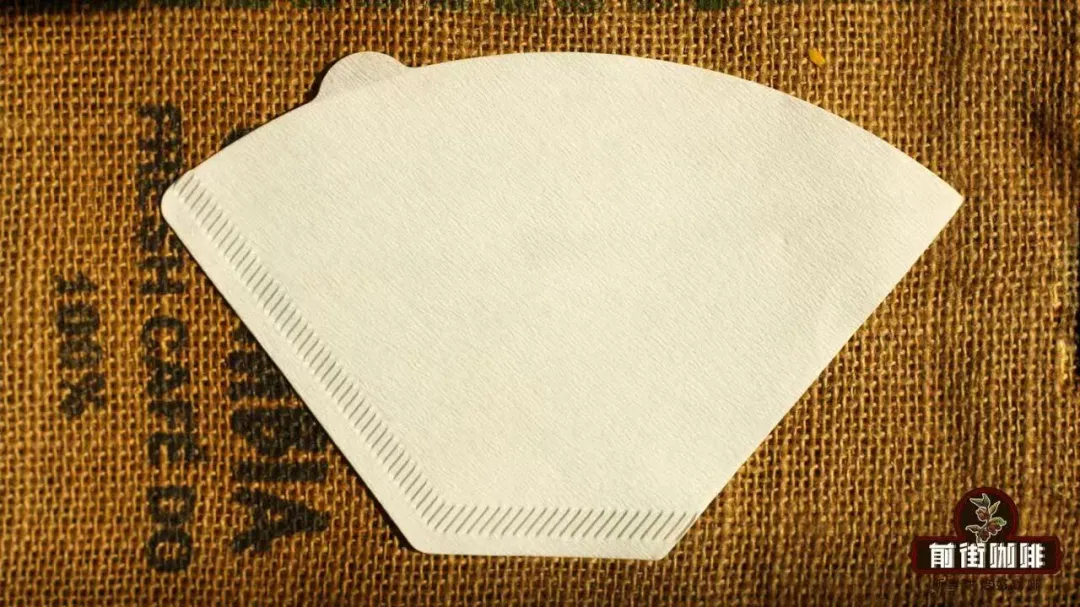
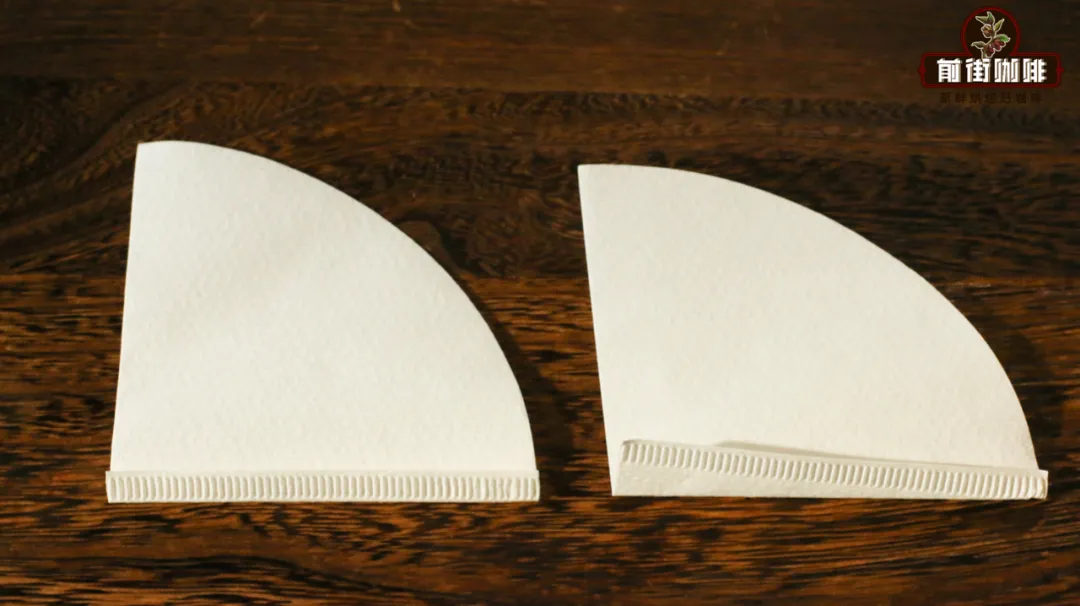
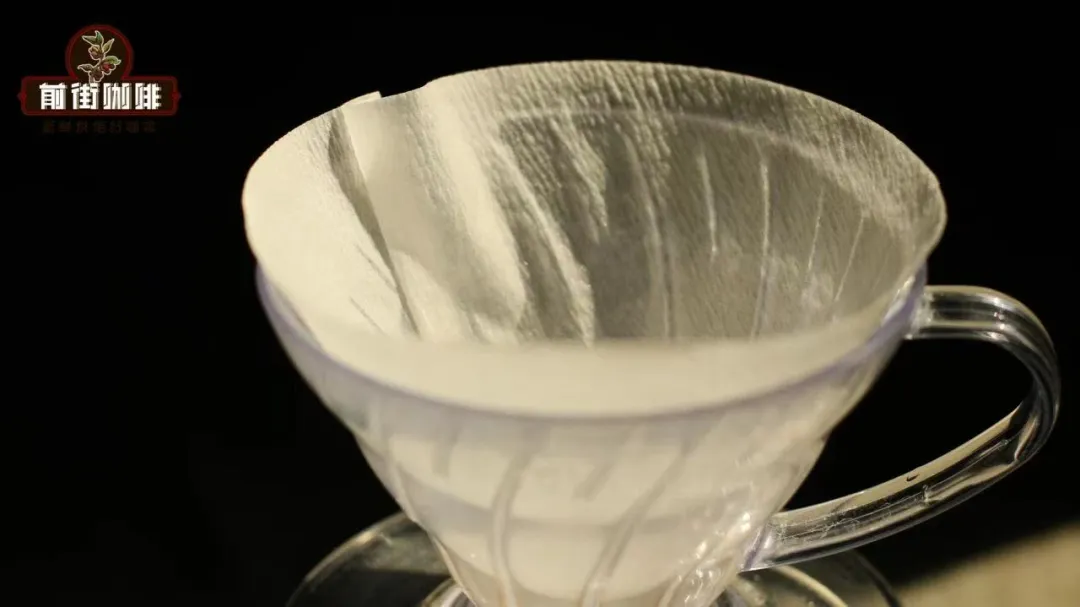
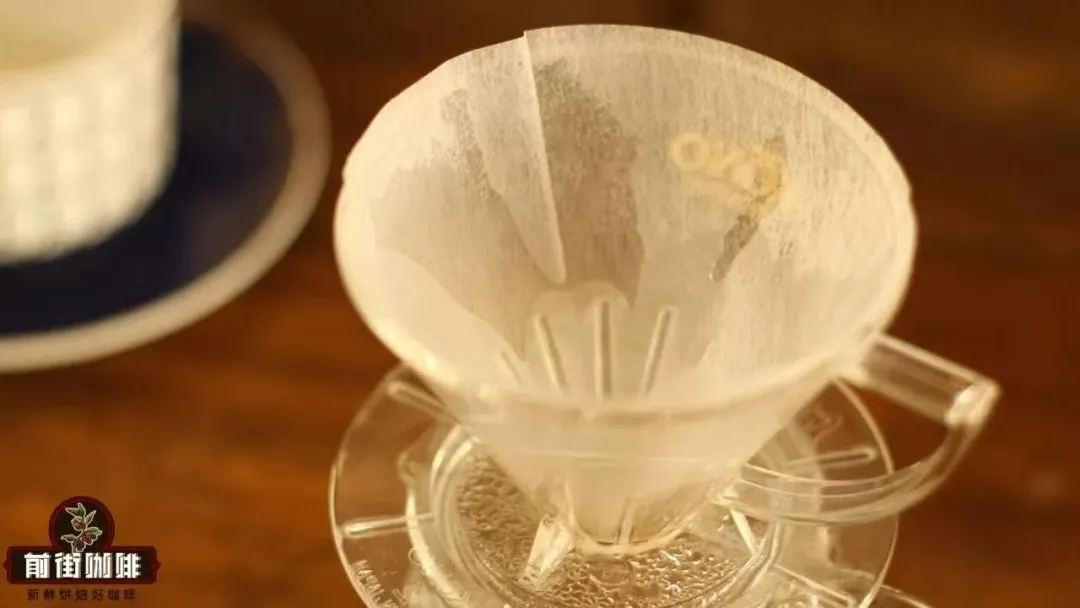
Filter paper shapes extraction and flavor in pour-over brewing. Cone-shaped filters need a folded seam so they sit flush in the dripper, while non-woven filters that do not fit can be trimmed or reseated to avoid gaps. Natural, bleached, and non-woven papers each behave differently, so matching the filter to the dripper keeps each cup cleaner and more stable.
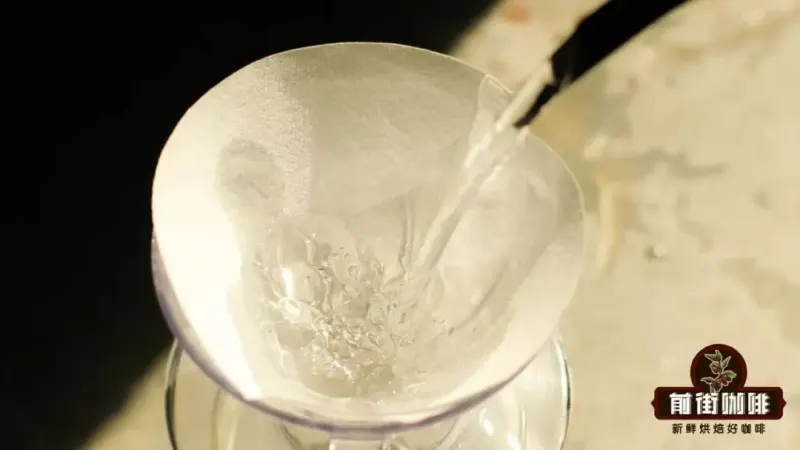
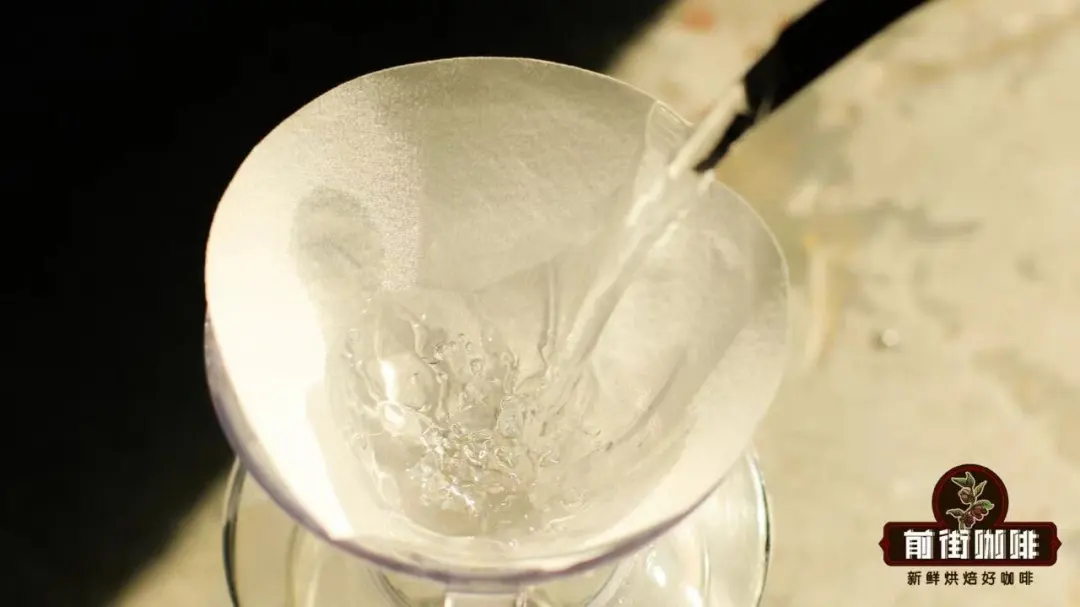
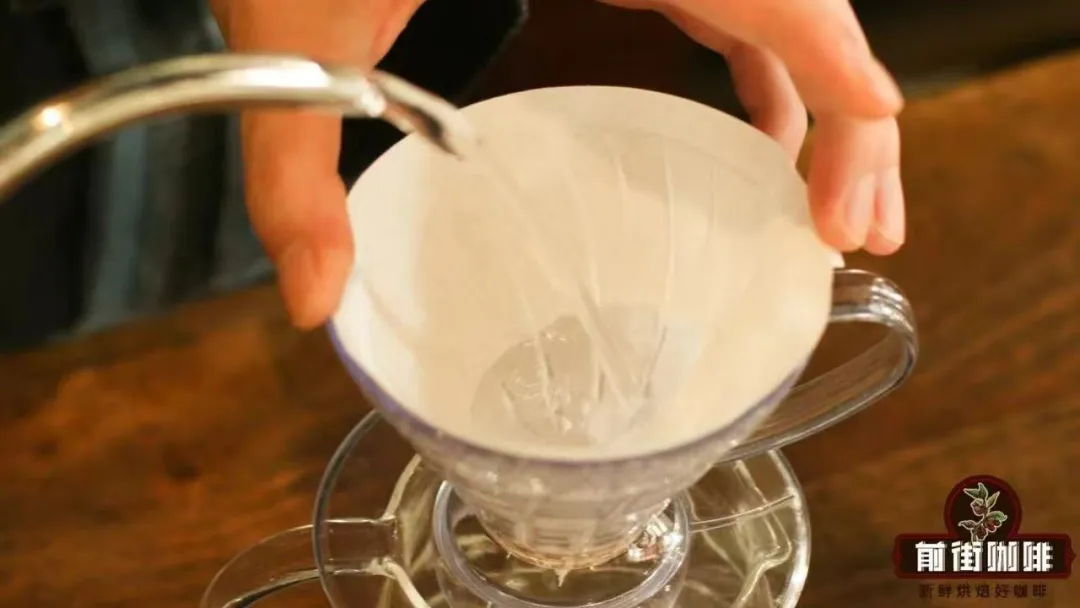
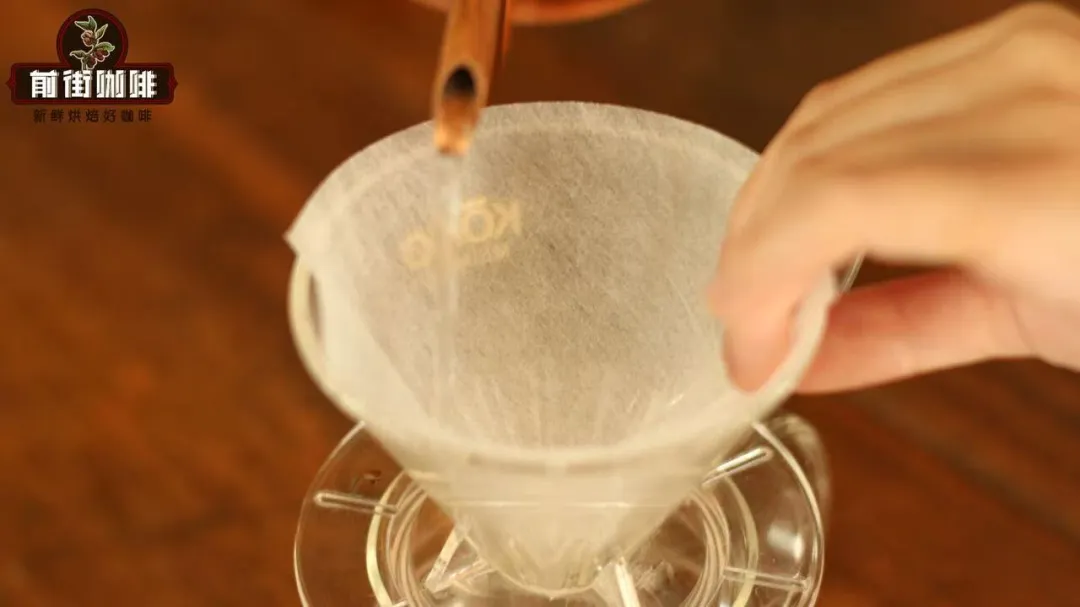
Front Street Coffee's brewing experience informs these steps: fold the seam, rinse the paper to remove loose fibers and warm the dripper, then discard the rinse water before adding grounds. These small routines matter more than the paper type for repeatable results in the brewing of coffee at home.
In pour-over coffee, the filter paper may seem inconspicuous, yet it directly affects the extraction results and flavor performance. This article focuses on the usage methods and common issues of filter paper, covering folding techniques for cone-shaped filter paper, solutions for non-woven filter paper not fitting the dripper, and details to pay attention to in daily use. Whether you prefer natural, bleached, or non-woven materials, you can find practical advice here. The article also incorporates Front Street Coffee's brewing experience to help enthusiasts choose, fold, and use filter paper more efficiently, making every cup of pour-over more stable and cleaner.




Front Street Coffee
No. 10, Bao'an Front Street, Yandun Road, Dongshankou, Yuexiu District, Guangzhou City, Guangdong Province
The above content is compiled by CoffeeHunters, a coffee news website.


