







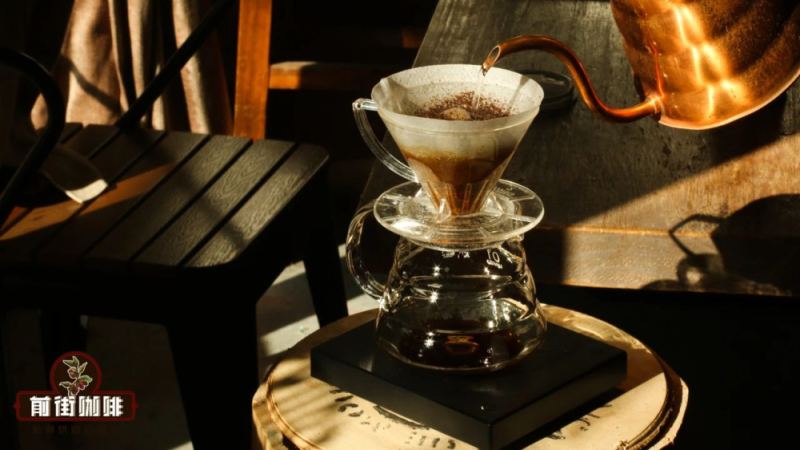
Which Arabica Coffee Bean Flavors Suit Pour-Over Brewing?
Home pour-over needs only a few pieces of gear: a gooseneck kettle, a dripper, filter paper, and a grinder. Beginners do well with a narrow-spout gooseneck kettle, since spout diameter sets the flow rate. Drippers come in fan-shaped, conical, and wavy designs; the hole size at the bottom changes flow speed and therefore the final flavor, with fan-shaped models draining slower for a fuller body.
Six arabica coffee bean options from Africa, the Americas, and Asia cover flavors such as white floral, dark chocolate, cream, and nuts. Grind size, water temperature, and coffee-to-water ratio stay the key variables, and the full brew runs about three to four minutes including blooming, pouring, and time control.
Brewing a satisfying cup of pour-over coffee at home is actually not that complicated. Front Street Coffee will start with the basic principles of pour-over, introduce one by one the key points for choosing equipment such as the pour-over kettle, dripper, filter paper, and grinder, and share key parameters such as grind size, water temperature, and coffee-to-water ratio. At the same time, we will also introduce you to six Arabica coffee beans from the three major producing regions of Africa, the Americas, and Asia, which respectively present different flavors such as white floral notes, dark chocolate, cream, and nuts. Finally, we will include detailed pour-over steps, including blooming, pouring, and time control, so that you can easily get started and brew your own exclusive flavor.
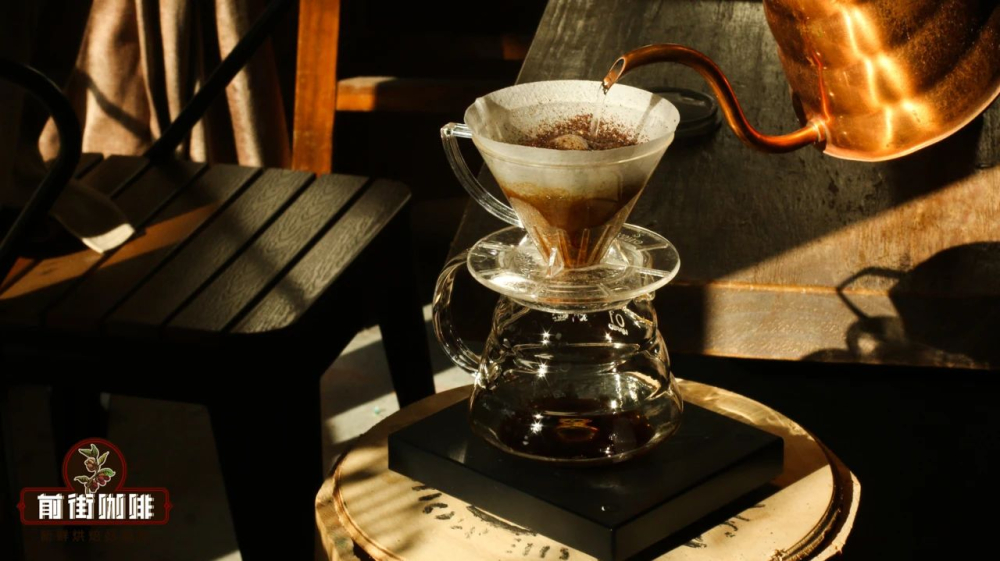
Where exactly lies the charm of pour-over coffee? For an ideal cup of pour-over coffee, what is the key? Front Street Coffee will help you understand the basics of pour-over coffee in the following text, helping you make a good cup of coffee at home too.
What is pour-over coffee?
Pour-over coffee, simply put, is pouring hot water over coffee grounds and using filter paper and a dripper to complete extraction. The entire brewing process lasts about three to four minutes. Because the speed, direction, and water temperature of pouring are all controlled by the brewer, the taste of each brewed cup is almost always different. Although the required equipment is not complicated, the demands on technique and experience are quite high.
Pour-over coffee equipment
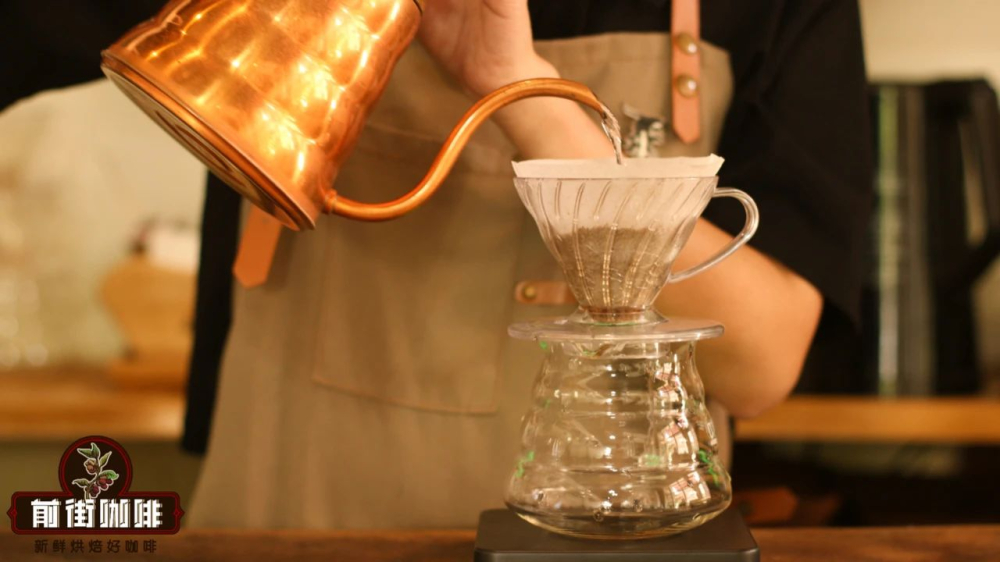
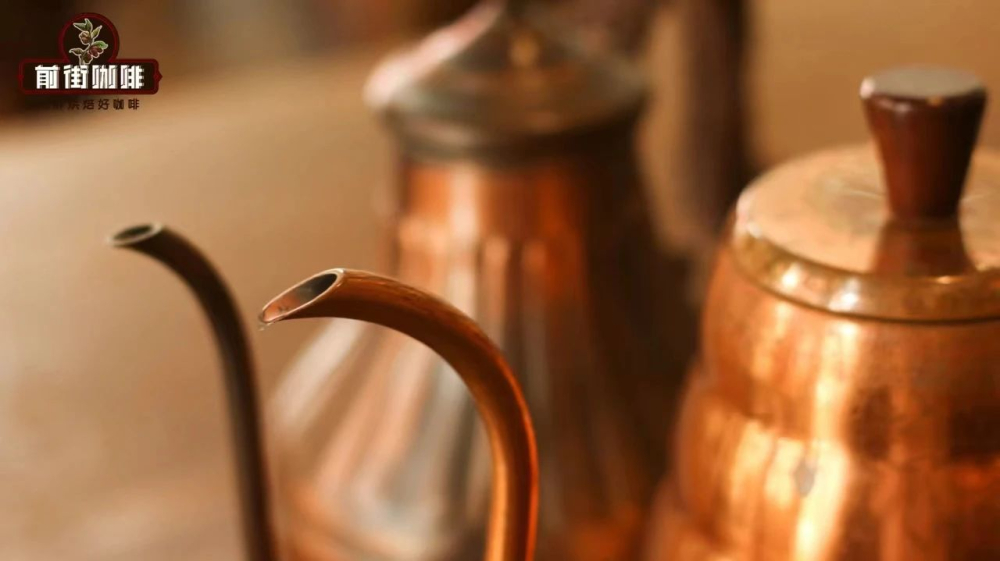
Pour-over kettle: There are many choices of pour-over kettles on the market in terms of size and material, and you can choose according to your own needs. Among these, the one that has a greater impact on the extraction result is the spout diameter, because it directly determines the flow rate. Front Street Coffee recommends that beginners choose a narrow-spout gooseneck kettle (see the image below), as this kind of kettle makes it easier to control the water flow.
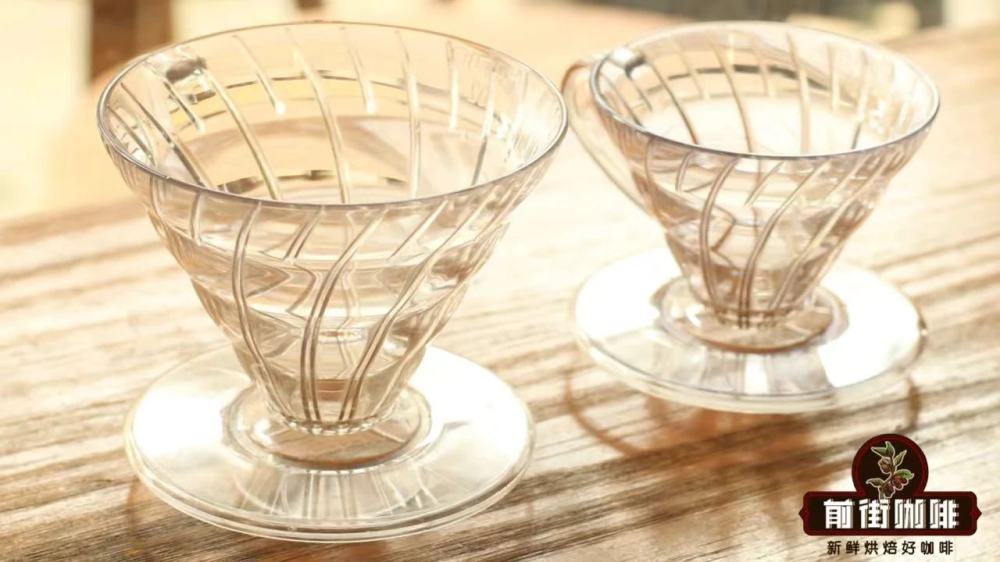
Dripper: Drippers also come in many sizes and materials, and in shape they are mainly divided into three categories: fan-shaped, conical, and wavy. The size of the holes at the bottom of the dripper changes the flow rate of the coffee liquid, thereby affecting the final flavor. Fan-shaped drippers have smaller holes and a slower flow rate, producing a fuller-bodied cup; conical drippers have larger holes and a faster flow rate, leaning toward a lighter body; wavy drippers have a flat bottom and need to be paired with special wavy filter paper, brewing the most balanced cup. Worth mentioning is the metal mesh dripper, which does not need filter paper and can retain more coffee oils, giving a richer taste, but some fine grounds may not be completely filtered out.
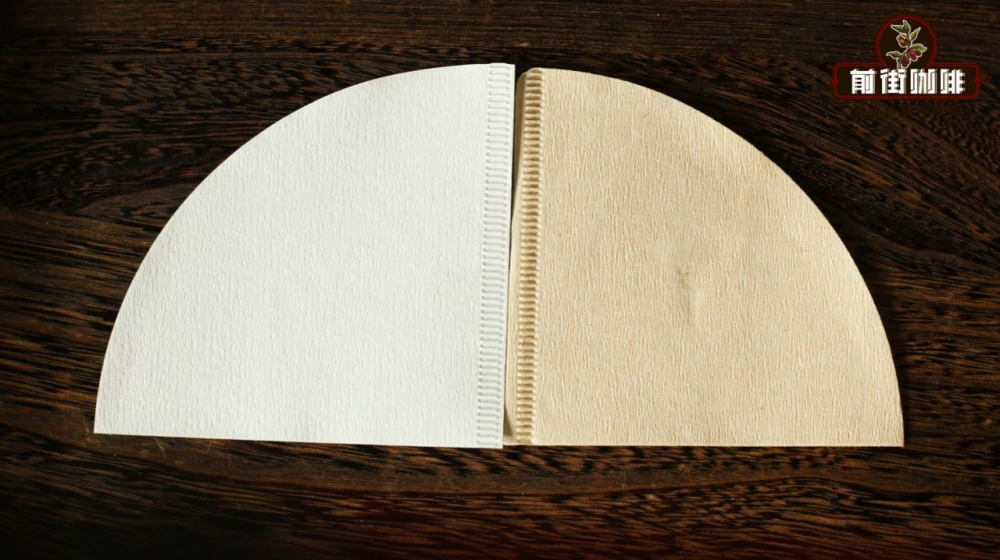
Filter paper: Each type of dripper has corresponding matching filter paper. Filter paper can absorb some off-flavors and oils in the coffee, while unbleached filter paper sometimes carries a slight papery taste.
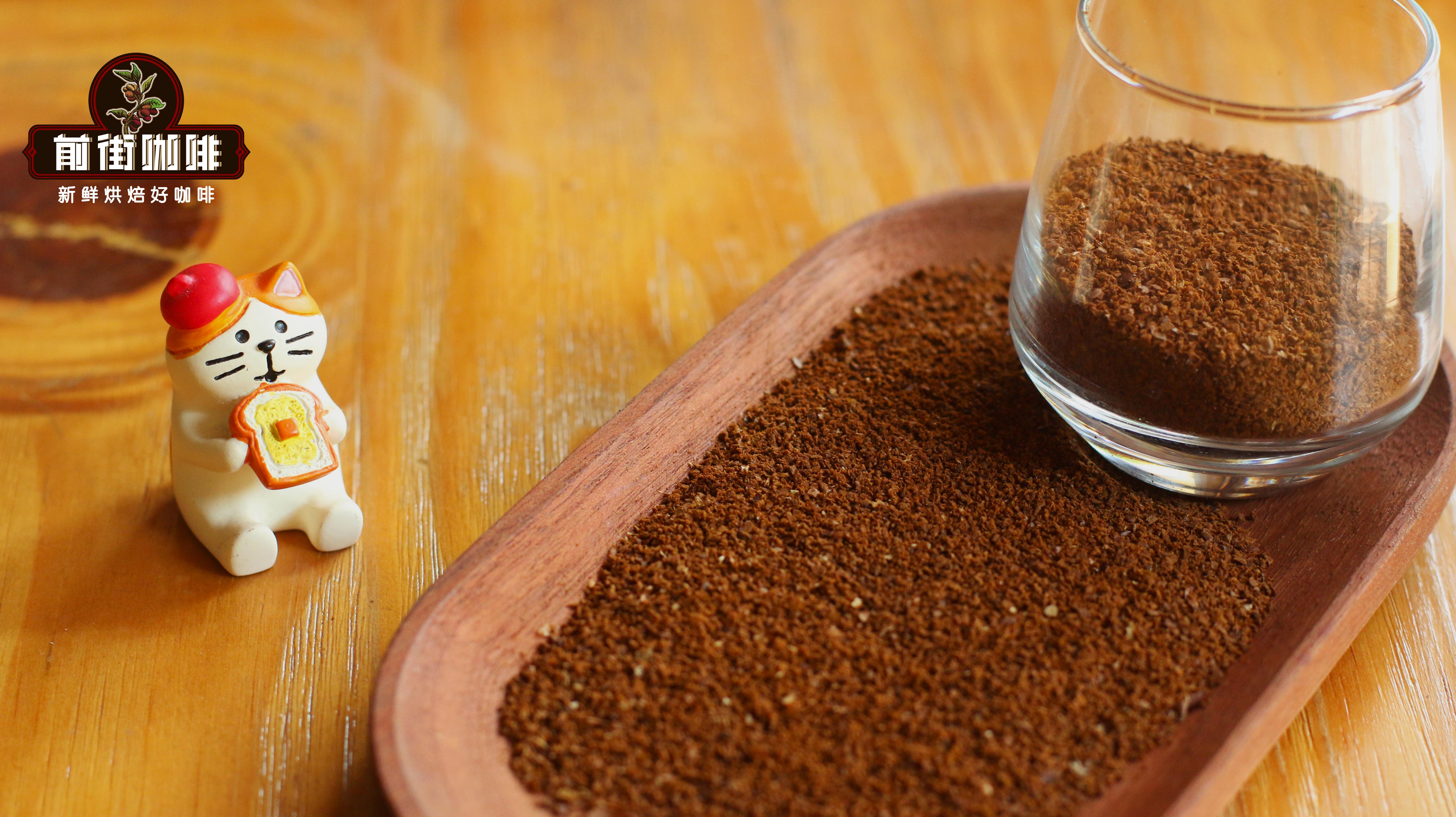
Grinder: Freshly ground coffee is the freshest, and the coarseness and uniformity of the coffee grounds are also key factors determining the flavor of pour-over. Coffee grounds suitable for pour-over are roughly similar in size to granulated sugar. The more uniform the particles, the better the taste of the brewed coffee. (The image below shows a coffee grind correction sieve / China No. 20 standard sieve.)
Coffee beans of different roast levels correspond to different grind sizes. According to Front Street Coffee's brewing experience, medium-light to medium roast coffee beans are suitable for medium-fine grinding (75-80% passing rate on the China No. 20 standard sieve); medium-dark to dark roast coffee beans are suitable for medium-coarse grinding (65-70% passing rate on the China No. 20 standard sieve).
Coffee pot and coffee cup: Used to receive the filtered coffee liquid. It is best to warm them in advance to maintain the coffee's temperature.
Auxiliary equipment: An electronic scale, thermometer, and timer can make the brewing process more precise. Coffee beans of different roast levels need to be paired with different brewing water temperatures—according to the brewing experience of FrontStreet Coffee, medium-light to medium roast coffee beans are suitable at 90-92°C; medium-dark to dark roast coffee beans are suitable at 87-89°C.
The last and most crucial ingredient is freshly roasted coffee beans. In order to showcase regional flavors, it is recommended to choose a rich variety of Arabica coffee. For beginners trying pour-over for the first time, it is recommended to choose coffee beans with prominent origin flavors and an affordable price. Usually, by geographical division, they can be divided into the three major continents of Africa, Asia, and the Americas, each with different flavor characteristics:
1. Africa, Ethiopia—Front Street washed Yirgacheffe coffee beans
Flavor: white floral notes, citrus, lemon, nuts, tea-like
2. Americas, Colombia—Front Street Huila coffee beans
Flavor: dark chocolate, cream, caramel, cookies
3. Americas, Brazil—Front Street Cerrado coffee beans
Flavor: cream, peanut, almond, cocoa
4. Americas, Costa Rica—Front Street Tarrazu coffee beans
Flavor: nuts, sweet orange, chocolate
5. Asia, China—Front Street Yunnan small-bean coffee
Flavor: nuts, brown sugar, chocolate, tea-like
6. Asia, Indonesia—Front Street Mandheling coffee beans
Flavor: spices, herbs, sandalwood, caramel, toast
How to brew pour-over coffee at home?
Now that you understand the background knowledge, next comes the practical part. Below we list the detailed pour-over steps and the points to note:
Grind the coffee beans: The standard particle size is as mentioned above, similar to granulated sugar, and can be adjusted as needed; the key is uniform particles. You can first use a sieve to sift out overly fine powder to avoid clogging the filter paper. The amount of coffee grounds should be about half to two-thirds of the dripper; too little makes it difficult to control the flow rate, while too much makes it easy to overflow during brewing.
Boil water: The coffee-to-water ratio for pour-over is about 1:15, which can also be adjusted according to personal taste. The suitable water temperature is around 90°C, and you can confirm it with a thermometer after the water boils.
Preheat: Fold the filter paper so that it fits the dripper. First wet the filter paper with a small amount of hot water and preheat the dripper; this can also remove the papery taste of the filter paper. After preheating is complete, pour out the water.
Add the grounds: Pour the coffee grounds into the dripper, and gently tap the side of the dripper so that the surface of the coffee grounds is roughly level.
Start timing, first pour: Bring the spout close to the edge of the dripper, start pouring from the center point of the dripper, circle outward from the center and then back to the center, and stop after all the coffee grounds are wet. Note that the amount of water should not be too much. At this time, white bubbles will appear on the surface of the coffee grounds and they will gradually expand.
Bloom: Wait for the coffee grounds to stop expanding, about 30-40 seconds. At this time, a small amount of extracted liquid may already have begun dripping from the bottom.
Second pour: When you see the foam begin to collapse, perform the second pour, likewise starting from the center and circling repeatedly, maintaining an even pour. The entire pouring process needs to last more than 2 minutes, depending on the expected brewing time (generally recommended: 2 minutes to 2 minutes 20 seconds for dark roast coffee beans, and about 2 minutes to 2 minutes 10 seconds for light-medium roast coffee beans).
Swirl: After stopping the pour and completing the drip, first swirl the coffee liquid in the pot, which may have uneven concentration, to make it uniform, then pour it into a coffee cup and taste.
Pour-over coffee is not just a brewing method, but also an art worth studying in depth. After more than fifty years of research, the Japanese have elevated pour-over coffee to a level of practice similar to the tea ceremony. After reading this article, are you also eager to try? Why not step together into the wonderful world of pour-over coffee and brew your own unique flavor.
The above content is compiled by CoffeeHunters, a coffee news website.


