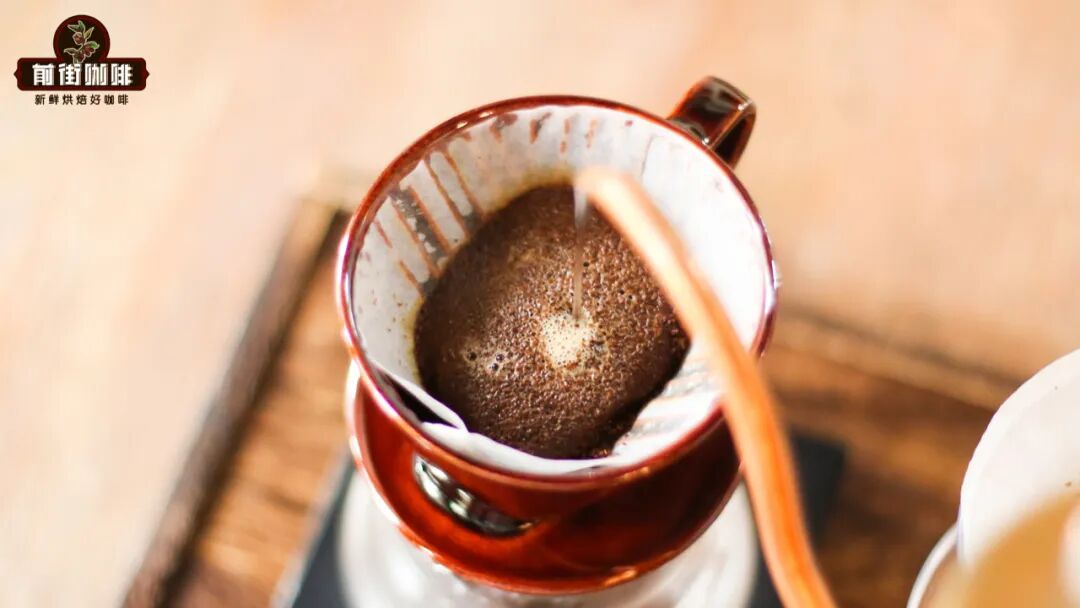
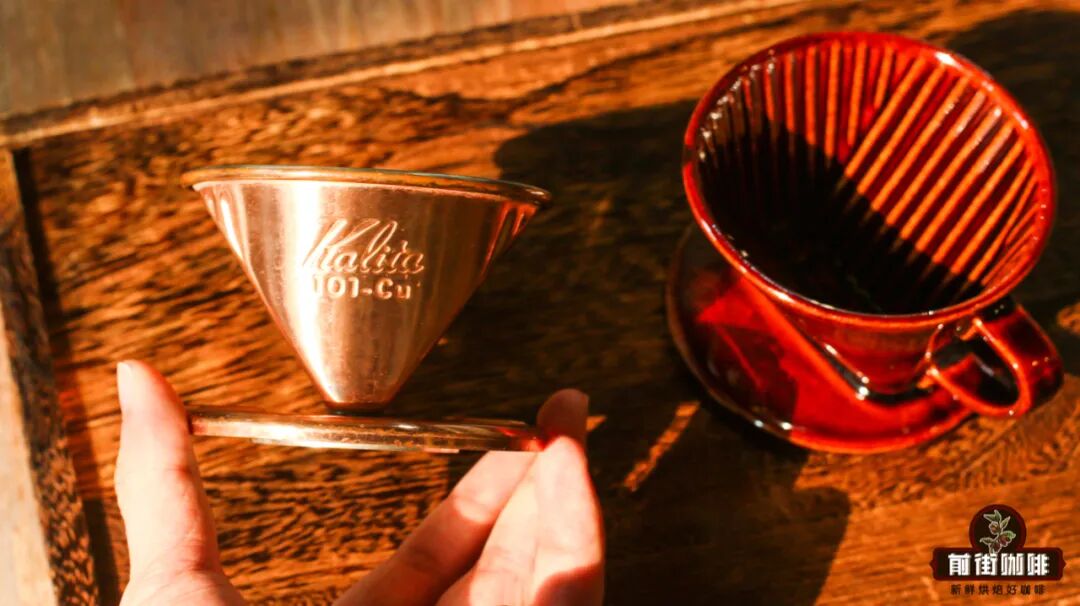
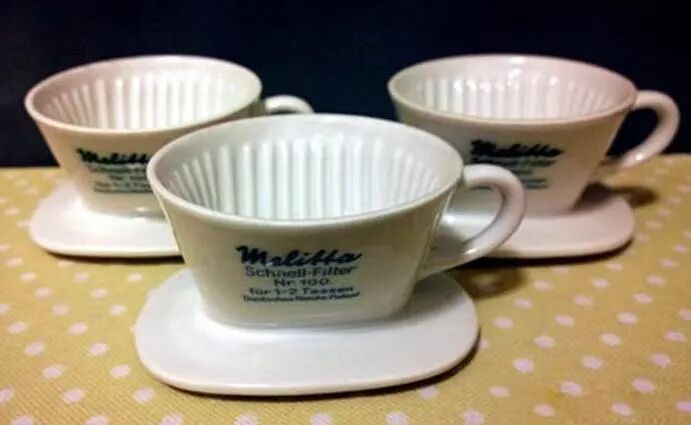
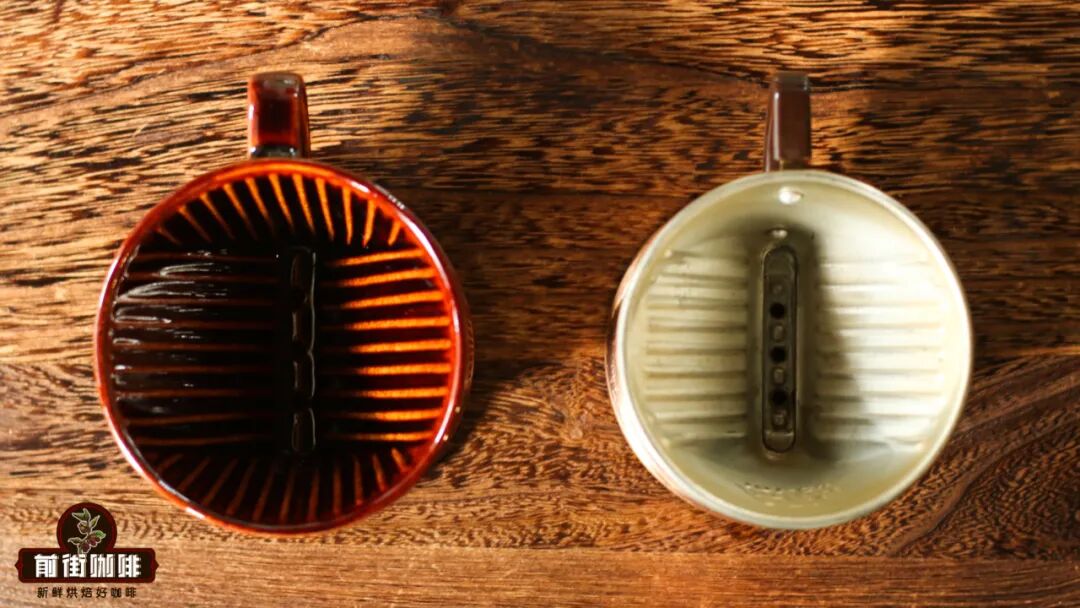
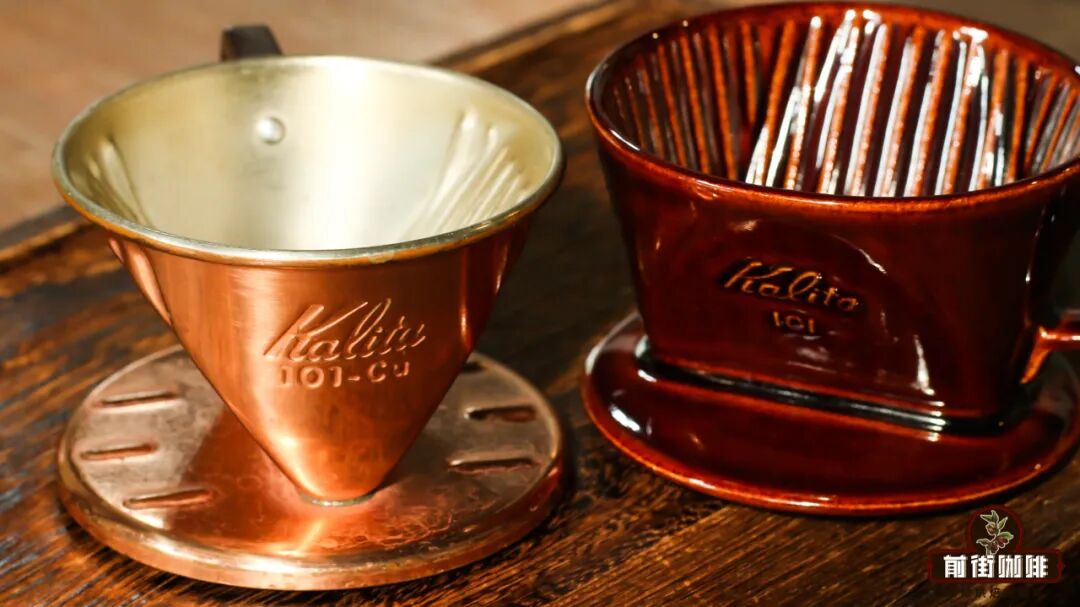
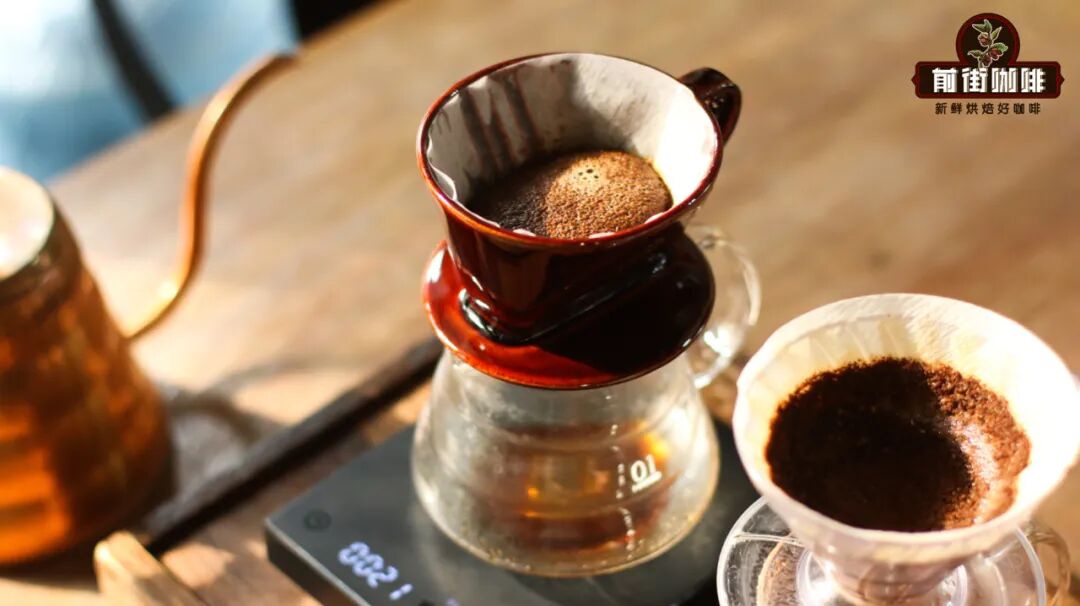
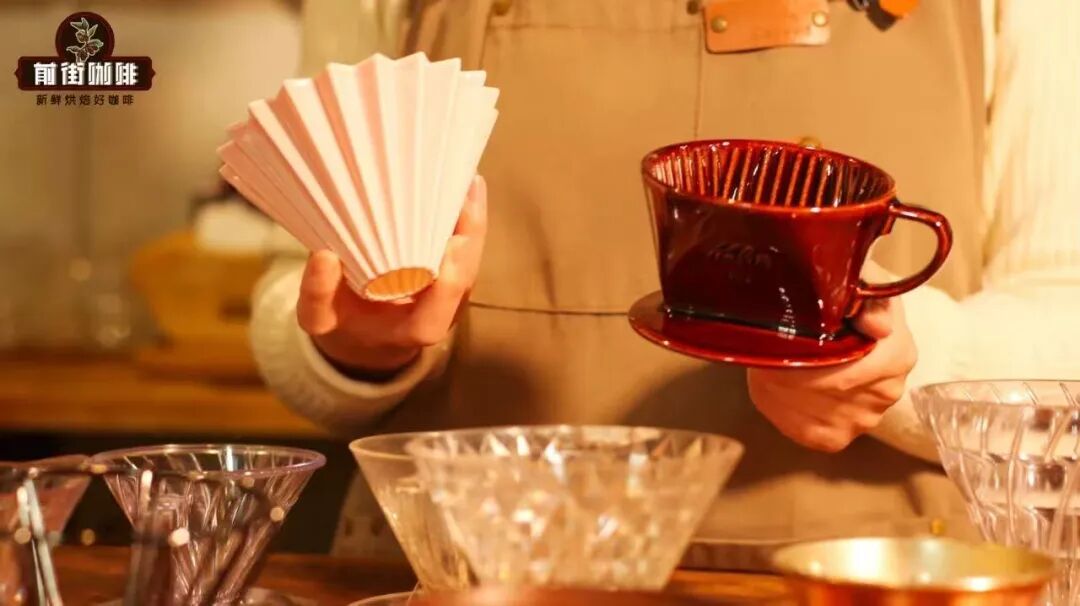
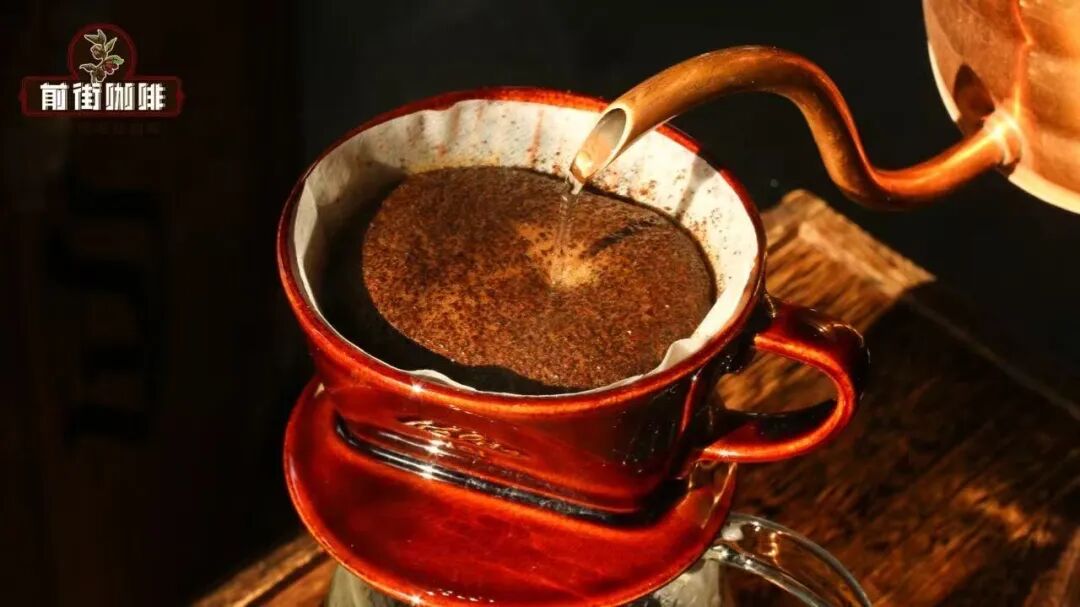
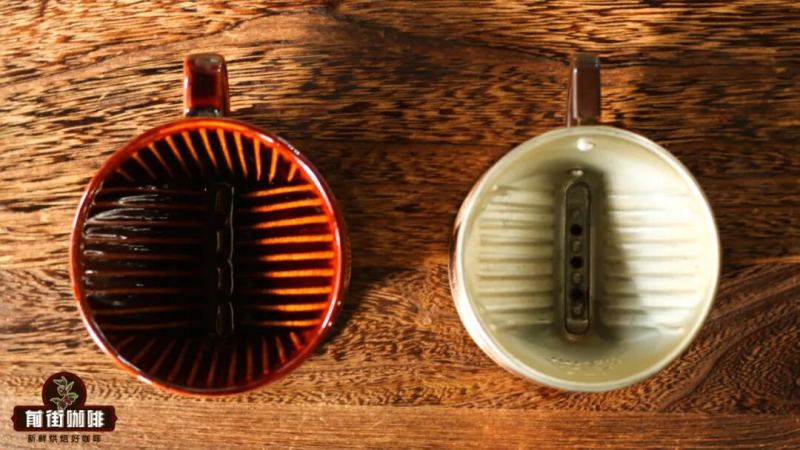
I wonder if you've noticed that, apart from some large chain brands, we hardly ever see trapezoid drippers in coffee shops. Compared to trapezoid drippers, cone-shaped and flat-bottom/cake drippers appear far more often. So quite a few friends are curious: why are so few people using trapezoid drippers? Is it because the coffee they brew doesn't taste good?Of course not~ Trapezoid drippers have their own extraction advantages! But as for why fewer people use them, today Front Street Coffee will have a good chat with everyone about it.Just like cone-shaped drippers, the name "trapezoid dripper" comes from the unique geometric shape of this type of dripper. Overall it is an inverted trapezoid structure that is wider at the top and narrower at the bottom, hence the name "trapezoid dripper." In addition, because the filter paper used with trapezoid drippers resembles a fan, this dripper is also called a "fan-shaped dripper."The first dripper born in the world adopted a trapezoid design. In 1908, GermanMelittalaunched the world's first coffee dripper. As Front Street Coffee introduced, it is an inverted trapezoid structure, with multiple ribs designed on the inner wall for venting, and a slightly smaller outlet hole at the bottom, used with fan-shaped filter paper.However, because the number of outlet holes was small and the hole diameter was not large, this made its flow rate very slow. So by 1958, after pour-over coffee became popular in Japan, Japan's Kalita launched an "improved version."The "improvement" of this dripper was upgrading the original single-hole design to three holes, greatly speeding up the flow rate and making the brewing effect much better. Thanks to this, this dripper became a classic among trapezoid drippers. Next, Front Street Coffee will use this dripper to introduce the advantages of trapezoid drippers in brewing.Previously, in an article introducing drippers, Front Street Coffee shared with everyone that drippers have three key designs that affect extraction: their shape, ribs, and bottom hole.The ribs of the Kalita101 trapezoid dripper are designed in a vertical shape, and their main function is venting.Its external structure is wider at the top and narrower at the bottom, so the coffee grounds will build up a relatively thick bed in the dripper. A thicker coffee bed can widen the extraction differences during brewing; the coffee grounds on the surface will receive more extraction than the coffee grounds at the bottom, allowing coffee grounds in different places to dissolve different amounts of flavor substances, making the brewed coffee more layered.But because the bottom design of the trapezoid dripper is a line rather than a point, the coffee bed it builds will not be as thick as that of a cone-shaped dripper, and the extraction differences will be relatively smaller.
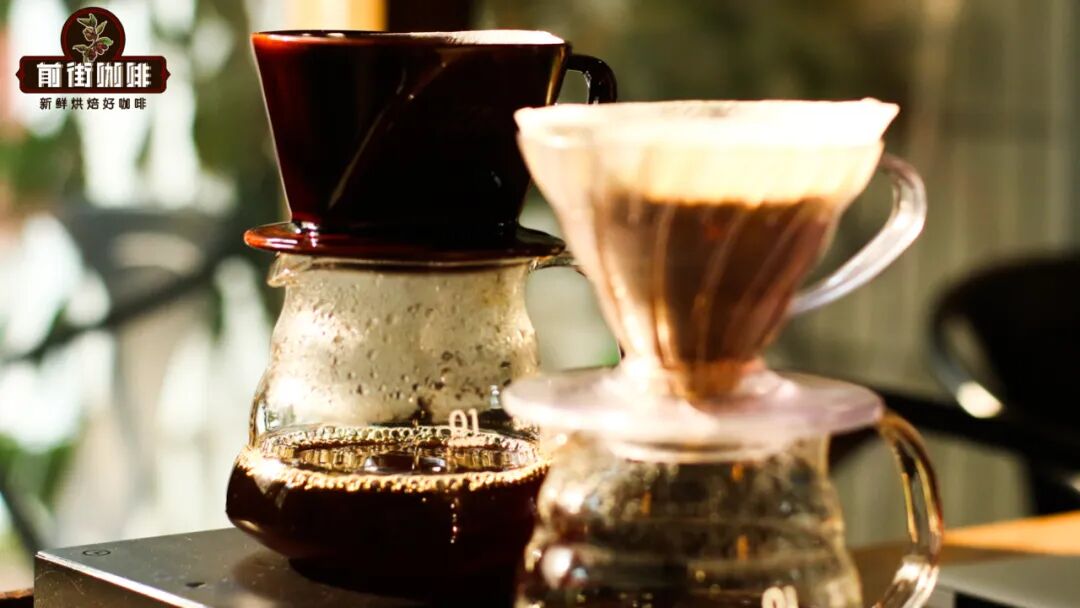
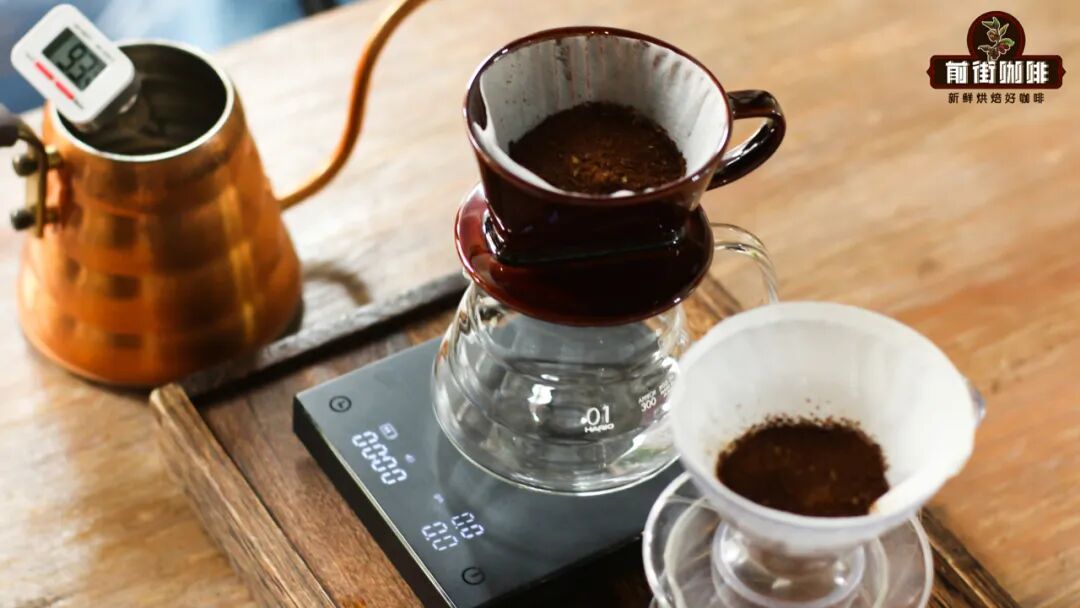
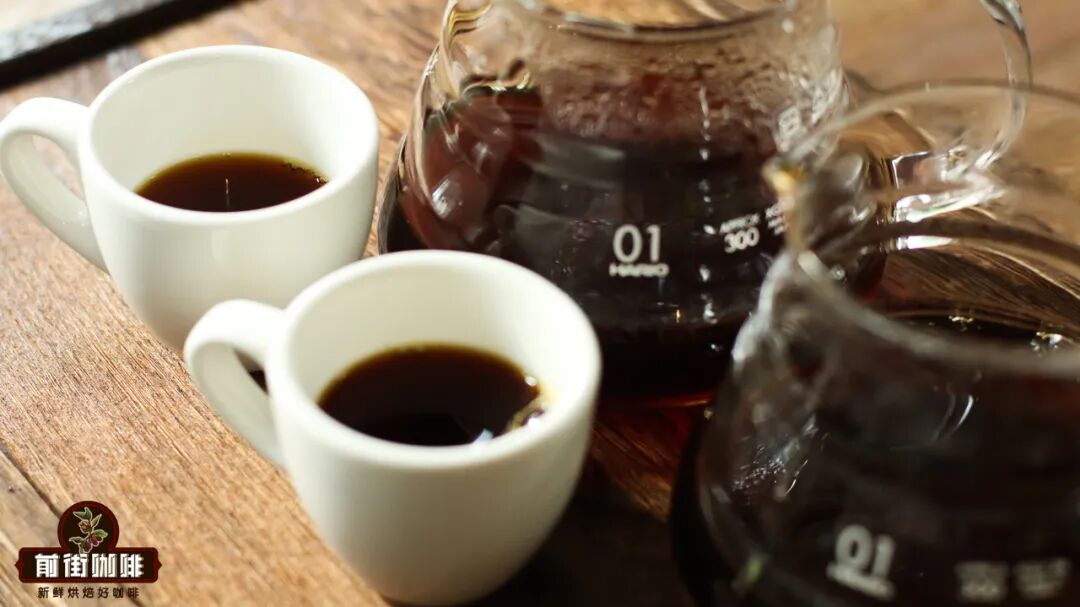
AlthoughKalita 101this trapezoid dripper has three drainage holes at the bottom, because their diameters are not large, the flow rate will not be as fast as other drippers. This allows the coffee to undergo more soaking during brewing, thereby achieving fuller extraction, and the brewed coffee will have a more balanced taste and a more solid mouthfeel.Seeing is believing, so next Front Street Coffee will use the V60 to compare with the trapezoid dripper and see what differences there are in the coffee they brew. The coffee beans used by Front Street Coffee this time are still the Front StreetEthiopia·Hua Kuifrom the bean list, and the extraction parameters are as follows:Coffee-to-water ratio: 1:15Grind level: Ek43 setting 10, 75% passing rate on a No. 20 sieve, fine granulated sugar grindBrewing temperature: 92°CBrewing method: three-pour method (30+120+75)Because the brewing process is still the three-pour method, Front Street Coffee will skip it here. Then, due to the difference in hole diameter, there is a slight difference in extraction time between the two. Brewing Hua Kui with the V60 took 2 minutes, while using the trapezoid dripper took 2 minutes 20 seconds.In terms of taste, the Hua Kui brewed with the V60 has a very rich layering! Orange blossom, citrus, strawberry, berries—the flavors are prominent and distinct, the taste is sweet and sour, the mouthfeel is smooth, and it has an oolong tea finish; while the Hua Kui brewed with the trapezoid dripper does not have the same distinct and three-dimensional flavors and layering as the V60, but its taste is more balanced, the mouthfeel is more solid, and the finish is longer.It can be seen that under the same parameters and technique, the coffee brewed by the two is completely different in character! There is no good or bad distinction here; it depends on personal taste preference. Friends who like prominent flavors and a light mouthfeel can choose V60 brewing, while friends who like coffee with a balanced taste and solid mouthfeel can choose a trapezoid dripper.At this point, let's return to the topic of "why are trapezoid drippers so rare"! To put it simply, they have fallen out of the meta. What does that mean? When trapezoid drippers were first invented, dark-roasted coffee was the mainstream, so the drippers were mainly designed around how to make the brewed coffee richer and fuller, and the flavor expressiveness of the brewed coffee was somewhat weaker.But later, the mainstream of coffee shifted from dark to light, and people began to pay attention to flavor expression. Therefore, people's functional demands for drippers changed, and they began to need drippers that could better display and highlight flavors, and the V60 was exactly such an existence, so the V60 received a good response as soon as it was launched!And the viral success of the V60 not only brought it fame, but also gave the cone-shaped dripper market tremendous exposure. So from then on, major coffee equipment manufacturers began researching and designing cone-shaped drippers, launching various new cone-shaped drippers every year.Correspondingly, drippers of other shapes, including trapezoid drippers, began to appear less and less often, because few manufacturers still put effort into them. They were either keen on designing cone-shaped drippers, or researching some drippers with relatively strange and tricky shapes. With less frequent updates and a smaller proportion among drippers, naturally, they became rarer and rarer.But Front Street Coffee still says the same thing: this does not mean trapezoid drippers or drippers of other shapes are not useful; they still have their own brewing characteristics. For example, because the coffee bed of a trapezoid dripper is not that thick and the ribs are not that prominent, the coffee undergoes immersion-style extraction for a long time, so it does not require a high level of pouring proficiency from the barista like cone-shaped drippers do.Even for beginners, as long as parameters such as coffee dose, grind, water temperature, and ratio are set well, they can easily brew a delicious cup of coffee without being that skilled. Therefore, trapezoid drippers are often favored by major chain brands; they can shorten the experience gap between beginners and veteran masters and stably provide customers with a delicious cup of coffee. The above content is compiled by CoffeeHunters, a coffee news website.