







What should you check in a pour-over dripper for coffee?
Pour-over dripper selection comes down to shape, hole count, and material. Fan-shaped drippers usually have one to three holes and drain slowly, extending extraction time; cone, origami, wave, and metal drippers each change flow rate and heat retention. Those differences shift a coffee's balance, body, and aromatic layers in the cup, a detail that matters whether you brew at home or run a busy street coffee stand.
Getting started needs only a gooseneck kettle, filter paper or a metal mesh, a dripper, and ground coffee, but the dripper choice shapes the result. Before brewing, wet the folded filter paper with hot water so it sits tight against the bottom and edges. Matching filter paper to the dripper keeps the flow rate steady and extraction even.
In the combination of pour-over coffee equipment, the dripper plays a pivotal role. With the third wave of coffee and the popularity of single-origin specialty beans, drip pour-over coffee rose in Japan and swept the globe. Getting started with pour-over isn't complicated—all you need is a gooseneck kettle, filter paper or a metal mesh, a dripper, and ground coffee—but the sheer variety of drippers often leaves beginners at a loss. This article systematically sorts out the structural characteristics and flow-rate differences of mainstream drippers such as fan-shaped, cone-shaped, origami, wave, and metal types, analyzes how different materials affect heat retention, and, combined with brewing practice using several Front Street Coffee beans, explains how dripper choice affects a coffee's balance, body, and aromatic layers, providing enthusiasts with a practical reference.
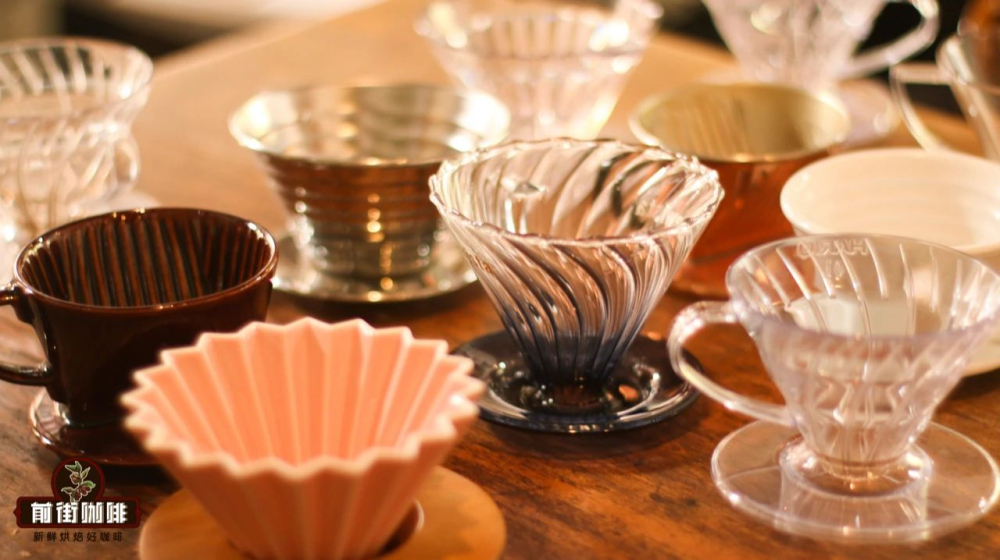
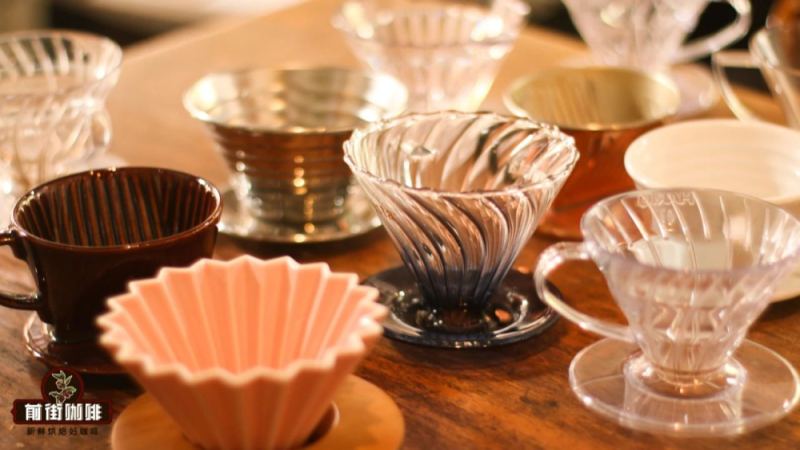
Coffee Drippers—An Important Part of Pour-Over Coffee With the arrival of the third wave of coffee and the prevalence of single-origin specialty coffee, drip coffee—that is, pour-over coffee—which began to be popular in Japan, has become increasingly well-loved. Entering the world of pour-over coffee isn't difficult; the equipment needed is roughly a gooseneck kettle, filter paper (or a metal mesh), a dripper, and ground coffee. Among these, the dripper, with its many varieties, has become an object of much attention among enthusiasts, so today Front Street Coffee will talk about the advantages of the common types of drippers, which also serves as a reference for newcomers .
Types of Coffee Drippers Since the invention of coffee filter paper and drippers in the early 20th century, after a century of evolution and improvement, today's drippers and filter papers on the market are not only diverse in shape but also differ in material, which affects flow rate and extraction time, leading to coffee tastes that differ under each type of equipment.
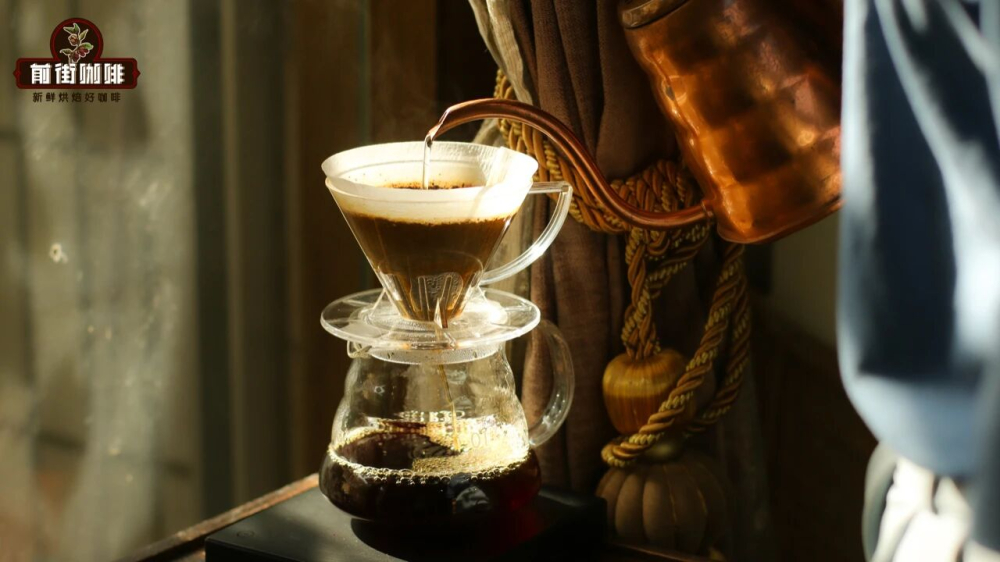
1. Fan-shaped dripper (trapezoid dripper, trapezoidal dripper) Fan-shaped drippers usually have one, two, or three holes at the bottom, and the overall flow rate is slower, so the coffee's extraction time will be longer. Note that when using filter paper with the dripper, you need to get the fit right; before brewing, first wet the folded filter paper with a small amount of hot water, trying to ensure it sticks tightly to the bottom and edges of the dripper.
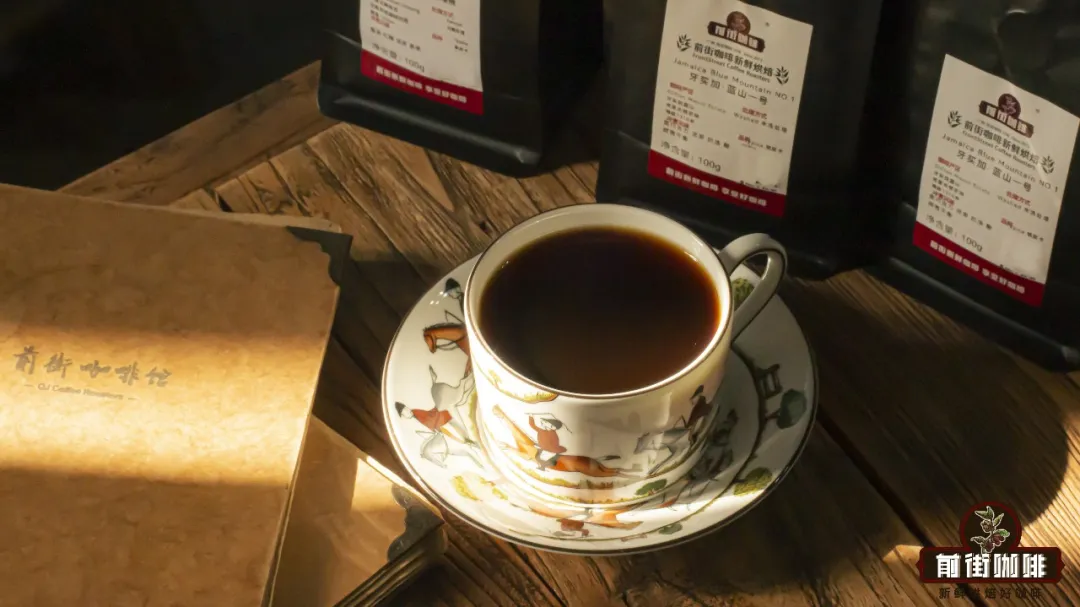
This fan-shaped design was conceived in 1908 when Melitta Bentz created coffee filter paper; at first they were all single-hole designs, and only later improvements led to more-hole versions. The number of holes directly determines the flow rate—the more holes, the faster the coffee liquid flows—and each person can choose according to their own needs for coffee. For example, when brewing Front Street Blue Mountain No. 1, we want to highlight the coffee's balance by slowing the brewing flow rate, so we choose a single-hole fan-shaped dripper for extraction.
Cone-shaped dripper On the market, apart from the fan shape, the most commonly seen is none other than the cone-shaped dripper. The biggest difference between the two is the layout of the coffee grounds: in a fan-shaped dripper the coffee bed is uniformly thick overall, while in a cone-shaped dripper the coffee bed looks like an inverted triangle from the side—thick in the middle and thin around the edges. Most of the variation among cone-shaped drippers lies in the design of the ridges on the cup body; the ridges are channels that help the coffee liquid flow into the cup, so the ridge design also affects the flow rate.
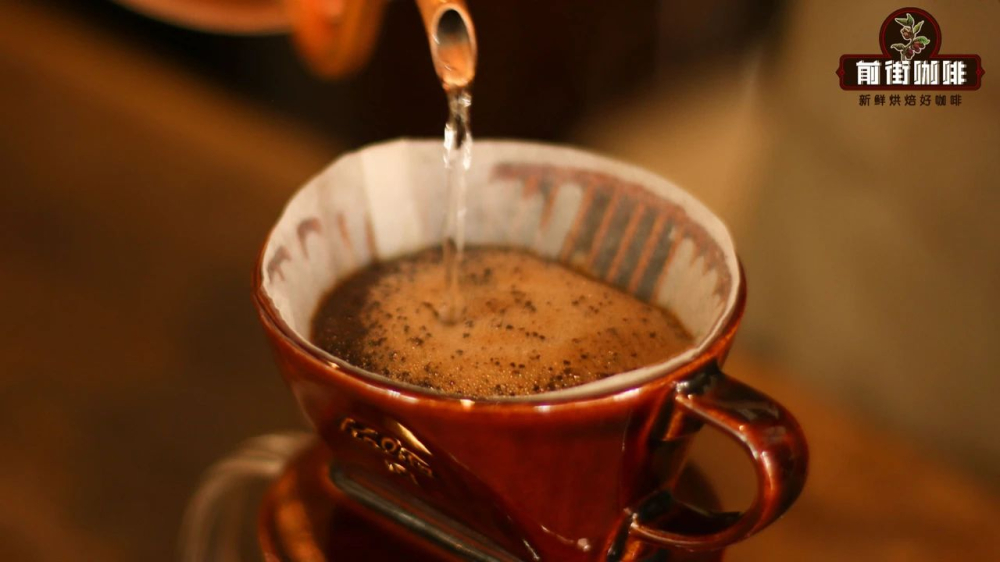
For example, the KONO Meimon dripper recommended by many has ridges only on half or less than half of the cup body; where there are no ridges, the filter paper sticks to the cup body, using a siphon-like effect to extract the coffee , resulting in a slower flow rate. It suits coffees that pursue a rich mouthfeel—first choice being medium-to-dark roast profiles like Front Street PWN Golden Mandheling, Front Street Queen's Estate, and Front Street Brazil Cerrado;
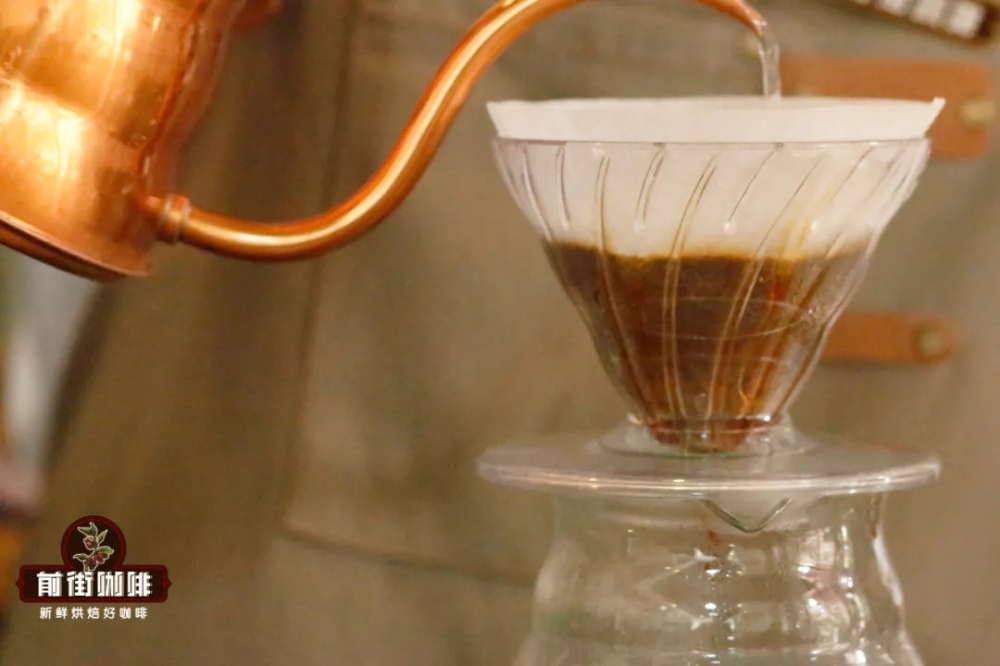
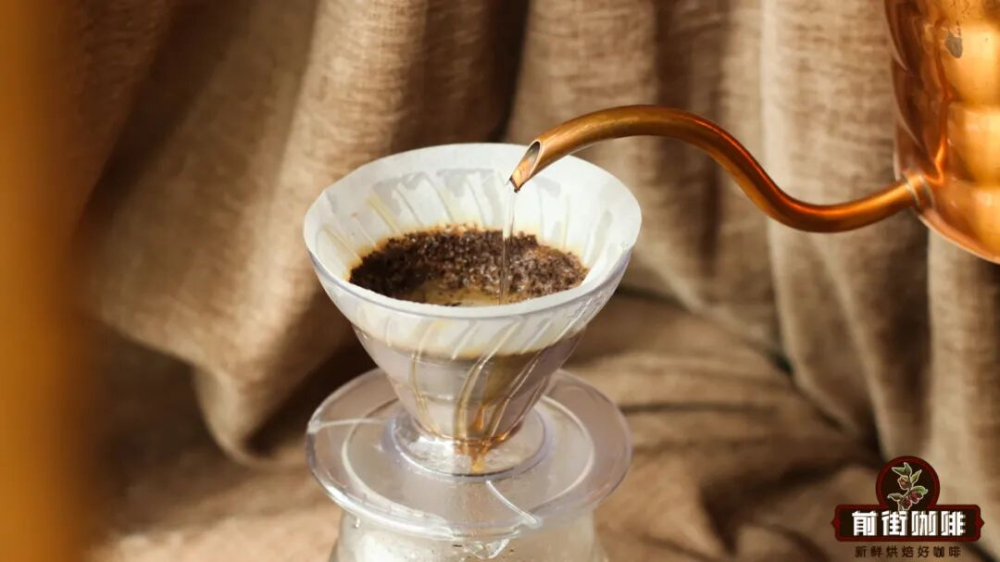
Another dripper strongly recommended by baristas, the Hario V60, has ridges extending over the entire cup body in a spiral pattern, and comes in many versions including resin, glass, plastic, metal, and ceramic. When using the V60, it's recommended to pair it with thinner filter paper to avoid clogging and water pooling during brewing; combined with the spiral ridges, as well as the large opening at the bottom of the cup , it can speed up the flow rate and prevent over-extraction, yielding a coffee with a brighter, cleaner taste, allowing floral- and fruity-style coffees to better express their layers . The V60 is very suitable for bright, fruity, or floral coffees, such as Front Street Cherry Tomato (cherry tomato; berry flavor), Front Street Huakui (creamy strawberry; guava flavor), and Front Street Emerald Red Label Geisha (jasmine; mango; honey flavor).
Of course, in today's world where drippers are flourishing everywhere, besides traditional styles, various innovative designs have also won countless fans along with world-class competitions, such as the Origami dripper, which combines good looks and playability. The Origami dripper, also known as the origami dripper, has a very big advantage: it can be compatible with both cone-shaped filter paper and cake filter paper—that is, one piece of equipment can satisfy two different brewing experiences.
When the Origami dripper is paired with cone-shaped filter paper, the 20 ribs inside the Origami dripper serve to support and guide the flow; compared with the V60, its drainage speed is faster, and it can better express a cup's aroma, acidity, and cleanliness, making it very suitable for brewing washed floral coffees like Front Street Sidama Alo Village; when the Origami dripper is paired with cake filter paper, its folds fit perfectly into the dripper's grooves, increasing the dripper's immersion capability, and since the cake filter paper has a flat-bottom structure, the coffee bed forms an even thickness, thus better enhancing a cup's body, sweetness, and aftertaste, making it suitable for brewing natural-process beans like Front Street Hamasho and Front Street Huakui.
Wave dripper (cake dripper) The wave dripper is a KALITA patent, and the filter paper used with it looks like the folds of a cupcake liner, so it is also called a cake dripper; however, in English it uses "Wave," so more people call it a "wave dripper." The wave dripper uses the folds of the filter paper to replace flow-guiding ridges; because the area touching the cup body is smaller and it also has a flat bottom, once hot water is poured into the coffee bed it spreads evenly and then permeates downward—a style that both beginners and enthusiasts can easily master. In recent years, wave drippers are also often seen in pour-over coffee competitions, and the reason its market share isn't that high is that the matching filter paper is relatively expensive, each sheet costing about twice as much as ordinary filter paper—this is a small drawback.
Because the cake dripper tends more toward immersion extraction, it can better highlight a coffee's roundness and rich mouthfeel. It is recommended to pair it with fruity medium-roast coffee beans, such as the widely loved Front Street Xipaw (passion fruit; grape flavor), Front Street Strawberry Candy (rose; berry juice flavor), and Front Street Blackberry (floral; dried blueberry), which, under the flat-bottom plus wave-pattern design, will present characteristics like fruit wine.
Metal dripper Coffee filtered through filter paper is relatively clean and bright, whereas because metal material has larger gaps, it can retain the coffee's oils, giving a higher body and richness than coffee brewed with filter paper. The advantage of metal material is that as long as it's cleaned thoroughly it can continue to be used; the obvious drawback is that the coffee's very fine particles easily get poured into the cup along with it, causing sediment to settle at the bottom after drinking, and in severe cases affecting the taste of the whole cup. Solving this problem requires a fine-particle filter to make the coffee purer.
Differences in Dripper Materials The difference in materials lies in specific heat—ceramic, resin, plastic, stainless steel, metal, and so on—and their effect on locking in temperature. For example, ceramic is made thicker, and its temperature-control effect is better than plastic, so it maintains temperature better during coffee extraction. If you find that the coffee tastes more bitter or more bland because you changed materials, you may need to adjust the water temperature or grind to find the best parameters for the new equipment.
Materials also affect price. If you want to brew a good cup of coffee, what you need more is to understand your equipment and practice more. It's not that the more expensive it is, the better it tastes—let's all practice more together!
The above content is compiled by CoffeeHunters, a coffee news website.


