







How Do Coffee Machines Compare With Pour-Over Brewing?
Pour-over coffee uses a grinder, filter paper, a pouring kettle and a dripper, and the whole brew takes about two minutes. Because pouring speed, direction and water temperature are controlled by hand, each cup tastes slightly different. The grind should be about the size of No. 2 granulated sugar, and uniform grounds give a more even extraction.
Filter paper soaks up some oils and off-flavors, and unbleached paper can add a papery taste, so many brewers rinse it first. Drip bag coffee follows the same idea with simpler steps: water temperature, blooming and pouring decide the result. Pour-over spread from Japan's refined coffee culture and remains a method built on technique and practice.
With coffee machines everywhere today, pour-over coffee—thanks to its simple equipment and emphasis on feel—has become the choice of connoisseurs pursuing refined flavors. This article starts with selecting pour-over gear, explaining in detail how key tools like the grinder, filter paper, pouring kettle, and dripper affect flavor, and analyzes pour-over's characteristics of fast extraction, numerous variables, and diverse flavors. It also recommends Front Street Coffee beans such as Geisha, Huakui, Cerrado, Strawberry Candy, Mozart, and Golden Mandheling based on different taste preferences. Finally, it includes simple brewing steps for drip bag coffee, covering details like water temperature, blooming, and pouring, helping readers easily enjoy a cup of single-origin coffee even when busy.
To learn more about specialty coffee, welcome to follow: Front Street Coffee
Today all kinds of coffee machines keep emerging, yet pour-over coffee—light in equipment and reliant on feel—feels like a clear stream returning to authenticity. It spread from Japan's culture of refined pursuit, attracting many coffee experts and lifestyle enthusiasts.
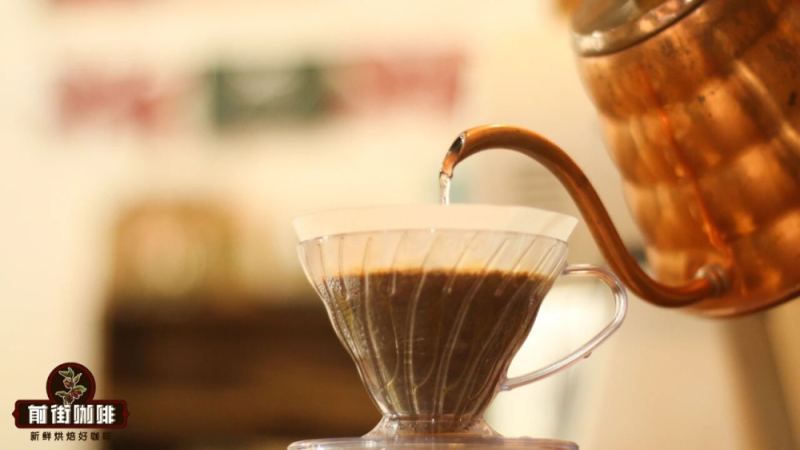
Pour-over coffee, simply put, is pouring hot water over ground coffee and getting the coffee liquid through filter paper and a dripper; the whole process lasts about two minutes. Because the pouring speed, direction, and water temperature are all controlled by the operator, the taste brewed each time is almost never the same. The equipment isn't complicated, but it greatly tests technique and experience.
【Pour-Over Coffee Equipment】
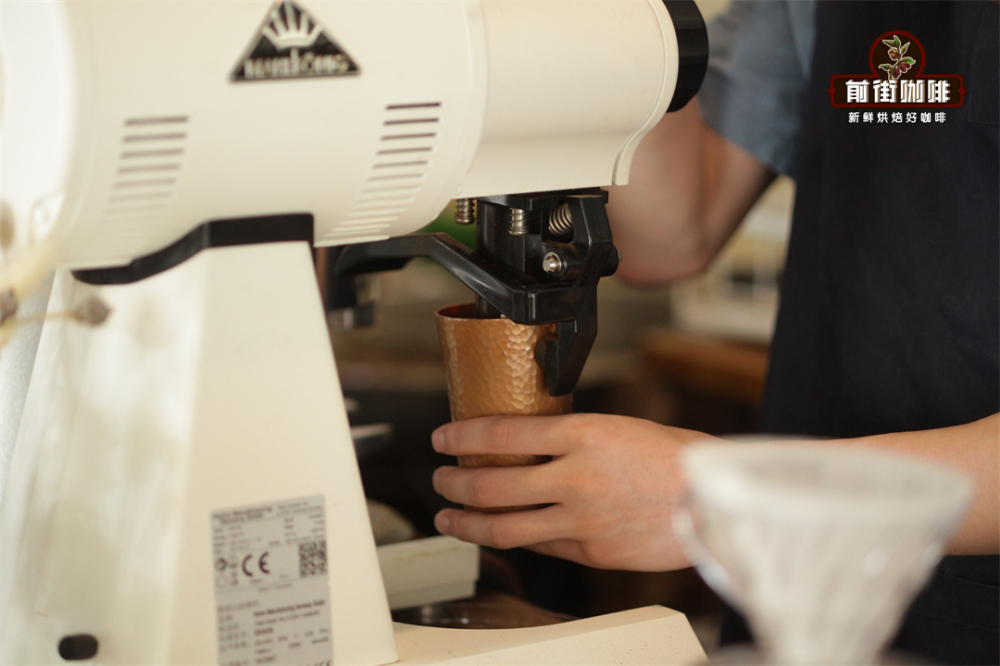
Grinder: Freshly ground coffee is the freshest, and the coarseness and uniformity of the grounds directly affect pour-over flavor. The grind suitable for pour-over is about the size of No. 2 granulated sugar; the more uniform, the better the final taste.
Filter paper: Different drippers require matching filter paper. Filter paper can absorb some off-flavors and oils; unbleached filter paper may carry a papery taste, so it should be rinsed before brewing. Front Street Coffee uses the acid-washed bleached filter paper made by Kono shown below, so whether to rinse matters little.
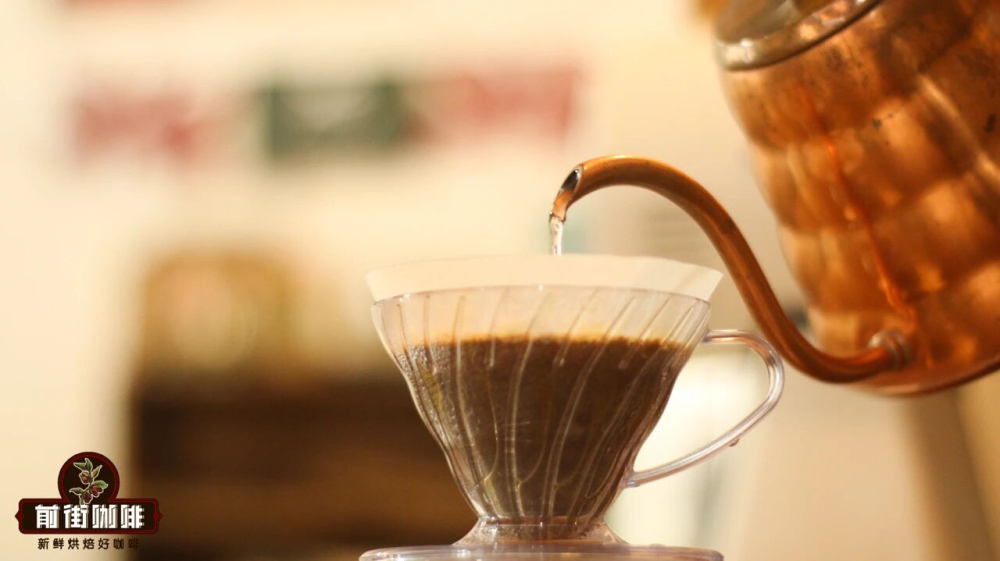
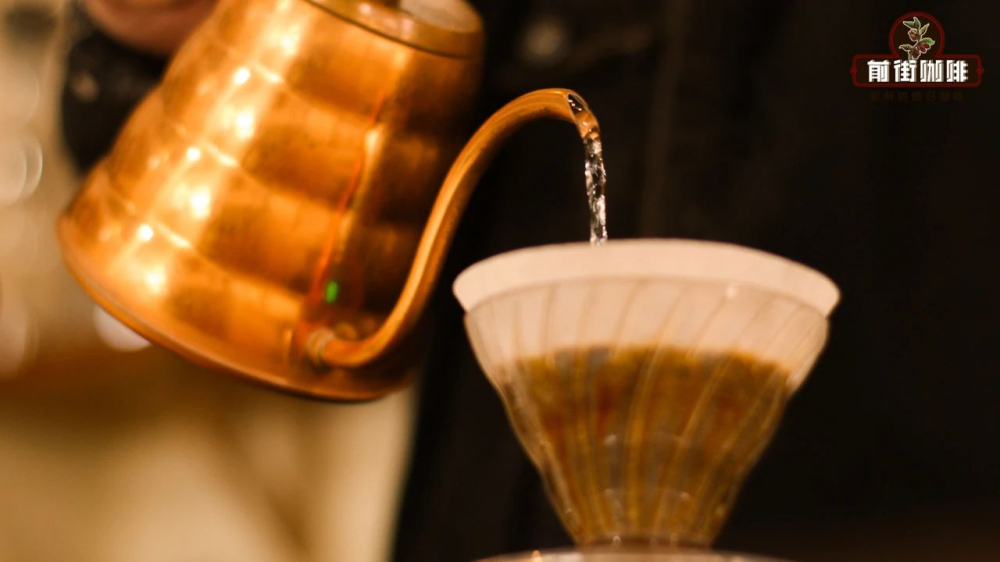
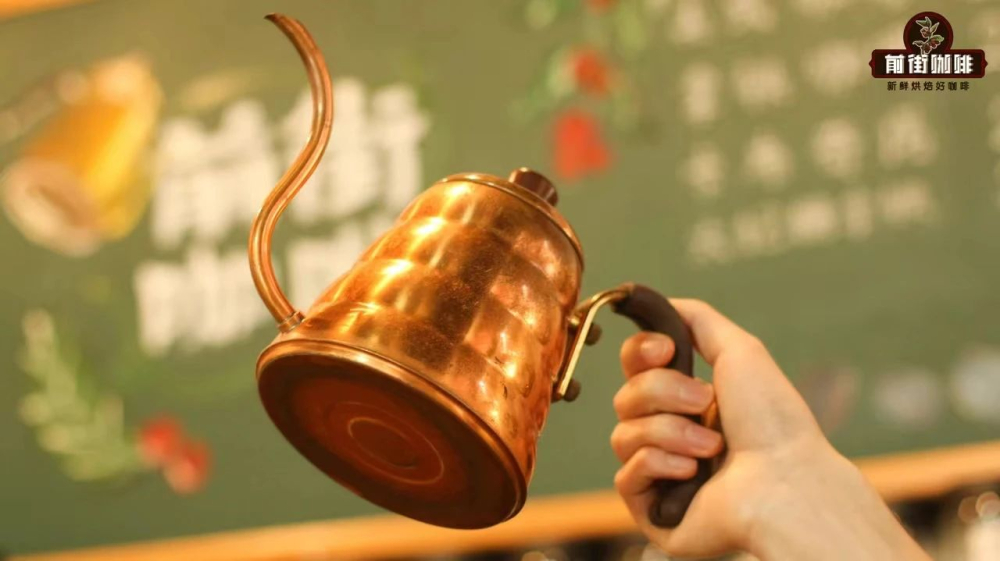
Pouring kettle: Pouring kettles on the market vary widely in size and material; just choose according to your needs. What truly affects brewing is the spout diameter, because it determines the flow rate. Beginners are usually advised to choose a narrow-spout kettle (see below), which is easier to control. In addition, each pouring kettle suits different heating methods (induction or gas), so pay special attention when buying.
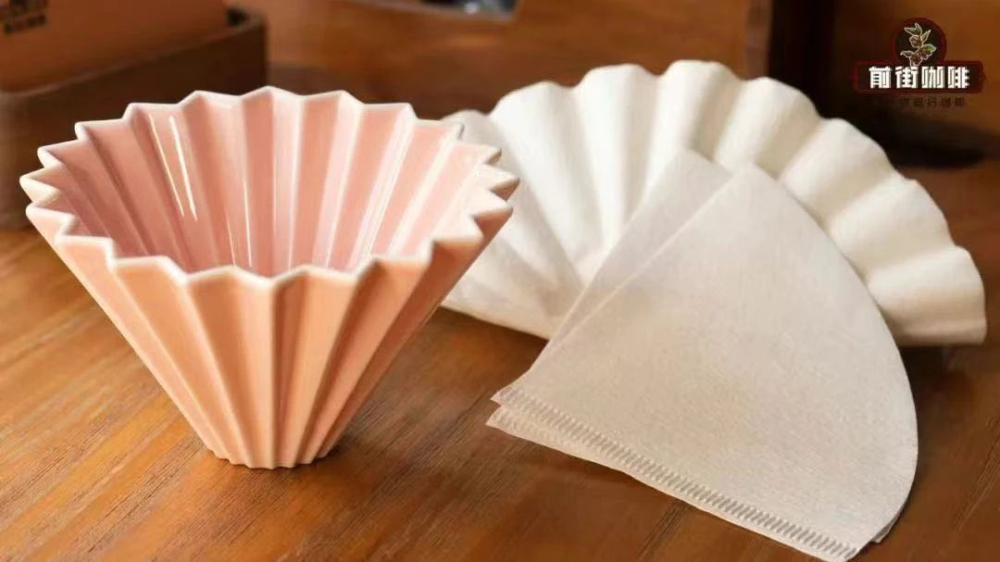
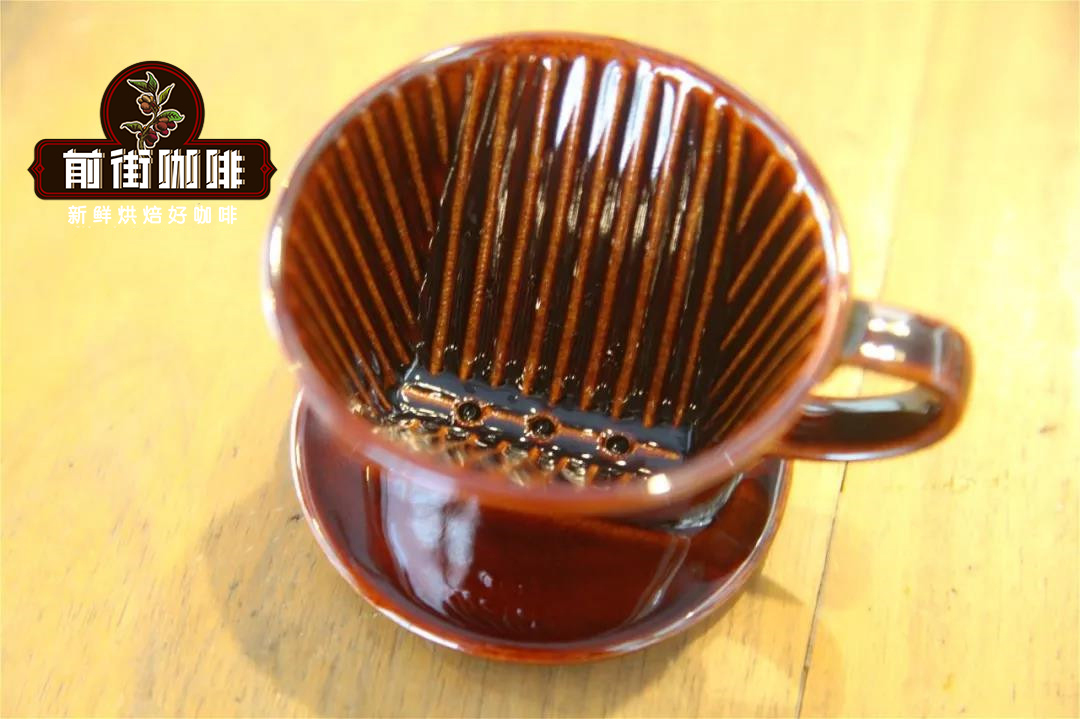
Dripper: Drippers also differ in size and material, with three main shapes: fan-shaped, cone-shaped, and wave-shaped. The size of the dripper's bottom opening changes the flow rate of the coffee liquid, thus affecting the final flavor.
The fan-shaped dripper has a small opening and slow flow, making the coffee taste fuller; the cone-shaped dripper has a large opening and fast flow, giving a lighter mouthfeel; the wave-shaped dripper has a flat bottom and, with special wave filter paper, produces the most balanced coffee.
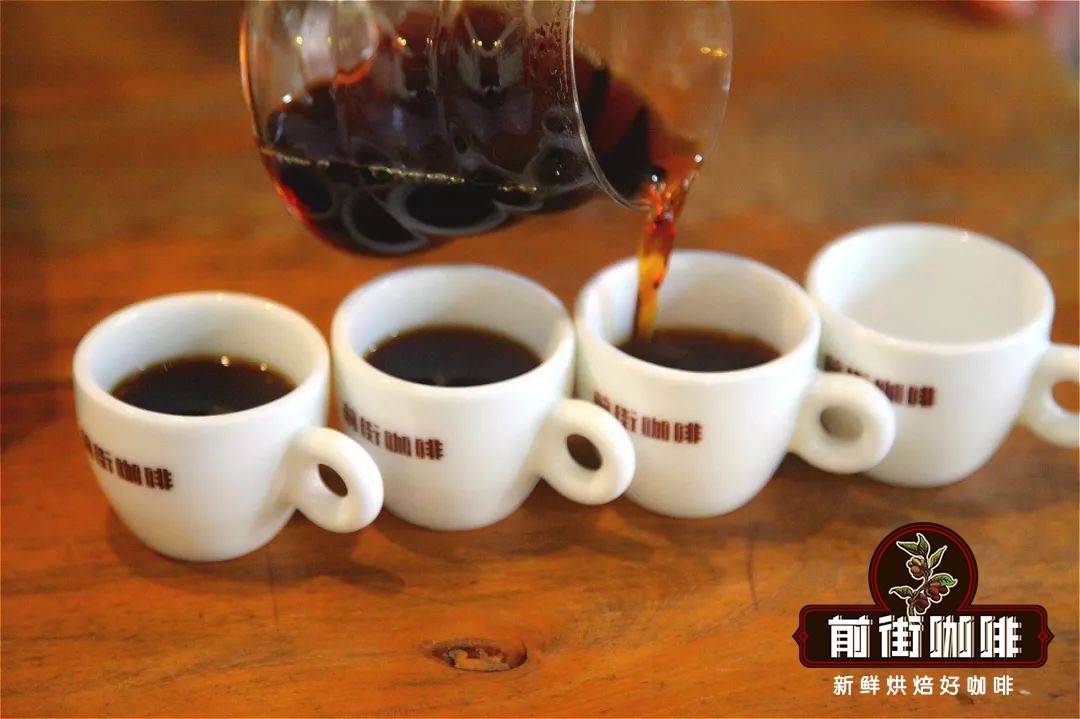
Server and coffee cup: Used to catch the brewed coffee; it's best to preheat the cup in advance to maintain the coffee's temperature.
Auxiliary tools: An electronic scale, thermometer, and timer can make the brewing process more precise.
【Characteristics of Pour-Over Coffee】
Fast extraction, high efficiency: Compared with other brewing methods, during pour-over fresh hot water constantly passes through the coffee grounds, so extraction is faster and can bring out more substances from the coffee surface. But because it's fast, a slight mistake can lead to over-extraction. It's like frying fish in a pan over high heat—the fish has a large heated surface area, but if you don't control it well, it easily burns.
Many variables: Although it's only a few minutes, water flow speed, water temperature, coffee ground size, dripper shape, and more all affect the final flavor, so sufficient preparation and homework are needed before brewing.
Diverse flavors: Coffee brewed under different conditions tastes different, and different bean varieties suit different conditions. Here Front Street briefly lists a few coffees suitable for most people to choose from: for those who like floral flavors, we recommend Front Street Panama Geisha coffee, one of the most expensive coffees in the world; for those who like fresh, slightly acidic coffee, we recommend Front Street Huakui coffee, which has notes of black tea and berries;
For those who like balanced taste—coffee that is neither sour nor bitter—we recommend Front Street Brazil Cerrado, Front Street Strawberry Candy, and Front Street Mozart; finally, for those who love a solid, full-bodied mouthfeel, we suggest buying the highest-grade Front Street Golden Mandheling coffee. These beans undergo multiple rounds of hand sorting, minimizing the defect rate so the coffee aroma is clearer and the sweet aftertaste more outstanding. All the above drip bag coffees can be purchased and ordered at Front Street stores and the Front Street Tmall flagship store.
By now you may think pour-over coffee is complex and technique-heavy, seemingly not easy to get started with. True, pour-over coffee is indeed harder than using a coffee machine, but Front Street Coffee believes pour-over coffee is like buying flour and kneading dough yourself—every detail is under your control, so the coffee you finally brew is naturally unique. And by adjusting each variable, you can explore all kinds of possible flavors in coffee—this is exactly the charm of pour-over coffee!
Simple Pour-Over — Drip Bag Coffee
A scaled-down version of pour-over, convenient, quick, and affordable. Although it can't display as many aroma layers as pour-over coffee, it maintains a certain coffee flavor and is an ideal choice when you want a cup of single-origin coffee while busy.
【How to Brew Drip Bag Coffee】
Taking Front Street Coffee's drip bag coffee as an example, the coffee grounds weigh 10g.
Tear open the outer packet, take out the drip bag inside, tear open the drip bag's opening, pull the two small ears on both sides outward and set them on the cup.
Try to choose a cup with a rim that isn't too wide; otherwise the two ears of the drip bag may not hang securely. The cup used by Front Street Coffee has a rim diameter of about 8-9cm.
The brewing method for drip bag coffee is actually the same as pour-over coffee, just less rigorous than pour-over, but basically water temperature, blooming, and circular pouring are still needed. The parameters Front Street Coffee uses for brewing drip bag coffee can be referenced as follows: water temperature 90℃, blooming about 10s, and the blooming water amount equal to the coffee grounds.
After blooming ends, simply pour water until finished; if you want to be more particular, you can pour in two stages. The amount of water is determined by the chosen cup; Front Street Coffee chose a 300ml glass cup, pouring in a small circular stream and stopping when the cup is 70% full.
When brewing is finished, remove the drip bag; once brewed it can't be used again, because the substances in the coffee grounds have already been extracted—brewing again would leave nothing to extract and the taste would be very watery. Don't feel it's wasteful to brew only once; drip bags sold on the market today basically guarantee fresh grinding, and the price is very nice too.
If you like it iced, you can add some ice cubes, and milk works too!
The above content is compiled by CoffeeHunters, a coffee news website.


