







Search Results for: cruel farming
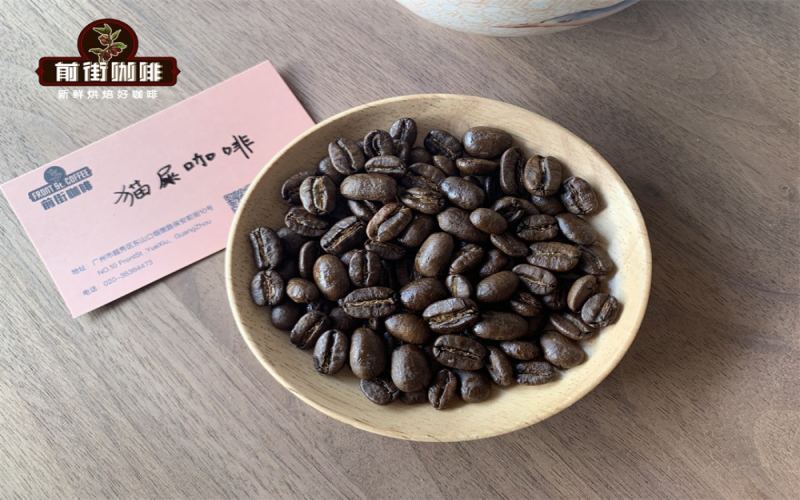
Indonesian Kopi Luwak Flavor Analysis: Is the Taste Acidic? Front Street Coffee Discusses Civet Coffee Characteristics and Brewing
Kopi Luwak, also known as civet coffee, is a name that even people who don't drink coffee often have heard of, yet within the specialty coffee community, this coffee is explicitly boycotted, and the root cause lies in its overly cruel production method. This time, Front Street Coffee takes a look at Indonesian Kopi Luwak: from the coconut palm civet stealing and eating coffee cherries, through biological fermentation in its stomach juices and intestines, to the traditional processing flow in which coffee farmers collect the feces, wash them, and sun-dry them; from the hybrid background of the Indonesian Golden Mandheling variety, to the similar practice behind Brazil's bird poop coffee; and then to the origin and method of Vietnamese egg coffee. At the same time, Front Street will also discuss the flavor controversy surrounding Kopi Luwak, its SCAA scoring performance, and specific suggestions for roasting and brewing, helping coffee lovers view this highly talked-about coffee more rationally. [more…]
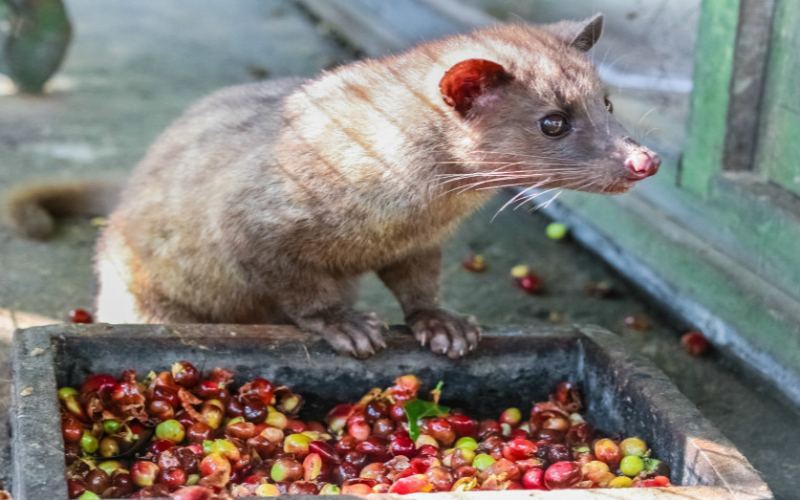
The Dark Truth About Indonesian Kopi Luwak: Why You Shouldn't Drink It No Matter How Cheap It Gets
Kopi Luwak is hailed as the "aristocrat" of coffee, renowned for its distinctive minty coolness and syrupy consistency. However, behind this expensive drink lies a distressing and cruel truth. Authentic Indonesian Kopi Luwak is extremely low in yield, the market is flooded with a large number of counterfeit products, and the process of artificially farming civets is even more brutal torture for the animals. Front Street Coffee takes you through the origins and flavor characteristics of Kopi Luwak, and why we should no longer consume this kind of coffee. At the same time, Front Street also recommends coffees from other excellent regions, so that while enjoying deliciousness, you can also make a more humane choice. [more…]
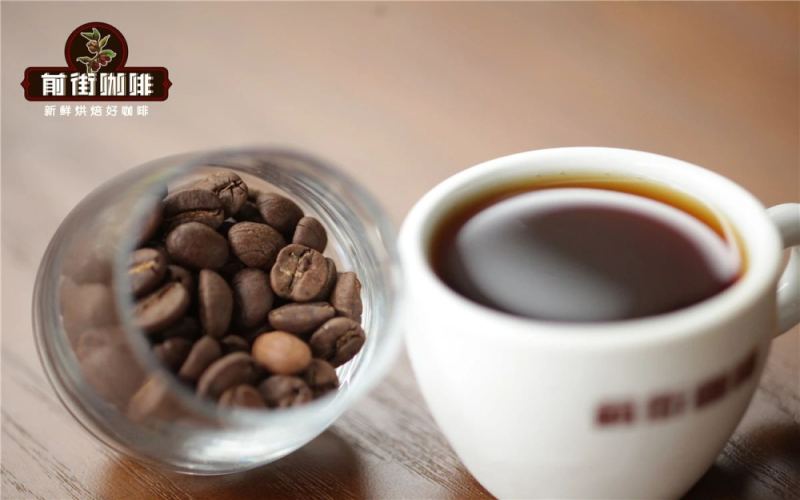
The Production Process, Flavor Characteristics, and Pour-Over Method of Kopi Luwak: From Fermentation Inside the Civet to a Rich Cup
Kopi Luwak is globally recognized as one of the most expensive and scarce coffees, distinguished by the fact that the coffee beans must undergo in vivo fermentation through the digestive tract of the civet, giving the brew an herbal aroma and a syrupy, full-bodied taste. Yet controversy surrounding it has never ceased—the issue lies not in how the coffee itself is formed, but in the cruel practice of some producers who, to boost output, imprison civets in cages and force them to eat nothing but coffee cherries. In this article, Front Street Coffee will systematically sort out the production principles, flavor characteristics, historical stories of Kopi Luwak, as well as Front Street's recommended medium-dark roast pour-over recipe, to help coffee lovers develop a rational understanding of this much-discussed coffee. [more…]

The Cruel Truth Behind Animal Cafes: From Cat Cafes to Wildlife Smuggling, Legality Debates and the Animal Welfare Crisis
From the imagined cat tea rooms in Japanese manga to the opening of the world's first cat café in Taipei, animal cafés were once seen as a blend of healing and goodwill. Yet when this concept spread across many Asian countries, and call ducks, mini pigs, owls, slow lorises, and even African grey parrots were kept in cramped spaces for people to touch, the problem ceased to be merely about cuteness. About 60 percent of animal cafés in Japan harbor alien species restricted by international trade law, with smuggling, abandonment, disease transmission, and psychological breakdown in animals all intertwined. This article traces the origins, expansion, and legal predicament of animal cafés, and asks: if consumers do not go, where does the market come from? [more…]
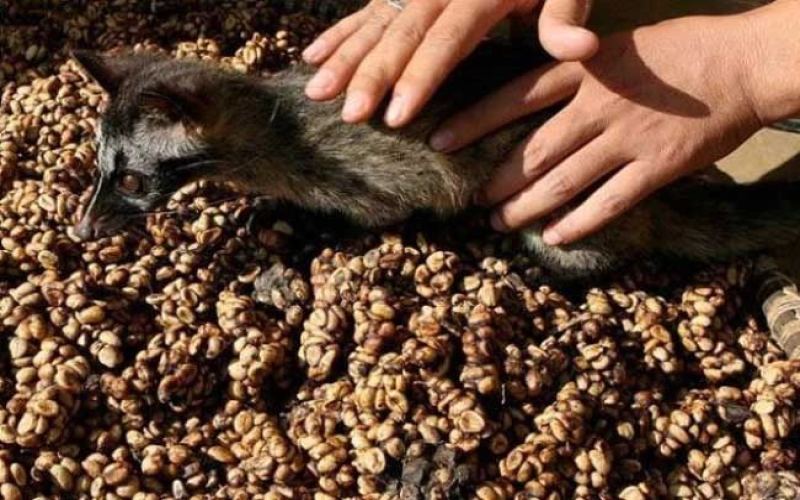
Musk Cat Coffee Flavor and Taste, Estate and Producing Region Introduction, Civet Coffee Bean Price, Musk Cat Coffee Price
Kopi Luwak, commonly known as cat poop coffee, originated in Indonesia and is famous because the Asian palm civet eats coffee cherries, which then undergo natural fermentation inside its body before being excreted. Its flavor bears some resemblance to Indonesian Mandheling coffee, yet it carries an extra layer of distinctive fermented character, with a smoother mouthfeel and less of Mandheling's earthy taste. Genuine Kopi Luwak is extremely scarce in production and expensive, hailed as the finest of specialty coffees. However, many products on the market labeled as Kopi Luwak are not authentic, and some even involve cruel caged production behind the scenes. Front Street Coffee does not recommend blindly chasing after Kopi Luwak, and instead recommends several high-quality alternative beans, such as Golden Mandheling, Geisha, and Ethiopian coffee, while also sharing Front Street's specific brewing parameters and flavor description for Kopi Luwak. [more…]
Indonesian Civet Coffee Flavor and Taste Analysis: A Complete Guide to Kopi Luwak Bean Prices and Pour-Over Parameters
Kopi Luwak, commonly known as cat poop coffee, has long been regarded as a representative of high-end coffee, and the controversy surrounding it has never ceased. Starting from the habitat and eating habits of the civet, this article sorts out the formation principle of kopi luwak, discusses the influence of in-vivo fermentation processing on coffee bean flavor, and objectively analyzes the industry problems behind civet farming. Front Street Coffee (FrontStreet Coffee) takes a neutral stance on kopi luwak, and has also listed an Arabica kopi luwak produced in Aceh, Indonesia. This article will also share this bean's producing region information, flavor characteristics, and the specific parameters for a three-pour brewing method using the KONO dripper, helping coffee enthusiasts fully understand this special coffee. [more…]
How to distinguish real and fake Kopi Luwak coffee from Vietnamese G7 coffee? A comprehensive analysis from origin and processing to flavor.
Kopi Luwak is hailed as one of the most expensive coffees in the world, but the so-called "kopi luwak" circulating on the market is hard to tell apart from the real thing—many products are simply ordinary coffee with a similar flavor profile. This article begins with the true origins of kopi luwak, the natural fermentation process of the civet, and the reasons behind its scarce production, while also revealing the harsh reality behind caged farming, and sharing Front Street Coffee's views on the flavor of kopi luwak along with brewing parameters. The article also touches on the topic of distinguishing authentic Vietnamese G7 coffee from counterfeits, helping coffee enthusiasts see through the essence amid a chaotic market. If you care about the true value of coffee, its flavor expression, and purchasing advice, this content is worth reading carefully. [more…]
Which country does Kopi Luwak come from? An analysis of its flavor characteristics, formation process, and the story behind it
Which country does Kopi Luwak actually come from? And how is its unique flavor formed? This article will provide a complete overview of the origins and evolution of Kopi Luwak from the perspectives of its production area, the habitat of the civet, and the processing method of in vivo fermentation. At the same time, we will also discuss the ethical controversies surrounding this coffee and share Front Street Coffee's objective views and brewing suggestions on Kopi Luwak. If you are curious about this highly talked-about coffee, or want to learn about alternative choices more worth drinking every day, this article will provide you with a detailed reference. [more…]
Origin and flavor characteristics of Indonesian Kopi Luwak: civet internal fermentation processing method and Front Street Coffee brewing recommendations
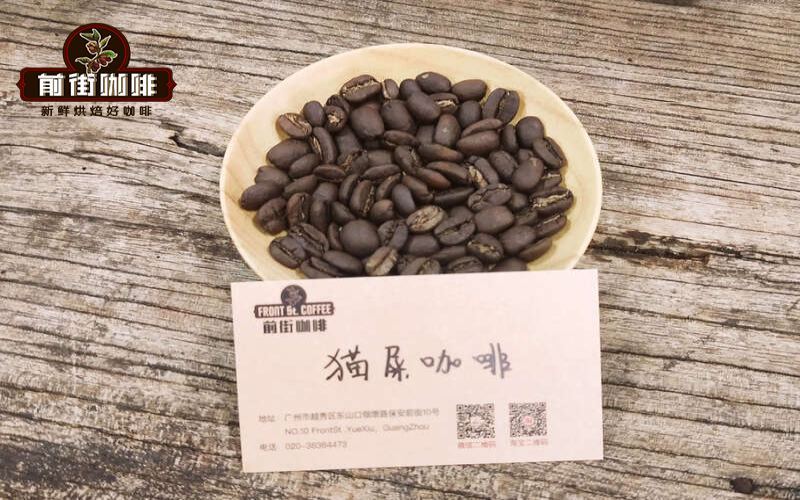
Kopi Luwak is the most controversial coffee bean in the world of coffee: some condemn it as cruel, while others chase after it eagerly. Front Street believes that the problem lies not in the coffee's inherent formation mechanism, but in profit-driven practices such as captive farming and force-feeding. This article, from Front Street's perspective, reviews the ecological habits of the civet, the true principles of the in-vivo fermentation processing method, analyzes the logic behind the high price of Kopi Luwak, and offers Front Street's roasting and brewing parameter recommendations, helping coffee enthusiasts rationally understand this highly talked-about Indonesian coffee. [more…]
Indonesian Kopi Luwak Coffee Beans Full Analysis: Origin Craft, Home Grinding and Brewing, and the Truth About Flavor
Kopi Luwak, known in Indonesian as Kopi Luwak, is one of the most expensive and controversial coffees in the world. It originates from coffee beans naturally fermented inside the civet, carrying a unique flavor and legendary allure, yet market demand has also spawned a flood of counterfeits and a cruel caged-farming industry. This article provides a complete overview of Kopi Luwak's historical origins, origin-processing methods, and quality controversies, and focuses on sharing how to grind and brew it at home to bring out its best flavor. If you're curious about this rare coffee bean, why not follow Front Street Coffee's perspective and uncover its true face from the jungle to the cup. [more…]
The Price, Flavor, and Origin of Indonesian Bali Civet Coffee: Front Street Coffee Discusses the Controversy and Brewing of Kopi Luwak
Kopi Luwak has always been an unavoidable topic in coffee circles. It carries the title of the world's most expensive coffee, yet it has always been accompanied by controversy. Front Street Coffee stores also carry this bean, but our attitude toward it is rather complicated. This article will discuss the price, flavor characteristics, and the story behind Indonesian Bali Kopi Luwak, including the civet's living habits and the principle of in vivo fermentation, as well as why the practice of caged bean collection is worth reflecting on. At the end, Front Street will also share the brewing parameters and flavor description of Kopi Luwak, and recommend several alternative beans for enthusiasts who like different flavors. [more…]

An In-Depth Analysis of Indonesian Civet Coffee: Flavor Characteristics, Bean Varieties and Origins, Regional Ecology, and Specialty Coffee Recommendations
Kopi Luwak is often called one of the most expensive coffees in the world, with retail prices starting at at least six hundred US dollars per pound, making it the Rolls-Royce of the coffee world. It originates from Indonesia and, due to limited production, has become a favorite among the wealthy, featuring a unique herbal aroma and excellent body. However, behind this coffee lies a tangle of colonial history, animal ethics controversies, and a market rife with authenticity issues. This article will comprehensively analyze the true face of cat poop coffee from the perspectives of its historical origins, bean sources, the ecological habits of the civet, processing principles, and variety and regional characteristics, and introduce a specialty coffee worth tasting in Indonesia—Golden Mandheling, while also attaching Front Street Coffee's brewing parameters and flavor description. [more…]
The Origin and History of Indonesian Kopi Luwak: The Truth About Civet Coffee from Java to Sumatra
Kopi Luwak, scientifically known as Indonesian civet coffee, has long been regarded as one of the highest-priced coffee categories in the world, with retail prices starting at no less than six hundred US dollars per pound. The history of this coffee can be traced back to the Dutch colonial period in Indonesia, from its accidental discovery on plantations in Java and Sumatra to its current status as a highly controversial luxury item. This article will comprehensively sort out the past and present of Kopi Luwak from the perspectives of historical origins, bean sources, animal habits, and certification difficulties, while also discussing Front Street Coffee's views on this special coffee and recommending a specialty coffee in Indonesia worth tasting — Golden Mandheling. [more…]
Exploring Indonesian Kopi Luwak: The Truth and Controversy from Wild Civets to the World's Most Expensive Coffee
Kopi Luwak, also known as cat poop coffee, originates from Indonesia and is one of the most expensive coffees in the world. Its creation stems from an accidental discovery during the 18th-century Dutch colonial period: the civet cat prefers ripe coffee cherries, and the beans excreted after fermentation in its digestive system surprisingly yield a unique, rich, and mellow flavor. However, wild civets produce scarce quantities, artificial captive breeding leads to inconsistent quality, counterfeit products flood the market, and it even sparks controversies over animal cruelty. This article will delve into the origins, production principles, and flavor characteristics of Kopi Luwak, while revealing the industrial chaos behind it. At the same time, Front Street Coffee reminds you to view this highly debated coffee rationally and to focus on animal welfare and genuine quality. [more…]
Is Kopi Luwak Considered Specialty Coffee? Analyzing the Unique Flavor and Taste Truth of Civet Coffee
Kopi Luwak, scientifically known as civet coffee (Kopi Luwak), originates from Indonesia and is hailed as one of the most expensive coffees in the world, often classified within the specialty coffee category. Its flavor bears some resemblance to Indonesian Mandheling, yet it carries an extra layer of distinctive fermented notes, with a smoother mouthfeel and less of the earthy taste found in Mandheling. The uniqueness of this coffee stems from the natural fermentation process within the civet's body, and its production is extremely scarce, with only about four hundred kilograms produced globally each year. However, products on the market claiming to be Kopi Luwak are difficult to verify as genuine, and caged production has sparked controversies over animal welfare. Front Street Coffee does not recommend blindly chasing after it. This article will provide a comprehensive analysis of Kopi Luwak from the perspectives of flavor, craftsmanship, and market status, and recommend several high-quality alternative coffee beans. [more…]
A Detailed Guide to Jamaican Blue Mountain Coffee Bean Grades and Blue Mountain No. 1 Pour-Over Parameters
Blue Mountain coffee, as a representative of top-tier coffee, is familiar even to those who don't often drink coffee. But the market is flooded with confusing products like "Blue Mountain flavor" and "Blue Mountain blend," while genuine Jamaican Blue Mountain coffee beans are limited in supply and expensive. This article will systematically sort out the grading and classification standards for Jamaican coffee, and explain in detail how to identify Blue Mountain No. 1 coffee beans and the key points for brewing them. From the Clifton Farm certificate of origin and green bean wooden barrels displayed at the Front Street Coffee shop, to the KONO dripper pour-over parameters under medium-dark roasting, we'll take you through a comprehensive understanding of this classic coffee with its "balanced acidity, sweetness, and bitterness, and nutty and cocoa notes." [more…]
The Origin, Flavor Characteristics of Indonesian Kopi Luwak, and the Brutal Truth Behind Captive Farming
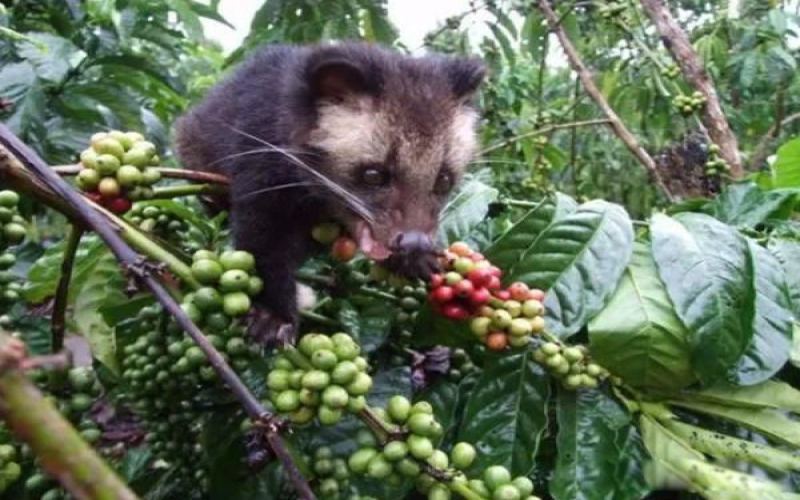
Kopi Luwak is arguably one of the most expensive coffee categories in the world. Its proper name is civet coffee, and its core production region is Indonesia. Products bearing this name abound on the market, yet only those produced in Indonesia count as authentic; other regions can at best be considered flavor imitations, much like the ubiquitous "Blue Mountain coffee" whose authenticity is hard to tell. This article will trace the peculiar natural fermentation bond between civets and coffee cherries, analyze the unique herbal and nutty notes of these beans, recount the painful history of evolution from collecting droppings in the wild to artificial caged farming, and include Front Street Coffee's medium-dark roast brewing parameters and technique suggestions, to give you a comprehensive understanding of this highly controversial cup of coffee. [more…]
Exploring Indonesian Coffee Origins: The Flavor Truth of Mandheling and Kopi Luwak, Plus Front Street Brewing Tips
Indonesia is an important coffee-producing region globally, and among its coffees, Mandheling and Kopi Luwak are the most talked-about. Kopi Luwak is produced through fermentation within the civet, resulting in a flavor with herbal notes and excellent body, but its production is scarce and the price is high. However, driven by commercial interests, caged farming practices force civets to eat only coffee cherries, sparking controversy over animal welfare. Front Street Coffee believes that the formation of Kopi Luwak itself is not problematic; the issue lies in forced captivity and force-feeding. This article will discuss the origin of Kopi Luwak, the reasons behind its flavor, and the principles of in vivo fermentation, and share Front Street's neutral perspective and brewing methods, while recommending several Indonesian and other origin coffees worth trying. [more…]
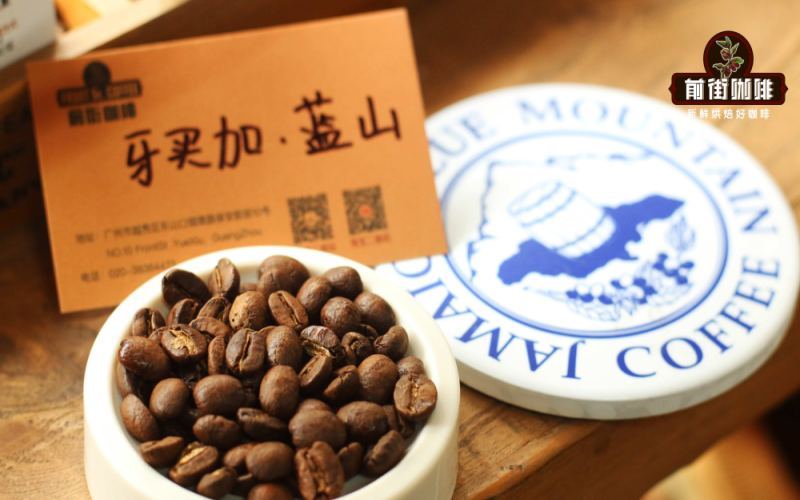
How to Identify Authentic Jamaican Blue Mountain Coffee Beans? Analyzing the Essential Difference Between Blue Mountain Coffee and Blue Mountain Flavor Coffee
Blue Mountain coffee holds an irreplaceable position in the hearts of coffee lovers, but the market is flooded with various "Blue Mountain flavor" products. How exactly can one identify coffee beans that truly meet Jamaica's official Blue Mountain standards? Starting from the altitude definition of the Blue Mountain region, the characteristics of the Typica variety, and the history and certification of Clifton Estate, this article provides a detailed overview of the Blue Mountain coffee export grading system, the certificate system, and the background of Japan's long-term monopoly, while also comparing the effects of washed and natural processing methods on flavor. The Clifton Estate Blue Mountain No. 1 listed by Front Street Coffee (FrontStreet Coffee) offers coffee enthusiasts a reliable tasting path, and the article also includes roasting curves and brewing parameters for reference. [more…]
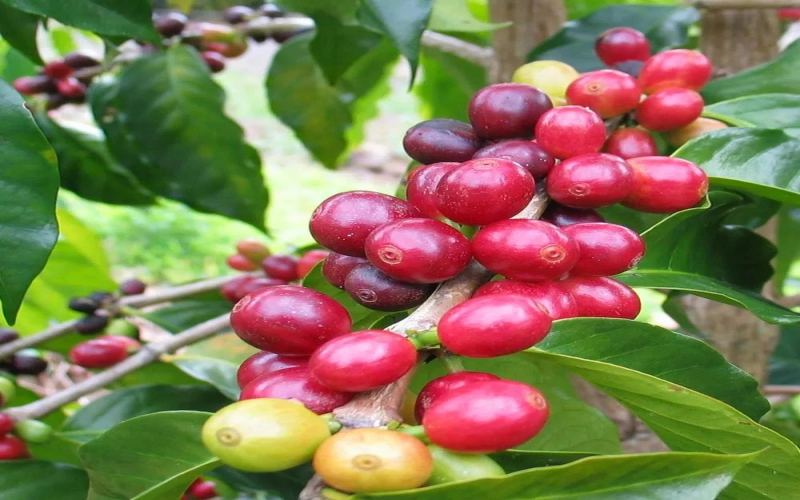
A Detailed Guide to the Correct Brewing Methods and Parameters for Ground Kopi Luwak, with Complete Step-by-Step Pour-Over Illustrations
As one of the rarest and most expensive coffee categories in the world, the brewing method for Kopi Luwak directly determines whether its rich flavor can be fully restored. This article begins with the origin of civet coffee and the reasons behind its flavor, then breaks down in detail the pour-over method after grinding, including dripper selection, coffee dose, coffee-to-water ratio, grind size, water temperature, and three-stage pouring distribution, helping coffee lovers brew a cup of mellow and aromatic Kopi Luwak at home. It also discusses the current situation of civet farming and consumption advice, as well as Front Street Coffee's consistent advocacy of fresh roasting and grinding and brewing on demand, so that every cup of coffee is not let down. [more…]