







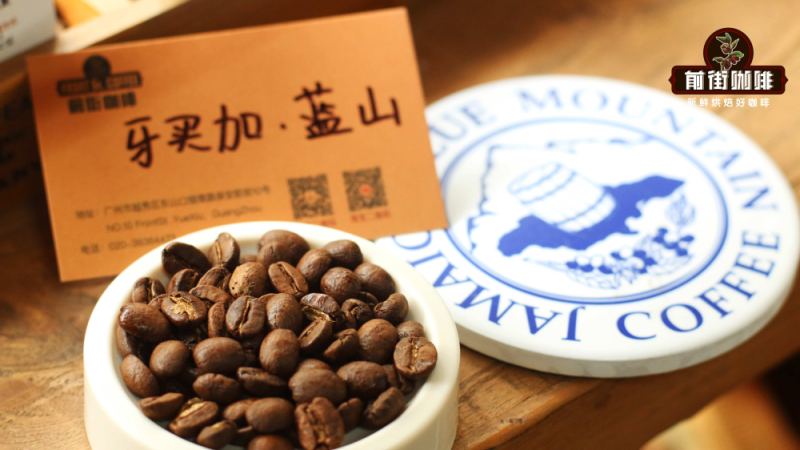
How Do You Identify Authentic Blue Mountain Coffee Beans?
Real Jamaican Blue Mountain coffee must be grown at 1,000 to 1,700 meters in the Blue Mountains of eastern Jamaica, touching St. Andrew, St. Thomas, St. Mary, and Portland. Beans from 500 to 1,000 meters are labeled Jamaica High Mountain, and those below 500 meters only Jamaica Prime. Anything called "Blue Mountain flavor" is not the real mark.
The Typica variety, the Clifton Mount Estate, the export grading and certificate system, and Japan's long-term monopoly all help explain why is blue mountain coffee so expensive. Washed and natural processing also shift the flavor. Shoppers can look for rainforest alliance certified coffee beans alongside official Blue Mountain documentation when judging a genuine lot.
Blue Mountain coffee holds an irreplaceable status in the hearts of coffee lovers, but the market is flooded with various "Blue Mountain flavor" products. How exactly can one identify coffee beans that truly meet Jamaica's official Blue Mountain standards? This article starts from the altitude definition of the Blue Mountain producing region, the characteristics of the Typica variety, and the history and certification of Clifton Mount Estate, and provides a detailed overview of the Blue Mountain coffee export grading system, the certificate system, and the background of Japan's long-term monopoly. It also compares the effects of washed and natural processing methods on flavor. The Clifton Mount Estate Blue Mountain No. 1 listed by Front Street Coffee (FrontStreet Coffee) offers coffee enthusiasts a reliable tasting path, and the article also includes roasting curves and brewing parameters for reference.
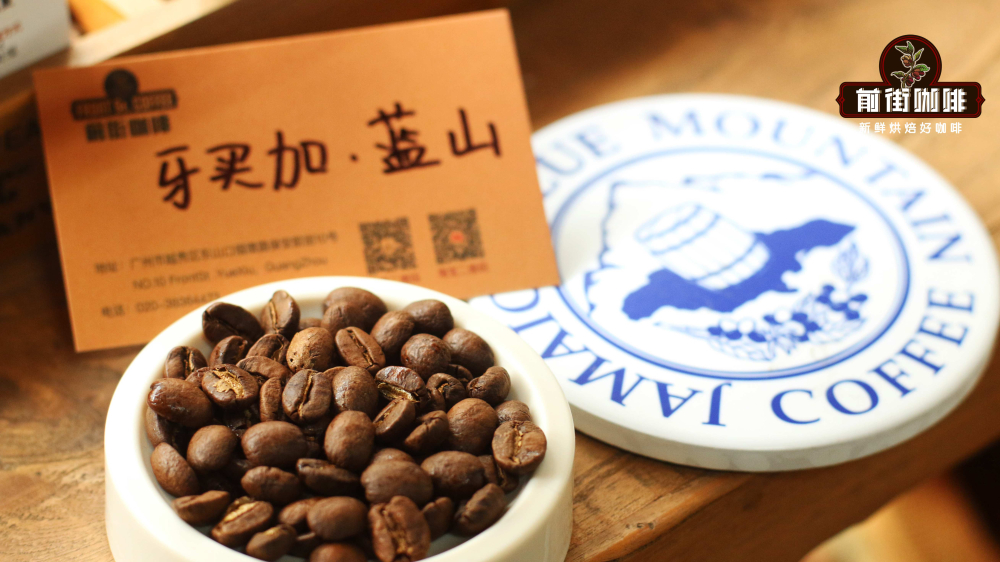
For more specialty coffee knowledge, please follow the WeChat public account: Front Street Coffee (FrontStreet Coffee).
Coffee lovers in China and Japan have always held a special affection for Jamaican Blue Mountain coffee beans. They are captivated by the fame of Blue Mountain and by its elegant aroma intertwined with sweetness. The words "Blue Mountain" have even become the introductory term for many people entering the world of coffee, which is why a large number of beverages labeled "Blue Mountain coffee flavor" have appeared on the market. However, these products have no connection to real Blue Mountain coffee. In order to let coffee lovers experience this classic among classics, Front Street Coffee (FrontStreet Coffee) specially introduced and listed an authentic Blue Mountain No. 1 coffee bean produced at Clifton Farm.
Jamaica Blue Mountain growing region
The Blue Mountains are located in eastern Jamaica, slightly touching four administrative parishes: St. Andrew, St. Thomas, St. Mary, and Portland. Only coffee grown at an altitude between 1,000 and 1,700 meters is eligible for the official certified Blue Mountain mark. In other words, even if the coffee trees grow within the Blue Mountain region, if the altitude is only 500 to 1,000 meters, the beans produced cannot be labeled as Blue Mountain coffee and can only be exported under the name Jamaica High Mountain coffee. As for coffee below 500 meters, it is classified only as Jamaica Prime coffee.
Coffee varieties grown in Blue Mountain
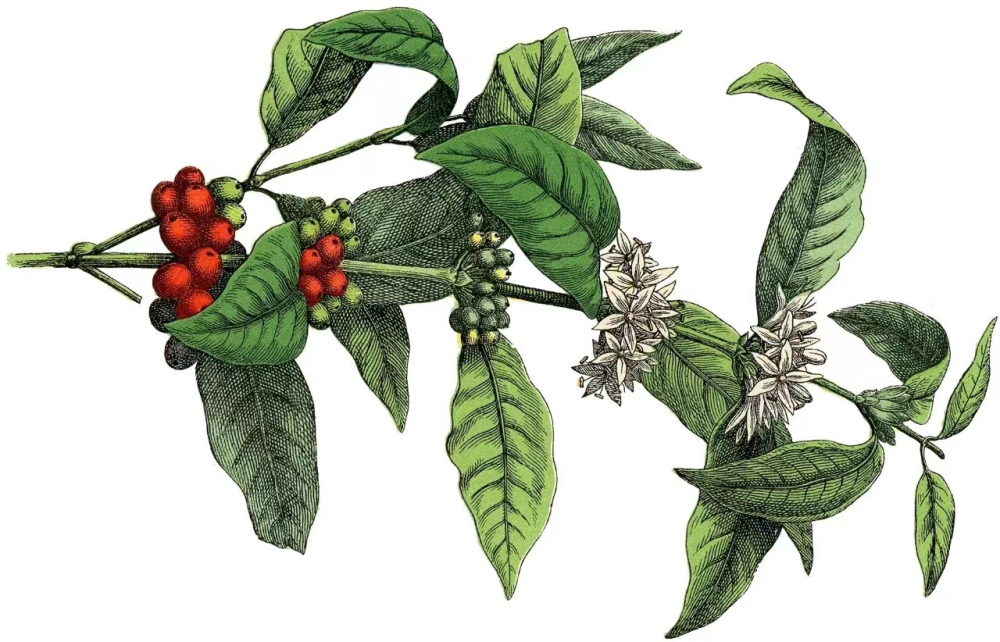
Typica: The growing tip is bronze-colored, the beans are oval or slender-pointed, the trunk is upright, and the branches tilt slightly outward at an angle of about 50 to 70 degrees. The flavor is elegant, but the plant is relatively weak, has poor disease resistance, and produces very little fruit per tree. The Typica tree has a notable feature at the leaf tip, namely a reddish-copper color, so it is also called red-top coffee. The opposite leaves of the coffee tree are oblong, smooth on the surface, with longer terminal branches and few lateral branches. The flowers are white and grow at the junction of the leaf stalk and branch. The ripe berry resembles a cherry and is bright red. Blue Mountain Typica was introduced to Jamaica's Blue Mountains from Martinique in the 1720s. After more than two hundred years of evolution, Blue Mountain Typica developed better disease resistance, especially better tolerance to fruit rot than ordinary Typica. However, once it leaves Jamaica, Blue Mountain Typica can no longer reproduce that clear sweetness and elegant aroma.
Clifton Mount Estate
The two Blue Mountain coffees currently listed by Front Street both come from Clifton Farm. Clifton Mount is one of Jamaica's oldest coffee producing sites still in normal operation, and it is the only Clifton farm in Jamaica with Rainforest certification. The farm began planting and processing coffee as early as the mid-18th century (around 1750). The average altitude of the farm's cultivation and processing area is 4,300 feet (about 1,310.64 meters). Sufficient altitude, gentle afternoon cloud shade, abundant sunlight, and mineral-rich soil provide a superior growing environment for the coffee trees and also extend the ripening period of the coffee cherries.
What is Rainforest certification?
Rainforest Alliance certification means that a farm must meet the standards set by the Rainforest Alliance. The alliance evaluates the protection of the farm and its surrounding ecosystem, restrictions on pesticide use, and waste management, among other indicators. Only coffee that passes the assessment and obtains certification can be called "Rainforest Alliance Certified coffee." The coffee certification standards stipulate that traditional cultivation methods under native forest shade must be adopted, that is, farming methods that help protect the ecosystem. Part of the alliance's revenue is also used for wildlife protection in tropical rainforest animal reserves and for improving workers' living conditions.
Why is Blue Mountain coffee so expensive? The high price reflects cost.
Jamaica's annual coffee production is about 1,200 to 2,400 metric tons, but authentic Blue Mountain coffee is only about 600 to 1,000 metric tons. In addition, more than 80% of Blue Mountain coffee is monopolized by Japan, causing domestic Blue Mountain coffee prices to remain high. Its high price does not reflect how rich and splendid Blue Mountain coffee beans are, but merely the cruel reality of scarce island coffee production and high costs.
Why can Japan monopolize so many Blue Mountain coffee beans?
The Jamaican government established the Jamaica Coffee Industry Board in 1950. The board is responsible for setting quality standards for Jamaican coffee and supervising their implementation to ensure the quality of Jamaican coffee. The board issues special official seals for green beans and roasted beans exported from Jamaica. Because Japan provided loans that helped improve production quality, market supply was guaranteed. It was not until 2009 that Jamaica ended Japan's priority purchasing rights. In April 2011, the first batch of Blue Mountain No. 1 coffee arrived in mainland China.
Blue Mountain coffee export standards
The CIB stipulates that only Blue Mountain coffee beans produced in Jamaica's Blue Mountain region above 2,200 feet can bear the name Jamaican Blue Mountain. Its grades are divided by bean size into NO.1, NO.2, NO.3, and hand-selected PB. Among them, the basic standards for NO.1 Blue Mountain green beans are: beans of 17 mesh or above, defect rate below 3%, moisture content about 13%, etc. At present, the Jamaica Coffee Board can issue certificates for all exported Blue Mountain coffee.
Certificates are divided into three types:
(1) Quality certificate issued by the Jamaica Coffee Board
(2) Authorized sales certificate issued by the Blue Mountain coffee producer.
(Blue Mountain coffee is distributed by 4 Jamaican government-licensed processors and producers, and exported by 16 licensed exporters.)
(3) Certificate of origin for Jamaican Blue Mountain coffee
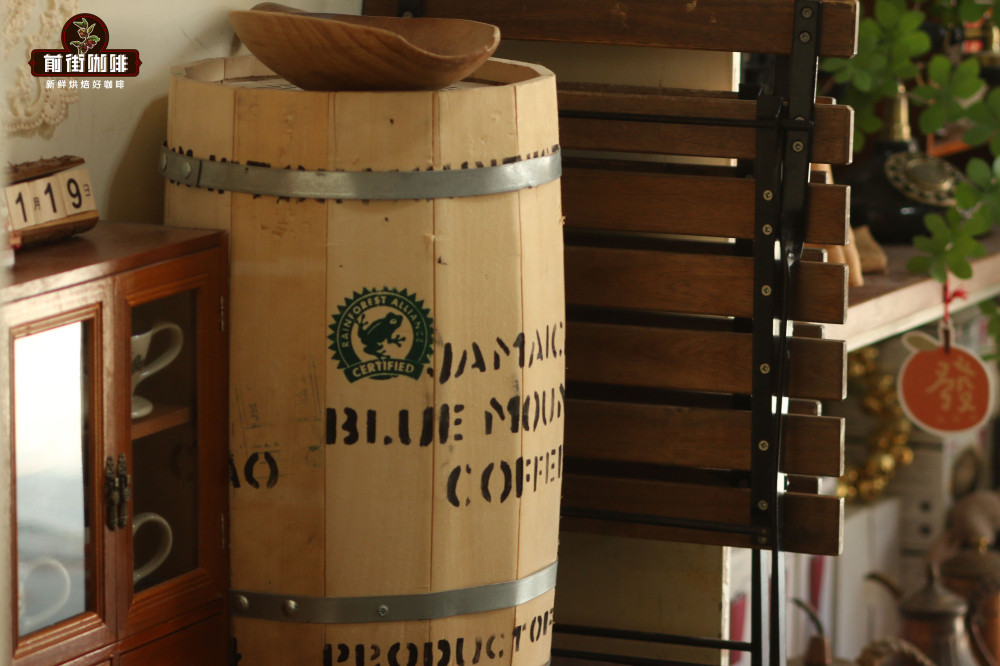
Front Street Coffee's (FrontStreet Coffee) Clifton Mount Estate Blue Mountain No. 1 coffee is precisely Blue Mountain coffee that has been designated by the national coffee board for export companies, loaded with green beans in wooden barrels, and possesses Rainforest certification.
Coffee from Jamaica's Blue Mountain producing region is divided into three grades:
Blue Mountain Coffee
Jamaica High Mountain Supreme Coffee Beans
Jamaica Prime Coffee Beans
Among them, Blue Mountain coffee and High Mountain coffee are each further divided into two grades. From highest to lowest quality, they are: Blue Mountain No. 1, Blue Mountain No. 2, High Mountain No. 1, High Mountain No. 2, and Jamaica coffee. Usually, coffee grown at an altitude of 1,600 meters is called Blue Mountain coffee. Coffee grown between 274 meters and 457 meters above sea level is usually called Jamaica Prime Coffee Beans. In terms of price, Blue Mountain coffee is several times more expensive than High Mountain coffee. It is mainly distributed across five peaks: John Crow, St. John's Peak, Mossman's Peak, High Peak, and Blue Mountain Peak.
Processing methods of Blue Mountain No. 1 coffee beans
Before 2019, Blue Mountain coffee from Clifton Farm had always used the washed method to process green beans. During processing, the skin and pulp are first removed, and the beans are fermented for 12 to 18 hours. Then the fermented beans are moved back and forth in a water tank, using friction between the beans and the force of the water to wash the coffee beans until they are smooth and clean. After washing, the coffee beans are still wrapped in parchment and have a moisture content of about 50%. They must be dried in the sun to reduce the moisture content to 12% to 14%, otherwise they will continue to ferment and become moldy and spoiled. After that, the coffee beans are sorted and then stored in specialized warehouses. The washed processing method ensures that Blue Mountain coffee has a rich aroma and balanced mouthfeel, without any single flavor being too prominent or lacking.
In 2019, Clifton Farm broke with its established model and used the natural process for the first time. For Front Street, this natural Blue Mountain coffee changed Blue Mountain's inherent flavor structure because of the change in processing method. Each time Front Street Coffee (FrontStreet Coffee) introduces coffee beans from a certain producing region to guests, it gives priority to recommending washed beans, because washed coffee best represents the flavor of that region. Of course, the use of the natural process for Blue Mountain coffee is more about following the trend of market development.
How does Front Street roast washed Blue Mountain coffee and natural Blue Mountain?
In order to highlight the balance of acidity, sweetness, and bitterness in Blue Mountain coffee and its smooth mouthfeel, Front Street uses a medium-dark roast level, making these two coffees richer and fuller-bodied.
Washed Blue Mountain roasting curve: Charge when the drum temperature reaches 170°C, set the damper to 3, adjust the heat to 140°C after 1 minute, keep the damper unchanged, roast until 5'10'' when the temperature is 153°C, the bean surface turns yellow, the grassy smell completely disappears, and dehydration is complete. Adjust the heat to 115°C and change the damper to 4; at the 8'00" mark, ugly wrinkles and dark spots appear on the bean surface, and the toasted bread smell clearly turns into coffee aroma, which can be defined as the prelude to first crack. At this time, listen carefully for the sound of the first crack. At 8'12", first crack begins. Reduce the heat to 90°C and open the damper fully (adjusting the heat must be done very carefully, not so low that there is no cracking sound). Drop at 201.3°C.
Natural Blue Mountain roasting curve: Charge when the drum temperature reaches 165°C, heat at 130, damper set to 3. When the temperature is 116°C, set the damper to 4. At 128°C, set the heat to 140. Roast until 6'30'' when the temperature is 153°C, the bean surface turns yellow, the grassy smell completely disappears, and dehydration is complete. At the 9'00" mark, ugly wrinkles and dark spots appear on the bean surface. Keep the damper unchanged, lower the heat to 100, and the coffee beans clearly change from a toasted bread smell to coffee aroma, which can be defined as the prelude to first crack. At this time, listen carefully for the sound of the first crack. At 10'06", first crack begins. Drop at 198.5°C.
How does Front Street brew the two Blue Mountain coffees?
Dripper: Kono dripper
Coffee dose: 15g
Coffee-to-water ratio: 1:13
Water temperature: 88-89°C
Grind size: medium-coarse grind (75% passing a No. 20 standard sieve)
Front Street's staged brewing method: Brewing method: use 30g of water for a 30-second bloom, then pour 100g of water in a slow circular motion from the center outward with a small stream, that is, the electronic scale shows 130g. Then wait for the coffee bed to drop to the halfway point and pour 65g of water with a larger stream, bringing the total water amount to 195g. After all the coffee liquid in the dripper has flowed into the server, remove the dripper and end extraction. Total brew time is 1 minute 50 seconds.
[Natural Blue Mountain] The entry has a brown sugar sweetness accompanied by berry acidity, with nutty and cocoa flavors in the middle and back sections, a creamy mouthfeel, rich and obvious layers, and a finish that brings out the aroma of walnuts.
[Washed Blue Mountain] The entry has flavors of dark chocolate and nuts, high cleanliness, very bright, good body, and balanced acidity, sweetness, and bitterness.
For professional coffee knowledge exchange and more coffee bean information, please follow Coffee Workshop (WeChat public account: cafe_style). To get more specialty coffee beans, please add the private WeChat of Front Street Coffee (FrontStreet Coffee): kaixinguoguo0925.
The above content is compiled by CoffeeHunters, a coffee news website.


