








How Did Animal Cafes Move From Cat Cafes to Most Exotic Coffee Venues?
Animal cafes began with a cat cafe idea drawn from a 1980s Japanese manga and became real in 1998, when Taipei opened the first cat cafe to give stray cats a stable home. The concept then spread across Asia, and venues added call ducks, mini pigs, owls, slow lorises and African grey parrots.
The welfare and legal picture is now the main concern. Roughly 60% of animal cafes in Japan hold exotic species restricted under international trade law, according to the original report, which links the trade to smuggling, abandonment, disease transmission and stress in the animals. Refusing to visit is framed as one way to shrink demand.
From the idea of a cat coffee shop in Japanese manga to the opening of the world's first cat café in Taipei, animal cafés were once seen as a combination of healing and goodwill. However, as this concept spread to many Asian countries, and call ducks, mini pigs, owls, slow lorises, and even African grey parrots were kept in cramped spaces for people to touch, the issue ceased to be merely about cuteness. About 60% of animal cafés in Japan harbor exotic species restricted by international trade law, intertwined with smuggling, abandonment, disease transmission, and the psychological breakdown of animals. This article sorts out the origins, expansion, and legal dilemmas of animal cafés, and asks: if consumers don't go, where does the market come from?
For professional coffee knowledge exchange and more coffee bean information, please follow Coffee Workshop (WeChat public account cafe_style)
For more specialty coffee beans, please add the private WeChat of Front Street Coffee (FrontStreet Coffee), WeChat ID: qjcoffeex
As early as the 1980s, the concept of a cat coffee shop appeared in the Japanese manga What's Michael?. Various breeds of cats were envisioned as window models, attracting many cat lovers to enjoy cats while drinking coffee, and it is therefore regarded as the original idea for cat cafés.
In 1998, an owner in China's Taiwan region turned the manga into reality and opened the first cat café in Taipei, also the world's first cat café. The original intention behind the cat café was that the owner saw many stray cats with no home to return to, and could not keep so many cats at home.
So the idea arose to open a coffee shop and keep the cats in the store. For one thing, it could give these cats a more stable place to live, and for another, spending by customers could reduce the burden of raising them.
Kittens always feel fluffy and warm to the touch, and their purring can always heal and warm people. But some people cannot keep kittens because of their environment, yet very much need the healing that kittens bring, so this cat café attracted a great many people to visit.
The concept of cat cafés and animal cafés also quickly spread to other Asian countries. After 2010, all kinds of animal cafés became even more popular in other countries and regions. In addition to the usual cats and dogs, there were also call ducks, mini pigs, bunnies, small hedgehogs, alpacas, and so on...

In some countries without comprehensive laws on wildlife management, keeping all kinds of wild animals in captivity became even more popular. Some wild animals even violated the Convention on International Trade in Endangered Species of Wild Fauna and Flora and were illegally obtained.
According to The Japan Times, a recent study found that about 60% of animal cafés in Japan contain exotic species restricted by international trade law, raising concerns that their popularity may not only threaten their conservation but also increase the risk of animal-borne diseases.
These cafés displayed 3,793 animals from 419 different species, among which 9 species and 53 animals are banned from trade under the Convention on International Trade in Endangered Species of Wild Fauna and Flora (CITES) because of their endangered status. These include African grey parrots and slow lorises. In the CITES database, there are also no trade records for these animals.

- Slow loris
In terms of categories, birds accounted for 62% of the total, of which owls made up 40%. Reptiles and mammals accounted for 21% and 15% respectively, and amphibians 2%. The most common animal was the four-toed hedgehog, with 55 animal coffee shops in Japan and 245 in total, followed by the barn owl and the northern white-faced owl, all of which require permission from the exporting country to be legally purchased.
However, according to the trade records of various countries, not many wild animals have been exported through legal channels. Japanese customs recently seized a batch of endangered primates, so it is speculated that some animals in the cafés may have been smuggled through the illegal wildlife trade.
- African grey parrot
Besides Japan, wildlife cafés in South Korea and Thailand are also very popular. In these places, customers can watch and touch all kinds of small animals. But from an ecological point of view, such indoor environments have a great negative impact on the animals themselves...
Because they live in cramped spaces for a long time, have very little room to move, and have no shelter whatsoever, the animals find it hard to escape from customers pestering them. Every day they are also "ravaged" by all kinds of customers, and even their sleeping time is forced into "business hours." The physical and mental health of many animals is severely affected, for example by being overweight, malnourished, or sleep-deprived.
Some animals that originally lived in the wild, because they are suddenly kept in captivity and unable to move, mostly develop depression and irritable emotional disorders, and will also behave aggressively toward all people and things. But people attribute such phenomena only to the animals' nature, and do not pay attention to the animals' own psychological condition, merely satisfying their own curiosity and desire to make money.
As such animal cafés increase, stray cats and dogs of various breeds, as well as rarely seen animals, can be seen casually on the streets. Many netizens in South Korea and Japan report that seeing raccoons and owls in urban areas is itself abnormal, and the source is more often traced to various animal cafés.
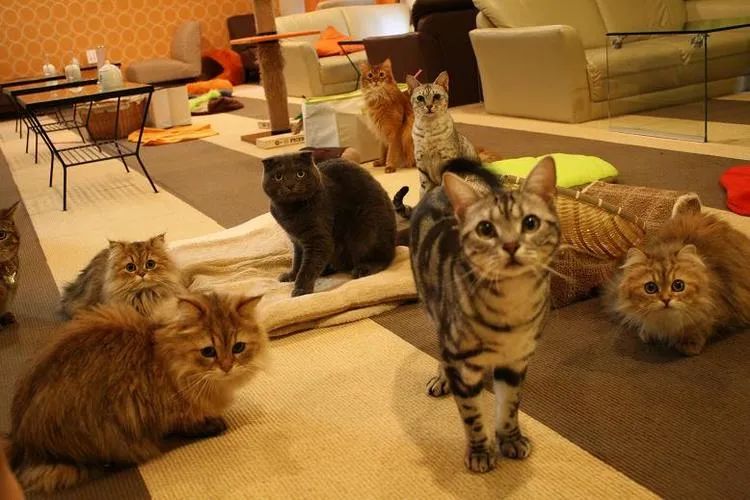
Netizens say that these animals do not belong in coffee shops to begin with. This is undoubtedly another form of animal abuse to satisfy human desire and entertainment. When the coffee shops close down, these animals will be casually abandoned to fend for themselves, and some perverted people may even abuse them to death.
This is not only irresponsible toward the animals themselves, but also irresponsible toward the ecological environment and hygiene. These animals carry different viruses and bacteria, and if they scratch people, the consequences are unimaginable.
For this reason, in the past two years organizations in Japan and South Korea have begun launching online online peti tions, urging the closure of all wildlife such as owls and strict management and regulation of common animal cafés. Cur rently, nearly 300,000 signatures or more have been received.
At the same time, relevant organizations in various countries and regions are also actively communicating with local zoos, so that if these cafés close, these wild animals can have a stable and safe place to live.
Last year, in January, South Korea's Ministry of Environment also announced that in order to safeguard animal welfare (a principle of protecting all animals, including farm animals, laboratory animals, companion animals, working animals, entertainment animals, and wild animals), it would completely ban the display of wild animals outside zoos, including wildlife cafés and other privately operated venues that have been popular in South Korea in recent years.
If the relevant bill is passed, these cafés will cease operation after a 3-to-4-year grace period, and the animals will be sent to places such as the National Institute of Ecology and zoos in South Korea for protection .
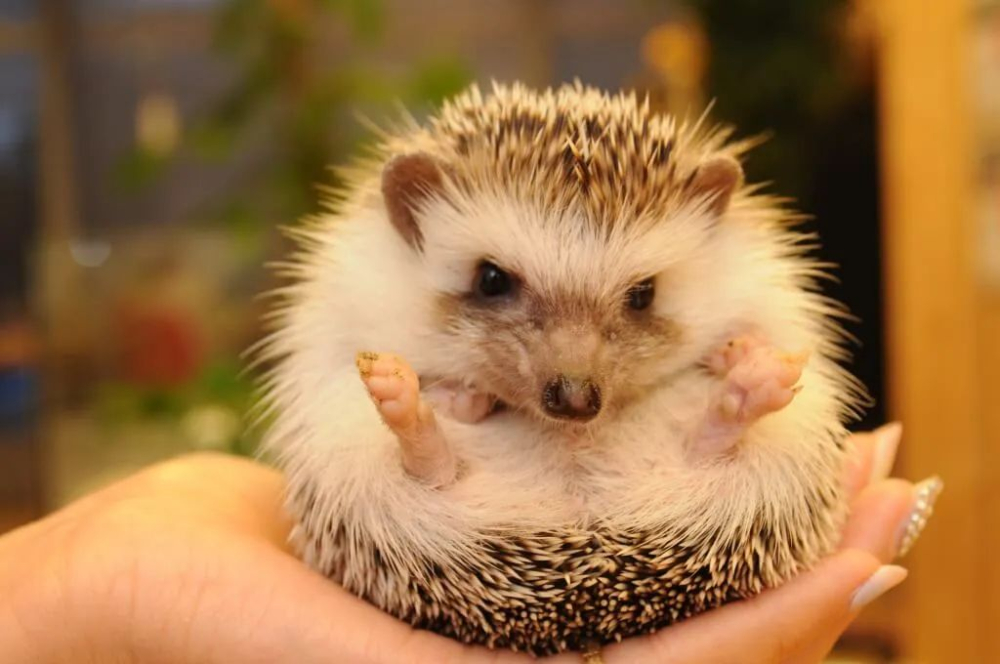
Up to now, wildlife cafés in Japan still have not received government attention. Although whenever animal protection organizations or ordinary people report misconduct to the government, authorities can go to the cafés and investigate. But with animal welfare standards lacking, no matter how dire the animals' situation is, the situation still has not improved at all.
In addition to the problems of the operators themselves, should consumers also reflect on themselves? If people don't go, where would these markets come from?
Image source: Internet
The above content is compiled by CoffeeHunters, a coffee news website.


